Hello readers! - !שלום, קוראים

What is this? Read the introduction - מה זה הדבר הזה? הסבר בהקדמה
Showing posts with label excuses. Show all posts

Thursday, July 15, 2010

The Lady from Skierniewice - האדונית מסקערניעוויץ

I guess I could have started with this lady, since this picture is the indirect cause for the whole blog, but, well, I didn't. She goes with the gentleman from the previous post, at least in my mind, since I found both photos at the same store. And I like her a lot, too; I like her pose, gentle yet mysterious, and I like the dramatic shadow, and I think it's all very beautiful.

אני מניחה שיכלתי לפתוח בתמונה הזו דווקא, כי היא היתה, בעקיפין, הגורם שהביא ליצירת הבלוג, אבל נו, לא כך היה. היא קשורה לאיש מהתמונה הקודמת, לפחות בראש שלי, כי מצאתי את שתי התמונות באותה חנות. ואני מאוד אוהבת גם אותה; אני אוהבת את התנוחה העדינה-אך-מסתורית שלה, ואת הצל הדרמטי, ובכלל, התמונה הזו נורא יפה בעיניי.


But unlike our dapper gentleman, this picture has a little hint of where it came from. The photographer's stamp in the corner. Here it is below, slightly blown up and enhanced - again, only as much as my limited means and skills allow, but in this case, it was enough.

לעומת האדון האלגנטי, עם זאת, בתמונה הזו היה רמז קטן למקום המוצא שלה. חותמת של הצלם, בפינה. הנה היא, להלן, קצת מוגדלת ומשופצת - שוב, רק עד כמה שאני מסוגלת, עם האמצעים והכישורים המוגבלים שלי, אבל במקרה שלפנינו, זה הספיק.
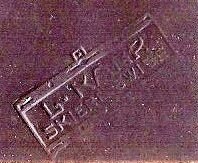


The name "L. Karp" is pretty clear; so are some of the letters of the name below, although some of them have faded quite a bit. But typing the first letters into Google, S-K-I-E-R-N - one of the first autocomplete suggestions on the list was 'Skierniewice' (and once I saw the name, I could read it in the stamp pretty well). It's a town in Poland, about halfway between Warsaw and Lodz.

השם 'L. Karp' די ברור; גם כמה אותיות מהשם שמתחתיו עוד קריאות, למרות שחלקן נמחקו. אבל כשהקלדתי בגוגל את האותיות הראשונות, S-K-I-E-R-N - אחת ההצעות הראשונות ברשימה היתה 'Skierniewice' (וברגע שראיתי את השם, כבר יכלתי לקרוא אותו בחותמת די בקלות). זו עיירה בפולין, בערך במחצית הדרך בין ורשה ולודז'.


Not only that, but with great luck, another photograph taken by Mr. Karp in 1913 made it to the internet, thanks to a Yiddish newspaper that happens to appear in it. The stamp with his name and hometown can be seen pretty well, there, although the style is different. I'm guessing that the picture I have is later, prom the 20s or 30s, since my limited knowledge of art history suggests that the stamp's style is closer to Art Deco. We can imagine Mr. Karp deciding to revamp the logo a little, make it more Modern, something to draw in those sophisticated urbanites who've been to Berlin and seen Bauhaus.

לא זו בלבד, אלא שבמזל גדול, תמונה אחרת שצילם האדון קארפ מסקערניעוויץ (או סקרנביצה, אבל הכתיב היידי חביב בעיניי משום מה) ב-1913 הגיעה גם היא לאינטרנט, בזכות עיתון יידי שמופיע בה. את החותמת, ובה שמו ושם העיר, אפשר לראות שם היטב, אם כי הסגנון שלה שונה. אני מנחשת שהתמונה שאצלי מאוחרת יותר, משנות ה-20 או ה-30, כי מתוך הידע המוגבל למדי שלי בתולדות האמנות נדמה לי שסגנון החותמת שלה קרוב יותר לאר-דקו. אפשר לנחש שמר קארפ החליט לשפץ קצת את הלוגו, שיהיה יותר מודרני. משהו שימשוך את העירוניים המתוחכמים, שכבר היו בברלין וראו באוהאוס.

And then... then came the War.
I tried looking through the Yad VaShem name database, and found, not him exactly (and definitely not the unnamed lady in the picture), but his daughters. Two of them, Khana and Szewa, were also photographers, and appear to have died in the war; the third sister, Varda, filled out 'Pages of Testimony' for them (twice, it appears - I apologise for not including the links, since they do not work for me for some reason, but you can look for yourselves if you want [Update, June 4 2012: Yad VaShem changed their website a bit, and it seems that now I can link directly to the pages]). She survived, and at least as late as 1999 was living in Tel Aviv. Maybe somebody who knows Varda Gilboa will somehow get here. Maybe she is still alive. Maybe she can tell the story of her father, Lipman Karp, and his photo studio. Maybe she will even recognise this picture.
Maybe not.
The story is out there, somewhere, even if we'll never discover all of it. And I think it's all very beautiful.

ואז... אז היתה המלחמה.
חיפשתי בארכיון יד ושם, ומצאתי לא אותו בדיוק (ובטח שלא את המצולמת האלמונית), אבל את הבנות שלו. שתיים מהן, חנה ושֵׁיבע, עסקו גם הן בצילום, וכנראה שנספו; אחותן ורדה מלאה 'דפי עד' עבורן (פעמיים, כנראה; אני מתנצלת שלא צירפתי קישורים, כי משום מה הם לא עובדים לי, אבל אתם יכולים לחפש בעצמכם [עדכון, 4.6.2012: יד ושם שינו קצת את האתר, ועכשיו אני יכולה לקשר ישירות לדפים]). היא שרדה, ולפחות ב-1999 עדיין חיה בתל אביב. אולי מישהו שמכיר את ורדה גלבוע יגיע לכאן. אולי היא עדיין חיה. אולי היא יכולה לספר על הסטודיו של אבא שלה, ליפמן קארפ. אולי היא אפילו תזהה את התמונה.
ואולי לא.
הסיפור קיים, איפשהו, גם אם לעולם לא נגלה את כולו. וזה נורא יפה בעיניי.


Update (June 4 2012): Not long ago I was looking at the blog statistics and saw that someone got here through searching "varda gilboa" (on Google Uruguay, if it matters). I got a bit curious and tried the search myself, and among a few irrelevant results I ran into this. Scroll down a bit, she's there. Just one line, though: 'Born in Poland in 1914. Composer. Lived in Israel.' The biographical details fit what we know so far, so I wouldn't be surprised if it the same person. And the detail about her being a composer - this was interesting. So I tried a Hebrew search, to see if I can find what she composed, and came up with two songs, one nearly forgotten, one immensely popular. The first one is a little song called 'Ruach Ruach' ('Wind, O Wind'), which was sung by the marvelous Chava Alberstein when she was very young, in a song festival in 1967 (it was surprisingly hard to find online, but you can hear it in this recording, starting around the 15-minute mark). The second is 'Happy Birthday'. No, not the one most English-speakers will be thinking about, which was composed by Patty and Mildred Hill; but this Hebrew birthday song is just as popular, over here, and similarly serves as a 'default' birthday song. You can hear a typical example in the video below. This is one of those songs that are so popular that you usually don't even stop to think that they had a composer - but they did, and she was (probably) the daughter of photographer Lipman Karp. What a fasinating story this is turning out to be.
(I was gonna say something like 'Next time you sing Happy Birthday, think of her', but holy crap, why would you do that? That would be depressing. You do not want to think about the Holocaust on someone's birthday. So, yeah, don't do that. But just know she composed it.)

עדכון (4.6.2012): הסתכלתי לא מזמן בסטטיסטיקות של הבלוג וראיתי שמישהו הגיע לכאן בחיפוש של "varda gilboa" (בגוגל אורוגוואי, אם זה משנה). זה סקרן אותי קצת, וניסיתי לחפש בעצמי, ובין כמה תוצאות בלתי-רלוונטיות בעליל נתקלתי גם בזה. תגללו קצת למטה ותראו אותה. רק שורה אחת: 'נולדה בפולין ב-1914. מלחינה. חיה בישראל.' הפרטים הביוגרפיים מתאימים למה שידוע לנו עד כה, אז לא יפתיע אותי אם אכן מדובר באותה אישה. והפרט על זה שהיא מלחינה - זה בהחלט נראה לי מעניין. אז ניסיתי לחפש בעברית ולראות אם אני יכולה למצוא מה בדיוק היא הלחינה, ועלו ברשתי שני שירים, אחד עלום למדי ואחד פופולרי מאוד. הראשון הוא שיר בשם 'רוח רוח'; לא זה שאתם חושבים עליו, שכתבה מרים ילן-שטקליס ושרו כל מיני זמרים, ביניהם אריק איינשטיין, אלא אחד אחר, שכתב אוריאל אופק, ושרה חווה אלברשטיין הצעירה מאוד בפסטיבל הזמר והפזמון של 1967 (היה לי קשה להפתיע למצוא את השיר הזה ברשת, אבל אפשר לשמוע אותו בהקלטה הזו - יחד עם יורם ארבל צעיר אחד, ועוד כל מיני קולות מוכרים יותר ופחות - החל מדקה 15 לערך). השיר השני הוא 'היום יום הולדת'. כן, הזה - השיר שהוא פחות או יותר ברירת המחדל של שירי יום הולדת (הקלטה שלו היה קל בהרבה למצוא, ובחרתי אחת שמדגימה פחות או יותר איך בדרך כלל שומעים אותו), שהוא כל כך פופולרי שבדרך כלל אפילו לא עוצרים לחשוב שמישהו הלחין אותו. אבל הייתה לו מלחינה, והיא הייתה (ככל הנראה) הבת של ליפמן קארפ, הצלם. איזה סיפור מרתק מתגלגל פה.
(עמדתי להוסיף משהו כמו 'בפעם הבאה שאתם שרים "היום יום הולדת" תחשבו עליה', אבל אלוהים אדירים, למה שתעשו דבר כזה? זה ממש מדכא. אתם לא רוצים לחשוב על השואה ביום הולדת של מישהו. אז, כן, אל תעשו את זה. פשוט תדעו שהיא הלחינה את השיר.)

Sunday, June 27, 2010

A Bleak August - אוגוסט עגמומי

I think as part of this bilingual thing, I'll switch the order of languages around, now and then. Seems only fair. So, English goes first, this time.

במסגרת הדו-לשוניות, נראה לי שמדי פעם אחליף את סדר השפות, כדי לשמור על הוגנות. אז הפעם האנגלית קודם.

And while I'm doing disclaimers: I made the scans on our home scanner, and the only corrections I can do are the very basic ones in the Microsoft Picture Manager program I have on my computer. I know the pictures aren't great quality, and sometimes (okay, often) will be a little tilted. It's the best I could do.

ואם כבר דיסקליימרים: סרקתי את כל התמונות בסורק שיש לנו בבית, ואני לא יודעת לשפץ אותן מעבר לפונקציות הבסיסיות של ה-Microsoft Picture Manager שיש לי על המחשב. אני יודעת שהאיכות לא מדהימה, ולפעמים (טוב, לעתים קרובות) התמונות קצת עקומות. זה מה יש.

The photo I'm starting with is - I think - the first photo I found and kept. I have a vague memory of coming upon it in a European town... I want to say London or Dublin, which would make Dublin the more reasonable choice since I was 12 when we visited London. Can't remember very well.

התמונה שאיתה אני בעצם פותחת את הבלוג היא - נדמה לי - התמונה הראשונה שמצאתי ושמרתי. יש לי זכרון עמום שלפיו מצאתי אותה באיזושהי עיר באירופה... אני רוצה לומר לונדון או דבלין, ואם ככה אז דבלין זה יותר הגיוני, כי כשביקרנו בלונדון הייתי בת 12. אבל אני לא ממש זוכרת.

Front:
צד קדמי:


Back:
צד אחורי:


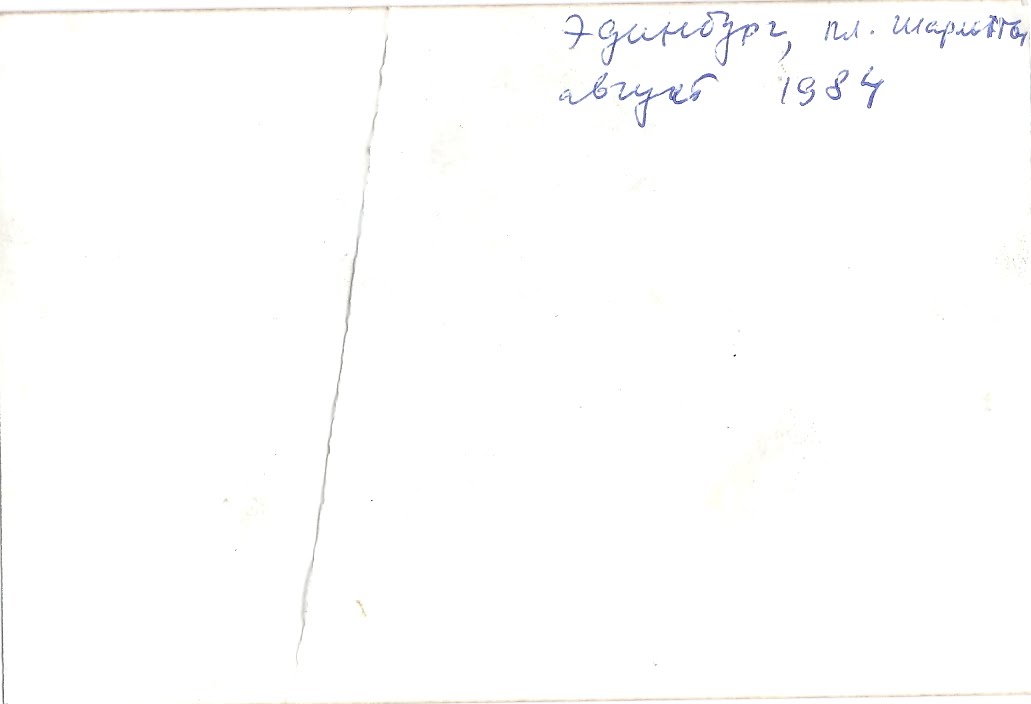
I don't know where the picture's from. It might say on the back, but the writing seems Russian (or some other Cyrillic writing), and the only thing I can figure out of it is the word 'August'. So, August 1984. An overcast, bleak August, in some street in some city. Important enough for someone to take a picture of, and to document the deatils on the back, but unimportant enough to end up on the sidewalk, creased and dirty.
If any Russian-readers stumble upon this post, I would love to know what it actually says, on the back. Solve at least that little bit of mystery.

אני לא יודעת מאיפה התמונה. אולי כתוב מאחורה, אבל זה כתוב במה שנראה כמו רוסית (או כתב קירילי אחר), והמלה היחידה שאני מצליחה להבין היא 'אוגוסט'. ובכן, אוגוסט 1984. אוגוסט מעונן ועגמומי, באיזשהו רחוב באיזושהי עיר. מספיק חשוב כדי שמישהו יצלם אותו, ויתעד את הפרטים מאחורה, אבל מספיק לא-חשוב כדי להגיע בסופו של דבר למדרכה, מקומט ומלוכלך.
אם במקרה מגיעים לכאן קוראי רוסית, אני אשמח לדעת מה כתוב שם, ולפתור לפחות את החלקיק הזה של התעלומה.

Friday, June 25, 2010

Introduction - הקדמה


או: למה הבלוג, למה דו-לשוני, ומה זה 'חפץ מצוא' בכלל.

נתחיל מהמצוא, כי מן הסתם מישהו ראה את המלה בכותרת הבלוג ותהה אם זו לא שגיאת כתיב...
אז ככה: נכון לעכשיו, הצירוף העברי 'חפץ מָצוּא' לא קיים ברובד התקני ו/או השימושי של הלשון. וחבל שכך, כי אין לנו בעצם מקבילה מוצלחת למונח האנגלי היפה 'found object'. אני יכולה לנסות להסביר בעצמי, אבל למה לטרוח כשאוקספורד קונסייס עושה את זה כל כך יפה?
Found (adjective)
* (of an object or sound) collected in its natural state and presented in a new context as part of an artistic or musical work
המונח הזה מאוד יפה בעיניי, כי הוא ניטרלי מצד אחד - מדובר פשוט בחפץ שמצאו אותו - ומצד שני, בעצם המציאה והשימוש מחדש טמון גם משהו חיובי. ובעברית? 'נמצא' כבר תפוס, וכך גם 'מציאה'; מלים אחרות, שלא מהשורש מ.צ.א, כמו 'זרוק' או 'הפקר', שגם עליהן חשבתי, כבר גולשות לפרשנות מסוג אחר, כזו שיש בה היבט שלילי שמתמקד במי שזרק או הפקיר את החפץ, ולא במי שמצא אותו וראה אותו מחדש. ולפיכך, מעין-ניאולוגיזם: חפץ מָצוּא.
ובהקשר של הבלוג הזה: בעיקר גלויות ישנות שאפשר למצוא לפעמים בחנויות ספרים משומשים, ושתמיד מרתקות אותי. במיוחד הגלויות המשומשות, אלה שמישהו כתב אותן, פעם, ושלח אותן למישהו אחר, ואחרי אי-אלו שנים הן נמכרו לחנות ספרים משומשים, וישבו בערימה של גלויות, רחוקות מהכותב ומהנמען ומההקשר המקורי. ובדומה להן, גם תצלומים שמצאתי, באותן ערימות או סתם ברחוב. לפעמים עם משהו כתוב עליהם, לפעמים לא. אני אוהבת את החפצים האלה כי יש בהם הבטחה של סיפור; אלה שברירים קטנים מתוך חיים של אנשים אחרים, בזמן אחר. כמו לקרוא דף אקראי מתוך ספר, או להתבונן בחלונות מוארים בלילה. קטע קטן מתוך סיפור גדול, שלעולם לא אוכל להכיר אותו במלואו, אבל אני אוהבת את הידיעה שהוא ישנו, מרחף איפשהו בחלל ובזמן.

אז זה הבלוג. אני מתכוונת לפרסם בו מדי פעם (פעם-פעמיים בשבוע, אני חושבת) את החפצים המצואים האלה, עם הסברים מינימליים. אם יהיו קוראים שירצו לספק עוד פרטים - אמיתיים או מומצאים - מה טוב. וגם אם לא, לפחות זו דרך להוציא אותם מאלמוניות הערימות ומחשכת המגירה שבה שמרתי אותם, ולשלוח אותם הלאה.

לגבי הדו-לשוניות, ההסבר פשוט למדי: יש לי חברים דוברי עברית וחברים דוברי אנגלית, ורציתי שהבלוג יהיה נגיש באותה מדה לשתי הקבוצות. בד-בבד, זה גם תרגיל נחמד בתרגום, שזה בכלל טוב.

ואחרי כל ההקדמה הזו - ברוכים הבאים, קוראים פוטנציאליים, ואני מקווה שתהנו מהבלוג.

-יעל

The Hebrew version starts with a somewhat lengthy explanation of the term 'found object', which does not exactly exist in Hebrew. If any of my (potential) readers are unfamiliar with this term, you can skip up and see the Oxford Concise definition I put there.
In the context of this specific blog, these will mainly be old postcards, the kind you can sometimes find in used book stores, which have always fascinated me. Especially used postcards, that someone wrote, sometime, and sent to someone else, and after a number of years they were sold to a book store, and lay in a pile of other postcards, detached from their writer and their recipient and their original context. And similarly, old photographs that I found, sometimes in those same piles, sometimes just lying in the street. Sometimes with some writing on them, sometimes blank. I like these objects because they have the promise of a story; they are little fragments of the lives of other people in another time. Like reading a random page out of a book, or looking in lit windows at night. A small piece out of a larger story, which I will never fully know, but I like knowing it's there somewhere, floating in space and time.

So this is the blog. I intend to post these objects here occasionally (once or twice a week, I think), with minimal explanations. If there will be readers who'd want to supply more details - real or invented - that's good. But even if not, at least it's a way to take them out of the anonymity of the postcard piles and the darkness of the drawer where I keep them, and send them on to the world.

As for the question of 'why bilingual', the answer is simple: some of my friends are Hebrew-speakers, others are English-speakers, and I want this blog to be equally accessible to both groups. It also ends up as a nice little translation practice, so why not.

And after all this introduction - welcome, potential readers, and I hope you enjoy this blog.

-Yael


עדכון:
לפני שהתחלתי את הבלוג, אחד הדברים היחידים שהבטחתי לעצמי הוא אף פעם לא לפתוח רשומה במשהו בסגנון 'סליחה שלא עדכנתי כ"כ הרבה זמן' או 'בטח תהיתם לעצמכם לאן נעלמתי'. ואני מתכוונת לדבוק בהחלטה הזו, כי עד כמה שאני אוהבת את הבלוג, הוא בסך הכל תחביב, ולפעמים דברים אחרים מפריעים. אבל אני כן מרגישה שאני צריכה להסביר קצת את הפערים הגדולים בעדכונים, ונראה לי שזה המקום המתאים.
כשאני מסתכלת עכשיו על ההקדמה הזו, השורה שבה נאמר שאעדכן 'פעם-פעמיים בשבוע' נראית מגוחכת - בין השאר מפני שגם הרשומות עצמן שונות למדי ממה שדמיינתי בזמנו. השקעתי בהן הרבה יותר מחקר והרבה יותר כתיבה, ולוקח הרבה יותר זמן לגמור אותן. וכמו שאמרתי, זה בסך הכל תחביב. אז למרות שלפעמים יש לי רגשות אשמה על זניחת הבלוג האהוב שלי לתקופות ממושכות - בלי התנצלויות. ככה יוצא.

Update:
Before I started this blog, one of the few things I promised myself is that I will never begin a post with something like 'Sorry I haven't updated for so long' or 'You must have been wondering where I've been'. And I intend to stick by this decision, because this blog, as much as I love it, is just a hobby, and sometimes other things get in the way. I do feel like I need some kind of explanation for the occasional large gaps in updating, and this seems like the right place for it.
Looking at this introduction, now, the line about updating 'once or twice a week' seems laughable - partly because the posts are also different from what I envisioned back then. I've been doing a lot more research and a lot more writing, and they take a lot longer to finish. And like I said, it's just a hobby. So, although I sometimes feel guilty about deserting my beloved blog for long periods of time - no apologies. That's just how it happens.