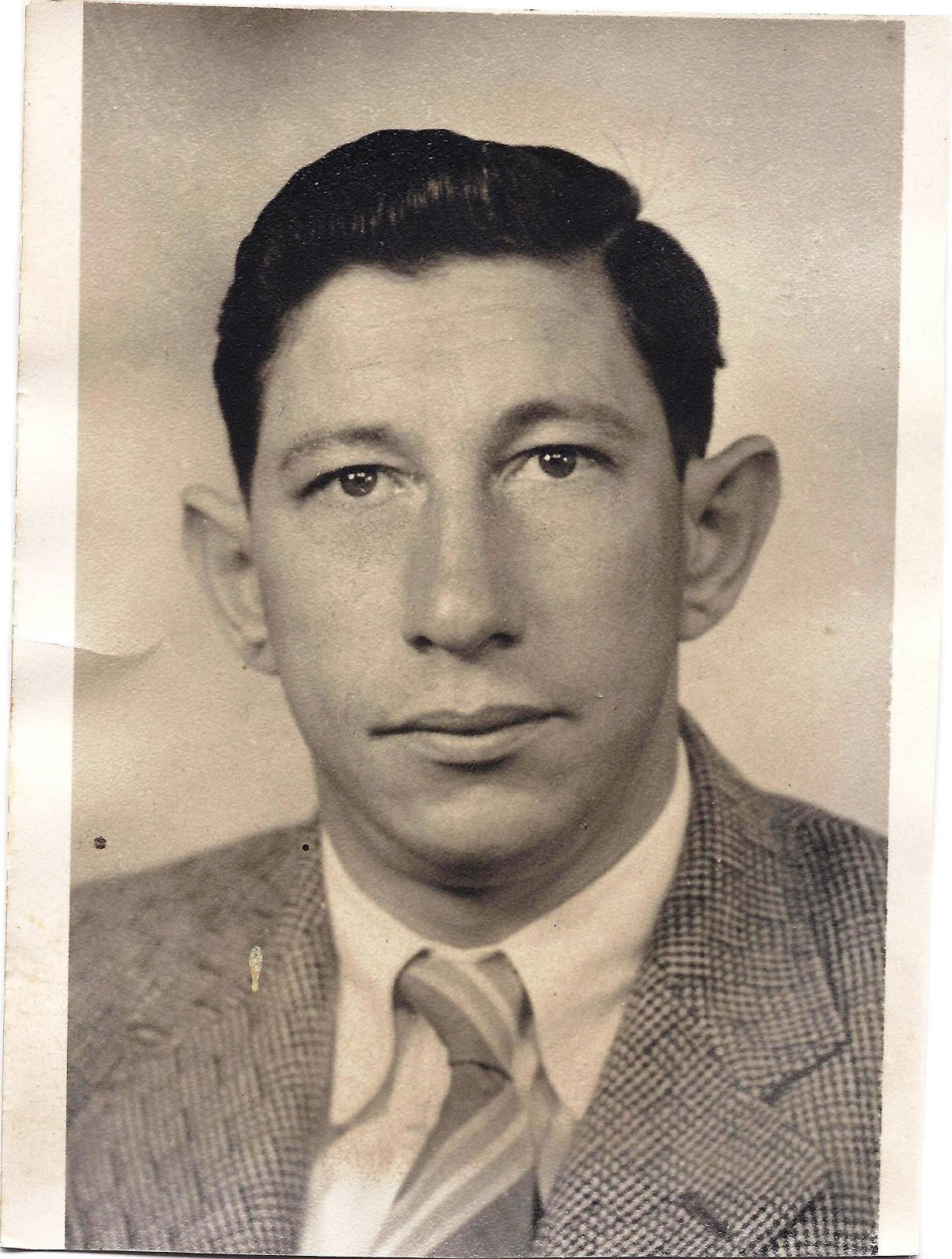
I want to do something a little different, today. In this post, there are - as always - some fragments of a bigger story, but it this case, there isn't so much guessing about what the story is, because it is one that comes from my own family. It is the story of my grandfather, Sydney Chalmers, who was born in South Africa in 1921, served in the RAF in WWII, came to Israel as a volunteer shortly afterwards, met my future grandma in 1950, had my dad, and died on July 27th 1955, when the El Al plane on which he was the flight engineer was
shot down over Bulgaria.
Nowadays he's buried in a
mass grave with the rest of the victims in the Kiryat Shaul cemetery near Tel Aviv. We used to visit there every year; we don't, anymore.
קצת אחרת, היום. הרשומה הזו כוללת - כמו תמיד - כמה רסיסים מתוך סיפור גדול יותר, אבל הפעם אין כ"כ ניחושים על מה אולי היה הסיפור הזה, מפני שהוא מגיע מהמשפחה שלי. זה הסיפור של סבי, סידני צ'למרס, שנולד בדרום אפריקה, שירת בחיל האוויר הבריטי במלה"ע השנייה, הגיע לישראל עם המח"ל לא הרבה זמן אחר כך, פגש את מי שתהיה סבתא שלי ב-1950, הוליד את אבא שלי, ומת ב-27 ביולי 1955, כשמטוס אל-על שעליו שירת כמהנדס טיסה
יורט מעל בולגריה.
כיום הוא קבור ב
קבר אחים עם שאר הנספים בבית הקברות קריית שאול שליד תל אביב. פעם היינו מבקרים שם כל שנה; עכשיו כבר לא.
Anyway, we have a few remnants of grandpa Sydney, at home - mostly the regular things, like old photographs (a few videos, even). My dad looks a lot like him. Just... older, now. Natural, of course, but still feels strange.
בכל אופן, יש לנו כמה דברים של סבא סידני בבית - בעיקר דברים רגילים, כמו תמונות ישנות (אפילו כמה סרטים). אבא שלי ממש דומה לו. רק... כבר יותר מבוגר. מה שטבעי כמובן, אבל עדיין מרגיש קצת משונה.
Sydney Chalmers - 1921-1955 - סידני צ'למרס
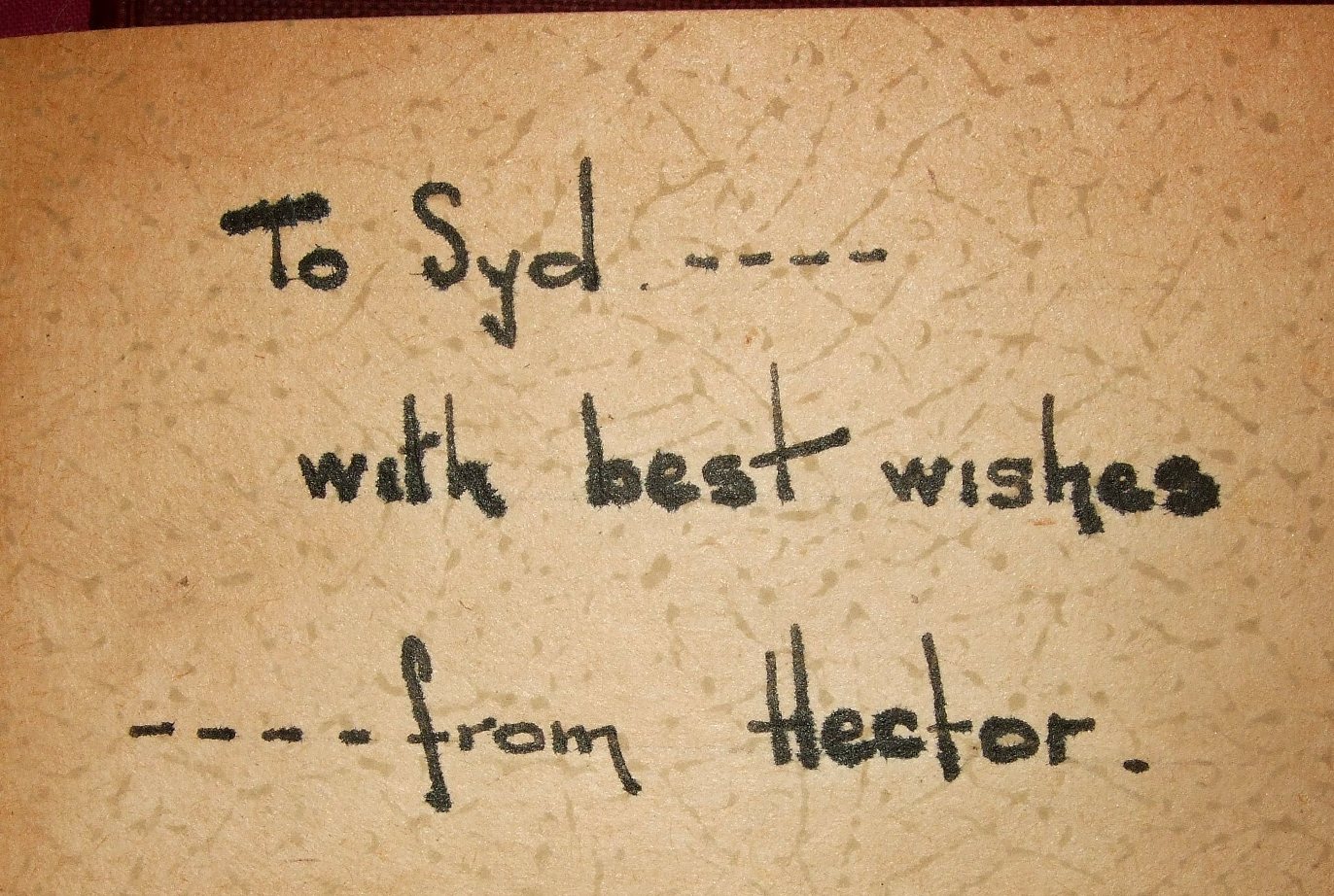
And then - getting to the heart of this post - we also have a few books with inscriptions written to him by friends. I don't know who these friends were; I guess I could ask my dad, or one of dad's older cousins who might remember a bit about them, but it doesn't really matter. I just like the window these books open to the life of the grandfather I never knew.
ויש לנו - וכאן אנחנו מגיעים אל לב הרשומה הזו - גם כמה ספרים עם הקדשות שכתבו לו חברים. אני לא יודעת מי היו החברים האלה; אני מניחה שאני יכולה לשאול את אבא שלי, או את אחד מבני הדודים היותר מבוגרים שלו, שעשויים אולי לזכור משהו לגביהם, אבל זה לא באמת משנה. אני פשוט אוהבת את החלון שהספרים האלה פותחים לחייו של הסבא שלא הכרתי.
[I would like to apologise in advance about the pictures below being even more crooked than usual - I took pictures with my camera because I didn't want to put the poor old books through the scanner.]
[אגב, אני רוצה להתנצל מראש על זה שהתמונות שלהלן עקומות אפילו יותר מבד"כ - צילמתי אותן עם המצלמה שלי כי לא רציתי להעביר את הספרים המסכנים בסורק.]
First, there are two books from a friend named Hector:
קודם כל, יש לנו שני ספרים מידיד בשם הקטור:
(1)
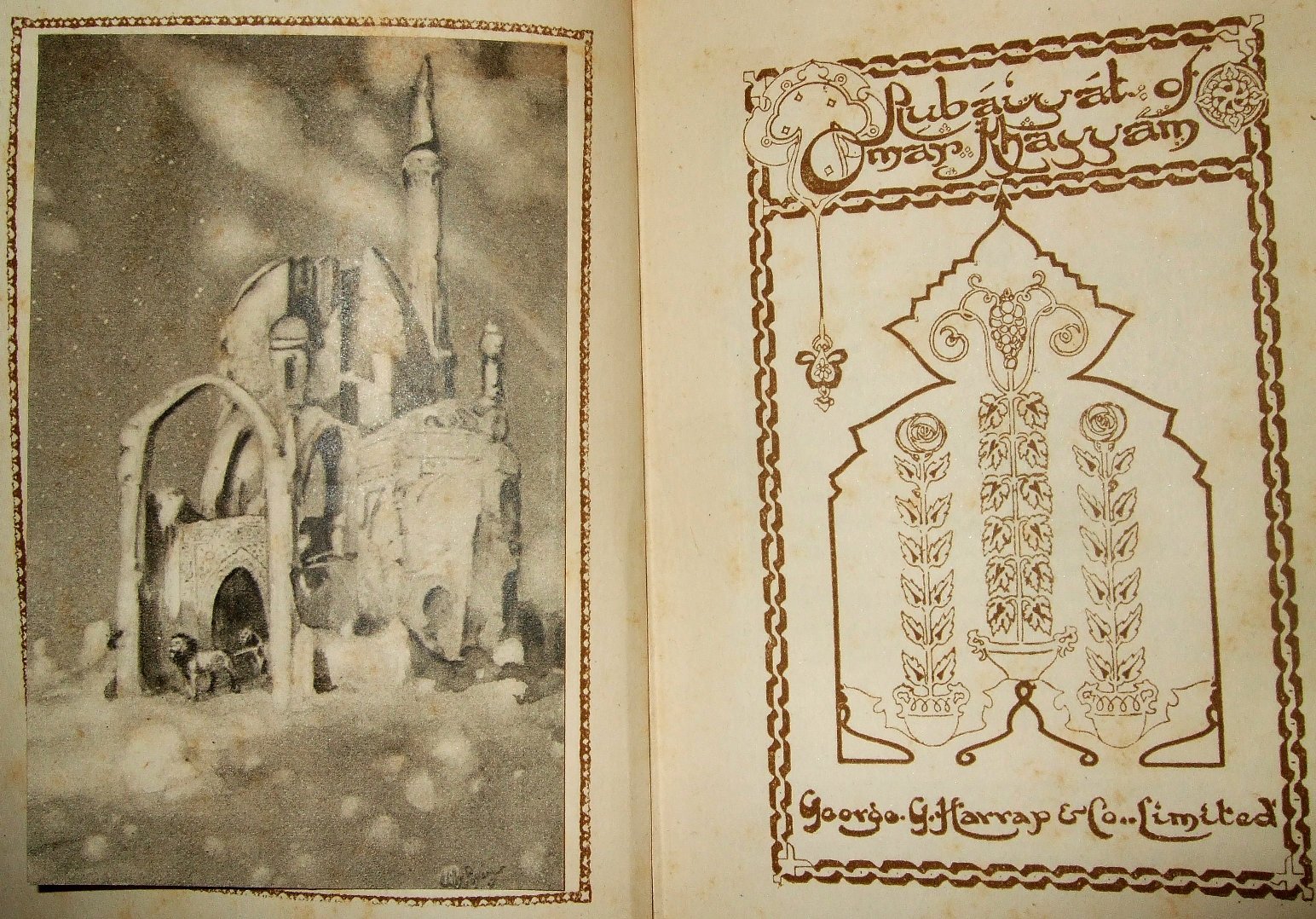
This is from this book:
מתוך הספר הזה:
A small book of the Rubaiyat of Omar Khayyam, in Fitzgerald's famous translation. That's a very nice title page, by the way.
קובץ קטן של ה'מרובעים' של עומָר ח'יאם, בתרגום המפורסם של פיצג'רלד. דף הכותרת חביב בהחלט, דרך אגב.
(2)
This is from this book:
מתוך הספר הזה:
Gibran's
The Prophet, also with a nice title page.
Pretty fascinating, all in all - says something either about this Hector guy, or about Sydney, or about both. I have no idea what Grandpa Sydney's taste in books was like; I have no idea if Hector bought these two for him because he himself appreciated them and wanted his friend to read them as well, or because he knew that Sydney was interested in this sort of thing, or what.
'הנביא' של ג'בראן, גם הוא עם דף כותרת חביב.
זה די מרתק בסך הכל - אני חושבת שזה אומר משהו או על ההקטור הזה, או על סידני, או אולי על שניהם. אין לי מושג מה היה הטעם של סבא סידני בספרים; אין לי מושג אם הקטור קנה לו את שני הספרים האלה כי הוא עצמו העריך אותם, ורצה להכיר אותם לחבר, או מפני שהוא ידע שזה תחום שעניין את סידני, או מה.
But with all due respect to Gibran, Khayyam and Fitzgerald, and to their literary works, this is what I personally consider the best of the three, for several reasons:
אבל עם כל הכבוד לג'בראן, ח'יאם ופיצג'רלד וליצירותיהם הספרותיות, הנה הספר שאני אישית חושבת לטוב שבחבורה, מכמה סיבות:
First of all, because it was a birthday present for him, on the same year that he died. By the way, he was 34, Penny. Not that it matters now, so many years after that birthday, so many years after his death.
קודם כל, כי הוא קיבל אותו כמתנת יום הולדת, באותה שנה שבה נהרג. דרך אגב, פני, הוא היה בן 34. לא שזה משנה עכשיו, כל כך הרבה שנים אחרי יום ההולדת ההוא, כל כך הרבה שנים אחרי שמת.
And in a bit of a mood whiplash, the second reason why this is my favourite is because of the book it's on - a book that I decided to read solely because of this dedication, and was thus happily introduced to one of the funniest things I ever read:
ובשינוי חד של האווירה, הסיבה השנייה שבגללה הספר הזה הוא האהוב עליי משלושתם היא בעצם הספר עצמו - ספר שהחלטתי לקרוא אך ורק בזכות ההקדשה, ולשמחתי כך למדתי להכיר את אחד הדברים הכי מצחיקים שקראתי אי פעם:
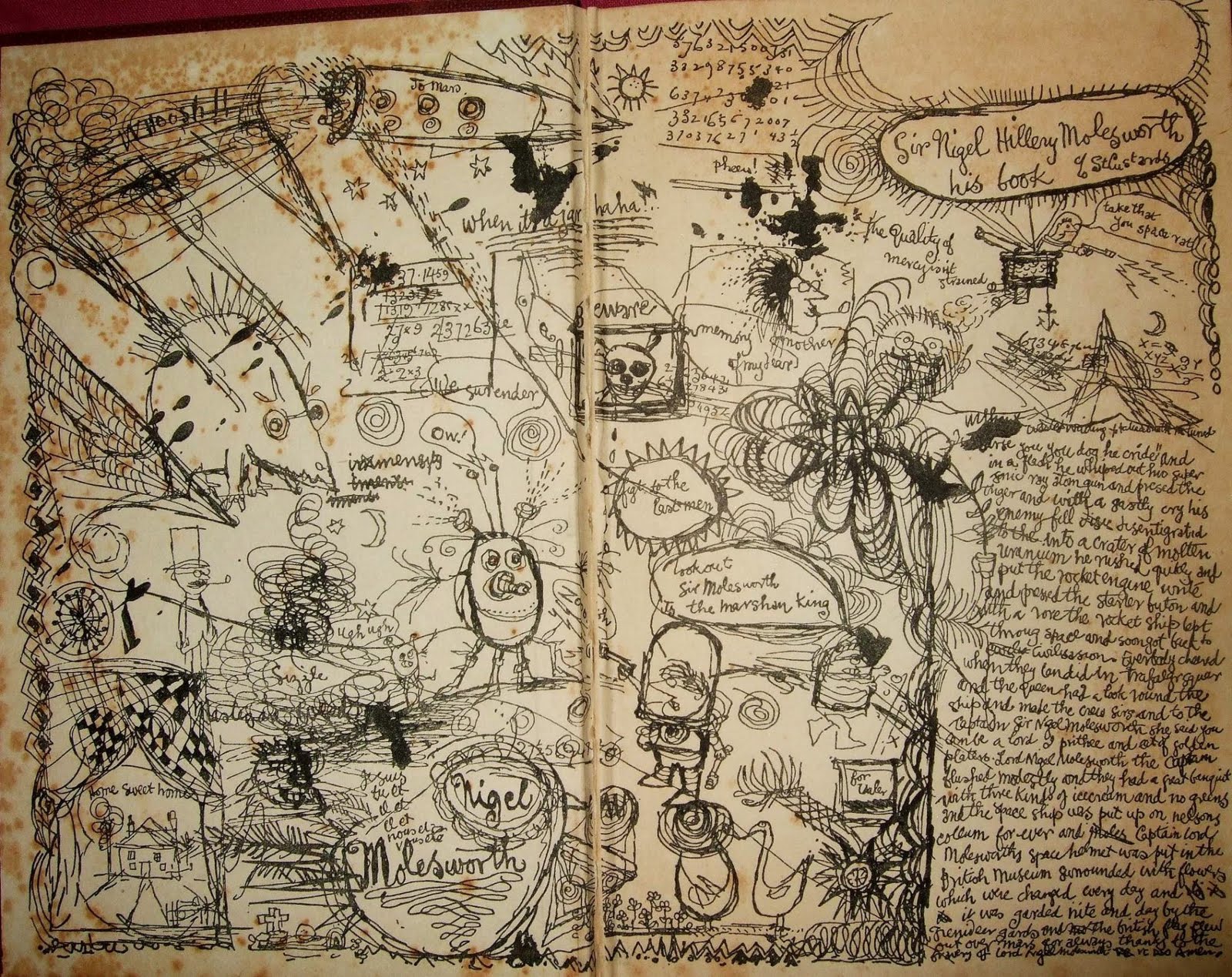
(Click to enlarge - קליק להגדלה)
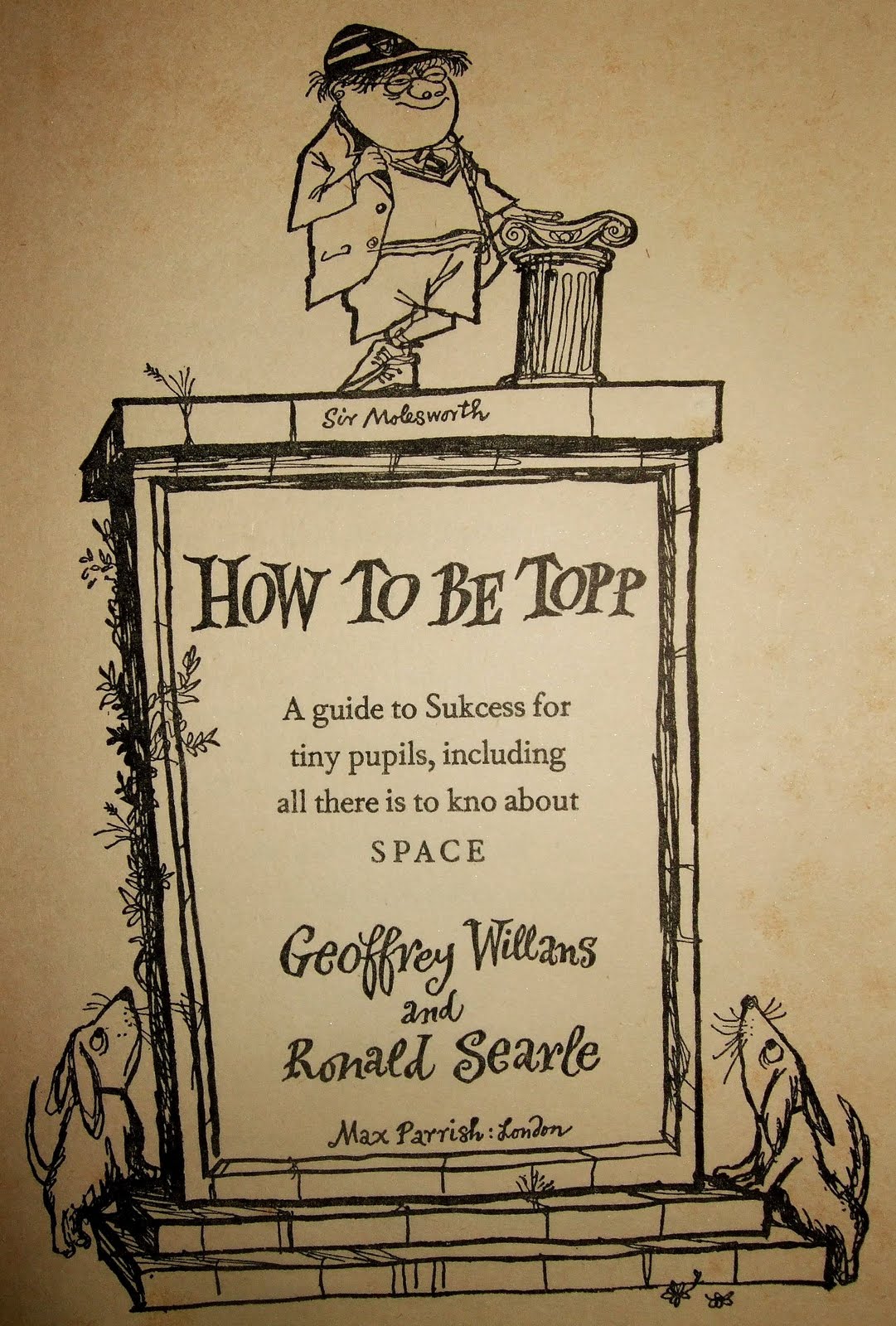
No wait, sorry, this is just the inside cover, right before the title page. But it does give you a bit of an idea of the awesome mayhem to come. Here's the title page:
רגע, סליחה, זו רק הכריכה הפנימית, ממש לפני עמוד הכותרת. אבל זה בהחלט נותן רמז מסוים על הבלגן המופלא שבדרך. הנה עמוד הכותרת:
Molesworth!
Most people reading this will have no idea what this is. Neither did I. I only looked it up (first on
h2g2 - my go-to source of knowledge at the time, and still a wonderful one by the way - and only recently on
Wikipedia as well) after I read and loved it. I think maybe the best way to explain Molesworth to modern readers is to ask you to imagine what if Calvin, from Calvin and Hobbes, was a British boarding-schoolboy in the 1950s. Minus the tiger unfortunately, but with a best friend - sorry, 'grate frend' - named Peason, and an annoying little brother nicknamed Molesworth 2, instead. Got it? Good. Now imagine he wrote a book.
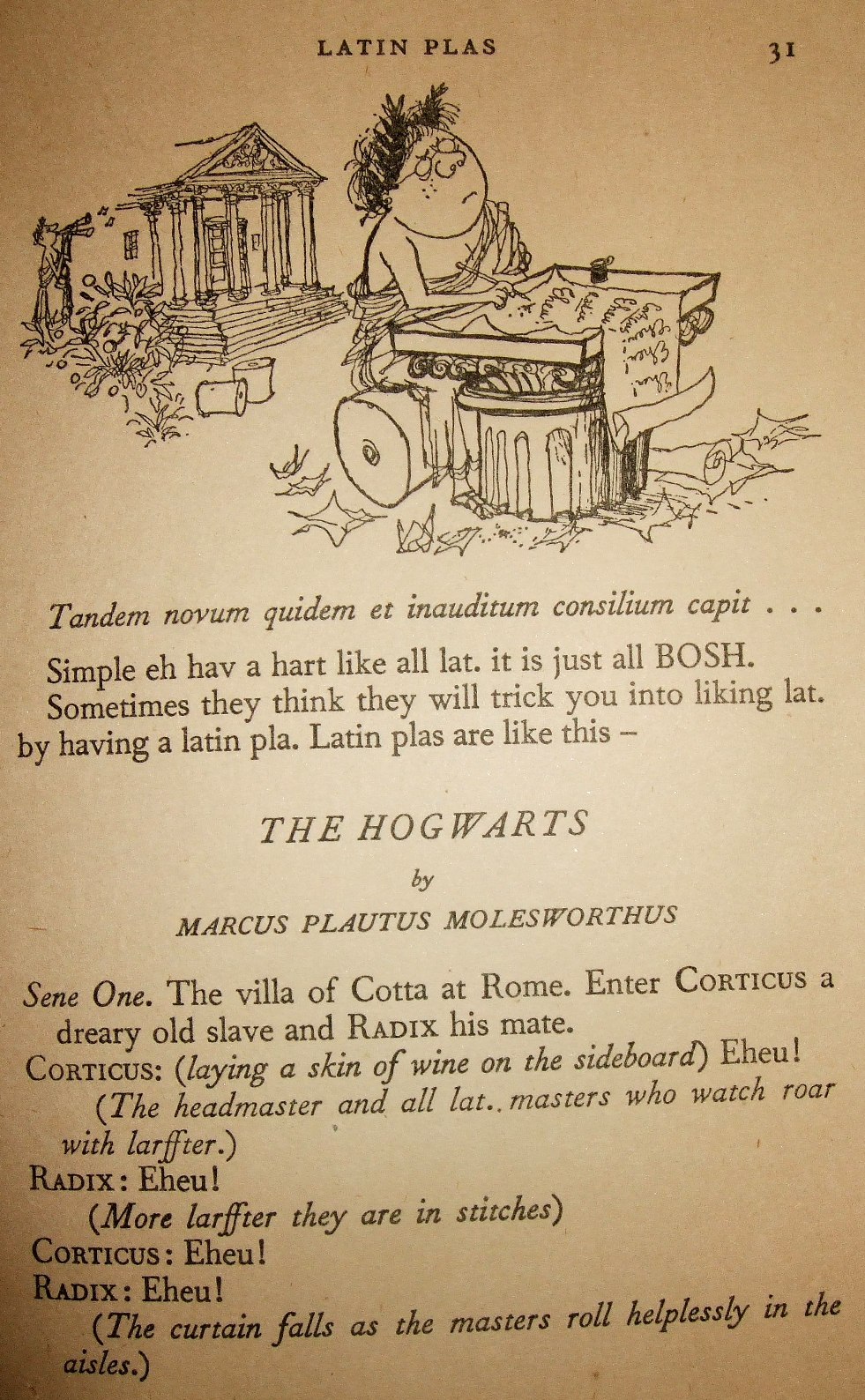
It has the sort of atrocious spelling that some people like to blame on the internet; it has a great disdain to all things school-related, with horror stories of every class from Latin (yes, they still studied Latin in school back then) to English to cricket; it has wonderful flights of fancy, especially about spaceships and aliens; and, at least from my subjective perspective, it is incredibly, roaringly funny.
מולסוורת'!
רוב האנשים שקוראים את הרשומה הזו ככל הנראה לא יידעו במי מדובר. גם אני לא ידעתי. חיפשתי את הספר, (בהתחלה באתר
h2g2 - שהיה מקור הידע הראשון שאליו פניתי בזמנו, והוא בעצם עדיין מקור נהדר - ורק לאחרונה גם ב
וויקיפדיה) רק אחרי שקראתי ואהבתי אותו. אני חושבת שאולי הדרך הטובה ביותר להסביר מהו מולסוורת' לקוראים מודרניים היא לבקש מכם לדמיין מה אם קלווין, מהקומיקס 'קלווין והובס', היה ילד בריטי בפנימיה בשנות החמישים. מינוס הטיגריס, למרבה הצער, אבל במקום זה עם חבר טוב - סליחה, 'חוור נֶמן' - בשם פיסון, ואח קטן ומעצבן המכונה מולסוורת' 2. יש? יופי. עכשיו תדמיינו שהוא כתב ספר.
יש שם כתיב מזעזע, מהסוג שאנשים אוהבים להשליך על 'דור האינטרנט'; יש שם בוז גדול לכל מה שקשור לבית הספר, עם סיפורי אימה על כל שיעור, מלטינית (כן, אז עוד למדו לטינית בבי"ס) דרך אנגלית ועד קריקט; יש שם מסעות על כנפי הדמיון, בעיקר על חלליות וחייזרים; ויש שם הומור מלוא הדלי, שאותי אישית פשוט הצחיק עד דמעות.
Here's one example of the text, which I would like to dedicate to everyone who saw 'British boarding-school' and thought of Harry Potter (and/or to anyone who happens to be studying Latin):
הנה דוגמית קטנה מהטקסט, שמוקדשת לכל מי שראה 'פנימיה בריטית' וישר חשב על הארי פוטר (ו/או לכל מי שבמקרה לומד לטינית):
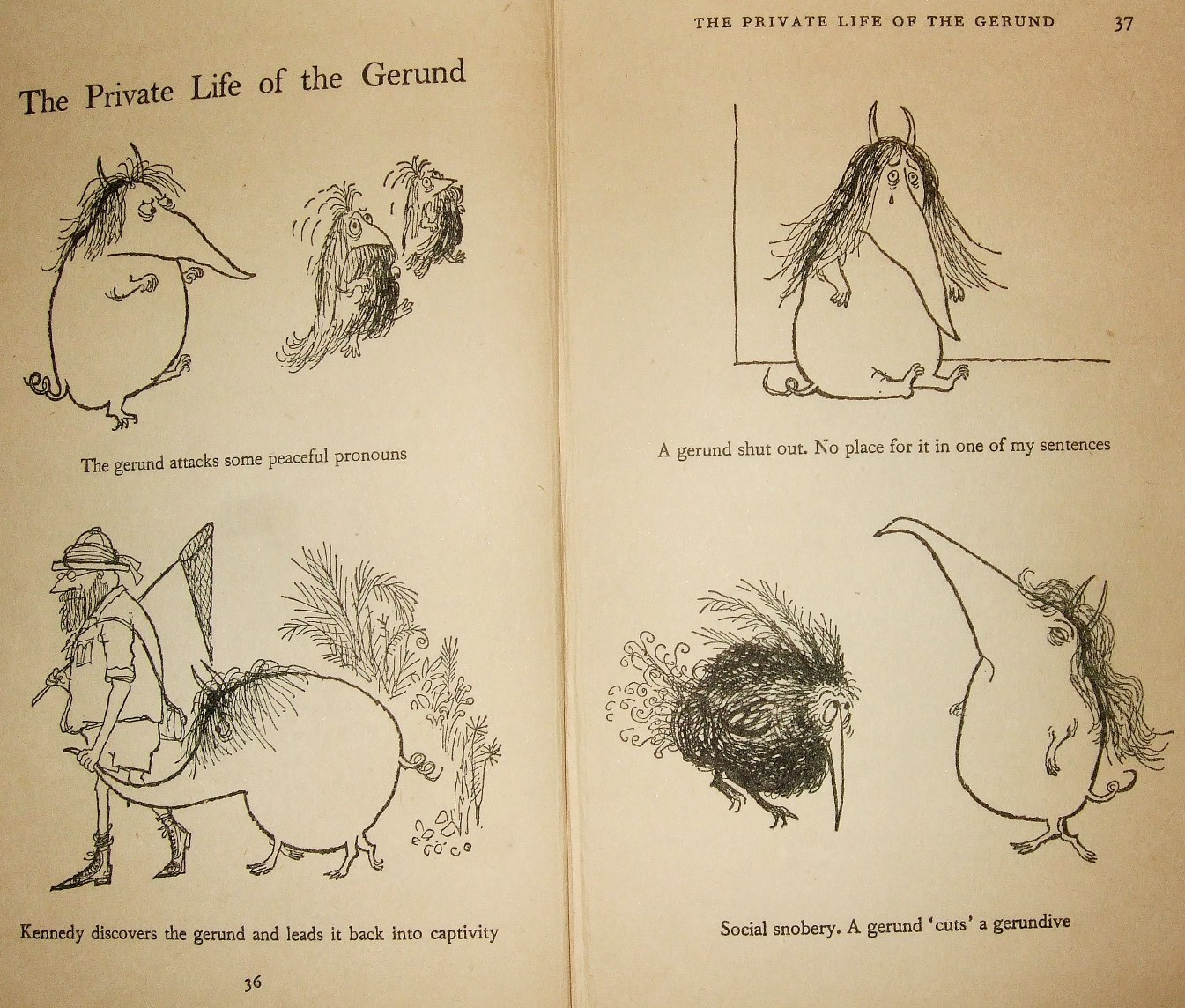
And one more example - this time more specifically of the illustration style (by the inimitable
Ronald Searle, who also made the more famous British boarding-school series St. Trinian's, and did some work for the New Yorker), but also showing (again) how generally awesome this book is. And I dedicate this one to all my linguist friends:
ועוד דוגמית אחת - הפעם באופן יותר ספציפי כדוגמא לסגנון האיור (של
רונלד סירל היחיד במינו, שגם יצר את סדרת הפנימיה-הבריטית הידועה קצת יותר 'סיינט טריניאן', וגם אייר בניו יורקר פה ושם), אבל גם כדי להראות (שוב) כמה שהספר הזה מעולה באופן כללי. מוקדש לידידיי הבלשנים:
"But what is a gerund, sir?"
It's wonderful (I am seriously restraining the urge to just scan or photo all of it, page after page).
I wonder if Grandpa Sydney liked it. I wonder if he even got to read it, or if maybe he put it aside for another time, which never came. Yeah, the mood whiplash again. I guess it's odd, going from talking about death to gushing about how hilarious this book is, and then right back to death, but what can you do? Life is full of odd contradictions like that.
Personally, even though I never met my grandfather, I'm happy to remember him this way - not just in pictures, not just in the occasional stories, but in these little things like the books his friends gave him. I'm happy that he introduced me, even in such a round-about way, to a book I enjoyed so much. And I'm happy to share this with all of you.
הוא נהדר (אני אשכרה מרסנת את עצמי שלא פשוט לסרוק או לצלם את כולו, עמוד אחר עמוד).
אני תוהה אם סבא סידני אהב אותו. אני תוהה אם בכלל יצא לו לקרוא אותו, או שאולי שם אותו בצד להזדמנות אחרת, שאף פעם לא הגיעה. כן, שוב שינוי חד באווירה. אני מניחה שזה קצת מוזר, לקפוץ ככה מאזכורי מוות להשתפכות על כמה שהספר הזה מבדר, ואז בחזרה למוות. אבל מה לעשות? בחיים יש המון סתירות מוזרות שכאלה.
אישית, אפילו שמעולם לא פגשתי את סבי, אני שמחה לזכור אותו כך - לא רק בתמונות, לא רק בסיפורים פה ושם, אלא גם בדברים הקטנים האלה, כמו הספרים שקיבל מידידיו. אני שמחה שהוא הכיר לי, ולו בצורה עקיפה שכזו, ספר שכל כך נהניתי ממנו. ואני שמחה לחלוק את זה עם כולכם.
Next time, back to the regular stuff. And by the way, if any Polish-speakers are reading this, I would love to talk to you for some help with a planned future post.
בפעם הבאה, בחזרה לשגרה. ודרך אגב, אם יש לי קוראים שיודעים פולנית, אשמח לדבר איתכם, אני צריכה קצת עזרה עם רשומה עתידית.
Felt like I need to do a quick update, having just found out that Ronald Searle - who illustrated the Molesworth books - passed away recently (30.12.2011), at age 91. Seems he was not just a wonderful illustrator but also led
quite an interesting life. RIP, Mr. Searle.
הרגשתי צורך לעדכן בזריזות, כי גיליתי עכשיו שרונלד סירל - שאייר את ספרי מולסוורת' - נפטר לאחרונה (30.12.2011), בן 91. נראה שלא רק שהוא היה מאייר נהדר, גם היו לו
חיים די מעניינים. יהא זכרו ברוך.