Hello readers! - !שלום, קוראים

What is this? Read the introduction - מה זה הדבר הזה? הסבר בהקדמה
Showing posts with label 1950s. Show all posts

Saturday, June 21, 2014

The Proud Grandfather - הסבא הגאה

זה הפוסט ה-50 שלי! הידד!
(וגם הפוסט הראשון ל-2014, אבל בזה אני פחות גאה...)

It's my 50th post! Hooray!
(It's also my first post in 2014, but I'm not as proud of that...)

לפעמים ממש יש לי מזל.
קניתי את הגלויה הזו בגלל משפט אחד במסר שבצד האחורי - ואז הצלחתי ליצור קשר עם הנמען המקורי, שהיה ידידותי וידען וסיפק לי המון מידע על הסיפור שמאחוריה, וזה היה פשוט נפלא.
...אבל אני מקדימה את המאוחר. בואו נביט קודם בתמונה.

Sometimes, I get awfully lucky.
I bought this postcard because of one sentence in the message on the back - and then I managed to contact the original recipient, who was friendly and knowledgeable and and gave a wealth of information about the story behind it. How incredible!
...But I'm getting ahead of myself. Let's have a look at the picture, first.

צד קדמי:

Front:

כפי שאפשר לראות, זו "תחנת גן החיות" המפורסמת (Bahnhof Zoo), הקרויה על שם גן החיות של ברלין שנמצא לא רחוק. אין לי הרבה מה לומר על התמונה הזו למען האמת; היא בהחלט נראית פיפטיז-ית מאוד, אבל זה בעיקר בגלל השחור-לבן והמכוניות המיושנות. המבנים עצמם, כפי שניתן לראות בצילום הרחוב בגוגל (או בצילומים אחרים), נשארו כמעט זהים:

As you can see, this is the famous Bahnhof Zoo train station (named for the nearby Berlin Zoo). I don't have much to say about this photo, actually; it definitely has a very fifties-y vibe, but that's mostly due to the black&white and the old cars. The actual structures,as you can see on Google Street View below (or in other photos), are virtually identical:


ועכשיו לסיבה האמיתית שקניתי את הגלויה הזו - המסר שכתב איש מבוגר חביב בנסיעת עסקים לברלין למשפחתו בארץ.

And now to the real reason I got this card - the message, written from a nice elderly man on business in Berlin to his family back in Israel.

צד אחורי:
Back:

ברלין 16 ביוני 1956
ילדי היקרים מאוד! היום יש ביכולתי לכתוב לכם ולהודות לכם על דרישות השלום, שנשלחו לי על ידיכם יחד עם יתר הקרובים בערב שבת. כפי שכתבתי כבר לאמה [=אמא - י.ב], שלומי הוא טוב מאוד ואינני מרגיש את לחץ הדם הגבוה. אני תקוה שגם אתם בריאים וכמו כן ילדיכם שהם נכדי. את התיק המכיל את תמונותיכם ואת תמונות הסבתה והנכדים אני מציג לכלם בלי להתחשב עם ענינם בתמונות. פרטים על שלומי כאן וגם על החיים,[הפסיק במקור] שאני מנהל, תוכלו לשמוע מאמה, שאני כותב לה בפרוטרוט. קר לי והיום הופתעתי ע"י גשם חריף והייתי רטוב עד לעור גופי. אני מתגעגע לבית ואני שמח כבר עכשיו על יום שובי. היום בקרתי אצל מרשי לוינשטיין וקבלתי ממנו את ידיעות חדשות [כך במקור] מיום 8 דנא. שם שמעתי גם את הידיעות מקול ישראל. נפתלי, שלח לי את העט הנובע שלך לתיקון. רציתי לקנות לך את הספר המשומש
Westostpassage להשתלמותך!!
נשיקות רבות ולבביות לכם והנכדים, אביכם
Berlin, June 16 1956
My dearest children! Today I am able to write to you and thank you for your warm wishes, which have been sent to me by you with the other relatives on Friday evening. As I have already written to muther [sic], I am doing very well and I do not feel the high blood pressure. It is my hope that you are also in good health as well as your children who are my grandchildren. The case containing your pictures and the pictures of the grandmuther and grandchildren I show to everyone with no consideration of their interest in the pictures. Details about how I am doing here and also about the life,[sic] I lead, you can hear from muther, to whom I write in great detail. I am cold and today I was surprised by a sharp rain and was wet to the skin of my body. I miss home and am already happy for the day I return. Today I visited my client Lewinstein and received from him a recent news [sic] from the 8th of this month. There I also heard the news from Kol Israel [radio]. Naftali, send me your fountain pen for repair. I wanted to buy you the used book
Westostpassage for your continuing education program!!
Many loving kisses for you and the grandchildren, your father
אתם יכולים מן הסתם לנחש מה המשפט הבודד שבגללו רציתי את הגלויה הזו, נכון?
"את התיק המכיל את תמונותיכם ואת תמונות הסבתה והנכדים אני מציג לכלם בלי להתחשב עם ענינם בתמונות".
זה פשוט נהדר - אני ממש אוהבת כמה שהוא מודע לעצמו. בדרך כלל, כשחושבים על הסבא שמראה לכולם בגאווה את תמונות המשפחה שלו, והאנשים שסביבו משלימים עם העניין בשקט ואולי קצת מגלגלים את העיניים, מדמיינים מישהו שהוא אולי קצת חסר-מודעות. אבל לא. האיש הזה היה כ"כ שמח, כ"כ גאה במשפחה שלו, שפשוט לא היה אכפת לו אם אנשים לא התעניינו בתמונות שהראה להם. ויודעים מה? כל הכבוד.
ואני אוהבת את הטון של הכתיבה באופן כללי. הכל פשוט מעולה.

You can probably guess what is that one sentence that made me want the postcard, right?
"The case containing your pictures and the pictures of the grandmuther and grandchildren I show to everyone with no consideration of their interest in the pictures".
That is just so wonderful - I love the self-awareness of it. Usually, when you think of the grandfather proudly showing family pictures to everyone, and the people around putting up with it and perhaps rolling their eyes, you imagine the guy to be a bit oblivious. But no. This man is so happy, so proud of his family, that he simply doesn't care if people aren't interested in the photos he shows them. And you know what, good on him.
I really love the tone of the whole thing in general, actually. It's all great.

ואז התחלתי לחפש פרטים על הגלויה, כרגיל - וכשחיפשתי את שם הנמען, מצאתי די בקלות את הביוגרפיה הקצרה של פרופסור נפתלי קדמון באתר של ארגון יוצאי מרכז אירופה, וגם את הראיון הביוגרפי הזה באתר של המרכז למיפוי ישראל, וחשבתי לעצמי שאל"ף, סיפור החיים שלו מרתק, ובי"ת, שאם הוא פרופסור באוניברסיטה העברית, יש מצב שכמו שכבר קרה בעבר אוכל למצוא את כתובת האימייל שלו באתר האוניברסיטה. ואכן, הצלחתי ליצור קשר עם פרופ' קדמון, שגם מצא זמן (על אף עיסוקיו הרבים) לענות לי, כפי שאמרתי בפתח הרשומה, בשמחה ובפירוט רב.

So I started looking for details about the postcard, as usual - and when I searched for the recipient's name, I quite quickly found the short biography for Professor Naftali Kadmon at the Association of Israelis of Central European Origin website, as well as this biographical interview at the Survey of Israel website [Hebrew-only links, sorry!], and thought to myself that first of all, he seems to have a fascinating life story, and secondly, that if he's a Hebrew University professor, there's a chance I'll be able to find his email address on the university website, as has happened before. And indeed, I managed to contact Prof. Kadmon, who actually find time in his busy schedule to reply, and as I said when I started this post did so graciously and in detail.

לנושא הגלויה הראשונה אני יכול להוסיף שהיא נכתבה אכן על ידי חותני עו"ד מרטין וולפסון בשעה ששהה בברלין לרגל טיפול בנושא השילומים מגרמניה, ביחד עם אשתו, חמותי רופאת העיניים ד"ר ארנה וולפסון לבית ג"ץ (Goetz). הייתי יכול להוסיף רבות, אבל אסתפק בזה. רק אוסיף שיש ברשותי ארכיון משפחתי גדול מאד, שאת עיקרו (אלפי תעודות) הפקדתי ב"ארכיון המרכזי לתולדות העם היהודי" באוניברסיטה העברית בירושלים. על סמך החומר הכלול בו ערכתי שני ספרים עם הסיפור המשפחתי משנת 1680 ועד 2004:    Vom Rheinland ins heilige Land(זכרונותיו של אבי המנוח) שיצא לאור בגרמניה, ו"אלה תולדות ומסעות – מהיכן הגעתם, נכדיי לבית קדמון" (עם 152 תצלומים מ-1870 ואילך!) בהוצאה פרטית.
Regarding the first postcard, I can add that it has indeed been written by my father-in-law, attorney Martin Wolfson, while he was staying in Berlin to take care of the reparations from Germany, along with his wife, my mother-in-law, the ophthalmologist Dr. Orna Wolfson, née Goetz. I could have added much more, but this will suffice. I will only add that I possess a very large family archive, most of which (thousands of documents) I have deposited in the Central Archives for the History of the Jewish People at the Hebrew University in Jerusalem. From the material in it I have compiled two books with the family story from 1680 until 2004: Vom Rheinland ins heilige Land (the memoirs of my late father) which was published in Germany, and History and Travels - Where Did You Come From, My Grandchildren of the Kadmon Family (with 152 photos from 1870 onwards!) which was self-published.

גם על עו"ד מרטין וולפסון אפשר לקרוא באתר של ארגון יוצאי מרכז אירופה (וגם בספר 'אלה תולדות ומסעות' המוזכר לעיל - אגב, הצצתי קצת בעותק שבספריה הלאומית, והוא מרתק בעיניי), ועל הספר הנזכר בגלויה סיפר לי פרופ' קדמון:

הספר הנזכר בגלויה של חותני מרטין וולפסון אינו ספר שלי, אלא של אחד משני חוקרי הארקטיקה הדגולים נורדנשלד ואמונדסן. יתר על כן, השם שגוי: נדמה לי שבגלויה כתוב Westostpassage או Ostwestpassage וזה רק תיאור של הנושא [...] הכוונה היא למעבר ממיצר ברינג לאורך החוף הצפוני של אסיה ועד לכף הצפוני (נורבגיה). לא זכור לי שביקשתי מחותני למצוא לי את הספר. זה כל מה שאני יכול להוסיף בשלב הנוכחי.

Atttorney Martin Wolfson also has a short biography at the Association of Israelis of Central European Origin website [again, Hebrew only, my apologies] (as well as in the aforementioned History and Travels book - I flipped through the copy at the National Library, and found it fascinating), and as for the book mentioned in the postcard, Prof. Kadmon said:
The book mentioned in the postcard by my father in law Martin Wolfson is not a book of mine, but of one of the great arctic explorers Nordenskiöld and Amundsen. Moreover, the name is wrong: I believe the postcard says Westostpassage or Ostwestpassage and this is just a description of the subject [...] It refers to the passage from the Bering Strait along the northern coast of Asia to the North Cape (Norway). I do not remember asking my father in law to find this book for me. This is all I can add at the current stage.

ואם אתם באמת רוצים לחקור הלאה, ובמקרה גם קוראים גרמנית, אתם יכולים לקרוא את מסמך ה-PDF הזה בארכיון המרכזי לתולדות העם היהודי בירושלים, שמתאר את עזבון יצחק קדמון (יוליוס קאופמן), ולהמשיך משם...

And if you really want to dig deeper, and happen to read German, you can check out this PDF at The Central Archives for the History of the Jewish People Jerusalem, which details the estate of Isaac Kadmon (Julius Kaufmann), and do more research from there...

אבל מן הסתם רוב הקוראים לא מתעניינים בדברים כאלה באותה המידה כמוני. אז בואו נפסיק כאן, עם הרמת כובע וירטואלית לסבא הגאה ההוא, לפני כמעט שישים שנה, שעבד קשה בברלין אבל בכל זאת מצא זמן לשוטט בחנויות ספרים משומשים ולהשוויץ בנכדים שלו לכל מיני אנשים זרים שלא ציפו לזה בכלל. העולם הוא מקום טוב יותר בזכות סבים כמוהו.

But of course, I suppose most readers aren't as fascinated by that stuff as I am. So let us leave here, with a tip of the virtual hat to that proud grandfather, almost sixty years ago, toiling away in Berlin but still taking time to wander around in used book stores and to show off his grandchildren to any unsuspecting stranger. Grandparents like that make the world a better place.


תודתי שלוחה לפרופ' קדמון על כל המידע.
Many thanks to Prof. Kadmon for all the information.

Tuesday, April 3, 2012

A very Russian couple - צמד רוסי מאוד

ברשומה הקודמת, קוראת מועילה אחת השיגה לי תרגום של הטקסט ברוסית בצד האחורי של התמונה, וזה היה מעולה (שוב תודה לך!). אז חשבתי לעצמי ששווה להמשיך בכיוון הזה כל עוד אני בשוונג - אז הנה עוד כמה אנשים רוסים, עם עוד כיתוב ברוסית.

Last time, a helpful reader got a translation of the Russian text on the back of the photo for me, which is awesome (thanks again!). So I figure, let's keep to the same theme while I'm on a roll - here's some more Russian folks, with some more Russian writing.

ואני מקווה שזה לא יישמע מתנשא או משהו, אבל האנשים הרוסים הספציפיים האלה ממש חמודים בעיניי. נו, תסתכלו עליהם:

And I hope this will not sound patronising or something, but I find these specific Russian folks absolutely adorable. Just look at them:

צד קדמי:

Front:


הם כמעט נראית כמו בובות קטנות, כמו המיניאטורות האלה של 'אומות העולם'. היא בפרצוף עגול וחיוך קפוץ ועם הידונית הצמרירית הנפלאה הזו (וכמה נפלאה המלה 'ידונית', אגב!), הוא במעיל וכובע שנראים רק טיפה גדולים מדי - ושניהם בנעליים שנראות כבדות, פרקטיות, סובייטיות כאלה - ואיך שהם עומדים יחד ברצינות, והרקע המטַּשטש ללבן בצורה כמעט-אמנותית-אבל-בעיקר-קצת-תמוהה... הכל כל כך מושלם. הם פשוט נראים כל כך רוסים.

They almost look like little dolls, like one of those 'nations of the world' miniatures. She with her prim round face and that lovely woolly muff, he in an overcoat and hat that seem just a little bit too big for him - and both of them with what looks like heavy, practical, Soviet shoes - and the way they're standing together so seriously, and the almost-artistic-but-mostly-kinda-awkward way the background has been blurred into white... it's all so perfect. They just look so Russian.

עמדתי לומר שהם נראים כמו סבא וסבתא רוסים, אבל זה בסך הכל די הגיוני שהם אכן סבא וסבתא של מישהו. בהנחה (היחסית סבירה) שהיו להם ילדים, לפחות. ככה זה עובד.

I was gonna say that they look like somebody's Russian grandparents, but it's only reasonable that they actually are. If we assume they had kids (which is fairly likely), anyway. That's how these things work.

צד אחורי:
Back:


גם כאן, נדמה לי שזו רוסית אבל קשה לי להבחין; וגם כאן, הדבר היחיד שאני יכולה לקרוא הוא התאריך: 24-12-55 (עם 12 בספרות רומיות, כמו שאתם רואים, אבל זה מתבלגן לי בכתיבה מימין לשמאל) - ערב חג המולד של 1955. טוב, בעצם אין לי מושג אם זה אותו דבר בחג המולד של הכנסיה הרוסית-אורתודוקסית, וצריך להתמודד עם את כל הסיפור הזה של לוח שנה יוליאני או גרגוריאני, ואתם יודעים מה, נראה לי שזה די גדול עליי (ניסיתי לחפש, אבל אני לא בטוחה שבכלל חיפשתי את מה שצריך), ובעצם אם חושבים על זה יש סיכוי סביר שבני הזוג האלה הם יהודים ואין להם שום קשר לחג המולד, אז בואו נשכח מכל הבלגן הזה, כן? בכל זאת, בקושי אפריל עכשיו. אם כן, התמונה הזו - או לפחות הטקסט מאחורה - היא מה-24 בדצמבר, 1955, וזה כל מה שאני יודעת עד כה.

Once again, I think it's Russian, but can't really tell; and once again, the only thing I can read here is the date: 24 XII 55 - Christmas eve of 1955. Well, I actually have no idea if that's the same for Russian Orthodox Christmas, and there's the whole Julian vs. Gregorian calendar to figure out, and you know what, I'm a bit over my head here (I did try looking it up, but I'm not even sure I'm looking for the right thing), and come to think of it this couple may well be Jews who have nothing to do with Christmas, so let's forget about the whole mess, eh? We're barely in April, after all. So, this picture - or at least the text on the back - is from December 24th, 1955, and that's all I know so far.

אני מקווה לקבל עזרה גם לגבי הטקסט הזה, ואני מקווה שהיא תעזור לפתור חלק קטן מהתעלומה. הרשומות הבאות יכללו תמונות אלמוניות באמת, בלי כיתוב או שום דבר כזה. עד אז, פסח שמח לחוגגים את הפסח, ויום הי-תראו-עדכנתי-את-הבלוג שמח לכל השאר.

Hopefully, I will get some help with this text, too, and that will help solving a little bit of the mystery. The next few posts will have some truly anonymous pictures, with no writing or anything. Until then, happy Passover to those celebrating it, and happy oh-hey-new-blog-update day to anyone else.


עדכון: קצת יותר מאוחר ממה שהתכוונתי, אבל הי, זה בכל זאת עדכון. תראו, כתוב ברשימת התגיות.
בכל אופן, קורא נחמד אחד עזר לי עם הרוסית בצד האחורי של התמונה, וסיפק תרגום בתגובות, אשר תרגומו לעברית (אויש, תרגום-של-תרגום... אבל מה לעשות?) הוא כדלהלן:
אוסקר ולידה היקרים,
באהבה מתמרה ואוֹרֶדָה [השם הזה לא מוכר לי - סורדין]
22/12/55 - קורסק
הוא לא ענה על השאלה שלי, אם אכן כתוב שם 22 ולא 24 כמו שנראה לי, אבל זה בסדר. התגובה השלישית שלו גם מוסיפה עוד מידע - קודם כל, הוא נתן קישור למיקום של קורסק:

Update: A bit later than I intended, but hey, it's still an update. Says so right on the tag list.
Anyway, a kind reader helped me out with the Russian on the back of the photo, and you can see his translation if you scroll down to the comments (he did not answer my question regarding whether it actually says 22 and not 24 like it seems to me, but that's okay). His third comment also adds some extra information - first of all, by pointing out where Kursk is:


וחוץ מזה, הוא גם סיפר דברים מעניינים על חג המולד בברית המועצות, שאותם אני לא צריכה לתרגם לעברית אז אתם יכולים פשוט לגלול למטה ולקרוא אותם בעצמכם.
תודה, סורדין!

And also by telling me interesting things about Christmas in the USSR, as follows:
In Soviet Russia (rimshot!) there was a general ban on Christmas, and it was not celebrated. What was more common are New Year celebrations, on December 31st. Funnily enough, there is also the "Old New Year", which is celebrated on the night between January 13th and 14th.
Thanks, SurDin!

Thursday, August 18, 2011

Tel Aviv - תל אביב

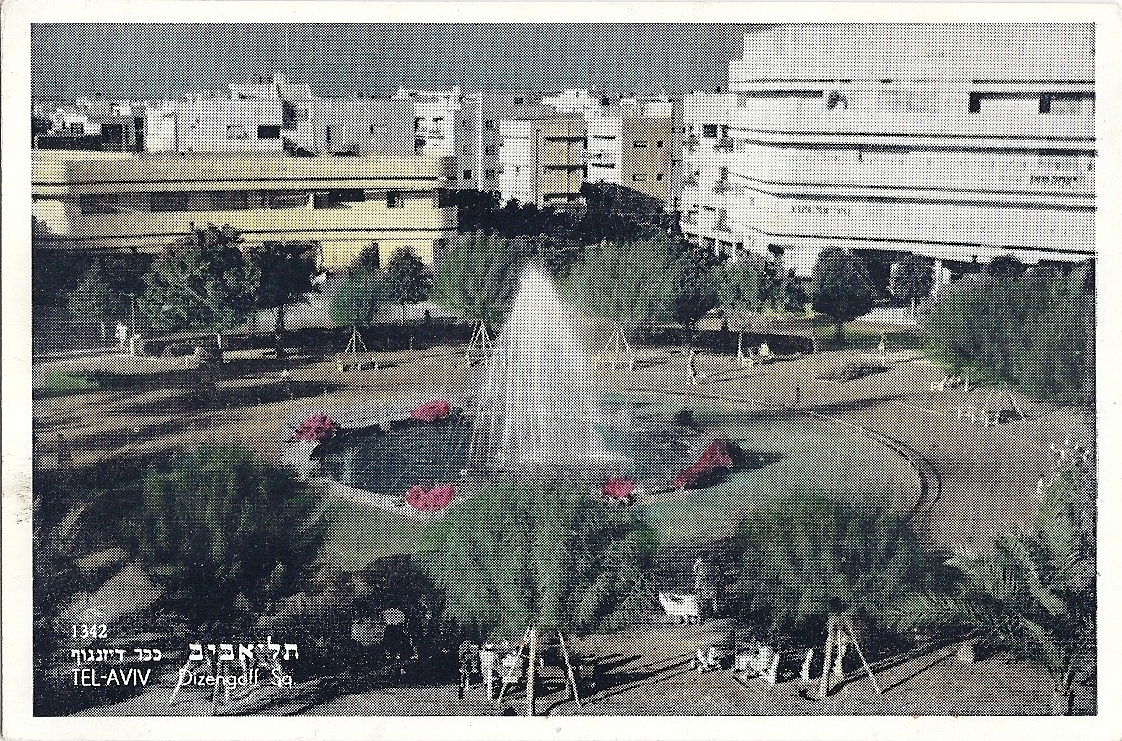
דברים מעניינים קורים עכשיו בתל אביב. לא רק בתל אביב כמובן, אבל המחאה הנוכחית לצדק חברתי התחילה שם, והמרכז עדיין שם. וזה די מגניב. כך שעל אף ירושלמיותי הגאה, החלטתי להקדיש רשומה אחת לתל אביב... טוב, וגם ממילא יש לי גלויה מתאימה (אולי לא של שדרות רוטשילד, שם יושב המאהל המרכזי, אבל כיכר דיזנגוף זה קרוב, נכון? בערך, לפחות? אוף, אין לי מושג).

There are interesting things happening in Tel Aviv at the moment. Not just in Tel Aviv, of course, but the recent social-justice protest started there, and is still centred there, and it's pretty cool. So despite being a proud Jerusalemian, I decided to dedicate one post to Tel Aviv... well, that, and I had a fitting postcard anyway (It might not feature Rothschild Boulevard, where the main tent city is located, but Dizengoff Square is nearby, right? At least sorta? Dang, I have no idea).

זו עוד אחת מהגלויות נטולות הטקסט, שבחרתי פשוט מפני שמשהו בהן מצא חן בעיניי. כאן מדובר היה בשני דברים בעיקר - הראשון הוא התמונה עצמה, עם כיכר דיזנגוף הישנה, ועם הצביעה ביד שנוספה על רקע שחור לבן, שנראית חביבה בהחלט.

This is another one of those blank postcards, that I picked up simply because I liked something about them. Here it was mainly two things - first was just the picture, with the old Dizengoff Square, and with the hand-colouring on top of the black-and-white, which is pretty neat-looking.

צד קדמי:
Front:


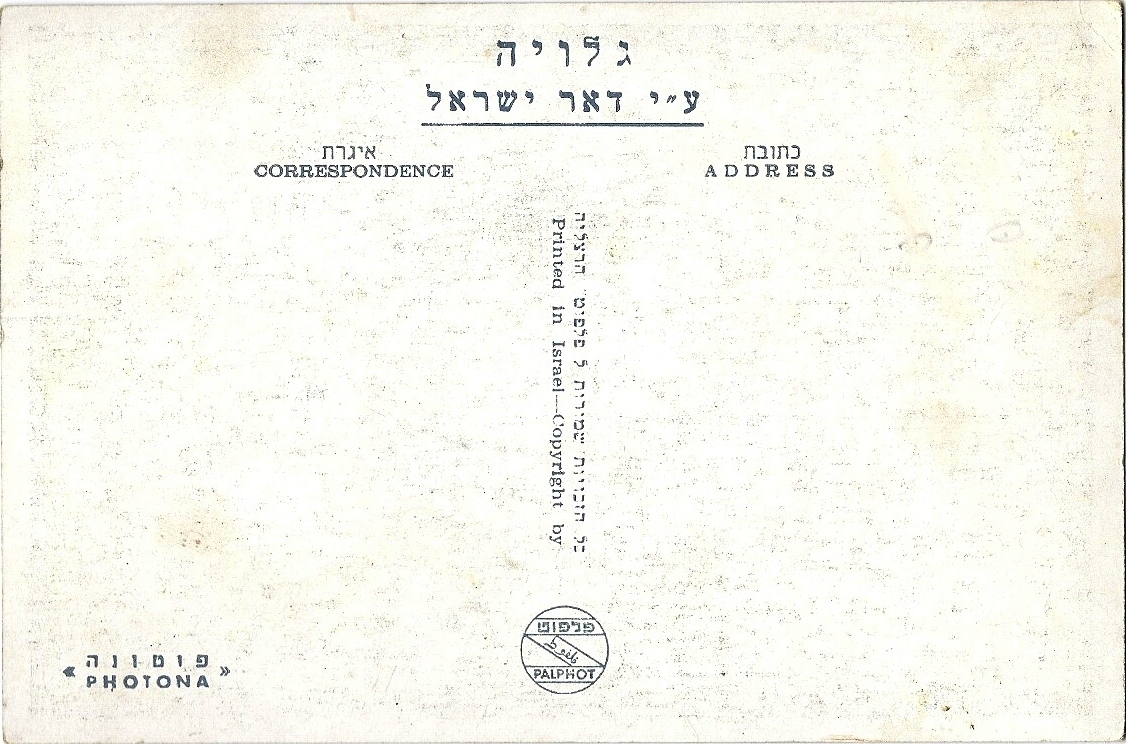
הדבר השני שסקרן אותי קצת בגלויה הוא בצד האחורי. פה ושם שמתי לב לגלויות ישנות - אלה תמיד גלויות ישנות - שבהן לכל אחד משני החצאים של הצד האחורי יש כותרת כדי להבהיר שכאן הכתובת וכאן המסר (או, במקרה של הגלויה הזו, ה'איגרת', מלה קצת ארכאית ומקסימה). זה סקרן אותי מפני שלמרות שהגלויות הן כאמור ישנות, הן בכל זאת נדפסו בתקופה שבה גלויות היו בסך הכל דבר נפוץ, וממש ממש לא חידוש (שאלתי את האינטרנט, ואנשים התחילו לשלוח גלויות כבר במחצית השנייה של המאה ה-19). אז למה צריך את הכותרות? זה לא אמור להיות עניין די ברור מאליו?
[מצד שני, לא כ"כ מזמן ראיתי בסטטיסטיקה שמישהו הגיע לבלוג בעקבות חיפוש של הצירוף 'איך לכתוב גלויה', אז לכו תדעו...]

And the second thing that made me curious about this postcard was on the back. Here and there I've noticed some old postcards - it's always old postcards - where each half of the back side has a title to make it clear that here you write the address and here the message (or, in the case of this postcard, the 'correspondence'; the Hebrew term has even more of a lovely archaic ring to it, being roughly the equivalent of the word 'epistle'). It made me curious because while the postcards are, as I said, old, they were still printed at a time when postcards were a pretty common thing, and really not a novelty at all (I asked the internet, and people have been sending postcards since the second half of the 19th century). So what are the titles for? Shouldn't this be fairly obvious?
[Then again, not long ago I saw on my statistics that someone got to the blog through searching 'how to write a postcard', so go figure...]

צד אחורי:
Back:


אין לי תשובה, למען האמת. זה סתם משהו שסקרן אותי. קונבנציה של אותה תקופה, יש להניח.

I have no answer for this, actually. It's just something I got curious about. A convention of the time, I suppose.

כשניסיתי לראות אם אני יכולה לתארך איכשהו את הגלויה, או לפחות את התמונה, נתקלתי בסופו של דבר בהודעה הזו בפורום אספנים בתפוז (כדאי אגב להציץ גם בהודעות אחרות בשרשור, יש שם תמונות נהדרות של תל אביב הישנה). כמו שאפשר לראות, הגלויה שמוצגת שם היא בעצם בדיוק אותה גלויה כמו שלי, כולל הכתובית בצד שמאל למטה, והמספר הסידורי שמופיע בה; עם זאת, כותב ההודעה מציין שהיצרן הוא 'פלפוט פלשתינה', ואצלי מדובר כבר על 'דאר ישראל', כך שיש כנראה הבדל בשנים.


While trying to see if I can somehow date this postcard, or at least the photo, I eventually ran into a post on a local collectors forum (Hebrew link, but you might still want to check out the posts on this thread for some lovely pictures of old Tel Aviv). As you can see, the postcard shown there is basically the same one as mine, down to the caption on the lower left side, and the serial number on it; however, the guy who wrote the post mentioned that the publisher was 'Palphot Palestine', and in my card it says 'Israel Post', so there seems to be a difference in the time period.

בכל אופן, החלטתי לפנות לאותו כותב, הדי אור, ולהתייעץ איתו. לשמחתי, מדובר לא רק באדם ידען להפליא בכל הנוגע לפריטי אספנות (בעיקר כאלה שקשורים לא"י של פעם), אלא שהוא גם שמח לעזור ולחלוק את הידע הזה. להלן התשובה הראשונה ששלח לי בעניין:

Anyway, I decided to turn to that person, Hadi Orr, and consult him about this. I was happy to find out that he is not only very knowledgeable about collectors' items (especially those related to old-time Israel), but he was also very happy to help and share his knowledge. Here's the first answer he sent me:
חברת פלפוט הוקמה באמצע שנות השלושים - אני חושב 1934 - והיתה בתחרות עם מספר חברות בארץ ישראל שהדפיסו גלויות
פלפוט גם יצרה ספרים לוחות שנה ועוד. מבחינה טכנולוגית למרות שהמתחרים עברו למכונות הדפסה צבע היא המשיכה עד סוף שנות החמישים להדפיס בשחור לבן ובחלק מהמקרים להכניס על הגלויות שחור לבן מה שנקרא לצבוע ביד
לא יודע בדיוק איך טכניקה הזו נעשתה אבל יש הרבה גלויות שכאלו ולטעמי הם יפיפיות
הגלויה הזו צריכה להיות מתחילת שנות החמישים עד אמצע שנות החמישים

Palphot [publication] company was established in the mid-30s - 1934, I think - and was in competition with a number of other companies in Israel that printed postcards.
Palphot also made books, calendars, and other things. Technologically, although their competitors moved to colour printing, they kept printing in black and white until the late 50s, and in some cases added on the black and white postcards what's called hand-colouring.
I don't know how exactly this technique was done, but there are plenty of postcards like that, and I think they're beautiful.
This postcard should be from the early- to mid-50s.
וגם אילו עצר כאן - דיינו. אבל הוא לא עצר כאן, ושלח לי עוד מידע בהמשך:

Even if he had stopped there, that would have been enough. But he hadn't, and sent more more information later on:
הסתכלתי בעיון על הגלויה שלך
ואני חושב שאני יודע איך עשו את הצביעה ביד
לקחו את בסיס הגלויה השחורה
ובאזור מסויים על נייר נפרד - כמו ניר פרגמנט אבל בטח זה היה פילם או צלולוייד - צבעו צבע אחד נניח ירוק את העצים ולקחו בסיס אחר ועליה צבעו צהוב שיכסה את הבית וכו
וכן היתה הדפסה שחור שזה הבסיס ואחרי חלק קטן של הירוק ואחרי זה חלק קטן של הצהוב
כלומר עשו הפרדת צבעים ידנית

I looked at your postcard carefully
and I think I know how they did the hand-colouring.
They took the black base of the postcard
and in a certain area on a separate piece of paper - like wax paper, but it was probably film or celluloid - they coloured in with one colour, say green for the trees, and then they took another base and on that coloured in yellow for the house and so on.
So there was a black print as the base, and then a small part with green and then a small part with yellow
So they did a manual colour separation.
ועוד:

And more:
בעיון מדוקדק נראה כי הצילום נראה שנות הארבעים ועל הבסיס שלו הדפיסו שוב באותם גלופות בשנות החמישים
וזה רק בהתלבטות ביני לבין עצמי
קשה להגיד

After careful perusal it appears that the photograph appears to be from the 40s and and on the base of that they printed again with the same moulds in the 50s.
This is just me debating with myself.
It's hard to say.

תודה מקרב לב למר הדי אור על שחלק את כל המידע הזה! אפשר לראות עוד דוגמאות מתוך האוספים שלו כאן, ואני חייבת לציין שלמרות שלי אישית אין את המוח המסודר שצריך כדי להיות אספן של ממש - אני סתם אוהבת דברים ישנים - אני באמת אסירת תודה על כך שיש אנשים כמוהו, שעוזרים לשמר פריטים היסטוריים מהזן בר-החלוף. כל החפצים היומיומיים הקטנים האלה אולי לא נכנסים לספרי ההיסטוריה, אבל הם כל כך חשובים, בעיניי, מפני שבזכותם אפשר לבנות את תמונת היומיום של התקופה, ולזכור איך נראו החיים האמיתיים של רוב האנשים.

Many thanks to Mr. Hadi Orr for sharing all this information! You can see some examples from his collections here (Hebrew, but lots of pictures), and I must say that while I don't have the kind of orderly mind that it takes to actually be a collector - I just like old stuff - I am very grateful that people like him that help preserve historical ephemera. Those little everyday items might not make it into the history books, but they are so important, I think, because through them you can build the picture of the everyday of an era, and to remember how real life looked like for most people.

והנה עוד משהו מגניב לסיום - סרטון קצר של תל אביב מסביבות שנות ה-40 (בצבע!), קצת מטושטש פה ושם ובכל זאת די מופלא. מכיוון שאני נורא ירושלמית, אני לא יכולה לזהות את כל המקומות שמופיעים שם, אבל אני מקווה שמישהו מבין קוראיי היושבים בלחות של השפלה יוכל לזהות אותם ולהנות.

And here's something cool to finish with - a short video of Tel Aviv from sometime around the 40s (in colour!), a bit blurry now and then but pretty great nonetheless. Being the Jerusalemite that I am, I don't know Tel Aviv very well, so can't recognise all the places seen there, but I'm hoping that some of my readers living over in that humid coastal plain will be able to recognise them, and enjoy it.

Wednesday, July 27, 2011

In Memory of Flight 402 - לזכר טיסה 402

I want to do something a little different, today. In this post, there are - as always - some fragments of a bigger story, but it this case, there isn't so much guessing about what the story is, because it is one that comes from my own family. It is the story of my grandfather, Sydney Chalmers, who was born in South Africa in 1921, served in the RAF in WWII, came to Israel as a volunteer shortly afterwards, met my future grandma in 1950, had my dad, and died on July 27th 1955, when the El Al plane on which he was the flight engineer was shot down over Bulgaria.
Nowadays he's buried in a mass grave with the rest of the victims in the Kiryat Shaul cemetery near Tel Aviv. We used to visit there every year; we don't, anymore.

קצת אחרת, היום. הרשומה הזו כוללת - כמו תמיד - כמה רסיסים מתוך סיפור גדול יותר, אבל הפעם אין כ"כ ניחושים על מה אולי היה הסיפור הזה, מפני שהוא מגיע מהמשפחה שלי. זה הסיפור של סבי, סידני צ'למרס, שנולד בדרום אפריקה, שירת בחיל האוויר הבריטי במלה"ע השנייה, הגיע לישראל עם המח"ל לא הרבה זמן אחר כך, פגש את מי שתהיה סבתא שלי ב-1950, הוליד את אבא שלי, ומת ב-27 ביולי 1955, כשמטוס אל-על שעליו שירת כמהנדס טיסה יורט מעל בולגריה.
כיום הוא קבור בקבר אחים עם שאר הנספים בבית הקברות קריית שאול שליד תל אביב. פעם היינו מבקרים שם כל שנה; עכשיו כבר לא.

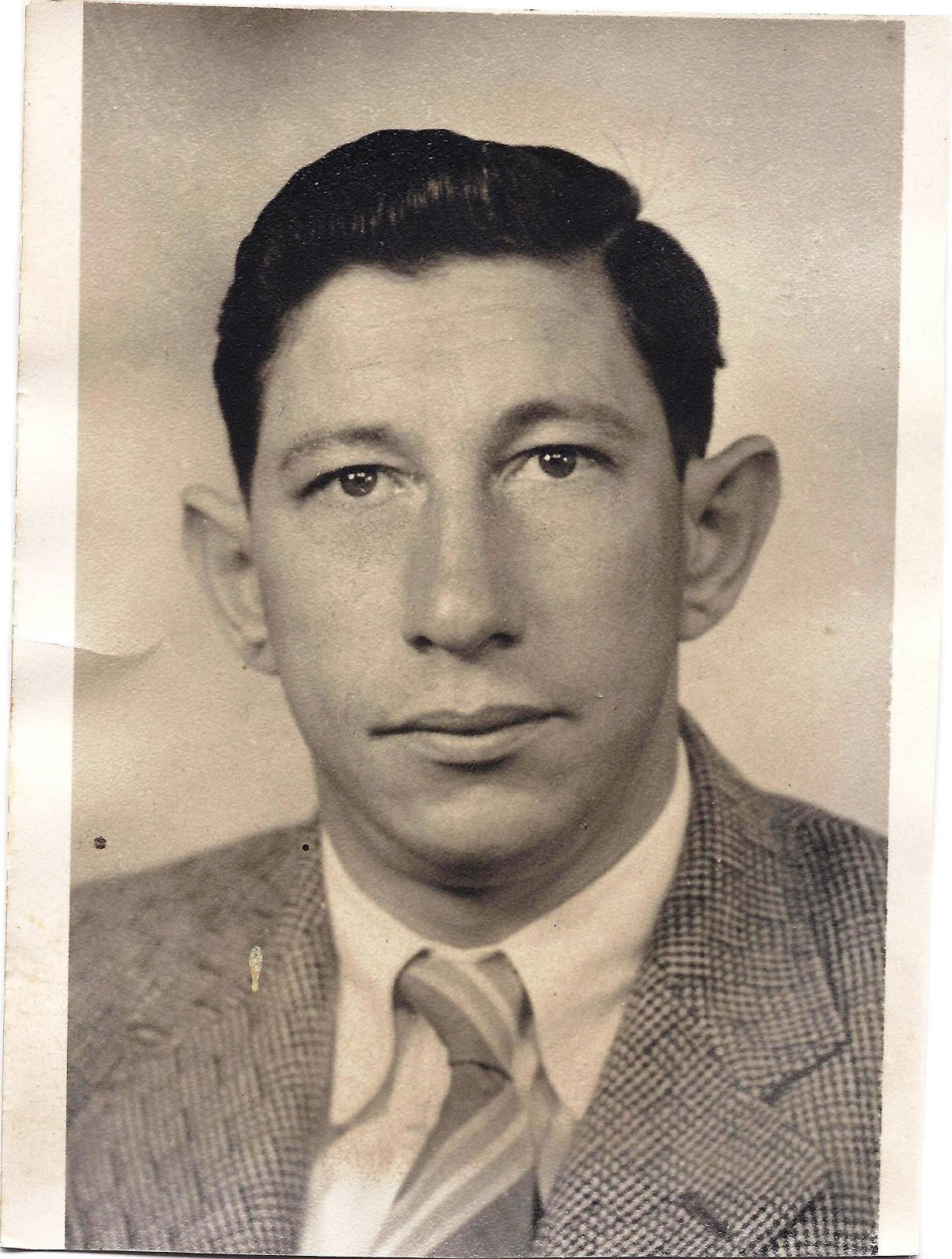
Anyway, we have a few remnants of grandpa Sydney, at home - mostly the regular things, like old photographs (a few videos, even). My dad looks a lot like him. Just... older, now. Natural, of course, but still feels strange.

בכל אופן, יש לנו כמה דברים של סבא סידני בבית - בעיקר דברים רגילים, כמו תמונות ישנות (אפילו כמה סרטים). אבא שלי ממש דומה לו. רק... כבר יותר מבוגר. מה שטבעי כמובן, אבל עדיין מרגיש קצת משונה.

Sydney Chalmers - 1921-1955 - סידני צ'למרס

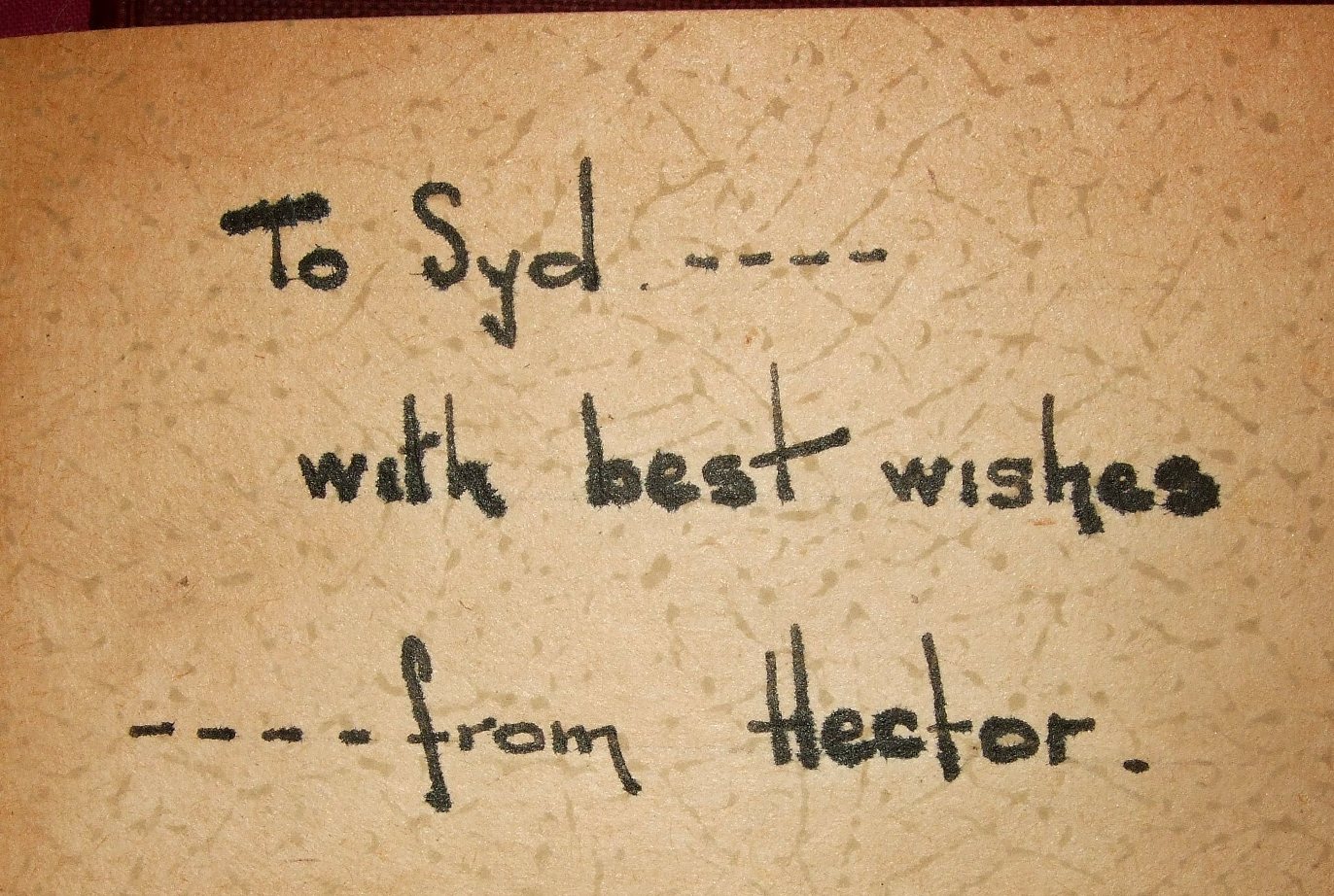
And then - getting to the heart of this post - we also have a few books with inscriptions written to him by friends. I don't know who these friends were; I guess I could ask my dad, or one of dad's older cousins who might remember a bit about them, but it doesn't really matter. I just like the window these books open to the life of the grandfather I never knew.

ויש לנו - וכאן אנחנו מגיעים אל לב הרשומה הזו - גם כמה ספרים עם הקדשות שכתבו לו חברים. אני לא יודעת מי היו החברים האלה; אני מניחה שאני יכולה לשאול את אבא שלי, או את אחד מבני הדודים היותר מבוגרים שלו, שעשויים אולי לזכור משהו לגביהם, אבל זה לא באמת משנה. אני פשוט אוהבת את החלון שהספרים האלה פותחים לחייו של הסבא שלא הכרתי.

[I would like to apologise in advance about the pictures below being even more crooked than usual - I took pictures with my camera because I didn't want to put the poor old books through the scanner.]

[אגב, אני רוצה להתנצל מראש על זה שהתמונות שלהלן עקומות אפילו יותר מבד"כ - צילמתי אותן עם המצלמה שלי כי לא רציתי להעביר את הספרים המסכנים בסורק.]

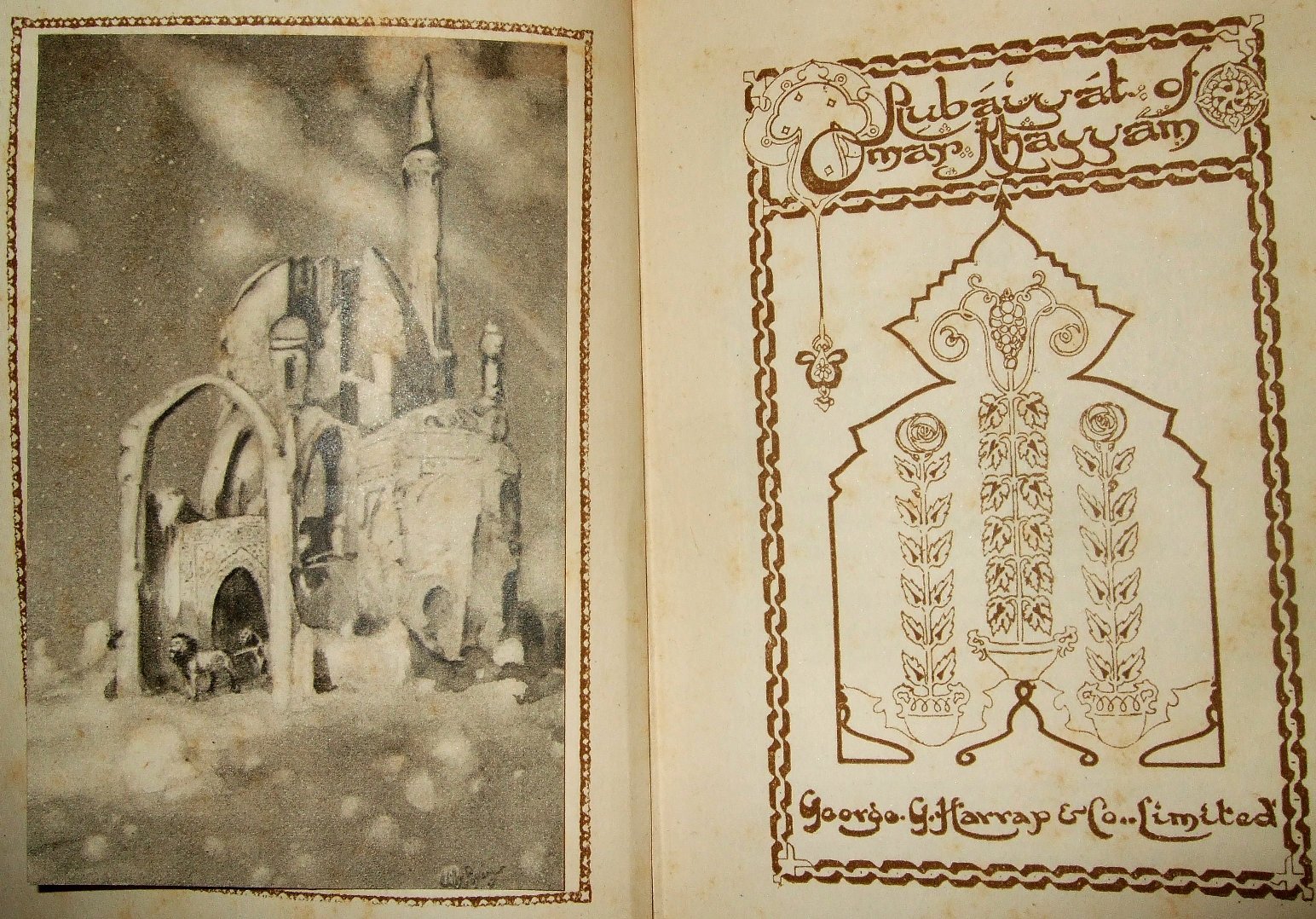
First, there are two books from a friend named Hector:

קודם כל, יש לנו שני ספרים מידיד בשם הקטור:

(1)


This is from this book:
מתוך הספר הזה:


A small book of the Rubaiyat of Omar Khayyam, in Fitzgerald's famous translation. That's a very nice title page, by the way.

קובץ קטן של ה'מרובעים' של עומָר ח'יאם, בתרגום המפורסם של פיצג'רלד. דף הכותרת חביב בהחלט, דרך אגב.

(2)


This is from this book:
מתוך הספר הזה:


Gibran's The Prophet, also with a nice title page.
Pretty fascinating, all in all - says something either about this Hector guy, or about Sydney, or about both. I have no idea what Grandpa Sydney's taste in books was like; I have no idea if Hector bought these two for him because he himself appreciated them and wanted his friend to read them as well, or because he knew that Sydney was interested in this sort of thing, or what.

'הנביא' של ג'בראן, גם הוא עם דף כותרת חביב.
זה די מרתק בסך הכל - אני חושבת שזה אומר משהו או על ההקטור הזה, או על סידני, או אולי על שניהם. אין לי מושג מה היה הטעם של סבא סידני בספרים; אין לי מושג אם הקטור קנה לו את שני הספרים האלה כי הוא עצמו העריך אותם, ורצה להכיר אותם לחבר, או מפני שהוא ידע שזה תחום שעניין את סידני, או מה.

But with all due respect to Gibran, Khayyam and Fitzgerald, and to their literary works, this is what I personally consider the best of the three, for several reasons:

אבל עם כל הכבוד לג'בראן, ח'יאם ופיצג'רלד וליצירותיהם הספרותיות, הנה הספר שאני אישית חושבת לטוב שבחבורה, מכמה סיבות:


First of all, because it was a birthday present for him, on the same year that he died. By the way, he was 34, Penny. Not that it matters now, so many years after that birthday, so many years after his death.

קודם כל, כי הוא קיבל אותו כמתנת יום הולדת, באותה שנה שבה נהרג. דרך אגב, פני, הוא היה בן 34. לא שזה משנה עכשיו, כל כך הרבה שנים אחרי יום ההולדת ההוא, כל כך הרבה שנים אחרי שמת.

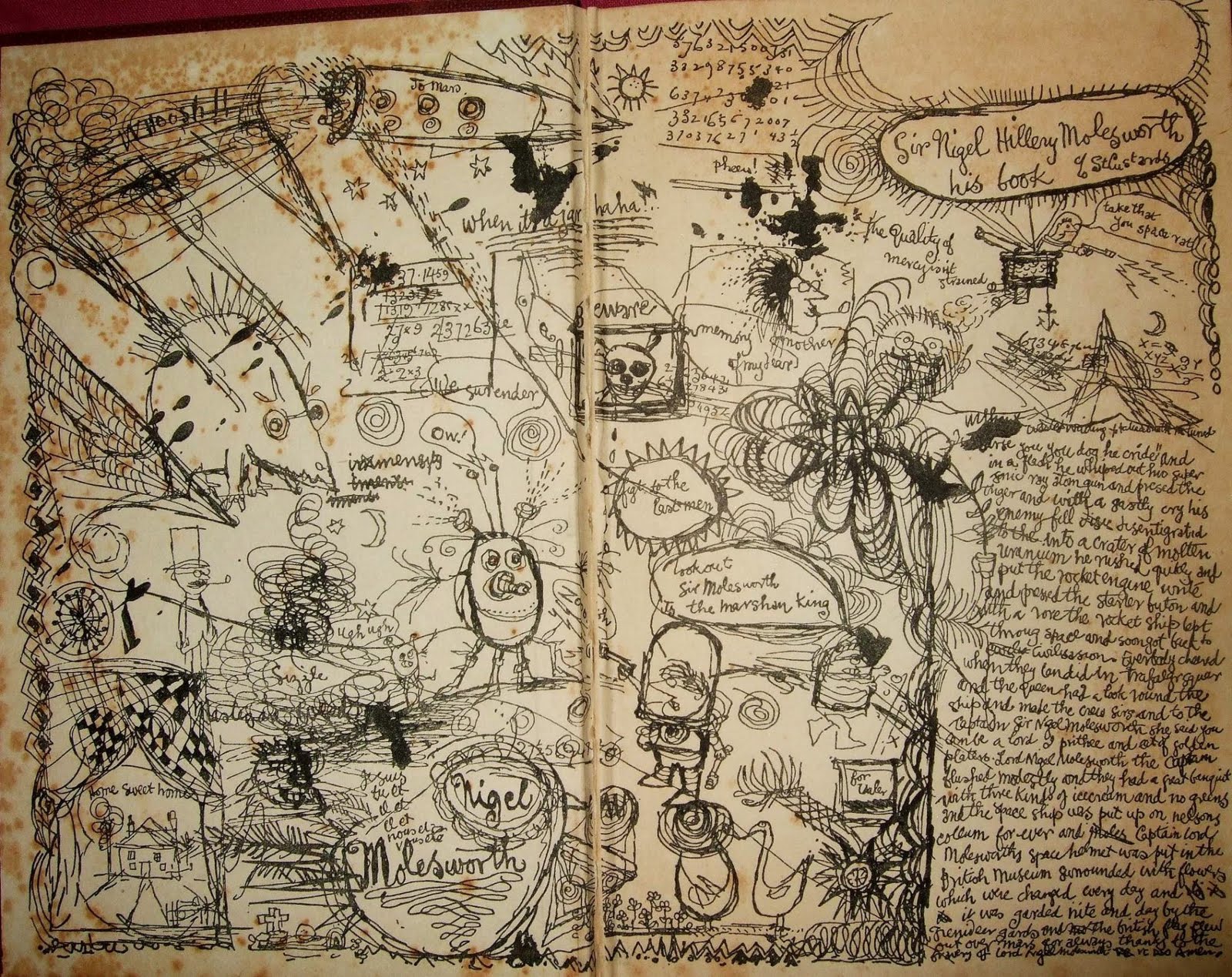
And in a bit of a mood whiplash, the second reason why this is my favourite is because of the book it's on - a book that I decided to read solely because of this dedication, and was thus happily introduced to one of the funniest things I ever read:

ובשינוי חד של האווירה, הסיבה השנייה שבגללה הספר הזה הוא האהוב עליי משלושתם היא בעצם הספר עצמו - ספר שהחלטתי לקרוא אך ורק בזכות ההקדשה, ולשמחתי כך למדתי להכיר את אחד הדברים הכי מצחיקים שקראתי אי פעם:

(Click to enlarge - קליק להגדלה)

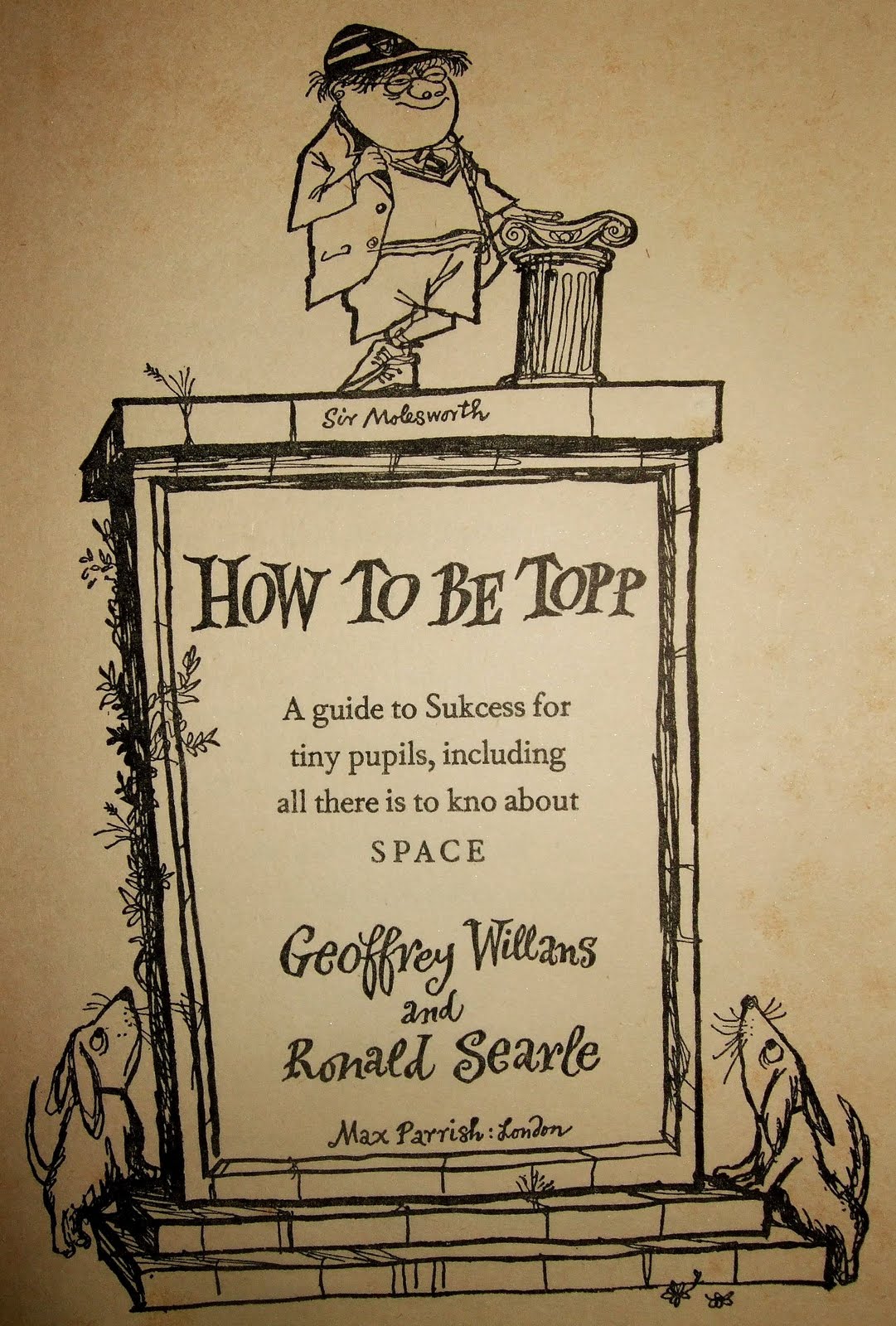
No wait, sorry, this is just the inside cover, right before the title page. But it does give you a bit of an idea of the awesome mayhem to come. Here's the title page:

רגע, סליחה, זו רק הכריכה הפנימית, ממש לפני עמוד הכותרת. אבל זה בהחלט נותן רמז מסוים על הבלגן המופלא שבדרך. הנה עמוד הכותרת:


Molesworth!
Most people reading this will have no idea what this is. Neither did I. I only looked it up (first on h2g2 - my go-to source of knowledge at the time, and still a wonderful one by the way - and only recently on Wikipedia as well) after I read and loved it. I think maybe the best way to explain Molesworth to modern readers is to ask you to imagine what if Calvin, from Calvin and Hobbes, was a British boarding-schoolboy in the 1950s. Minus the tiger unfortunately, but with a best friend - sorry, 'grate frend' - named Peason, and an annoying little brother nicknamed Molesworth 2, instead. Got it? Good. Now imagine he wrote a book.
It has the sort of atrocious spelling that some people like to blame on the internet; it has a great disdain to all things school-related, with horror stories of every class from Latin (yes, they still studied Latin in school back then) to English to cricket; it has wonderful flights of fancy, especially about spaceships and aliens; and, at least from my subjective perspective, it is incredibly, roaringly funny.

מולסוורת'!
רוב האנשים שקוראים את הרשומה הזו ככל הנראה לא יידעו במי מדובר. גם אני לא ידעתי. חיפשתי את הספר, (בהתחלה באתר h2g2 - שהיה מקור הידע הראשון שאליו פניתי בזמנו, והוא בעצם עדיין מקור נהדר - ורק לאחרונה גם בוויקיפדיה) רק אחרי שקראתי ואהבתי אותו. אני חושבת שאולי הדרך הטובה ביותר להסביר מהו מולסוורת' לקוראים מודרניים היא לבקש מכם לדמיין מה אם קלווין, מהקומיקס 'קלווין והובס', היה ילד בריטי בפנימיה בשנות החמישים. מינוס הטיגריס, למרבה הצער, אבל במקום זה עם חבר טוב - סליחה, 'חוור נֶמן' - בשם פיסון, ואח קטן ומעצבן המכונה מולסוורת' 2. יש? יופי. עכשיו תדמיינו שהוא כתב ספר.
יש שם כתיב מזעזע, מהסוג שאנשים אוהבים להשליך על 'דור האינטרנט'; יש שם בוז גדול לכל מה שקשור לבית הספר, עם סיפורי אימה על כל שיעור, מלטינית (כן, אז עוד למדו לטינית בבי"ס) דרך אנגלית ועד קריקט; יש שם מסעות על כנפי הדמיון, בעיקר על חלליות וחייזרים; ויש שם הומור מלוא הדלי, שאותי אישית פשוט הצחיק עד דמעות.

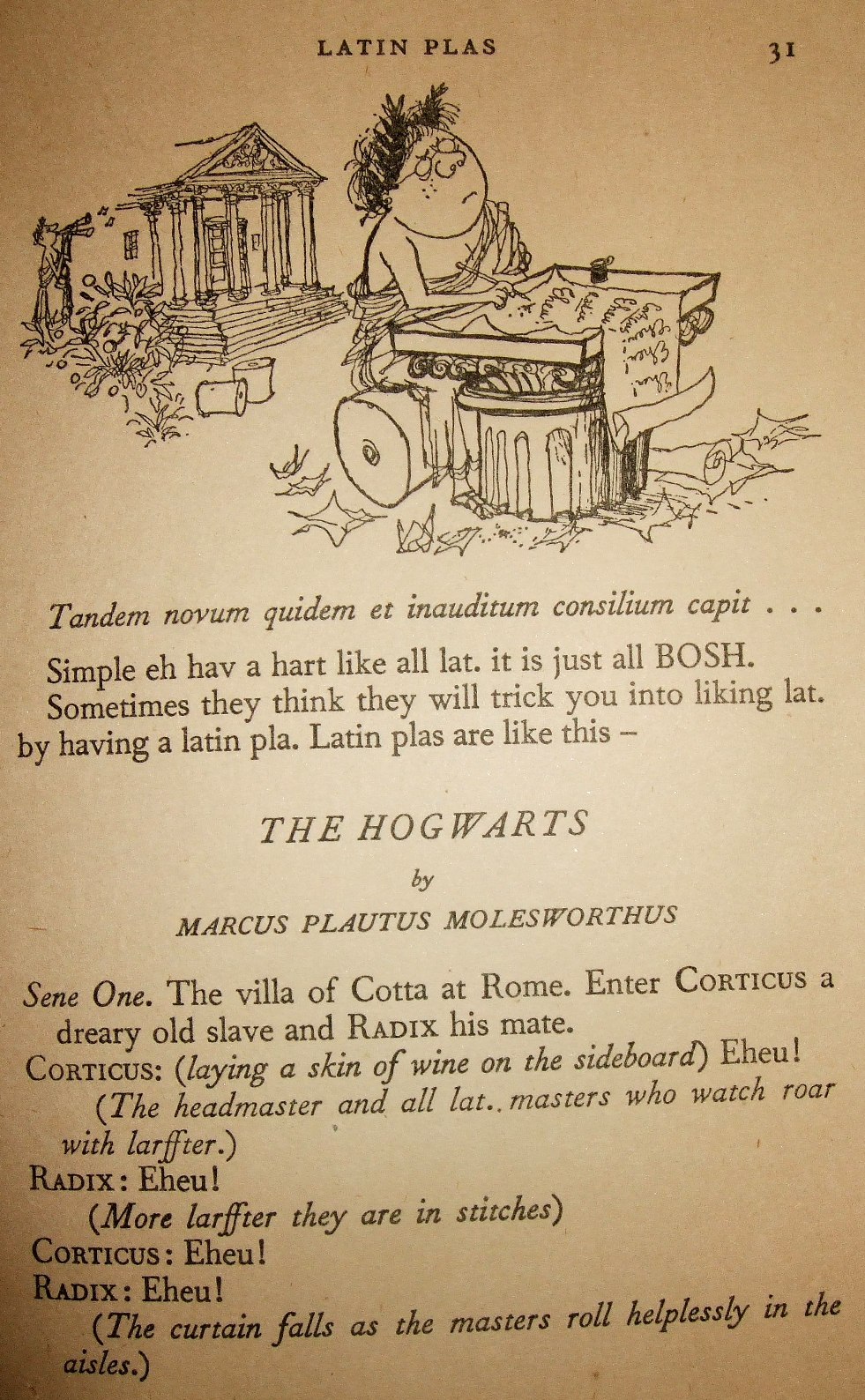
Here's one example of the text, which I would like to dedicate to everyone who saw 'British boarding-school' and thought of Harry Potter (and/or to anyone who happens to be studying Latin):
הנה דוגמית קטנה מהטקסט, שמוקדשת לכל מי שראה 'פנימיה בריטית' וישר חשב על הארי פוטר (ו/או לכל מי שבמקרה לומד לטינית):


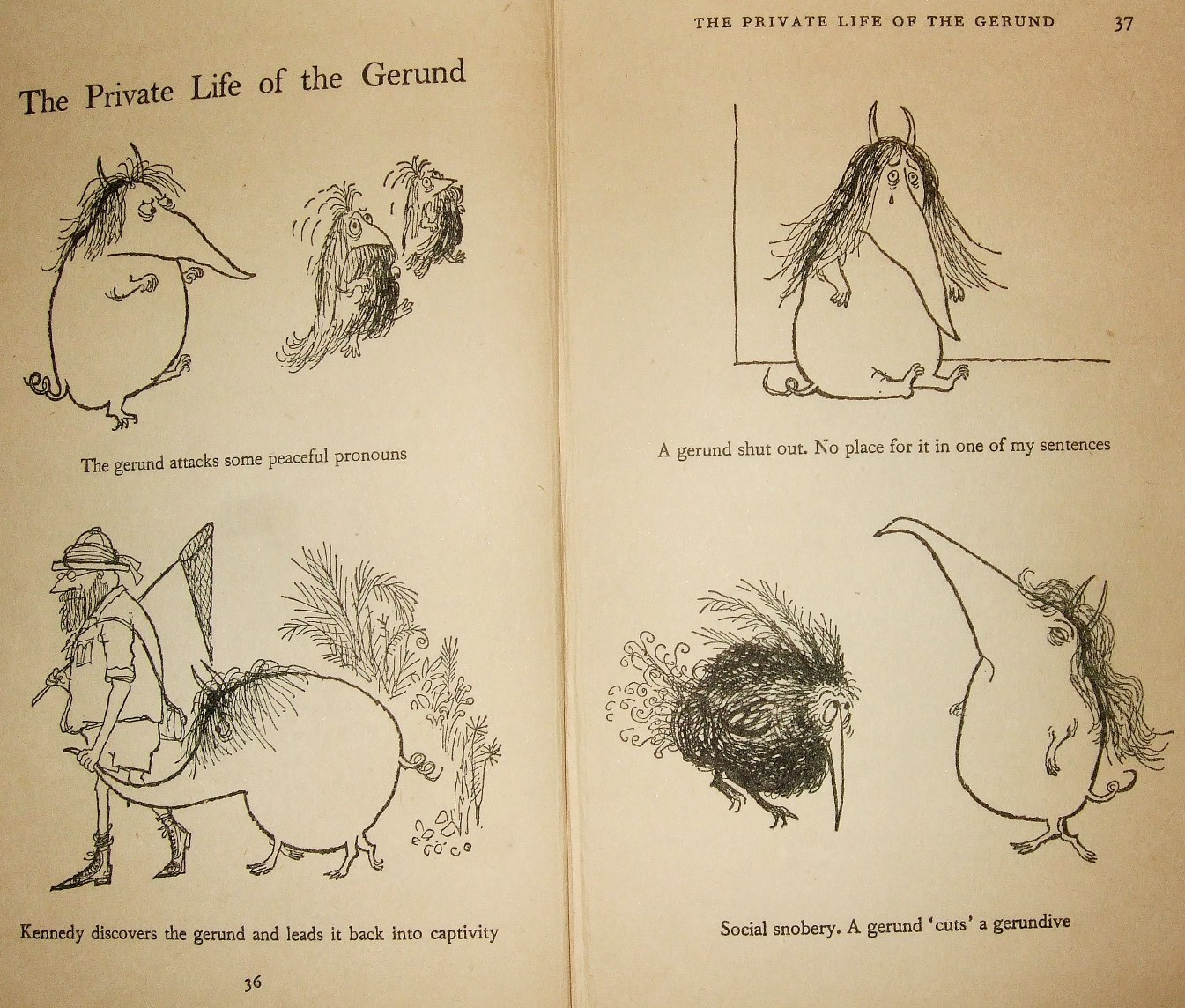
And one more example - this time more specifically of the illustration style (by the inimitable Ronald Searle, who also made the more famous British boarding-school series St. Trinian's, and did some work for the New Yorker), but also showing (again) how generally awesome this book is. And I dedicate this one to all my linguist friends:

ועוד דוגמית אחת - הפעם באופן יותר ספציפי כדוגמא לסגנון האיור (של רונלד סירל היחיד במינו, שגם יצר את סדרת הפנימיה-הבריטית הידועה קצת יותר 'סיינט טריניאן', וגם אייר בניו יורקר פה ושם), אבל גם כדי להראות (שוב) כמה שהספר הזה מעולה באופן כללי. מוקדש לידידיי הבלשנים:

"But what is a gerund, sir?"

It's wonderful (I am seriously restraining the urge to just scan or photo all of it, page after page).
I wonder if Grandpa Sydney liked it. I wonder if he even got to read it, or if maybe he put it aside for another time, which never came. Yeah, the mood whiplash again. I guess it's odd, going from talking about death to gushing about how hilarious this book is, and then right back to death, but what can you do? Life is full of odd contradictions like that.
Personally, even though I never met my grandfather, I'm happy to remember him this way - not just in pictures, not just in the occasional stories, but in these little things like the books his friends gave him. I'm happy that he introduced me, even in such a round-about way, to a book I enjoyed so much. And I'm happy to share this with all of you.

הוא נהדר (אני אשכרה מרסנת את עצמי שלא פשוט לסרוק או לצלם את כולו, עמוד אחר עמוד).
אני תוהה אם סבא סידני אהב אותו. אני תוהה אם בכלל יצא לו לקרוא אותו, או שאולי שם אותו בצד להזדמנות אחרת, שאף פעם לא הגיעה. כן, שוב שינוי חד באווירה. אני מניחה שזה קצת מוזר, לקפוץ ככה מאזכורי מוות להשתפכות על כמה שהספר הזה מבדר, ואז בחזרה למוות. אבל מה לעשות? בחיים יש המון סתירות מוזרות שכאלה.
אישית, אפילו שמעולם לא פגשתי את סבי, אני שמחה לזכור אותו כך - לא רק בתמונות, לא רק בסיפורים פה ושם, אלא גם בדברים הקטנים האלה, כמו הספרים שקיבל מידידיו. אני שמחה שהוא הכיר לי, ולו בצורה עקיפה שכזו, ספר שכל כך נהניתי ממנו. ואני שמחה לחלוק את זה עם כולכם.

Next time, back to the regular stuff. And by the way, if any Polish-speakers are reading this, I would love to talk to you for some help with a planned future post.

בפעם הבאה, בחזרה לשגרה. ודרך אגב, אם יש לי קוראים שיודעים פולנית, אשמח לדבר איתכם, אני צריכה קצת עזרה עם רשומה עתידית.


Felt like I need to do a quick update, having just found out that Ronald Searle - who illustrated the Molesworth books - passed away recently (30.12.2011), at age 91. Seems he was not just a wonderful illustrator but also led quite an interesting life. RIP, Mr. Searle.

הרגשתי צורך לעדכן בזריזות, כי גיליתי עכשיו שרונלד סירל - שאייר את ספרי מולסוורת' - נפטר לאחרונה (30.12.2011), בן 91. נראה שלא רק שהוא היה מאייר נהדר, גם היו לו חיים די מעניינים. יהא זכרו ברוך.