Hello readers! - !שלום, קוראים

What is this? Read the introduction - מה זה הדבר הזה? הסבר בהקדמה
Showing posts with label no further details. Show all posts

Thursday, July 17, 2014

The Orchard Show - הפרדס מופיע

Today, a short post, and a rescue mission (of sorts).

היום יהיה פוסט קצר, עם משימת חילוץ והצלה (בערך).

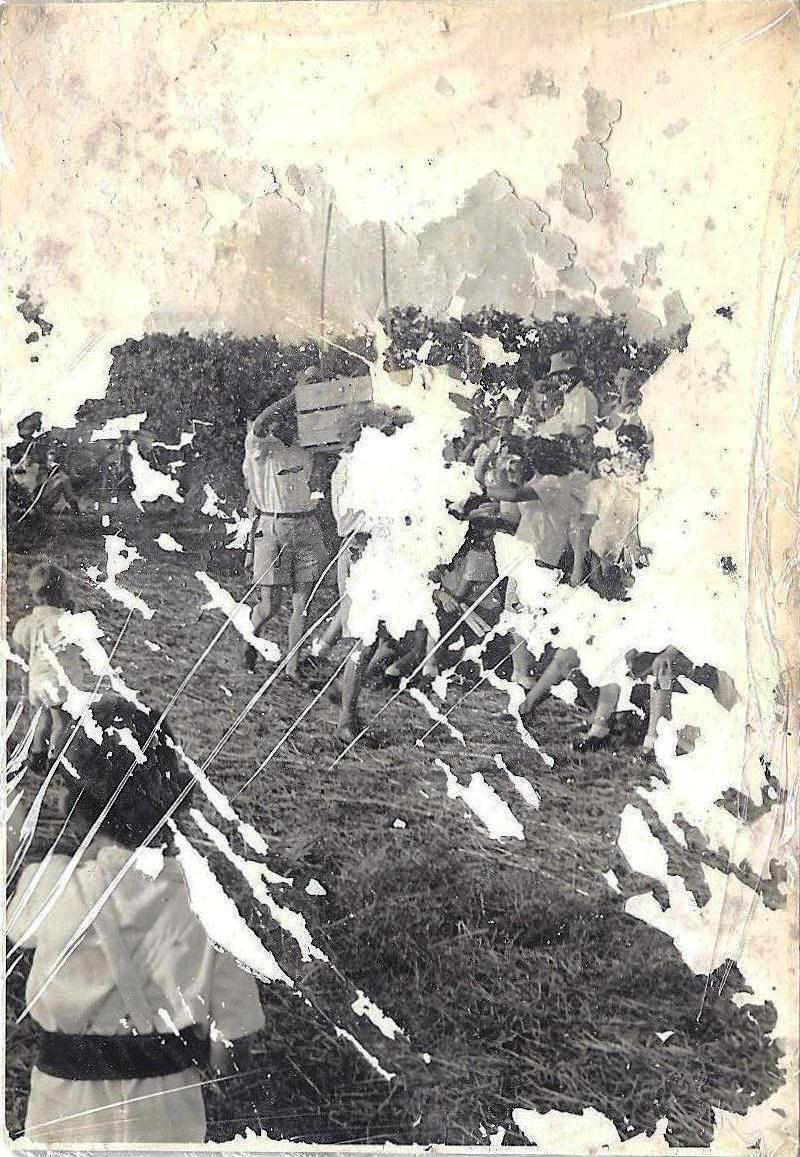
The reason I picked up this photo wasn't because of what's in it, or even what's on the back. It was because the picture was falling apart, flaking off - and I just couldn't leave it behind, where it might get completely destroyed. So I kept it carefully, and when I got home, well, I wish I had some fancy preservation techniques, but all I really could do is get some shrink-wrap around it, to (hopefully) stop the flaking. That's why the scan below has these weird lines on it, because it didn't stick straight and I didn't want to lift it and risk doing more damage. Not that there's much to see even without that:

הסיבה שאספתי את התצלום הזה לא הייתה בגלל משהו בתמונה, או אפילו בכיתוב מאחורה. לקחתי אותו פשוט כי התצלום עצמו היה על סף התפרקות והתפוררות - ולא יכולתי להשאיר אותו בשטח, כי אולי הוא ייהרס לגמרי. אז שמרתי אותו בזהירות, וכשהגעתי הביתה, נו, הלוואי שהיו לי טכניקות שימור משוכללות כלשהן, אבל אין לי, אז יכולתי רק לעטוף אותו בניילון נצמד בתקווה שזה יעצור את ההתפוררות. לכן יש את הקווים המוזרים האלה על התמונה הסרוקה שלמטה, כי זה נדבק לי עקום ולא רציתי להרים את הניילון מחשש שזה רק יגרום יותר נזק. לא שיש הרבה מה לראות, גם בלי הקווים:


Grass, trees, fancy white shirts, produce boxes; most likely, this is something like a Shavuot ceremony in a kibbutz or moshav. The two words on the back strengthen this impression.

דשא, עצים, חולצות לבנות חגיגיות, תיבות של תוצרת חקלאית; סביר להניח שמדובר על טקס שבועות בקיבוץ או במושב. שתי המלים שבצד האחורי מחזקות את הרושם הזה.


'The Orchard Show' - with 'orchard' here meaning specifically a citrus (especially orange) orchard, which are somewhat of a local pride (or at least used to be, before we sold the rights on the name to Spain). Anyway, that also brings to mind a Shavuot ceremony, celebrating the various agricultural products of the kibbutz/moshav. They would have the orchard part of the show, and something like wheat fields or tomatoes or dairy farming, or whatever else they had there, and they would have tractors on parade, all cleaned up and decked with hay and flowers, and maybe the kids (wearing white, and also decked with flowers) could get tractor rides.

'הפרדס מופיע' - וישר חושבים על הגאווה הישראלית של פרדסי תפוזים (לפחות לפני שמכרנו את הזכויות על השם 'ג'אפה' לספרד), וגם על טקסי שבועות ועל חגיגות ענפי המשק השונים בקיבוץ/מושב. אז בטח הייתה ההופעה של הפרדס, ומשהו של, נניח, שדות החיטה או העגבניות או הרפת, או מה שלא גידלו שם, ומצעד הטרקטורים, יפים ונקיים ומקושטים בחציר ופרחים, ואולי הילדים (בחולצות לבנות וזרי פרחים כמובן) יוכלו לנסוע על טרקטור.

I remember a few ceremonies like that, at the moshav where my dad grew up, when I was a kid. I suppose they're still happening, but I wonder if the atmosphere around them is the same, even for the kids. Things change. Children grow up. Agricultural areas, such as orchards, become built over. Communal settlements become more privatised, for better (the communal 'children houses', where kids were raised together away from their parents, were apparently quite traumatising for many people, and are generally considered a failed experiment) or for worse (loss of solidarity and a communal spirit and so on).
Some things fall apart, like this picture.

אני זוכרת כמה טקסים כאלה, במושב של אבא, כשהייתי ילדה. בטח עדיין יש טקסי שבועות, אבל אני תוהה אם האווירה נשארה אותו הדבר, אפילו לילדים. דברים משתנים. ילדים גדלים. שטחים חקלאיים כמו פרדסים הופכים לשטח בנוי. יישובים שיתופיים הופכים לפרטיים יותר, לטוב (נראה לי שבתי הילדים כבר מזמן הוכרזו רשמית כניסוי כושל עתיר-טראומות) ולרע (אובדן הסולידריות והערבות ההדדית וכו').
ויש דברים שמתפרקים, כמו התצלום הזה.

I don't know where or when it's from, or who these people are, or much else (tried to google the phrase, but nothing relevant came up). But I still like this image, and I did the best I could to keep it intact, at least for a little longer.

אני לא יודעת מאיפה או ממתי הוא, או מי האנשים האלה, או הרבה פרטים אחרים (נסיון לגגל את הצירוף לא מעלה שום דבר רלוונטי). אבל אני בכל זאת אוהבת את התמונה, ועשיתי מה שיכלתי כדי לשמור עליה שלא תתפרק, לפחות בזמן הקרוב.

And while we're on a sad note, this recent post at the blog Forgotten Bookmarks (I can't remember at the moment who sent me the link to this lovely blog, where the owner of a used book store posts various items he finds inside books - Yuval, was it you? - but anyway, thanks for it) has a little story found in a newspaper clipping, which is sad and beautiful and makes me think of the sort of thing I do here, too. It's a good read, and a good blog.

ואם כבר אנחנו מתעצבים, באחת הרשומות האחרונות בבלוג Forgotten Bookmarks (אני לא זוכרת כרגע מי שלח לי את הקישור לבלוג המקסים הזה, שבו בעל חנות ספרים משומשים מעלה רשומות על כל מיני פריטים שהוא מוצא בתוך ספרים - יובל, אולי אתה? - אבל תודה בכל אופן) יש סיפור קטן מתוך גזיר עיתון, והוא יפה ועצוב והוא מזכיר לי את סוג הדברים שגם אני עושה כאן. שווה לקרוא, ושווה להכיר את הבלוג הזה.

And that's all for now. Obligatory Facebook page reminder, for those who like Facebook things: It's here. See you next time!

וזה הכל לעת עתה. להלן התזכורת ההכרחית לעמוד הפייסבוק, למי שבקטע של פייסבוק: הוא כאן. להתראות ברשומה הבאה!

Wednesday, January 23, 2013

Election Special - ספיישל בחירות

הבטחתי פוסט מיוחד לבחירות, ונראה שאפילו אצליח לקיים. יש גלויה אחת, חביבה, שבערך מאז שמצאתי אותה תכננתי להעלות אותה אחרי הבחירות (מסיבות שתכף תראו בעצמכם), ויש גם בונוס קטן בסוף. קדימה לגלויה:

I promised a special post for the election, and looks like I'm actually going to keep that promise. There's one neat postcard that I've been planning, pretty much ever since I found it, to post after the election (for reasons that will soon be obvious), and there's also a little bonus at the end. To the postcard at hand:
צד קדמי:
Front:


זו תמונה די מוצלחת (אני חושבת שיש לי קטע עם תמונות שבהן צופים במושא התמונה דרך דלת או חלון - יש משהו בקומפוזיציה כזו שממש מוצא חן בעיניי), וכפי שמוסבר בצד האחורי של הגלויה, רואים בה את קתדרלת גרוסמונסטר בציריך דרך השער של כנסיית פראומונסטר (או, כפי שהוא נקרא שם, ה-Fraumünsterportal, מה שקצת גורם לי לחשוב על גברות-מפלצת בין-ממדיות, אבל נו, אני מוזרה). בכל אופן, כן כן, תמונה מוצלחת, אבל לא לשם כך נתכנסנו. נתכנסנו בשביל המסר בצד האחורי.

That's a very nice picture (I think I have a thing about pictures where the main object is viewed through a door or window - there's just something I really like about that sort of composition), and as the details on the back point out, it is a view of the Grossmünster church in Zurich, as seen from the gate of Fraumünster Abbey (or, as they call it, Fraumünsterportal, which kinda makes me think of interdimensional monster ladies, but, well, I'm weird). Anyway, yes yes, very nice, but it's not really what we're here for. We're here for the message on the back.

צד אחורי:
Back:


18.5.77
הילו, הילו,
הגעתי בשלום ועדיין מזועזע לגמרי מתוצאות הבחירות. א"י השלמה והכפייה הדתית ישתוללו כעת וסיכויי המלחמה גדֵלים.
מחר כאן חג והיום "עֵרב חג", מה שלא ידעתי, והכל נסגר ב-4. אך את רוב הדברים הספקתי.
מחר אני ממשיך לפריז, בה לא הייתי המון שנים. ציריך לא השתנתה, פרט למחירים. ד"ש לשמעון ופולט, מהם לא הספקתי להפרד.
[אני לא מצליחה לקרוא את שתי המלים האחרונות]
18.5.77
Hello, hello,
I made it safe and sound, and still reeling from the election results. Greater Israel and religious oppression will now go wild, and the probability of war is growing.
Tomorrow is a holiday here, and today is the 'holiday eve', which I was not aware of, and everything closes at 4. But I got most things done in time.
Tomorrow I'll be heading on to Paris, where I haven't been for ages. Zurich hasn't changed, except for the prices. Say hello from me to Shimon and Paulette, I never got the chance to tell them goodbye.
[I can't read the last two words]

כל כך דרמטי!
כפי שיהיה ברור לרובם ככולם של הקוראים הישראלים, אולי אפילו בלי להציץ בתאריך, מדובר כאן על המהפך של בחירות 1977, שאכן היה זעזוע די קשה להרבה אנשים אז, כפי שסיפרו לי מכרים שחיו באותו זמן. אגב, אני חושבת שבשלב זה כדאי לציין שאני כותבת את הפוסט לפני תום הבחירות הנוכחיות (ומתזמנת כך שיעלה רק ברביעי בבוקר), ואני לא יודעת מה יהיו התוצאות, אבל בכל אופן, סביר להניח שלא יקרה בהן זעזוע של ממש - ובוודאי שלא בסדר הגודל של 1977.

So dramatic!
This will probably be very clear to my Israeli readers, but for those who don't understand what this guy is so upset about, the date indicates the 1977 election, when the right wing took over after decades as the opposition party (Wikipedia insists on translating that as 'revolution', which is a rather terrible translation - something around the lines of 'overturning' would be more accurate - but I don't think I'll go fix it for fear of falling into some political edit war or something). It was a big shock for many people, as I was told by some folks I know who were alive back then. By the way, this is probably a good point to mention that I'm writing this post before the current election has ended (and queuing it to be posted Wednesday morning), so don't know what the results will be, but they're not likely to be shocking - not on this scale, anyway.

האם הדאגות של כותב הגלויה היו מוצדקות? קשה לי לומר, ואני גם רוצה לנסות להשאיר את המקום הזה נייטרלי ככל הניתן, ולפיכך רק אציין (אם כי מבחינת הקוראים הישראלים אני ככל הנראה מציינת את המובן מאליו) שהממשלה של מנחם בגין היתה זו שחתמה על הסכם השלום עם מצרים ב-1979, וגם זו שיצאה למלחמת לבנון ב-1982. ואם מפלגה אחרת היתה בשלטון, האם היה קורה משהו אחר? והאם זה היה לטובה או לרעה? אלה שאלות 'מה היה קורה אילו' מורכבות למדי, ואני לא יכולה לענות עליהן (ולא רוצה לנסות אפילו), ולמעשה אני לא יודעת אם בכלל אפשר לענות עליהן. בכל אופן, כפי שאמרתי, בלי קשר לדעות שלי-עצמי, אני משתדלת להשאיר את המקום הזה נייטרלי. כי כל העניין כאן הוא הגלויות הישנות.

So, was our writer right to be worried? I can't really say, and want to try and keep this place as neutral as possible. I'll just mention that Menachem Begin's government was the one who signed the peace treaty with Egypt in 1979, as well as the one that went into the Lebanon War in 1982. And under another government, would things have gone differently? And would it have been better or worse? These are fairly complex What-If questions, and I can't answer them (and don't want to even try), and in fact I doubt anyone can answer them for sure. And like I said, regardless of my own views, I want to try to keep this place neutral. Because this is all about the old postcards.

אז הבה נעבור לשאר מה שמסופר בגלויה. החג שהוא מדבר עליו הוא חג עלייתו של ישו לשמים, כפי שאפשר לראות כאן. ואיך היתה ציריך באותה תקופה? אין לי מושג. בערך שלה בוויקיפדיה האנגלית, החלק של 'היסטוריה מודרנית' מתייחס בעיקר למאה ה-19 (הערך בעברית מצומצם עוד יותר). כשניסיתי סתם חיפוש גוגל על 'ציריך ב-1977' מצאתי בעיקר אזכורים של הופעה של להקת ג'נסיס (אם אתם בקטע של פרוג רוק, אפשר לשמוע אותו כאן, אלא אם כן כמובן יוטיוב יחליטו להוריד אותו מתישהו) ומועדון כדורגל מקומי שעלה לחצי גמר אליפות אירופה (אם אתם בקטע של ספורט, הנה, מצאתי סרטון גם בשבילכם). וחוץ מזה לא נתקלתי במשהו מעניין במיוחד. כנראה שגם כותב הגלויה לא.

So let us go back to the rest of what the postcard says. The holiday mentioned is apparently the Ascension, as can be seen here. And what was Zurich like back then? No idea. In the Wikipedia article, the section on 'modern history' is mostly about the 19th century. Just trying to search for 'Zurich in 1977' on Google mostly finds me mentions of a Genesis concert (if you're into prog rock, here it is, unless YouTube takes it down at some point of course) and a local football club that got into the UEFA semi-finals (if you're into sports, here, there's a video for you too). Other than that, I didn't really see anything very interesting. I guess neither did the writer.

מה לגבי הנמענת? ניסיתי קצת לחפש, ומצאתי בגוגל כל מיני שולמית ברגר-יות, כולל אחת שהיא לא אופציה סבירה במיוחד אבל יש לה תפקיד מגניב: אוצרת האוספים המיוחדים בספריית ישיבה יוניברסיטי בניו יורק. למרבה הצער, האופציה הכי סבירה והכי עדכנית שמצאתי היא שולמית ברגר ז"ל, שמופיעה בשתי רשומות בענייני ירושה מ-2010. ולמה היא הכי סבירה? תסתכלו על הרשומה השנייה: שם המבקשת הוא פולט גורן. ופולט הוא לא שם נפוץ במיוחד, אז מיד חשבתי על שמעון ופולט, מהגלויה (חיפוש נוסף גם העלה שאכן יש שמעון ופולט גורן שגרים או התגוררו ברמת גן). זה לא הרבה, אבל זה משהו.
אגב, כשחיפשתי את פולט גורן גיליתי שהיא כתבה ספר - או ליתר דיוק, היא רשומה כמחברת של הספר הזה, שהוא אסופה של ציורים ורישומים שלה. למי שמתעניין אבל אין לו גישה לספר, מצאתי גם גלריה מקוונת. איזה יופי. אני לומדת כל מיני דברים מעניינים, מתוך החיפושים האלה.

What about the person this was sent to - Shulamit Berger? I tried doing some Google searches, and came up with a few Shulamit Bergers, including one which is not a likely option but has a cool job: Curator of Special Collections at the Yeshiva University library in New York. Unfortunately, the most likely and most recent option I saw was a late Shulamit Berger, who is mentioned in two records [Hebrew links] about inheritance matters from 2010. Why is this the most likely option? In the second record I linked to, the applicant is listed as Paulette Goren. And Paulette is not an especially common name, and it made me think about Shimon and Paulette from the postcard (another search found a Shimon and Paulette Goren who live, or used to live, in Ramat Gan). It isn't much, but it's something.
By the way, when I tried searching for Paulette Goren I found out she wrote a book - or rather, she is listed as the author of this book, which is a collection of her paintings and sketches. For those who might be interested but can't get the book, I also found an online gallery. How lovely. I learn all sorts of neat things, through these searches.

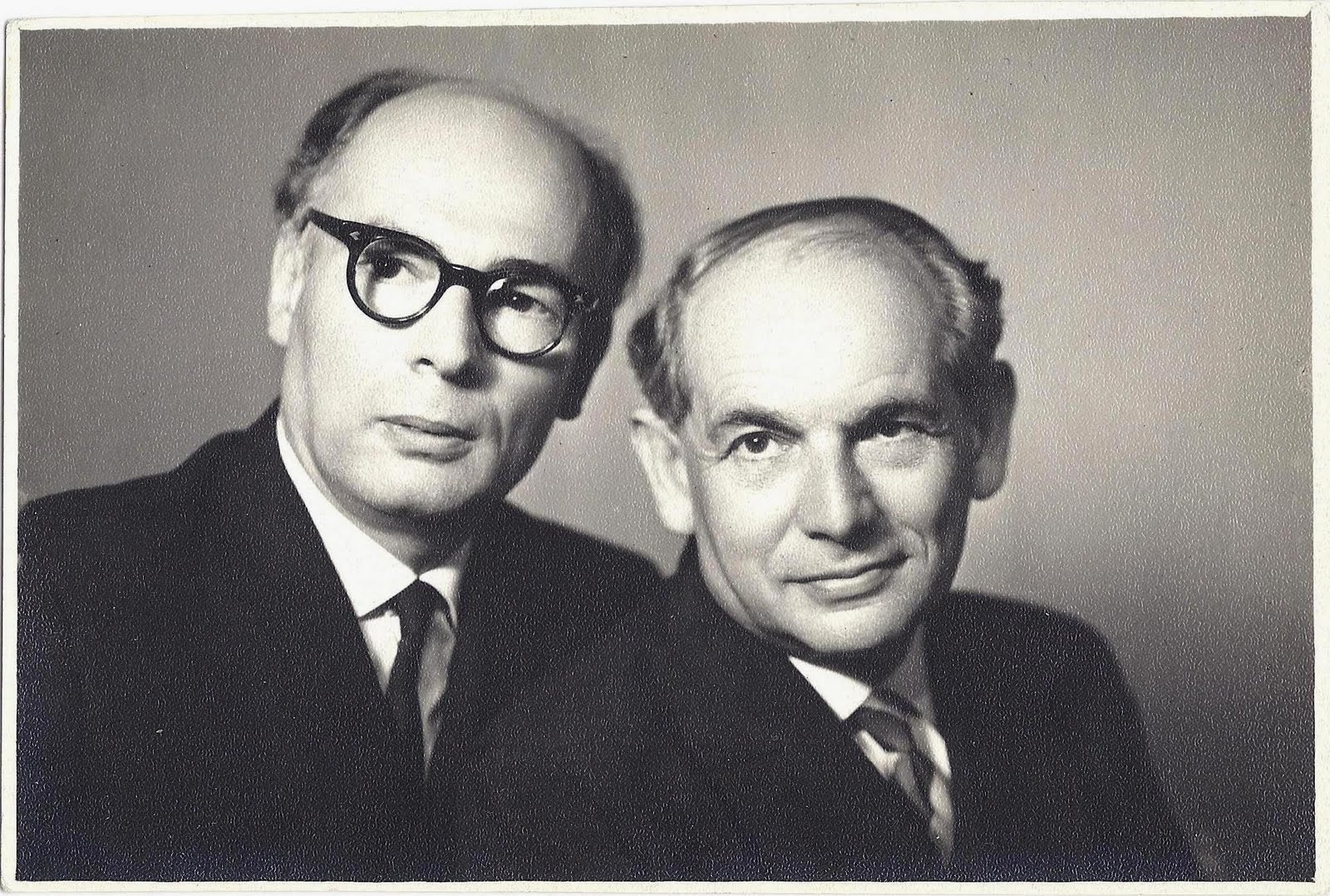
ואחרון חביב, הבונוס הקטן שצוין לעיל, וגם הוא קצת קשור לבחירות, אם כי די בעקיפין. בזמנו, כשהעליתי את סדרת האנונימים שלי, זו היתה אחת התמונות שחשבתי לכלול שם (אבל אז קצת נמאס לי והפסקתי את הסדרה). שני גברים, בתמונת שחור-לבן לא רעה:

And lastly, the little bonus I mentioned, which is also kinda election-related, although a bit less directly. Back when I was doing my anonym series, this was one of the photos I was going to use (but then I got a bit tired of doing the series and stopped it). Just two guys, in a rather nice black and white photo:


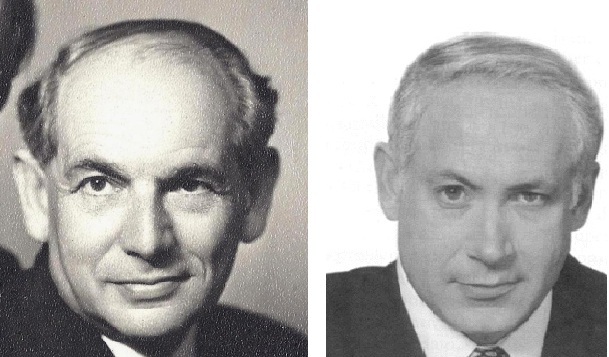
אין לי שום מידע עליהם - אין שמות, אין ארץ, אין תאריך. אבל משהו בתמונה הזו נראה לי קצת מוכר, וגרם לי לחשוב על פוליטיקאים. אולי הממושקף בצד שמאל הזכיר לי את בגין? המשקפיים שלו קצת דומים, אבל זה רחב מדי, ולא מספיק. זה לא זה. העניין הציק לי במשך זמן מה, עד שבסוף עליתי על זה:

Can't really know anything about them - no names, no nationalities, no date. But something about this photo seemed sorta familiar, and made me keep thinking about politicians. I couldn't figure it out, at first. Was the bespectacled guy on the left reminding me of Begin? Well, the glasses are sorta similar, but that's too wide, and really not enough. Can't be it. It was bugging me for a while, until finally I figured it out:


נכון? נכון?! זה ממש אותו פרצוף!
אני מקווה שזה משעשע אתכם כפי שזה משעשע אותי.
ובזאת נשלם ספיישל הבחירות הקטן שלי. עד הפעם הבאה (מתי שלא תהיה) - תישארו אופטימיים, אופטימיות זה חשוב.

Right? Right?! Practically the same face!
Hope you're as amused by that as I am.
And this concludes my little election special. Till next time (whenever that ends up being) - stay optimistic, optimism is important.

Saturday, January 19, 2013

Brother Kapp - האח קאפ

The nice thing about antique stores in the US is that you can find there postcards and photos which are really old and really cool (not that I can't find any in Israel, and this for example is one I like a lot, but usually it's rather hard to find postcards from before the sixties or so, while in the States I've seen a whole lot which dated to the start of the century). So unsurprisingly, in my latest Stateside visit I made sure to go through several good antique stores, and hunt for all sorts of postcards and photos - and I think this gentleman might be my favourite find.

מה שנחמד בחנויות עתיקות בארה"ב זה שאפשר למצוא בהן גלויות ותמונות ישנות ממש ומגניבות (לא שבארץ אין בכלל, זו למשל דוגמא שאני מאוד אוהבת, אבל בדרך כלל לא מוצאים גלויות מלפני שנות השישים בערך, ובארה"ב כבר ראיתי המון שהן מתחילת המאה ממש). אז כמובן שגם בביקור האחרון שלי דאגתי לעבור בכמה חנויות עתיקות מוצלחות, ולדוג כל מיני גלויות ותמונות - ואני חושבת שהאדון הזה הוא המציאה החביבה עליי.

I mean, just look at him. You do not mess with this guy.

באמת, תסתכלו עליו. זה בן אדם שלא מתעסקים איתו.


Not saying he isn't a polite, affable man, but he just demands respect. Everything from the way he stands, through the polished bald head proudly on display, to that awe-inspiring moustache - Brother Kapp just exudes a sort of powerful respectability. I absolutely love this picture.

אני לא אומרת שהוא לא אדם מנומס וחביב, אבל הוא פשוט מישהו שחייבים לכבד. בכל פרט - מהיציבה שלו, דרך הקרחת המבהיקה המוצגת לראווה, ועד לשפם האימתני - האח קאפ משדר שילוב של מהוגנות ועוצמה. זו פשוט תמונה נהדרת בעיניי.

Ah, but why 'Brother Kapp'? Well, the 'brother' part is simple - if you click to magnify the picture you will see a lapel pin with such a distinct shape that even in this old blurry picture I could recognise the square-and-compass emblem of the Freemason fraternity. Unfortunately I have no way to identify any of the other pins (somebody get me a magic Enhance Button [warning, TV Tropes link] already!). 'Kapp' is also rather easy,since someone, probably at the antique store, wrote the name Jon Kapp (possibly Jonn, I'm not sure) on the back. Here's a close-up of the writing, maybe you can figure it out better.

אה, למה 'האח קאפ'? טוב, 'האח' זה פשוט - אם תקליקו על התמונה ותגדילו אותה, תוכלו לראות סיכת דש עם צורה כ"כ אופיינית שאפילו בתמונה ישנה ומטושטשת כזו יכלתי לזהות את סמל המחוגה ומד-הזווית של אחוות הבונים החופשיים. לצערי אין לי שום דרך לזהות את הסיכות האחרות שלו (שמישהו ישיג לי כבר את כפתור-הקסם שמחדד תמונות! [זהירות, לינק לטי-וי טרופס]). וגם השם 'קאפ' היה יחסית קל, פשוט כי בצד האחורי של התמונה מישהו, ככל הנראה בחנות העתיקות, כתב את השם Jon Kapp (אולי Jonn, אני לא בטוחה). הנה הכיתוב בהגדלה, אולי אתם תצליחו להבין יותר טוב ממני.


However, that didn't help me too much. Unlike the luck I had with the Keogans, when I found all sorts of scanned records from the Washington census, I couldn't find anything relevant online from Bozeman MT (in fact, I'm not even sure this guy really is from Bozeman, maybe he just took that picture there); or more precisely, there are a few records which might possibly be relevant on ancestry.com, but I can't see them without purchasing a membership. If any of my readers happens to have a membership already (or has free access through library computers, or something like that), and feels like searching for Jon Kapp for me, Godspeed.

אבל זה לא עזר לי יותר מדי. בניגוד למזל שהיה לי עם משפחת קיגן, כשמצאתי כל מיני רשומות סרוקות ממרשם התושבים של וושינגטון, לא הצלחתי למצוא ברשת משהו רלוונטי מבוזמן, מונטנה (ולמעשה, אני אפילו לא בטוחה שהוא אכן מבוזמן, יכול להיות שהוא סתם הצטלם שם); ליתר דיוק, באתר ancestry.com יש כמה רשומות שעשויות אולי להיות רלוונטיות, אבל אני לא יכולה לראות אותן בלי לעשות מנוי בתשלום. אם במקרה למישהו מהקוראים כבר יש מנוי (או גישה חופשית דרך שרתי ספרייה או משהו כזה), ובא לכם לחפש לי את ג'ון קאפ, תבוא עליכם הברכה.

What I did manage to find through free databases is pretty weak. There's a WWI draft record which includes two John Kapps, one of whom is from Lemhi, Idaho - which is not too far from Bozeman - and there are two South Dakota birth records where the father's name is John Kapp (or a variation on that, but it's obviously the same guy), which are from the wonderfully-named Minnehaha, a little bit further, but still not an awfully long way away. I suppose one or both of those might be him.

מה שהצלחתי למצוא במאגרים החינמיים הוא דל למדי. יש רשומת גיוס למלחמת העולם הראשונה שכוללת שני ג'ון קאפ, שאחד מהם הוא מלֶמְהַיי, איידהו - וזה לא רחוק במיוחד מבוזמן - ויש שתי רשומות לידה מדקוטה הדרומית שבהן שם האב הוא ג'והן קאפ (או וריאציה על השם, אבל זה בבירור אותו האיש), והן ממקום עם השם הנפלא מינֶהָאהָא, שהוא אולי רחוק קצת יותר, אבל עדיין לא מאוד. אני מניחה שאחת משתי הרשומות האלו, או שתיהן, עשויה להתייחס אליו.

Of course, it would have been easier if I had any way to date that photo, but I find that rather hard, since I know next to nothing about old fashion (or actually, fashion in general). I tried using the Victoria and Albert Museum resource, but it's rather low on men's clothes. I tried looking to see if there a specific era when pork-pie hats (like the one Mr. Kapp is holding in this photo) were especially popular, but while this little tidbit suggested the 30s, they seem to have been around for quite a long time - and as for other nuances of the outfit, such as jacket length and lapel size and the type of collar and tie... oof, it all gets very confusing to me after a while. I ended up on the Museum of the Rockies Photo Archive (a wonderful resource!) just trying to look at portraits of men from various years and trying to see if they look similar somehow. It was fun, but not very productive (I think this one is a little similar, but it's from the 1880s which feels like it'd be way too early; also, the hat is wrong).

כמובן שכל העניין היה קל יותר לו יכלתי לתארך את התמונה איכשהו, אבל זה די קשה לי, כי אני מבינה קטנה מאוד באופנה ישנה (או באופנה באופן כללי, תכל'ס). ניסיתי להשתמש במשאב התארוך של מוזיאון ויקטוריה ואלברט, אבל אין שם כ"כ מבחר של בגדי גברים. ניסיתי לחפש אם יש תקופה ספציפית שבה כובעי פורקפיי (מין מגבעת שטוחה, כמו זו שמר קאפ מחזיק בתמונה) היו פופולריים במיוחד, ואמנם המאמרצ'יק הזה כיוון אותי לשנות ה-30, אבל נראה שהם היו בסביבה לאורך די הרבה זמן - ובכל הנוגע לשאר הניואנסים של התלבושת, כמו אורך המקטורן ורוחב הדש וסוג הצווארון והעניבה... אוף, זה מתחיל כבר לבלבל אותי, אחרי זמן מה. בסופו של דבר מצאתי את ארכיון התצלומים של מוזיאון הרי הרוקי (משאב מצוין!) ושם פשוט עברתי על פורטרטים של גברים מכל מיני שנים וניסיתי לראות אם הם אולי דומים קצת. זה היה כיף, אבל לא הועיל במיוחד (אני חושבת שהתמונה הזו די דומה, אבל היא מסביבות 1880 ונדמה לי שזה כבר מוקדם מדי; חוץ מזה, הכובע לא מתאים).

I did find one cool thing - another photo taken at the Elite studio in Bozeman (had a pretty hard time looking for the place on Google). The guy even has a similar moustache! So, this is from around 1900 - mine might be from around that time, perhaps. The studio's logo is quite different, though, and I have a feeling that in my photo it's a later version, because it seems more stylised and less hand-written. Again, I'm far from an expert. Just guessing.

מה שכן, מצאתי משהו אחד מגניב - עוד תמונה שצולמה בסטודיו Elite בבוזמן (היה לי די קשה לחפש את המקום בגוגל). ואפילו יש לאיש שם שפם די דומה! ובכן, התמונה הזו היא מסביבות 1900 - יכול להיות ששלי היא מאותו הזמן בערך. אבל הלוגו של הצלמניה די שונה, ויש לי הרגשה שזה שבתמונה שלי הוא גרסא מאוחרת יותר, כי הוא נראה יותר מסוגנן ופחות כמו כתב-יד. אבל גם כאן, אני ממש לא מומחית. סתם מנחשת.

Maybe I'll write this photo archive, at some point. They might be able to help me date the picture, perhaps even find out something about Jon[n] Kapp. Might even want my photo for their archives, which would be pretty cool. I'll make sure to update here if I get any answer.

אולי אנסה לכתוב לארכיון התצלומים הזה, מתישהו. יכול להיות שהם יוכלו לעזור לי לתארך את התמונה, ואולי אפילו לגלות משהו על ג'ון קאפ. אולי הם אפילו ירצו להוסיף את התמונה שלי לארכיון שלהם, זה יהיה די מגניב. אדאג לעדכן כאן אם תתקבל מהם תשובה.

But for the time being, let us enjoy this glorious picture for what it is: Brother Kapp, standing confidently and nonchalantly, looking right at us from across the decades - and let's admit it, probably quietly disapproving. Doesn't he make you sit up a little straighter, just looking at him? Don't you imagine him sounding just a little bit like this (but maybe more old-timey)? What an awesome man. What an awesome picture.

אבל לעת עתה, הבה נהנה מהתמונה המרהיבה הזו בזכות מה שהיא: האח קאפ, עומד בבטחון עצמי ובנונשלנטיות, מסתכל ישר אלינו ממרחק העשורים שחלפו - ואם להודות על האמת, כנראה חש מורת רוח שקטה. אתם לא מיישרים קצת את הגב, כשאתם מסתכלים עליו? אתם לא מדמיינים אותו נשמע קצת ככה (אבל אולי יותר בסגנון של פעם)? איזה איש נהדר. איזו תמונה נהדרת.


Hoping to update faster this time - got a sort of election special planned, so (if I get around to it) there might actually be something here as soon as a little later this week. Stay tuned!

אני מקווה לעדכן מהר יותר, הפעם - יש לי תכנונים לעשות ספיישל בחירות, אז (אם אגיע לזה) יכול להיות שאשכרה יהיה כאן משהו כבר בהמשך השבוע הקרוב. השארו עימנו!


Update 26 Jan 2013: Sent a query to the Museum of the Rockies (via Facebook), and got an answer back pretty quickly:
Hello Yael - I forwarded your message to our photography curator and his best estimate on the date of the photo is circa 1880, based on the clothing the man is wearing. Unfortunately he does not have any other information on the Elite Photo Studio, or any leads on the name on the photo. Hope that helps you!
And as I wrote back, that is really awesome. I didn't realise this photo was so old - it's quite possibly the oldest photo I have. So, even if they couldn't find out any more info, even just this is very cool.
I also got corrected, by Tamar in the comments, about Mr. Kapp's name: she pointed out that it's quite likely 'Tom' rather than 'Jon', and I suspect that's right, I'm just terrible with cursive. So I tried a few more searches, mostly on RootsWeb; didn't come up with much for 'Tom Kapp', but Thomas Kapp was a bit better. There's a Thomas Kapp here, for example (you'll need to scroll a bit, or use the search function, but he's there), which is pretty good, although if he died in 1931 at age 69, that means he was born in 1862, and the man in the picture doesn't really look like he's in his twenties (I suppose it's possible he wore 1880s fashion after the 1880s, but that's too much speculation for me). There's also this list of other Thomas Kapps, with a few likely candidates (at least two of these people are definitely not from Montana, but of course, as I said earlier, getting his photo taken in Bozeman doesn't mean that's where he's from), but that's really as far as I can get. So the mystery is still a mystery. And Mr. Kapp is still very cool, and even more old-timey than I originally suspected.

עדכון, 26.1.2013: שלחתי שאילתא למוזיאון הרי הרוקי, ודי מהר גם קיבלתי תשובה חזרה:
שלום יעל - העברתי את המסר שלך לאוצֵר אגף הצילום שלנו, ולמיטב הבנתו אפשר להעריך את תאריך התמונה לסביבות שנות ה-80 של המאה ה-19, על פי הבגדים שהאיש לובש. למרבה הצער אין לו מידע נוסף על צלמניית Elite, או רמזים כלשהם בעניין השם שעל התמונה. מקווה שזה עוזר לך!
וכפי שעניתי להם, זה ממש מעולה. לא חשבתי שהתמונה ישנה עד כדי כך - סביר למדי שזו התמונה הכי עתיקה שיש לי. אז גם אם הם לא הצליחו למצוא שום מידע נוסף, אפילו המעט הזה מגניב מאוד.
כמו כן, תמר בתגובות תיקנה אותי לגבי השם של מר קאפ: היא ציינה שככל הנראה כתוב שם Tom ולא Jon, ונראה לי שהיא צודקת, אני פשוט די גרועה בכתב מחובר. אז ניסיתי לחפש עוד קצת, בעיקר ב-RootsWeb; השם 'טום קאפ' לא העלה הרבה, אבל 'תומאס קאפ' הצליח לי יותר. יש למשל תומס קאפ אחד כאן (צריך לגלול קצת למטה, או להשתמש בפונקציית חיפוש, אבל הוא שם), וזה לא רע, אם כי אם הוא מת ב-1931 בגיל 69 זאת אומרת שהוא נולד ב-1862, והאיש שבתמונה לא נראה כאילו הוא בשנות העשרים שלו (אני מניחה שיכול להיות שהוא לבש את אופנת שנות ה-1880 אחרי שנות ה-1880, אבל כאן כבר נכנסים ליותר מדי ספקולציות). והגעתי גם לרשימה הזו של כל מיני תומאס קאפים אחרים, שבה יש כמה מועמדים סבירים (לפחות שניים מהאנשים האלה הם בוודאות לא ממונטנה, אבל כמובן שכפי שציינתי קודם, רק מפני שהוא הצטלם בבוזמן זה לא אומר בהכרח שהוא משם), אבל לא נראה לי שאני יכולה להגיע מעבר מזה. אז התעלומה היא עדיין תעלומה. ומר קאפ עדיין מגניב מאוד, ואפילו יותר 'מפעם' מכפי שחשדתי בתחילה.
Friday, May 11, 2012

Don't talk to me about life - אל תספרו ל י על החיים


ראשית, הבהרה - הכותרת לא קשורה במישרין לתוכן הרשומה, מעבר לרמה הכללית, כלומר העובדה שבכל הרשומות כאן אני בעצם מספרת לכם על החיים של מישהו אחר (או לפחות על המעט שאני מצליחה לראות מהם במקרה בגלויה או בתמונה). הסיבה העיקרית לכותרת היא שמדובר בציטוט מ'מדריך הטרמפיסט לגלקסיה' (ציטוט של מרווין, כמובן), ושהיום ה-11 במאי - יום השנה למותו של דגלאס אדאמס - וזו הרשומה הארבעים ושתיים שלי [יכול להיות שעכשיו בלבלתי את חלקכם, כי כתבתי ברשומה הקודמת שהיא מס' 42, אבל זה מפני שהתבלבלתי בעצמי; היא הייתה מס' 41, וכשגיליתי את זה תזמנתי את הבאה בתור לתאריך המתאים] ורציתי לעשות מחווה קטנה לאחד הספרים האהובים עליי. זה הכל. לענייננו:

First, a clarification - the post title isn't directly related to the content, beside the general level, that is, the fact that in all the posts here I'm actually talking to you about somebody's life (or at least the bit of it I can maybe see in a postcard or a photo). The mainreason for this title is that this is a quote from the Hitchhiker's Guide to the Galaxy (said by Marvin, of course), and that today is May 11th - the anniversary of Douglas Adams' death - and this is my forty-second post [I might have just confused some of you, because I wrote in my previous post that it was no. 42, but this is because I was confused myself; it was no. 41, and once I realised that I made sure the next one is on a fitting date] and I wanted to make a little homage to one of my favourite books. That's all. Now to the matter at hand:


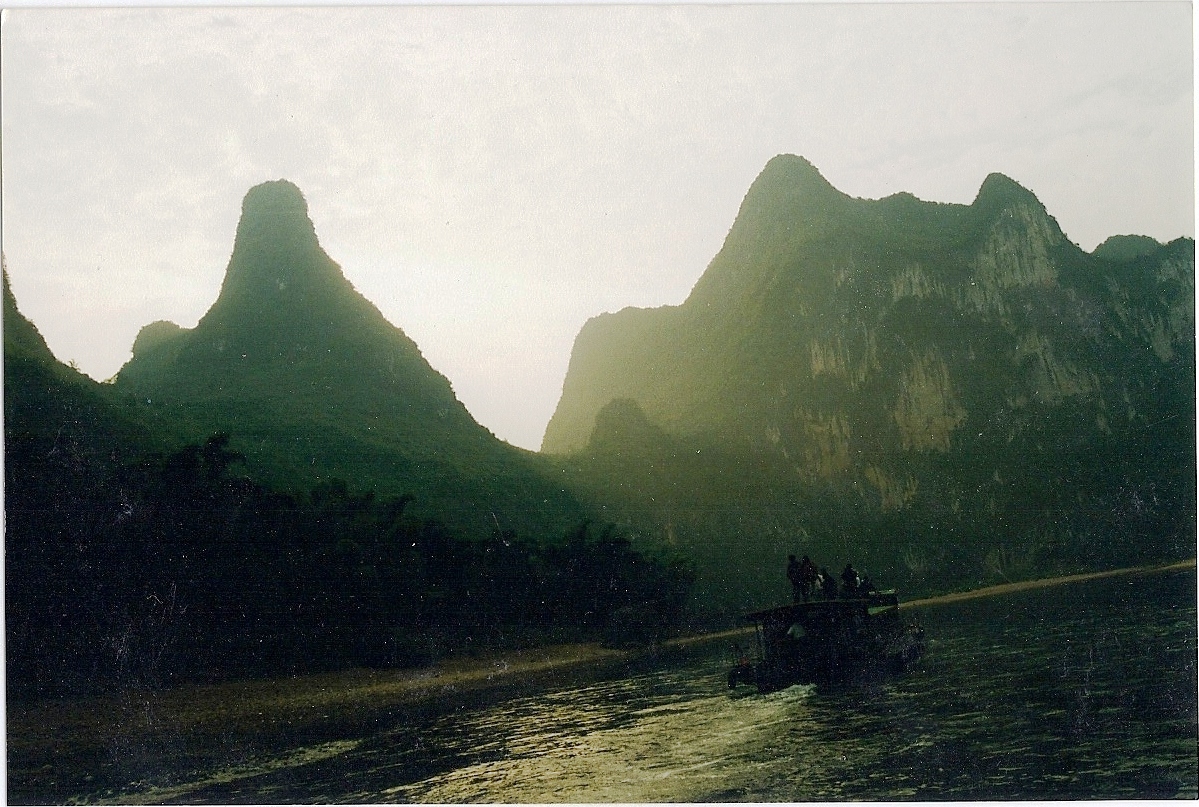
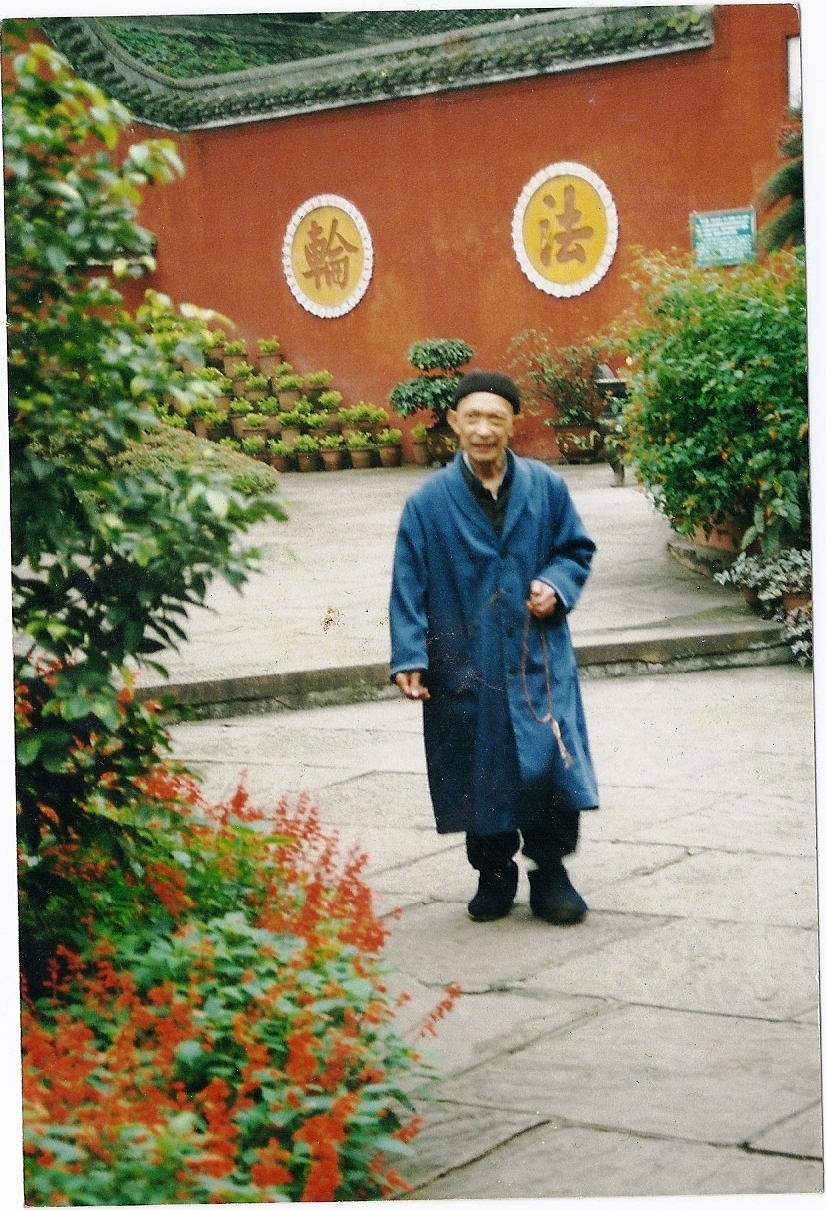
יש המון תמונות ברשומה הזו, אבל יש ביניהן קשר ישיר. זו בוחטה אחת של תצלומים - כולם בבירור מאותו טיול של כמה חברים בסין - שמצאתי לפני כמה שנים ברחוב, מונחים ליד פח אשפה. אני לא יודעת למה הם היו שם. אולי התברר שמדובר בתמונות כפולות, או סתם בגרסאות לא מוצלחות של תמונות אחרות (אוי, אני זוכרת כשהיינו מצלמים על פילם, ואז חיכינו שיפתחו את התמונות, ורק אז גילינו שחלקן לא משהו). אולי זה איזשהו הסבר יותר דרמטי: מערכת יחסים רומנטית שעלתה על שרטון, וגרמה לאחד מבני הזוג (ואוף עם השפה הסקס-מניאקית הזו שלא נותנת לי לנסח כאן משהו נטול מגדר מובהק כמו באנגלית...) לזרוק תמונות שעוררו זכרונות כואבים. אולי זו היתה איזו טעות מתסכלת, והם בכלל לא התכוונו לזרוק את התמונות, ואחר כך היו צריכים ללכת לעשות עותקים חדשים מהתשלילים, כי עד שהם קלטו שהם שמו את התמונות מהטיול בקופסא של 'להוציא לזבל', מישהו אסף אותן והלך. מי יודע? אני בטח שלא.

Got a whole bunch of pictures in this one, but they're all directly connected. It's a single batch of photos - all obviously from the same trip of some group of friends to China - which I found some years ago in the street, next to a trash bin. I don't know why they were there. Maybe they ended up being duplicates, or worse versions of other pictures in the batch (oh, I remember the times when we took photos on film, and waited to have them developed, and only then found out that some of them didn't turn out so great). Maybe it's some sort of more dramatic explanation: a romantic relationship that went sour, causing one person to throw out pictures that brought up painful memories. Maybe it was a really frustrating mistake, and they never meant to throw out the pictures, and later had to go and make new copies from the negative, because by the time they realised they put their vacation pictures in the 'out to the trash' box, somebody picked them up and left. Who knows? I sure don't.

אז אתם יכולים להמציא סיפור משלכם על מה שקרה שם; בכל אופן, הנה קבוצת אנשים (שני בחורים ובחורה אחת, נדמה לי) בטיול למקום זר ומופלא, שם בטח עברו כל מיני הרפתקאות. אני לא יודעת מי היו, או איפה הם עכשיו, או באופן כללי מה הסיפורים שלהם [דרך אגב, כרגיל - אם התרחש משהו בלתי-סביר ואת/ה, קורא/ת יקר/ה, בין האנשים שבתמונות, ובא לך לתת לי עוד מידע על הסיפור, אשמח מאוד; ואם נראה לך שעדיף שאוריד את התמונות מהבלוג, אשמח פחות, אבל אכבד את רצונך.], אבל זכיתי בהצצה קטנה להרפתקאות שלהם, וזה יופי מבחינתי.

So, make up your own story, about what happened there; anyway, here is a group of people (two guys and one girl, looks like) out on a trip to a strange and wondrous place, probably having all sorts of adventures. I don't know who they were, or where they are now, or generally what their stories are [by the way, as usual - if by some odd stroke of improbability you, dear reader, are one of these people in the photos, and would like to give me any more information about the story, I will be delighted; if you prefer that I remove them from the blog, I will be less delighted, but will respect that.], but I got a little glimpse of those adventures, and I'm happy with that.

אז מתחילים עם איזשהו בניין, או אולי מתחם, עם מין כיפה עתידנית כזו ועם דגל ישראל. אין לי מושג במה מדובר. ניסיתי את חיפוש התמונות ההפוך, אבל לא מצאתי כלום. שגרירות ישראל, אולי?

We begin with some sort of building, or perhaps a compound, with a futuristic dome and an Israeli flag. I have no idea what it is. I tried the reverse image search thing, but nothing came up. Israeli embassy, perhaps?


מכאן והלאה יש סדרת תמונות שנראות כמו שאפשר לצפות שתצלומי-חופשה ייראו: קצת נוף ותמונות טבע, קצת מקומיים, קצת תמונות 'הנה אנחנו במקום זה-וזה'. הן נחמדות בהחלט.

And from here on out, it's just a series of what you would expect vacation photos to look like: some scenery and nature, some locals, some 'here we are at this-and-that place' shots. They're pretty nice.


וזה כל מה שיש לי בעצם. כרגיל, אם מי מקוראיי יוכל להוסיף מידע, יופי. עד הפעם הבאה, סוף שבוע נעים, ואל תשכחו את המגבת שלכם.

And that's all I have, really. As usual, if any of you readers has any information to add, please do so. Until next time, have a good weekend, and don't forget your towel.

Sunday, April 22, 2012

Blurred and Unknown - מטושטשים וחסרי שם

 I think this will be the last in the anonym series, at least for a while. I have a bunch of other stuff I want to get to. Anyway, in this installment, you get three photos in one post! But like I said last time, these photos barely have any details. I did say that they don't even have any writing on the back, and one of them actually does have a few words, but I decided to include that one as well because the main reason that I chose each one of them is the same: They're blurred. Photos that are a little out of focus, or that maybe faded a bit in time, or both.

נראה לי שזו תהיה הרשומה האחרונה בסדרת האלמונים, לפחות לעת עתה. יש לי עוד כל מיני דברים שאני רוצה להעלות. בכל אופן, הפעם אתם מקבלים שלוש תמונות בבת אחת! אבל כמו שאמרתי בפעם הקודמת, אלה תמונות נטולות פרטים כמעט לחלוטין. אמנם אמרתי אז שאין בהן אפילו כיתוב מאחורה, ובסוף על אחת מהן בכל זאת כתובות כמה מלים, אבל אני כוללת אותה כי הסיבה העיקרית שבחרתי כל אחת ואחת מהן היא זהה: הן מטושטשות. תמונות שיצאו קצת לא בפוקוס, או אולי דהו קצת עם הזמן, או גם וגם.

And I saw them in the pile of old photos in the box outside the used book store (the Book Gallery, of course, one of my favourite places), and felt a little sorry for them. Even among the people who dig through this box and decide to pick up the personal photos of people they don't know, who would want to buy a blurry picture?
Beside nutcases like me, of course.

וראיתי אותן בתוך הערמה של התמונות הישנות בארגז מחוץ לחנות הספרים המשומשים ('הגלריה לספרות', כמובן, אחד המקומות האהובים עליי), וריחמתי עליהן קצת. אפילו מתוך האנשים שמחטטים בארגז הזה ומחליטים לאסוף תמונות אישיות של אנשים שהם לא מכירים, מי ירצה לקנות תמונה מטושטשת?
חוץ מפסיכים כמוני, כמובן.

Here's the first one:

הנה הראשון:


Like the people in my last few posts, this guy also looks Russian to me. It's probably this hat, which indicates that this is probably a picture from the military, or some other sort of service like that (I'm not any kind of expert about types of Russian uniforms). It's hard to see much of his facial features, except for the way his ears stick out and a sort of half-smile. But there's something pleasant about him.

כמו האנשים בתמונות שברשומות הקודמות, גם הוא נראה לי רוסי. זה מן הסתם הכובע, שמרמז שזו כנראה תמונה מהצבא, או משירות דומה אחר (אני לא מבינה גדולה - או אפילו קטנה - בזני מדים רוסיים).קשה לראות משהו מתווי הפנים שלו, חוץ מהאוזניים הבולטות ומין חצי-חיוך כזה. אבל יש בו משהו חביב.

Can't really tell what's in the background, too, and it's kinda bugging me. Are the vague forms behind his head the view from, say, a tent opening? Is it some official photographer's backdrop? Is there somebody standing behind him that got cropped out (seems unlikely, but who knows)? Gah, I just can't figure it out!

אני לא ממש מצליחה להבין מה יש ברקע, וזה קצת מציק לי. הצורות המעורפלות האלה שמאחורי הראש שלו, הן נוף שמשתקף ממשהו כמו פתח של אוהל, למשל? או אולי תפאורת רקע רשמית של צלם? או שאולי מישהו עומד מאחוריו, אבל הוא נחתך מהתמונה (לא נראה לי סביר, אבל מי יודע)? אוף, אני פשוט לא מצליחה לפענח את זה!

Off to the second picture:
טוב, קדימה לתמונה השנייה:


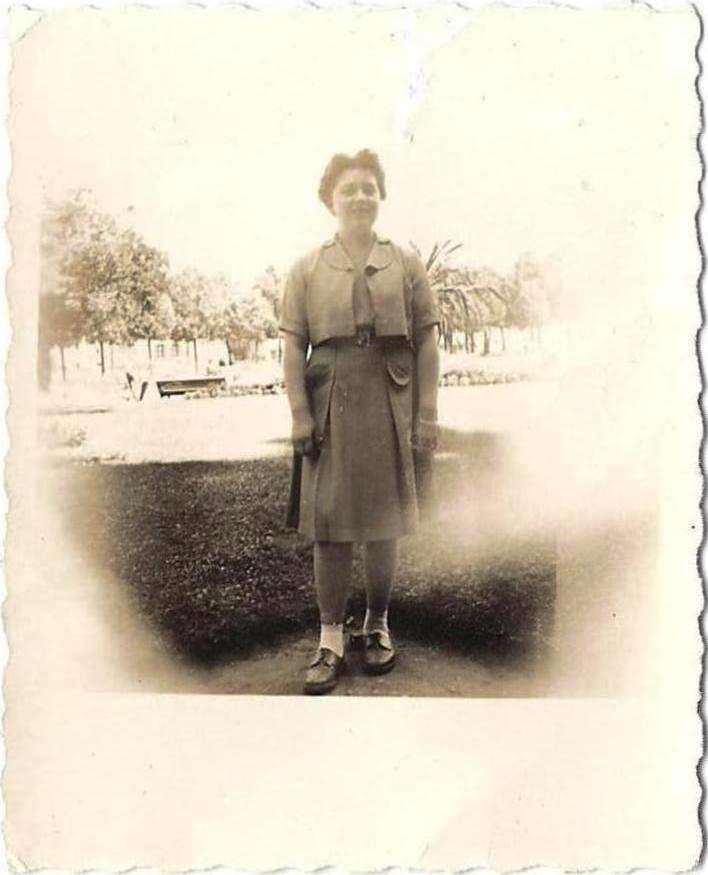
This is in Israel - has to be. Just look at that background. Just look at those shoes (these heavy lace-up items that Israelis call 'Golda shoes' after that Iron Lady's severe, grandmotherly style). It has to be a kibbutz or something like that, and it has to be somewhere around the 50s, give or take a decade. Not that I was around back then, but this picture is almost stereotypical. How can you not love it? How can you not love this lady, whoever she may be, posing in front of some indistinct lawn, and apparently squinting at the bright sun?

זה צולם בישראל, בליינד. רק תסתכלו על מה שברקע. רק תסתכלו על נעלי הגולדה שלה. זה בטוח קיבוץ או משהו כזה, ובטוח צולם מתישהו בסביבות שנות ה-50, פלוס-מינוס עשור. לא שהייתי אז בסביבה, אבל התמונה הזו היא כמעט ברמה של סטריאוטיפ. איך אפשר שלא לאהוב אותה? איך אפשר שלא לאהוב את האשה הזו, תהא אשר תהא, שעומדת לצילום מול איזו מדשאה לא-ברורה, וככל הנראה מצמצמת עיניים באור השמש העזה?

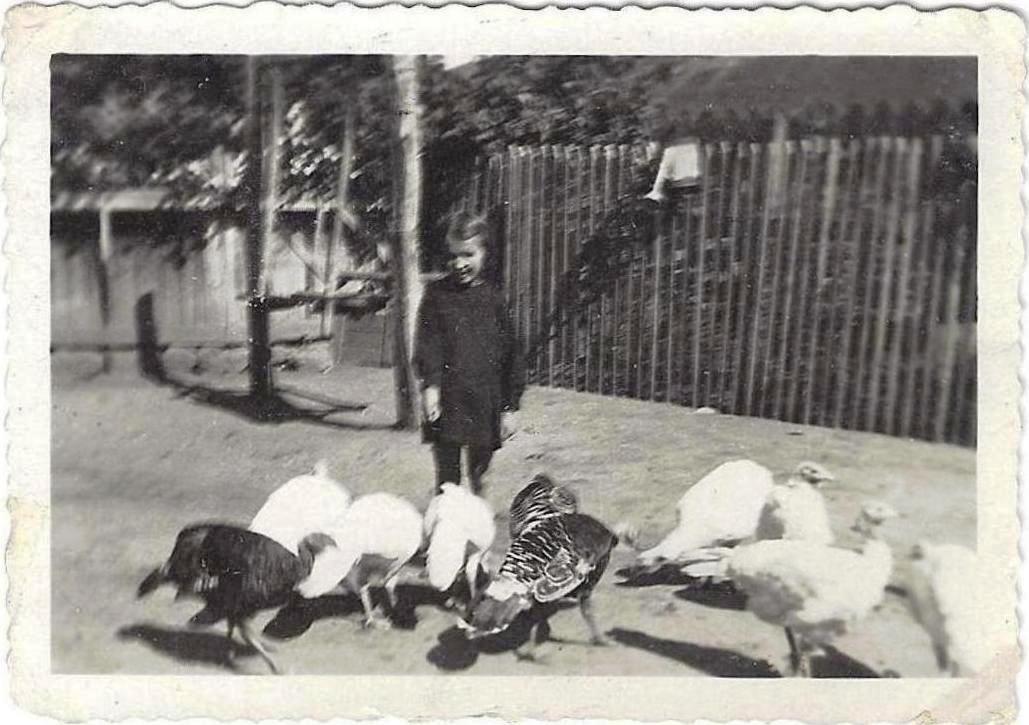
And one last picture - like I said at the start, this one has a few words on the back, but that's about it. And I find it pretty sweet, for whatever reason. Maybe it's the turkeys?

ועוד תמונה אחרונה אחת - כמו שאמרתי בפתיחה, כאן יש כמה מלים בצד האחורי, אבל זה הכל. ואני חושבת שהיא די מתוקה. אולי בגלל תרנגולי ההודו?
Front:
צד קדמי:

Or actually, the way that kid is looking at the turkeys. You can't see much of her expression (well, the blurriness is kind of the whole point of this post, after all), but it seems like this sort of half-excited half-scared look that you can see on city kids meeting barnyard animals for the first time, when they're fascinated by these new creatures but are ready to start crying if something strange happens (this is of course purely conjecture on my part - there is nothing here that tells me she is a city kid, or that she's meeting turkeys for the first time in her life, or that she might be scared of them; it's just my imagination, and bad memories of the evil of geese).

או בעצם, בגלל איך שהילדה הזו מסתכלת בהודים. לא רואים כ"כ טוב את ההבעה שלה (נו, הטשטוש הוא הפואנטה של כל הרשומה הזו, בסך הכל), אבל היא נראית לי כמו הפרצוף הזה החצי-מתלהב וחצי-מבוהל שיש לפעמים לילדי-עיר שפוגשים חיות משק בפעם הראשונה, כשהיצורים החדשים האלה מרתקים אותם, אבל הם גם מוכנים להתחיל לבכות אם יקרה פתאום משהו מוזר (כל זה הוא כמובן רק ניחוש פרוע מצידי - אין כאן שום דבר שאפשר להסיר ממנו שזו ילדה עירונית, או שהיא פוגשת תרנגולי הודו לראשונה בחייה, או שיכול להיות שתבהל מהם; מדובר רק בפעולת הדמיון שלי, וכמה זכרונות לא נעימים על רשעותם של אווזים).

But she's so cute, and the turkeys are so silly. And there may be some sort of hint as to the circumstances, because of the writing on the back, although as in many previous cases, it involves some language I can't read.

אבל היא כ"כ חמודה, וההודים כ"כ מצחיקים. ואולי יש רמז קטן לגבי הנסיבות, בגלל מה שכתוב מאחור, למרות שכמו בהרבה מקרים קודמים מעורבת כאן שפה שאני לא יכולה לקרוא.

Back:
צד אחורי:

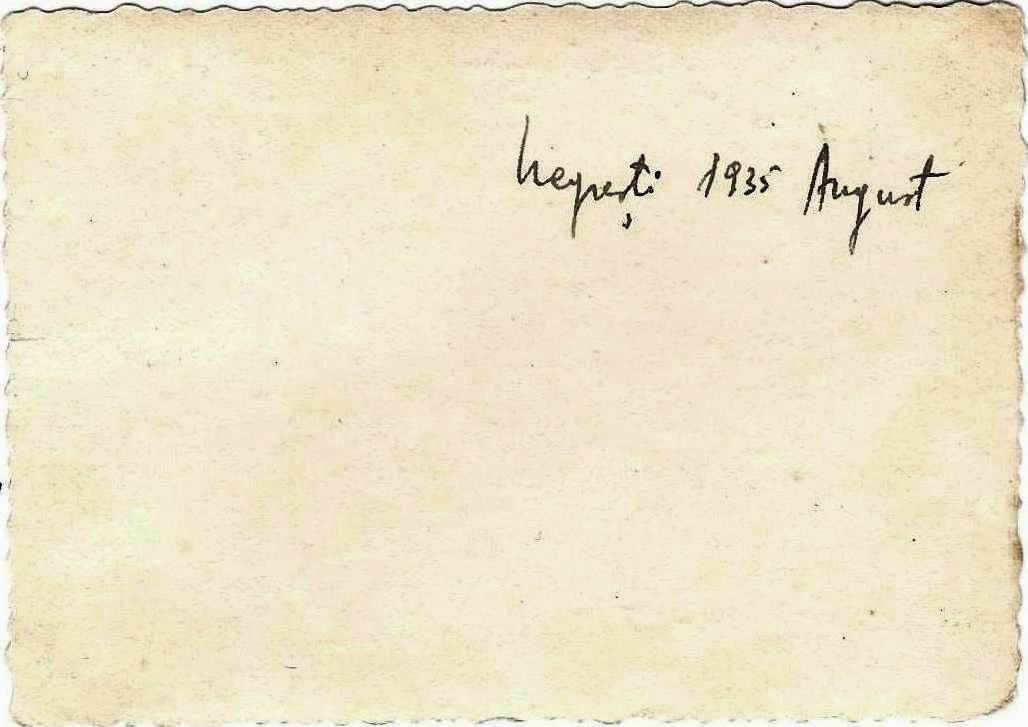
So yeah, we do have a few words on the back, but you can't learn all that much from it. The writing only gives us the date, August 1935 (and it even allows me to add a '1930s' tag and bridge a little gap in my tag list...) and one other word that I can't really read. I'm pretty sure that the squiggle under the T makes it the letter ț - which, according to Wikipedia, exists mainly in Romanian - or alternatively makes the little dip in the line behind it to the letter ș, which is Romanian as well. So this probably is the language, and it's also possible that it's the name of a place in Romania, since looking at the map it seems that ești is a fairly common suffix for place names there (any Romanian speakers, or linguists, around that can explain to me what it means?). But I tried looking for different variations of what I think I can read there: hepeti, herpeti, herpesti, hepesti (including the various combinations of ț and ș), and nothing relevant came up, so I have no idea what it is.

אז אכן, דווקא יש כמה מלים בצד האחורי, אבל קשה ללמוד מזה הרבה. הכיתוב כאן נותן לנו בסך הכל את התאריך, אוגוסט 1935 (וזה אפילו מאפשר לי להוסיף תגית '1930' ולסגור חור קטן ברשימת התגיות שלי...) ועוד מלה אחת שאני לא ממש מצליחה לקרוא. אני די בטוחה שהצ'ופצ'יק הזה מתחת ל-T הופך אותה לאות ț - שעל פי וויקיפדיה קיימת בעיקר ברומנית - או לחלופין הופך את הצ'יקמוק הקטן מאחוריה לאות ș, שגם היא רומנית. אז סביר שזו אכן השפה, ואולי אפילו מדובר על שם מקום ברומניה, כי מהצצה במפה נראה שהסיומת ești נפוצה בשמות מקומות שם (יש דוברי רומנית או בלשנים בסביבה שיסבירו לי את המשמעות שלה, אולי?). אבל ניסיתי לחפש וריאציות שונות של מה שנדמה לי שאני מצליחה לקרוא שם: hepeti, herpeti, herpesti, hepesti (כולל השילובים השונים של ț ו-ș), ולא מצאתי שום דבר רלוונטי, אז אני לא יודעת מה זה.

So there we have it. One half-smiling soldier with unfathomable background, one squinting lady at a kibbutz, and one cute kid looking at some turkeys. All of them nameless (unless that Romanian word turns out to be the kid's name, but I doubt it), all of them blurred and faded, all of them probably forgotten. They can now be remembered just a little more, even if it is just for a few moments, even if it's just through a quick curious look from somebody who got to this blog by searching for something like 'sitting geisha' (I don't know why, but that appears to be one of the most search queries that gets people here). Here on the great big internet, they can have one little moment in the light, instead of spending the rest of their days in a box of other old photos. At least, I hope so.

אז זהו זה. חייל אחד עם חצי-חיוך ורקע בלתי-מפוענח, גברת אחת מצמצמת עיניים בקיבוץ, וילדה חמודה אחת מסתכלת על תרנגולי הודו. כולם חסרי שם (אלא אם כן המלה הרומנית היא בעצם השם של הילדה, אבל מסופקתני אם כך הוא), כולם מטושטשים ודהויים, כולם מן הסתם נשכחו כבר. עכשיו אפשר לזכור אותם טיפ-טיפה יותר, גם אם רק לכמה רגעים, גם אם רק באמצעות מבט חטוף וסקרני של מישהו שהגיע לבלוג כי הוא חיפש משהו כמו 'sitting geisha' (אני לא יודעת למה, אבל נראה לי שזו אחת משאילתות החיפוש הכי נפוצות שמובילות לכאן אנשים). כאן במרחבי האינטרנט יכול להיות להם רגע אחד חולף של אור, במקום שיבלו את שאר ימיהם בקופסא עם כל מיני תמונות ישנות אחרות. לפחות, כך אני מקווה.

Tuesday, April 3, 2012

A very Russian couple - צמד רוסי מאוד

ברשומה הקודמת, קוראת מועילה אחת השיגה לי תרגום של הטקסט ברוסית בצד האחורי של התמונה, וזה היה מעולה (שוב תודה לך!). אז חשבתי לעצמי ששווה להמשיך בכיוון הזה כל עוד אני בשוונג - אז הנה עוד כמה אנשים רוסים, עם עוד כיתוב ברוסית.

Last time, a helpful reader got a translation of the Russian text on the back of the photo for me, which is awesome (thanks again!). So I figure, let's keep to the same theme while I'm on a roll - here's some more Russian folks, with some more Russian writing.

ואני מקווה שזה לא יישמע מתנשא או משהו, אבל האנשים הרוסים הספציפיים האלה ממש חמודים בעיניי. נו, תסתכלו עליהם:

And I hope this will not sound patronising or something, but I find these specific Russian folks absolutely adorable. Just look at them:

צד קדמי:

Front:


הם כמעט נראית כמו בובות קטנות, כמו המיניאטורות האלה של 'אומות העולם'. היא בפרצוף עגול וחיוך קפוץ ועם הידונית הצמרירית הנפלאה הזו (וכמה נפלאה המלה 'ידונית', אגב!), הוא במעיל וכובע שנראים רק טיפה גדולים מדי - ושניהם בנעליים שנראות כבדות, פרקטיות, סובייטיות כאלה - ואיך שהם עומדים יחד ברצינות, והרקע המטַּשטש ללבן בצורה כמעט-אמנותית-אבל-בעיקר-קצת-תמוהה... הכל כל כך מושלם. הם פשוט נראים כל כך רוסים.

They almost look like little dolls, like one of those 'nations of the world' miniatures. She with her prim round face and that lovely woolly muff, he in an overcoat and hat that seem just a little bit too big for him - and both of them with what looks like heavy, practical, Soviet shoes - and the way they're standing together so seriously, and the almost-artistic-but-mostly-kinda-awkward way the background has been blurred into white... it's all so perfect. They just look so Russian.

עמדתי לומר שהם נראים כמו סבא וסבתא רוסים, אבל זה בסך הכל די הגיוני שהם אכן סבא וסבתא של מישהו. בהנחה (היחסית סבירה) שהיו להם ילדים, לפחות. ככה זה עובד.

I was gonna say that they look like somebody's Russian grandparents, but it's only reasonable that they actually are. If we assume they had kids (which is fairly likely), anyway. That's how these things work.

צד אחורי:
Back:


גם כאן, נדמה לי שזו רוסית אבל קשה לי להבחין; וגם כאן, הדבר היחיד שאני יכולה לקרוא הוא התאריך: 24-12-55 (עם 12 בספרות רומיות, כמו שאתם רואים, אבל זה מתבלגן לי בכתיבה מימין לשמאל) - ערב חג המולד של 1955. טוב, בעצם אין לי מושג אם זה אותו דבר בחג המולד של הכנסיה הרוסית-אורתודוקסית, וצריך להתמודד עם את כל הסיפור הזה של לוח שנה יוליאני או גרגוריאני, ואתם יודעים מה, נראה לי שזה די גדול עליי (ניסיתי לחפש, אבל אני לא בטוחה שבכלל חיפשתי את מה שצריך), ובעצם אם חושבים על זה יש סיכוי סביר שבני הזוג האלה הם יהודים ואין להם שום קשר לחג המולד, אז בואו נשכח מכל הבלגן הזה, כן? בכל זאת, בקושי אפריל עכשיו. אם כן, התמונה הזו - או לפחות הטקסט מאחורה - היא מה-24 בדצמבר, 1955, וזה כל מה שאני יודעת עד כה.

Once again, I think it's Russian, but can't really tell; and once again, the only thing I can read here is the date: 24 XII 55 - Christmas eve of 1955. Well, I actually have no idea if that's the same for Russian Orthodox Christmas, and there's the whole Julian vs. Gregorian calendar to figure out, and you know what, I'm a bit over my head here (I did try looking it up, but I'm not even sure I'm looking for the right thing), and come to think of it this couple may well be Jews who have nothing to do with Christmas, so let's forget about the whole mess, eh? We're barely in April, after all. So, this picture - or at least the text on the back - is from December 24th, 1955, and that's all I know so far.

אני מקווה לקבל עזרה גם לגבי הטקסט הזה, ואני מקווה שהיא תעזור לפתור חלק קטן מהתעלומה. הרשומות הבאות יכללו תמונות אלמוניות באמת, בלי כיתוב או שום דבר כזה. עד אז, פסח שמח לחוגגים את הפסח, ויום הי-תראו-עדכנתי-את-הבלוג שמח לכל השאר.

Hopefully, I will get some help with this text, too, and that will help solving a little bit of the mystery. The next few posts will have some truly anonymous pictures, with no writing or anything. Until then, happy Passover to those celebrating it, and happy oh-hey-new-blog-update day to anyone else.


עדכון: קצת יותר מאוחר ממה שהתכוונתי, אבל הי, זה בכל זאת עדכון. תראו, כתוב ברשימת התגיות.
בכל אופן, קורא נחמד אחד עזר לי עם הרוסית בצד האחורי של התמונה, וסיפק תרגום בתגובות, אשר תרגומו לעברית (אויש, תרגום-של-תרגום... אבל מה לעשות?) הוא כדלהלן:
אוסקר ולידה היקרים,
באהבה מתמרה ואוֹרֶדָה [השם הזה לא מוכר לי - סורדין]
22/12/55 - קורסק
הוא לא ענה על השאלה שלי, אם אכן כתוב שם 22 ולא 24 כמו שנראה לי, אבל זה בסדר. התגובה השלישית שלו גם מוסיפה עוד מידע - קודם כל, הוא נתן קישור למיקום של קורסק:

Update: A bit later than I intended, but hey, it's still an update. Says so right on the tag list.
Anyway, a kind reader helped me out with the Russian on the back of the photo, and you can see his translation if you scroll down to the comments (he did not answer my question regarding whether it actually says 22 and not 24 like it seems to me, but that's okay). His third comment also adds some extra information - first of all, by pointing out where Kursk is:


וחוץ מזה, הוא גם סיפר דברים מעניינים על חג המולד בברית המועצות, שאותם אני לא צריכה לתרגם לעברית אז אתם יכולים פשוט לגלול למטה ולקרוא אותם בעצמכם.
תודה, סורדין!

And also by telling me interesting things about Christmas in the USSR, as follows:
In Soviet Russia (rimshot!) there was a general ban on Christmas, and it was not celebrated. What was more common are New Year celebrations, on December 31st. Funnily enough, there is also the "Old New Year", which is celebrated on the night between January 13th and 14th.
Thanks, SurDin!

Saturday, March 10, 2012

Class photo - תמונת מחזור

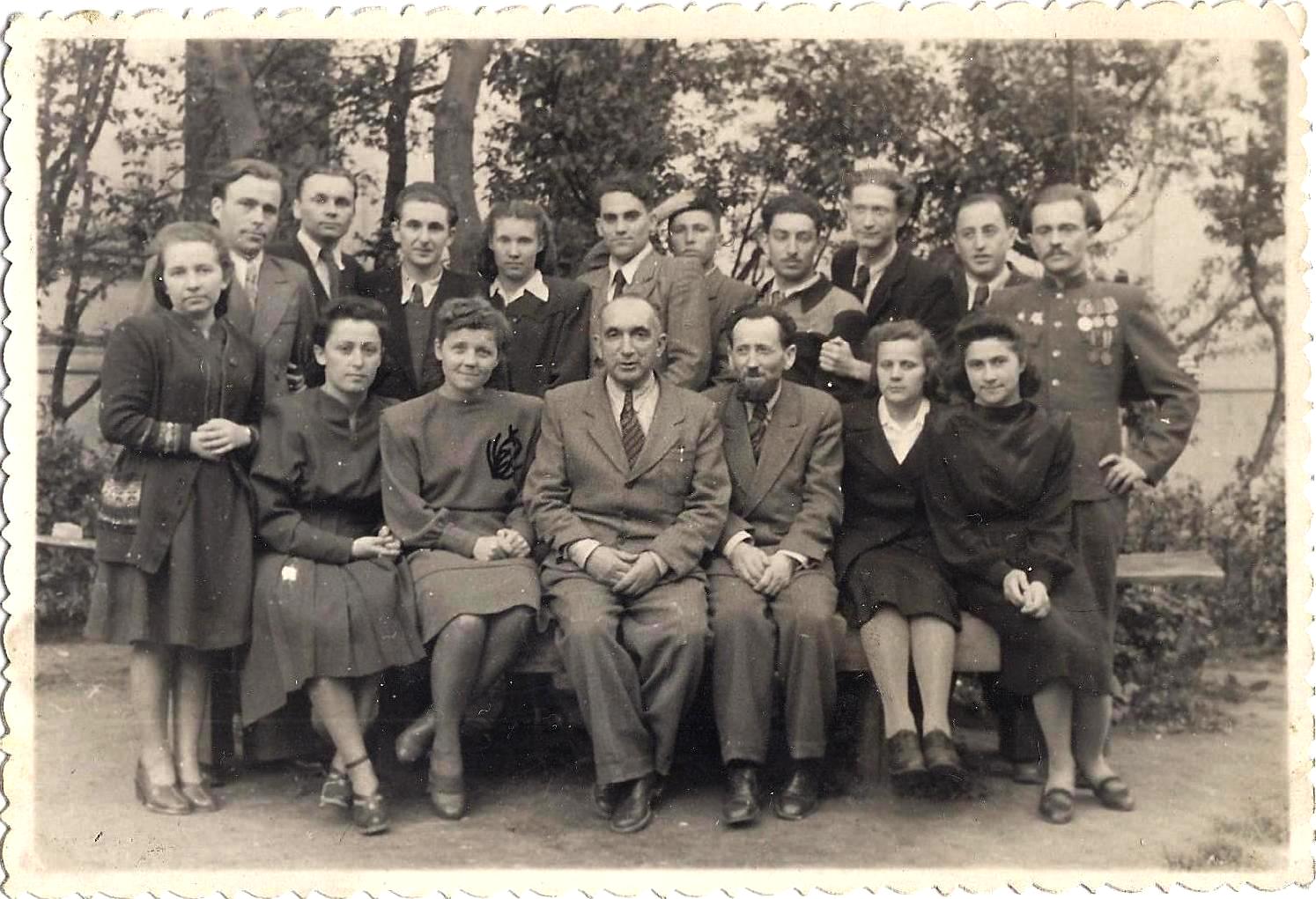
Continuing the series of anonyms - although for the time being I'm focusing on pictures that include some kind of message, so at least there's some information. In this specific picture, the only thing I can read is the year (I think the language is Russian, but I'm not sure even of that)... well, it's better than nothing.

המשך סדרת האלמונים - אם כי בינתיים אני מתמקדת בתמונות עם כיתוב, כך שיש לפחות קצת מידע. בתמונה הזו ספציפית, הדבר היחיד שאני יכולה לקרוא הוא השנה (אני חושבת שהשפה היא רוסית, אבל אפילו בזה אני לא בטוחה)... נו, גם זה משהו.

Anyway, one of the reasons I like this picture is simply because there are a lot of people in it, and like with every group picture, each person is a little world. Since I can't read what's on the back, I don't know what the context was, but my (wild) guess is that this is a class photo from a teachers college or something of the sort. That's just what came to mind when I looked at them.

בכל אופן, את התמונה הזו אני אוהבת בין השאר פשוט מפני שיש בה הרבה אנשים, וכמו בכל תמונה קבוצתית, כל אחד הוא עולם ומלואו. מכיוון שאני לא יכולה לקרוא את הכיתוב בצד האחורי, אני לא יודעת מה ההקשר, אבל הניחוש (הפרוע) שלי הוא שזו תמונת מחזור מסמינר למורים או משהו כזה. זה פשוט מה שקפץ לי לראש כשהסתכלתי עליהם.

Front:
צד קדמי:
(As always, click to enlarge - כרגיל, קליק להגדלה)

I definitely recommend clicking-to-enlarge, because it's pretty cool to have a closer look at all the different people and their different expressions. Look at how smug the military guy on the right is; I don't know if it's because of all these medals or because he has a really good moustache going (that fourth-from-right guy with the two-tone sweater definitely looks jealous of it). Also smug: the guy on the far left, who seems to be thinking 'yup, I'm handsome' - or maybe he's just constipated, hard to tell. And I like how optimistic and sweet the girl sitting to the left of the old guy in the middle (the professor? the principal?) seems, especially since all the other ladies in the picture look really jaded - especially the short broad-faced one sitting to the right of Trotsky's dad there (another professor? assistant principal?), who looks like she's pretty much used to being shoved to the back by other people. Although the girl on the far left has a good case of 'Ugh, I cannot believe we're doing this' and the one girl in the back row has a nice 'I hate you all, burn in hell' face going on, so it's quite a competition there. There also seem to be two cases of 'Wait, we're taking a picture? Why didn't anyone tell me?' in the back row: lanky guy, third from the right, who appears to have just butted in a moment ago, and that young-looking dude in the middle still fixing his hair.
So many things to look at. I could go on, but I think this'll do. You can share your favourite interpretations in the comments, if you want to.

אני באמת ממליצה להגדיל את התמונה, כי ממש מגניב לחקור מקרוב את כל האנשים השונים וההבעות שלהם. תראו כמה הבחור הצבאי בקצה הימני נראה זחוח; אני לא יודעת אם זה בגלל כל המדליות שיש לו, או מפני שהשפם שלו ממש מוצלח (הבחור הרביעי-מימין עם הסוודר בשני צבעים בהחלט נראה כאילו הוא מקנא בשפם הזה). עוד זחיחות: הבחור בקצה השמאלי, שנראה כאילו הוא חושב 'כן כן, אני חתיך' - אם כי אולי הוא סתם סובל מעצירות, קשה לדעת. אני גם אוהבת עד כמה הבחורה שיושבת משמאל לאיש המבוגר באמצע (פרופסור? מנהל?) נראית אופטימית ומתוקה, בייחוד מפני שכל שאר הבנות בתמונה נראות ממש מבואסות - במיוחד הנמוכה עם הפרצוף הרחב שיושבת מימין לאבא של טרוצקי (עוד פרופסור? סגן המנהל?), שנראית כאילו היא די רגילה לזה שאנשים אחרים דוחפים אותה אחורה. עם זאת, הבחורה בקצה השמאלי של השורה כנראה די סובלת מאיזה 'אוף, אני לא מאמינה שאנחנו עושים את זה', ולבחורה היחידה בשורה האחורית יש חתיכת פרצוף 'אני שונאת את כולכם, תמותו', אז זו בהחלט תחרות עזה. ויש גם שני מקרי 'רגע, אנחנו מצטלמים? למה אף אחד לא אמר לי?' בשורה האחורית: הגרום השלישי מימין נראה כאילו הוא בדיוק השתחל לשורה לפני רגע, והבחור הצעיר-למראה באמצע שעדיין מסדר את השיער.
יש כ"כ הרבה דברים שאפשר להסתכל עליהם. אני יכולה להמשיך ולהמשיך, אבל נראה לי שמספיק. אתם יכולים לחלוק את הפרשנויות החביבות עליכם בתגובות, אם מתחשק לכם.

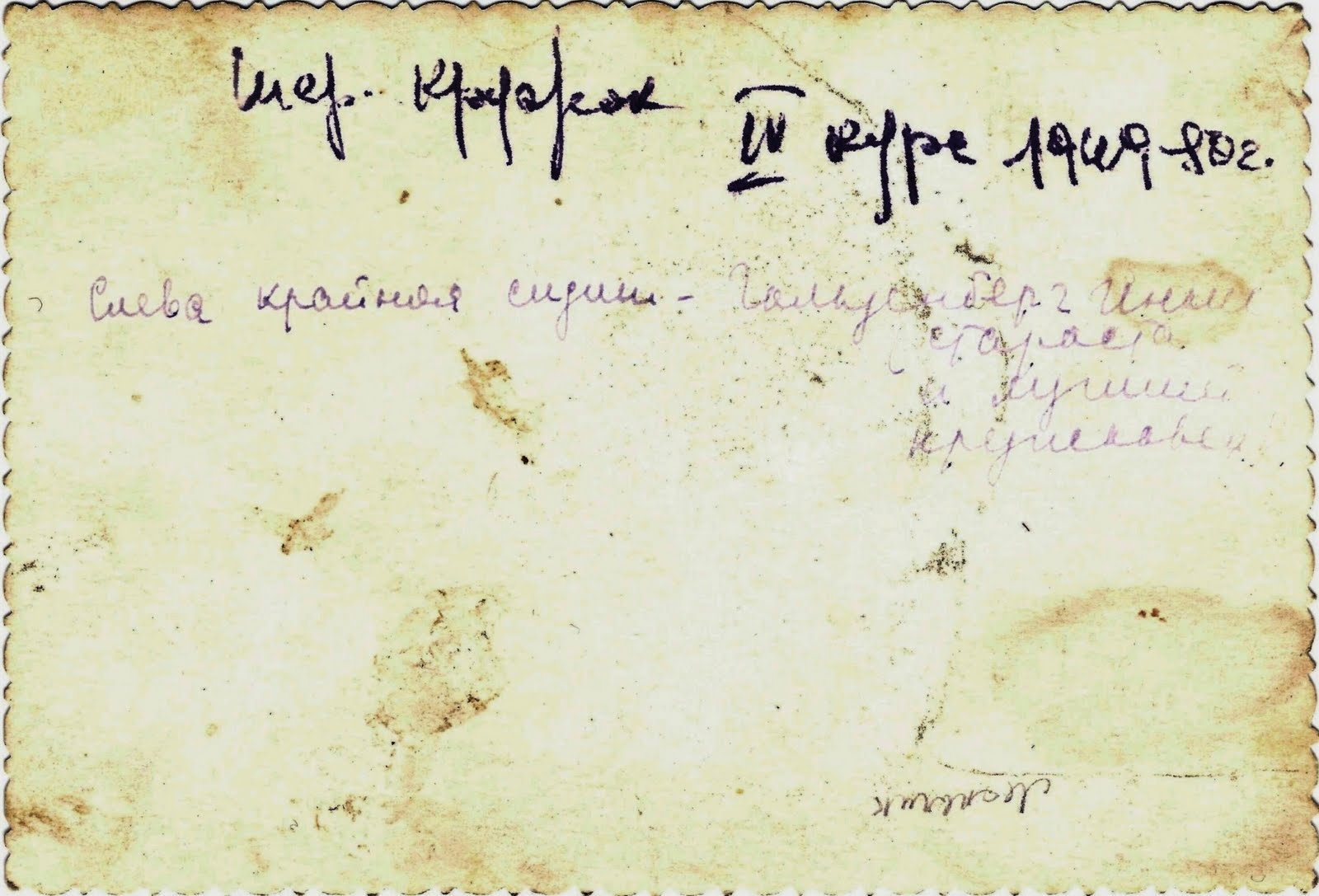
Anyway, let's have a look at the writing on the back, even though like I said before, I can't understand much of it, except for the year, and a Roman numeral which is either a III or a IV (probably IV, but hard to tell from the writing).

בכל אופן, בואו נציץ בכיתוב מאחור, למרות שכמו שאמרתי קודם אני לא מבינה הרבה ממנו, מלבד השנה וספרה רומית שהיא או III או IV (כנראה IV, אבל קשה לי להחליט עם הכתב הזה).

Back:
צד אחורי:

Like I said above, I think it's Russian, but it's pretty hard for me to read any of it, so I might be completely on the wrong track here. Anyone can maybe help me figure it out?

כאמור לעיל, נדמה לי שזו רוסית, אבל די קשה לי לקרוא את הכתב, אז יכול להיות שאני ממש לא בכיוון הנכון. מישהו יכול אולי לעזור לי להבין מה כתוב פה?

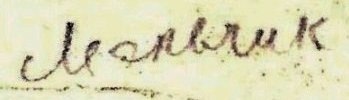
Anyway, it's interesting that there seem to be three separate parts here: the top looks like a sort of title, telling us (well, telling the people who can read it...) what is up with these people in general. You know, like 'Trotsky's Dad's Teachers College, group IV, class of 1949' or something like that. Then below that you have what looks like a more personal message, in a slightly different hand. And at the bottom, upside-down, there's one more word (maybe a name?) - here it is in close up, so you won't have to turn your screens upside down:

בכל אופן, מעניין לראות שיש כאן כנראה שלושה חלקים נפרדים: השורה העליונה נראית כמו מעין כותרת, שמספרת לנו (טוב, מספרת לאנשים שיכולים לקרוא אותה...) מה הסיפור של האנשים האלה באופן כללי. נו, אתם יודעים, נגיד 'הסמינר למורים של אבאשלטרוטסקי, קבוצה IV, מחזור 1949' או משהו כזה. ואז מתחתיה יש משהו שנראה כמו מסר יותר אישי, בכתב קצת אחר. ולמטה, הפוך, יש עוד מלה אחת (אולי שֵׁם?) - הנה היא מקרוב, כדי שלא תצטרכו לסובב את המסך:


And I wonder whether these were really all written by different people, or maybe just at different times (with different pens), and what it's saying. And as usual, I wonder who these people are, and what they were thinking when this picture was taken, and what happened to them afterwards. And as usual, I guess I'll never know.

ואני תוהה אם כל אלה אכן נכתבו בידי אנשים שונים, או אולי רק בזמנים שונים (ועם עט שונה), ומה כתוב שם. וכרגיל, אני תוהה מי היו האנשים האלה, ומה הם חשבו כשהתמונה צולמה, ומה קרה להם אחר כך. וכרגיל, כנראה שאף פעם לא אדע.


Update (March 17): Hooray! One of my little band of readers found someone who translated most of the message from Russian. Hebrew readers can just check the comments, but here's a translation of the translation:
[???] class [note: this indicates something like a sewing or drama class, rather than an academic course], third year [of university], 1949-50.
Sitting on the left - Goldenberg Inna, class administrator and the best [???].
[upside-down at the bottom:] Boy

עדכון (ה-17 במארס): הידד! אחת מקוראיי הספורים מצאה מישהו שתרגם(/ה) מרוסית את רוב הכיתוב. אם תגללו טיפה למטה תראו את התרגום בתגובה הראשונה - לא נראה לי שיש טעם להעתיק אותו לכאן.

So, some mystery cleared, some not so much. That 'boy' thing is really rather odd, since I can't think of a circumstance where anyone would write that on the back of a photo. As for Inna Goldenberg, I tried some searches, but predictably didn't come up with much, and nothing that I did find could be positively linked to the woman in the picture. The closest I got was a mention of the name as a silver medalist (of what?) in 1957 in a Talinn gymnasium. I needed to view the site through Google Translate, so it's been a bit hard to figure out much about it, but they have a pretty neat 'photo album' section, so I tried looking through the 1947-1960 pictures. Doesn't look like it's the place from 'my' picture. Probably a different Inna Goldenberg, I guess.

אז חלק מהמסתורין הוברר, וחלק לא כל כך. החלק עם 'ילד' די מוזר לי, כי אני לא יכולה לחשוב על סיטואציה שבה מישהו יכתוב משהו כזה בצד האחורי של תמונה. בכל הנוגע לאינה גולדנברג, ניסיתי לחפש קצת, אבל כצפוי די העליתי חרס בידי, וגם את מה שכן מצאתי אי אפשר לקשור באופן ברור לאשה בתמונה. התוצאה הכי קרובה היתה אזכור של השם כאחת הזוכות במדליית כסף (על מה?) ב-1957 בגימנזיון בטאלין. נאלצתי לקרוא את האתר דרך גוגל תרגום, אז היה לי די קשה להבין הרבה על המקום, אבל יש להם 'אלבום תמונות' די מגניב, אז ניסיתי לדפדף בתמונות של 1947-1960. לא נראה לי שזה המקום שבתמונה 'שלי'. נראה לי שזו בטח איזו אינה גולדנברג אחרת.

This was fun, though. And I like knowing even a little bit more about the picture. Thanks, Hannah!

אבל זה היה כיף. ונחמד לי לדעת אפילו רק קצת יותר על התמונה. תודה, חנה!

Sunday, February 26, 2012

Friendship remains - הידידות נשמרת

גם התמונה הזו שכבה אצלי כבר די הרבה זמן. מכיוון שאני עושה עכשיו מין סדרה של אלמונים, החלטתי שזמנו הגיע. הוא מוצא חן בעיניי... טוב, מן הסתם אני אומרת דברים כאלה די הרבה, כי בסך הכל, כשאני בוחרת את הגלויות או התמונות מתוך הערמה הגדולה בחנות הספרים המשומשים, בסופו של דבר זה תמיד מפני שמשהו בהן דיבר אליי - הן תמיד מוצאות חן בעיניי. בכל זאת, אני אוהבת כל אחת בצורה קצת אחרת, מסיבות קצת אחרות.

This is another photo that I had lying around for a long time now. Since I'm doing this series of anonymous people now, figured his time has come. I like him... I guess I end up saying this a lot, because after all, when I pick these postcards or photos from the big pile in the used book store, it's always because something in them speaks to me - it's always because I like them. Still, I like each one a little differently, for slightly different reasons.

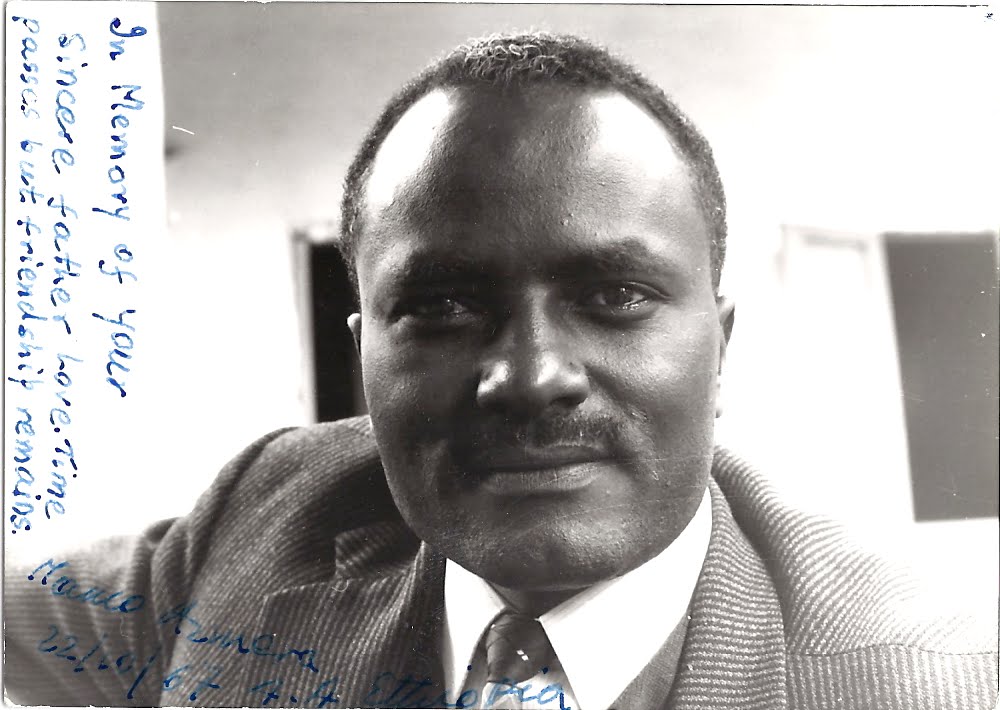
והאיש הזה פשוט נראה ממש נחמד. הוא נראה רציני וידידותי וישר . אני לא יודעת אם הוא באמת היה משהו מכל אלה, אבל הפרצוף שלו פשוט נראה ממש נחמד, והוא מוצא חן בעיניי. הוא גם השאיר מסר מקסים.

This man, well, he just looks really nice. He looks serious and friendly and candid. I don't know if he really was any of these things, but he just has a really nice face, and I like him. He left a lovely message, too.


In Memory of your Sincere father Love. Time passes but friendship remains.
Mamo Azmera
22/10/67 A.A Ethiopia


לזכר אהבת-האב הכנה שלך. הזמן חולף אך הידידות נשמרת.
מאמו אזמרה
22/10/67 א.א אתיופיה

בהתחלה לא הייתי בטוחה אם כתוב שם 4.4 או A.A; ואז הסתכלתי על זה שוב, ופתאום קלטתי ש-אה, כן, זה בטח קיצור של אדיס אבבה, והרגשתי קצת אהבלה שלא קלטתי את זה קודם. גם לקח לי זמן עד שהצלחתי לקרוא כמו שצריך את השם שלו, כי כל הזמן ראיתי שם 'מאוקו', ולא הצלחתי להבין אם זה שם אמיתי או לא (העובדה שזה כנראה שם משפחה צרפתי, ושיש שתי עיירות בצרפת בשם Haut-Mauco ו-Bas-Mauco, וגם העובדה שיש איזה Mauco אחד שהוא שם של חברה ניגרית לעיצוב אתרים - כל זה לא ממש עזר לי להבין). בסופו של דבר מצאתי רשימה טובה של שמות אתיופיים נפוצים, ועברתי עליה, ונתקלתי בשם 'מאמו', והיה לי קליק בראש. ובכן, מאמו אזמרה. גוגל לא ממש מצא אף אחד, חוץ מאיזה אזמרה מאמו, קרוב משפחה של איש אריתראי מת בקנדה (תאורטית יכול להיות שזה הוא, אני משערת, אבל אני בספק אם כך הדבר), אבל גם לא ממש ציפיתי ליותר מדי.

For a while, I wasn't sure whether it said 4.4 or A.A; then I looked at it again, and suddenly realised that oh, of course, it must stand for Addis Ababa, and felt a bit silly for not realising it earlier. Also took me a while to read the man's name correctly, since I kept seeing it as 'Mauco', and couldn't figure out if that's a real name or not (the fact that apparently it's a French surname, and there are two French towns called Haut-Mauco and Bas-Mauco, as well as one Mauco which is some Nigerian web design company, didn't help). Eventually I found a good list of common Ethiopian names and went through it, and ran into 'Mamo', and it clicked. So, Mamo Azmera. Google didn't come up with anyone, except an Azmera Mamo, some family member of a dead Eritrean man in Canada (theoretically might be him, I suppose, but I doubt it), but I wasn't expecting much.

אבל נו, זו סדרה של אלמונים, בסופו של דבר. רק מפני שבמקרה יש לאיש הזה שם זה לא אומר שאני יכולה למצוא מידע עליו. הוא לא נעשה פחות אלמוני כהוא זה. וכמובן, אין לי מושג מי האיש שקיבל את התמונה הזו, עם ההקדשה המקסימה. אין לי מושג מה הוא עשה בשביל מר אזמרה, שזיכה אותו בהכרת התודה הזו. אין לי מושג אם הידידות אכן נשמרה, כשהזמן חלף.

Well, this is the series of anonyms, after all. Just because this man happens to be supplied with a name doesn't mean I can find out anything about him. It doesn't make him any less anonymous. And of course, I have no idea who is the person that was given this picture, with the lovely dedication. No idea what he did for Mr. Azmera to receive such gratitude. No idea if the friendship did indeed remain, when time passed.

אני מקווה שכן. הוא נראה איש כל כך נחמד.

I hope so. He seems like such a nice man.

Thursday, February 9, 2012

The Mysterious Maria - מריה המסתורית

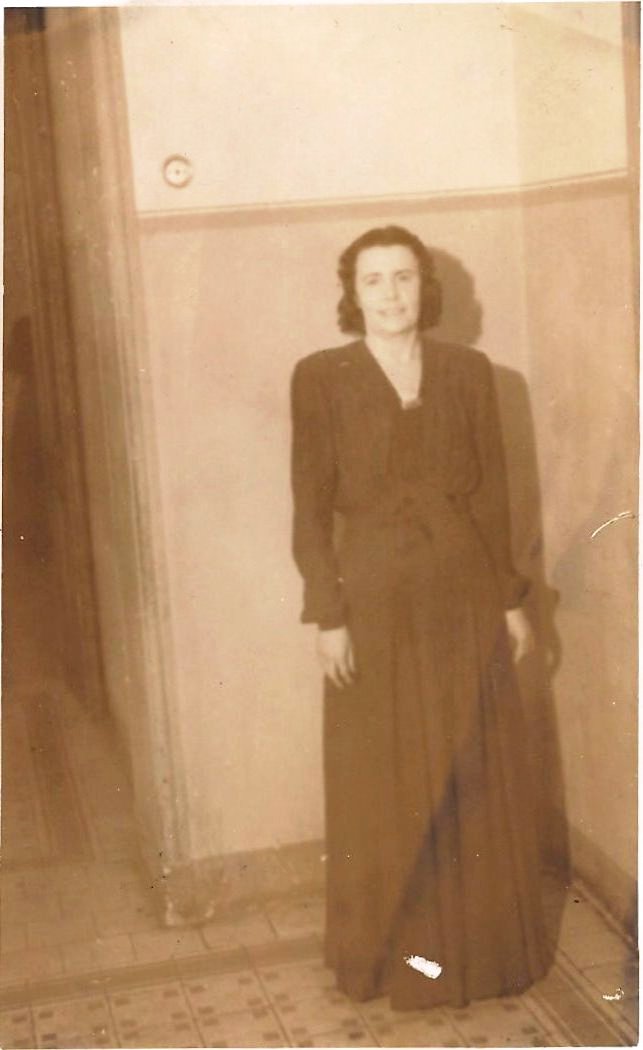
When I just decided to start this blog, this was the first picture I scanned. I bought it quite a long time ago, and I've always really loved it.

כשרק החלטתי להתחיל את הבלוג הזה, זו היתה התמונה הראשונה שסרקתי. קניתי אותה די מזמן, ותמיד אהבתי אותה במיוחד.

There isn't much I can say about it, actually; there isn't much I can know. It's one of many pictures of anonymous people that I bought because something about them just clicked with me - sometimes with a few words on the back but often not even that - and I think that over the next few posts I'll be sharing these anonyms, in a way closer to what I envisioned when I started the blog: minimal explanations, mostly giving the stage to the pictures themselves.
Speaking of which, here's the picture.

אני לא יכולה לספר עליה הרבה, למען האמת; אני לא יכולה לדעת עליה הרבה. זו אחת מכמה תמונות של אנשים אלמונים שקניתי כי פשוט התחברתי אליהן בגלל פרט כזה או אחר - לפעמים עם כמה מלים בצד האחורי אבל לרוב אפילו זה לא - ונראה לי שלאורך הרשומות הקרובות אחלוק את האלמונים האלה, באופן שקרוב יחסית למה שחשבתי לעצמי כשהתחלתי את הבלוג: הסברים מינימליים, שישאירו את רוב הבמה לתמונות עצמן.
ואפרופו, הנה התמונה.

Front:
צד קדמי:


It's not a very good picture - it's blurry and faded, and the flash was a bit too drastic, and whoever took it apparently couldn't keep the camera straight - but in many other ways, it's wonderful. Mainly thanks to that woman. There's something almost regal about her posture. She's not young, and I can't say she's beautiful, but she has such a strong face. She doesn't look very happy, too, although that might just be a picture taken just at the wrong moment. Her dress is simple and severe, but looks well-fitted. And there's one piece of jewelry, which I think is a necklace but might be a sort of brooch or pin. It all combines to someone who feels like she must have had an impressive presence. She absolutely fascinates me.

זו לא תמונה טובה במיוחד - היא מטושטשת ודהויה, והפלאש היה קצת דרסטי מדי, ומי שצילם אותה ככל הנראה לא הצליח להחזיק את המצלמה ישר - אבל בכל מיני צורות אחרות היא פשוט נפלאה. בעיקר בזכות האשה הזו. יש משהו כמעט מלכותי בעמידה שלה. היא לא צעירה, ואני לא יכולה לומר שהיא יפה, אבל הפנים שלה כל כך חזקים. היא גם לא נראית שמחה במיוחד, למרות שאולי זו סתם תוצאה של צילום ברגע הלא-נכון. השמלה שלה פשוטה וחמורת-סבר, אבל נראית באיכות טובה. ויש גם תכשיט אחד, נדמה לי שזו מחרוזת אבל אולי זו איזושהי סיכה. כל הדברים האלה משתלבים לדמות שנדמית כמו מישהי עם אישיות מרשימה. היא ממש מרתקת אותי.

I think the picture was taken here in Israel, mostly because of the floor tiles and the general style of (what you can see of) the walls; it reminds me of the rich old Arabic houses in Jerusalem. That might just be a bias, or course - there might be similar styles elsewhere. I don't know. I also kinda get the feeling that the house is mostly empty, although it's very hard to tell from just one corner and a bit of corridor (by the way, is that another person standing back there, in the shadows, or is it a coat on a coat hanger? I can't tell). Maybe because it seems odd to take a picture just standing in the corner of a room, not sitting on a chair or leaning on a table or something, so it gives me the feeling that maybe there wasn't anything else there.

אני חושבת שהתמונה צולמה כאן בישראל, בעיקר בגלל המרצפות והסגנון הכללי של (מה שאפשר לראות מ-) הקירות; זה מזכיר לי את בתי-העשירים הערביים הישנים בירושלים. אולי זו סתם הטיה שלי, כמובן - יכולים להיות בתים דומים גם במקום אחר. אני לא יודעת. גם איכשהו יש לי הרגשה שהבית די ריק, אם כי מאוד קשה לדעת משהו כזה מתוך פינה אחת וקצת מסדרון (אגב, האם יש דמות של אדם נוסף בצללים שם מאחור, או שזה סתם מעיל על מתלה מעילים? קשה לי להחליט). אולי מפני שנראה לי קצת מוזר להצטלם ככה סתם בפינת החדר, לא בישיבה על כיסא או תוך הישענות על שולחן או משהו, אז מתקבלת הרגשה שאולי פשוט לא היה שם שום דבר.

Which gives me the mental picture of an immigrant. Someone who just moved to Israel, who doesn't have much with her, who maybe doesn't have much at all, but still carries herself with pride. Where did she come from, and when? Well, there's a partial answer for that, on the back. This was taken in 1946, and the message appears to be in Polish, from the little I managed to research.

ומכאן צומחת תמונה מנטלית של מהגרת. מישהי שרק עלתה לישראל, שאין לה הרבה, ואולי אין לה שום דבר בכלל, אבל עדיין יש בה גאווה. מאיפה היא באה, ומתי? יש רק תשובה חלקית לעניין הזה, בצד האחורי. התמונה צולמה ב-1946, והמסר שעליה נכתב כנראה בפולנית, לפי המעט שהצלחתי לחקור.

Back:
צד אחורי:


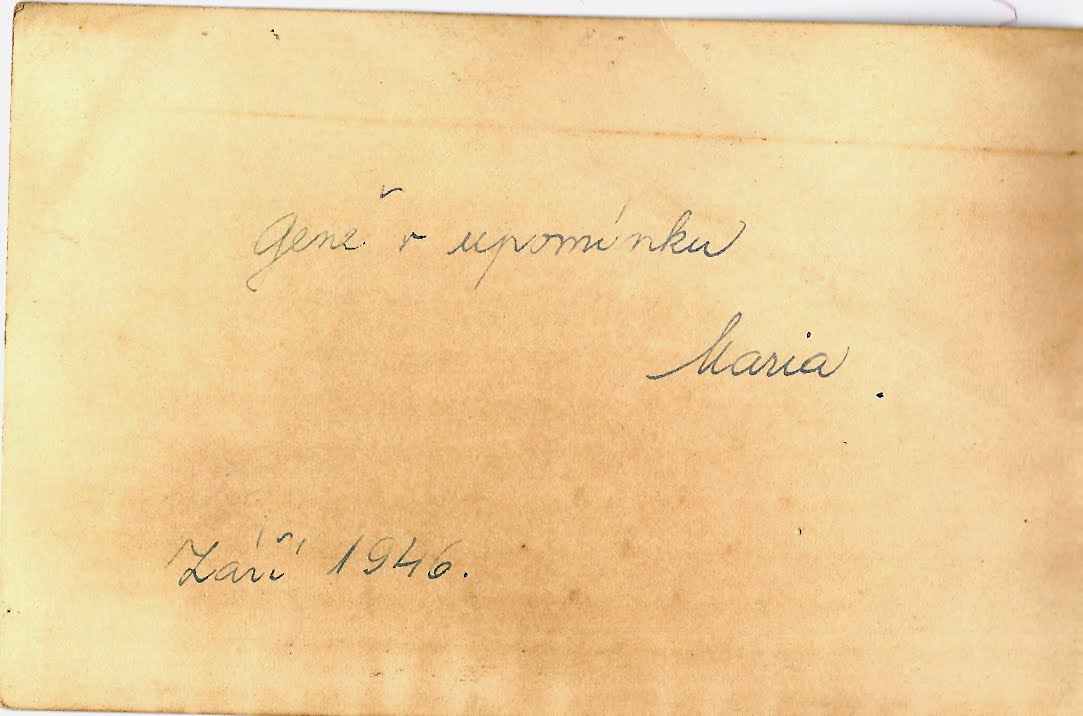
If anyone who happens to land on this post can read Polish, and can let me know what this says, I will be very grateful. At the moment, all I could find out is that 'upominku' (assuming I'm reading this right) apparently has something to do with gifts. Possibly. So really, all I have is the date, and the name Maria.
Is Maria the woman in the picture, or perhaps a friend? I don't know. Is the word before '1946' the name of the month or of a place? I don't know. I would really love to find out.

אם מישהו שמזדמן במקרה לרשומה הזו קורא פולנית, ויכול לומר לי מה כתוב שם, אהיה אסירת תודה. כרגע, כל מה שהצלחתי למצוא הוא שהמלה upominku (בהנחה שאני בכלל קוראת אותה נכון) נראית כאילו היא קשורה איכשהו למתנות. אולי. אז בעצם כל מה שיש לי זה תאריך, והשם מריה.
האם מריה היא האשה בתמונה, או אולי חברה שלה? אני לא יודעת. האם המלה שלפני '1946' היא שם החודש, או שם של מקום? אני לא יודעת. הייתי ממש שמחה לגלות את התשובות.

At the moment, all I have is what I can imagine. I imagine a woman, not very young, but not old either - maybe just a bit old-fashioned. I imagine that she came to Israel from Poland in 1946. This would mean that she has been in Poland during the war, and probably went through some pretty hard times, which would explain why she doesn't look happy. I imagine she doesn't have much, but she's proud and composed, and determined to start anew, because dammit, this is what you do. You pull through and you go on. I imagine that maybe she wasn't an easy person to deal with, but you have to respect her. I respect her, anyway, just going by this one picture.

כרגע, יש לי רק מה שאני יכולה לדמיין. אני מדמיינת אשה, לא צעירה במיוחד אבל גם לא זקנה - ואולי רק טיפה מיושנת. אני מדמיינת שהיא באה לישראל מפולין ב-1946. זאת אומרת שהיא היתה בפולין בזמן המלחמה, ומן הסתם עברה חוויות קשות למדי, מה שמסביר למה היא לא נראית שמחה. אני מדמיינת שאין לה הרבה, אבל היא שלווה וגאה, והיא נחושה בדעתה להתחיל מחדש, כי זה מה שצריך לעשות, לעזאזל. צריך להחזיק מעמד ולהמשיך הלאה. אני מדמיינת שאולי היא היתה בנאדם שדי קשה להסתדר איתו, אבל מישהי שצריך לכבד. אני מכבדת אותה, בכל אופן, רק בגלל התמונה הזו.

I don't know if any of these assumptions are even close to the truth, and I will probably never know. She's probably dead, by now; this, at least, is a fairly logical assumption. I hope she had a good life.

אני לא יודעת אם ההשערות האלה אפילו מתקרבות לאמת, וסביר להניח שאף פעם לא אדע. היא בטח כבר מתה, עכשיו; מכל ההשערות שלי, זו לפחות די הגיונית. אני מקווה שהיו לה חיים טובים.


Update, 15 Feb: A friend of a friend looked at the card and says it's not Polish, and has no idea what language this actually is. So the story I imagined is somewhat less likely, I suppose. But I still like this mystery woman, all the same.
Once again, if anyone can read this, I would appreciate your help in translating the message.

עדכון, 15 בפברואר: חברה של חבר הסתכלה על הכתוב ואמרה שזו לא פולנית, ושאין לה מושג באיזו שפה מדובר בכלל. אז אני מניחה שהסיפור שדמיינתי לי הוא עוד פחות סביר. אבל אני עדיין אוהבת את אשת המסתורין הזו באותה מידה.
ושוב, אם מישהו יכול לקרוא את מה שכתוב שם, אשמח לעזרתך בתרגום המסר.


Update, May 4 2013: A few weeks ago, an anonymous commenter mentioned that the language written on the photo might be Czech (you can scroll down to see the comment, but it's in Hebrew). Fortunately, among my acquaintances from the Translators and Editors Forum is the wonderful Pe'er Friedmann, who translates from Czech to Hebrew, and when I asked him he was happy to help and answered that indeed, "Geně v upomínku, Maria, Září 1946" is Czech for "To Genya, in memory / Maria / Spetember 1946". Lovely! Many thanks to Pe'er, and also to the anonymous commenter.

 עדכון, 4 במאי 2013: לפני כמה שבועות תגובה אלמונית העלתה את האפשרות שהשפה שבכיתוב היא בכלל צ'כית (אתם יכולים לגלול למטה ולראות). לשמחתי, בין מכריי מפורום תרגום ועריכה מצוי גם פאר פרידמן הנהדר, שמתרגם מצ'כית לעברית, וכששאלתי אותו עזר בשמחה וענה שאכן, "Geně v upomínku, Maria, Září 1946" פירושו בצ'כית
"לגניָה, למזכרת / מריה / ספטמבר 1946". איזה יופי! תודה רבה לפאר, וגם למגיב/ה האלמוני/ת.

Saturday, July 9, 2011

Water under the bridge - מים מתחת לגשר

קיץ. חם בחוץ. אני חושבת שזה הזמן לפוסט קצר וקריר.

Summer. It's hot out. I think it's time for a short, cooling post.

אז בחרתי עוד גלויה בסגנון של זו (אולי באמת הגיע הזמן לטאג 'שחור-לבן'... יטופל), עם הרבה מים, והרבה שקט, ובלי טקסט מאחורה בכלל, סתם תמונה יפה.

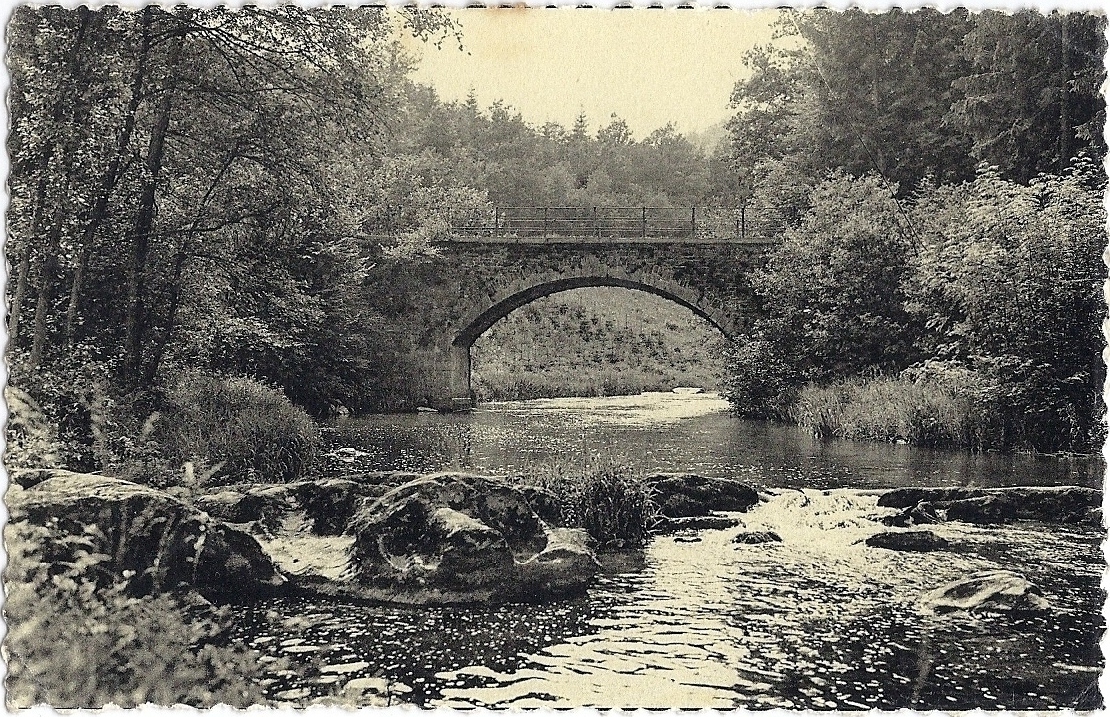
So I picked another postcard in the same style as this one (maybe it's really time I have a 'black and white' tab... I'm on it), with a lot of water, and a lot of stillness, and no text on the back at all, just a beautiful picture.


אין לי יותר מדי מה לכתוב על התמונה הספציפית, אבל זה נראה מקום שכל כך נחמד לשהות בו. לשבת מתחת לעץ, לשכשך קצת את הרגליים בנחל, ופשוט לא לעשות כלום. במיוחד עכשיו, כשהשמש מלהטת והאוויר בחוץ עומד כמו מכונית מקולקלת, זה נשמע לי ממש מושלם.

I don't have too much to write about this specific picture, but it just seems like such a nice place to spend some time in. Sit under a tree, dangle your feet in the water, and just do nothing. Especially now, when the sun is blazing and the air outside is standing still like a broken car, this sounds absolutely perfect to me.

אבל פטור בלא כלום אי אפשר; בכל זאת יש קצת מידע בצד האחורי. כמה פרטים טכניים (כמו שם הצלם, Clém. Dessart - אם כי לא מצאתי יותר מדי לגביו, רק ראיתי את השם שלו צץ פה ושם בכל מיני אתרים של אספני גלויות), ואת מיקום התמונה: Environs de Lesse: Le pont des Barbouillons ('סביבות לֶס: גשר בַּרְבּוּאִיוֹן'). לֶס הוא שמו של נהר קטן בבלגיה, והגשר שבתמונה הוא על Rue des Barbouillons, שעוברת בין שני כפרים, דָאבֶרְדִיס וסֶשְׁ'רִי (אני לא בטוחה ב-100% לגבי ההגייה, אבל זה בחבל הצרפתי של בלגיה אז זה נראה לי ניחוש סביר).

But I can't just leave it at that; there is some info, on the back. Some technical stuff about the postcard (like the photographer's name, Clém. Dessart - although I haven't found very much about him, other than seeing his name crop up on various postcard collector sites), and the location of the picture: Environs de Lesse: Le pont des Barbouillons ('Around Lesse: The Barbouillons bridge'). Lesse is a small river in Belgium, and the bridge in the picture is on the Rue des Barbouillons, which runs between two villages, Daverdisse and Séch'ri:


ואם מבקשים מגוגל מפות להראות גם תמונות, יש צילום מקסים של הגשר הזה בדיוק בפאנורמיו:

And if you ask Google Maps to show you some photos, there is a very lovely Panoramio picture of this exact same bridge:

(By user beone61)

בהשוואה לתמונה שבידי, אני חושבת שכאן זה מהצד השני, אבל זה בהחלט אותו הגשר, וזה בהחלט אזור יפהפה ושלו מאוד. למעשה, כשחיפשתי משהו על הגשר, מצאתי ציון של האזור כ'אחד המקומות היפים ביותר בחבל האַרְדֶן הבלגי' (והנה קישור נוסף עם כמה מסלולי הליכה נחמדים שאפשר לעשות שם, וגם עוד תמונות, למרות שאין של הגשר הזה ספציפית).

Comparing it to the picture I have, I think it's taken from the other direction, but it's definitely the same bridge, and this is definitely a very beautiful, serene area. In fact, looking for something about this bridge, I found the area mentioned as being 'one of the prettier places of the Belgian Ardennes' (here's another link with some nice walks you can do there, and more pictures, although none of this specific bridge).

יפה שם. וירוק, וקריר, ונעים כל כך. מה עוד צריך, בקיץ הזה?

It's quite pretty out there. And green, and cool, and so pleasant. What else do you need, in this summer?