Hello readers! - !שלום, קוראים

What is this? Read the introduction - מה זה הדבר הזה? הסבר בהקדמה
Showing posts with label Israel. Show all posts

Thursday, July 17, 2014

The Orchard Show - הפרדס מופיע

Today, a short post, and a rescue mission (of sorts).

היום יהיה פוסט קצר, עם משימת חילוץ והצלה (בערך).

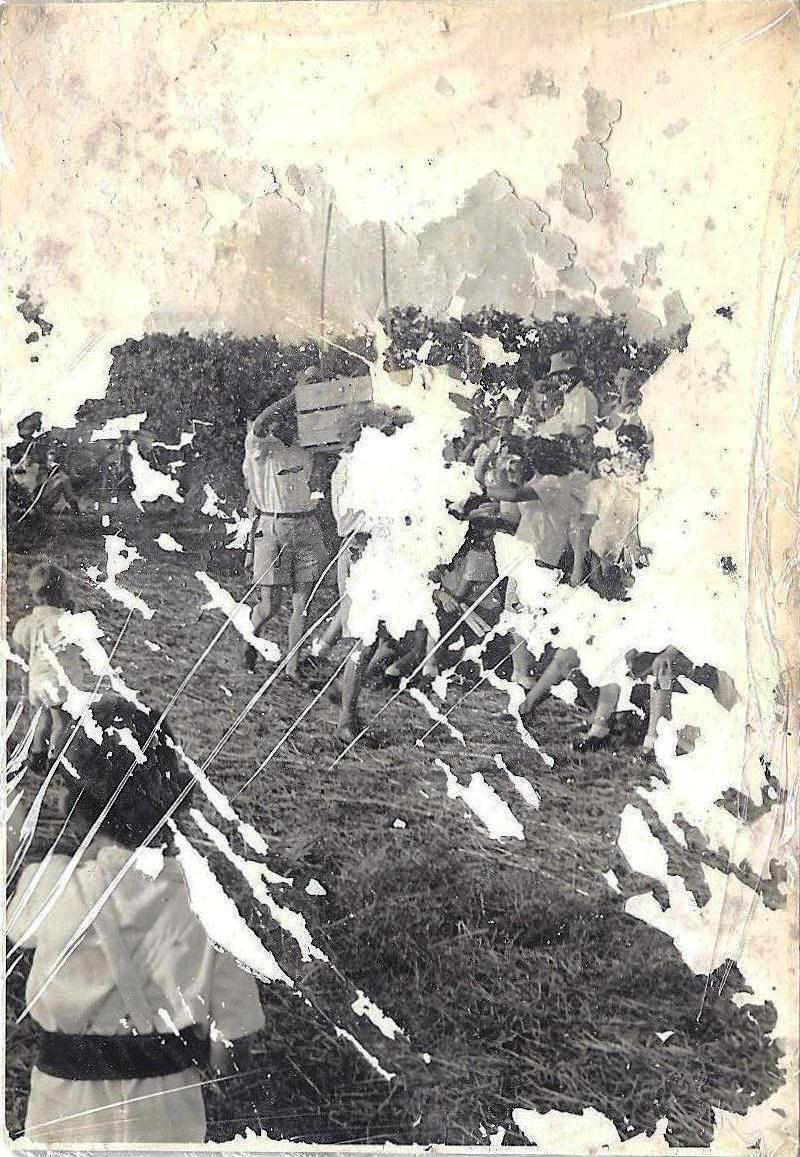
The reason I picked up this photo wasn't because of what's in it, or even what's on the back. It was because the picture was falling apart, flaking off - and I just couldn't leave it behind, where it might get completely destroyed. So I kept it carefully, and when I got home, well, I wish I had some fancy preservation techniques, but all I really could do is get some shrink-wrap around it, to (hopefully) stop the flaking. That's why the scan below has these weird lines on it, because it didn't stick straight and I didn't want to lift it and risk doing more damage. Not that there's much to see even without that:

הסיבה שאספתי את התצלום הזה לא הייתה בגלל משהו בתמונה, או אפילו בכיתוב מאחורה. לקחתי אותו פשוט כי התצלום עצמו היה על סף התפרקות והתפוררות - ולא יכולתי להשאיר אותו בשטח, כי אולי הוא ייהרס לגמרי. אז שמרתי אותו בזהירות, וכשהגעתי הביתה, נו, הלוואי שהיו לי טכניקות שימור משוכללות כלשהן, אבל אין לי, אז יכולתי רק לעטוף אותו בניילון נצמד בתקווה שזה יעצור את ההתפוררות. לכן יש את הקווים המוזרים האלה על התמונה הסרוקה שלמטה, כי זה נדבק לי עקום ולא רציתי להרים את הניילון מחשש שזה רק יגרום יותר נזק. לא שיש הרבה מה לראות, גם בלי הקווים:


Grass, trees, fancy white shirts, produce boxes; most likely, this is something like a Shavuot ceremony in a kibbutz or moshav. The two words on the back strengthen this impression.

דשא, עצים, חולצות לבנות חגיגיות, תיבות של תוצרת חקלאית; סביר להניח שמדובר על טקס שבועות בקיבוץ או במושב. שתי המלים שבצד האחורי מחזקות את הרושם הזה.


'The Orchard Show' - with 'orchard' here meaning specifically a citrus (especially orange) orchard, which are somewhat of a local pride (or at least used to be, before we sold the rights on the name to Spain). Anyway, that also brings to mind a Shavuot ceremony, celebrating the various agricultural products of the kibbutz/moshav. They would have the orchard part of the show, and something like wheat fields or tomatoes or dairy farming, or whatever else they had there, and they would have tractors on parade, all cleaned up and decked with hay and flowers, and maybe the kids (wearing white, and also decked with flowers) could get tractor rides.

'הפרדס מופיע' - וישר חושבים על הגאווה הישראלית של פרדסי תפוזים (לפחות לפני שמכרנו את הזכויות על השם 'ג'אפה' לספרד), וגם על טקסי שבועות ועל חגיגות ענפי המשק השונים בקיבוץ/מושב. אז בטח הייתה ההופעה של הפרדס, ומשהו של, נניח, שדות החיטה או העגבניות או הרפת, או מה שלא גידלו שם, ומצעד הטרקטורים, יפים ונקיים ומקושטים בחציר ופרחים, ואולי הילדים (בחולצות לבנות וזרי פרחים כמובן) יוכלו לנסוע על טרקטור.

I remember a few ceremonies like that, at the moshav where my dad grew up, when I was a kid. I suppose they're still happening, but I wonder if the atmosphere around them is the same, even for the kids. Things change. Children grow up. Agricultural areas, such as orchards, become built over. Communal settlements become more privatised, for better (the communal 'children houses', where kids were raised together away from their parents, were apparently quite traumatising for many people, and are generally considered a failed experiment) or for worse (loss of solidarity and a communal spirit and so on).
Some things fall apart, like this picture.

אני זוכרת כמה טקסים כאלה, במושב של אבא, כשהייתי ילדה. בטח עדיין יש טקסי שבועות, אבל אני תוהה אם האווירה נשארה אותו הדבר, אפילו לילדים. דברים משתנים. ילדים גדלים. שטחים חקלאיים כמו פרדסים הופכים לשטח בנוי. יישובים שיתופיים הופכים לפרטיים יותר, לטוב (נראה לי שבתי הילדים כבר מזמן הוכרזו רשמית כניסוי כושל עתיר-טראומות) ולרע (אובדן הסולידריות והערבות ההדדית וכו').
ויש דברים שמתפרקים, כמו התצלום הזה.

I don't know where or when it's from, or who these people are, or much else (tried to google the phrase, but nothing relevant came up). But I still like this image, and I did the best I could to keep it intact, at least for a little longer.

אני לא יודעת מאיפה או ממתי הוא, או מי האנשים האלה, או הרבה פרטים אחרים (נסיון לגגל את הצירוף לא מעלה שום דבר רלוונטי). אבל אני בכל זאת אוהבת את התמונה, ועשיתי מה שיכלתי כדי לשמור עליה שלא תתפרק, לפחות בזמן הקרוב.

And while we're on a sad note, this recent post at the blog Forgotten Bookmarks (I can't remember at the moment who sent me the link to this lovely blog, where the owner of a used book store posts various items he finds inside books - Yuval, was it you? - but anyway, thanks for it) has a little story found in a newspaper clipping, which is sad and beautiful and makes me think of the sort of thing I do here, too. It's a good read, and a good blog.

ואם כבר אנחנו מתעצבים, באחת הרשומות האחרונות בבלוג Forgotten Bookmarks (אני לא זוכרת כרגע מי שלח לי את הקישור לבלוג המקסים הזה, שבו בעל חנות ספרים משומשים מעלה רשומות על כל מיני פריטים שהוא מוצא בתוך ספרים - יובל, אולי אתה? - אבל תודה בכל אופן) יש סיפור קטן מתוך גזיר עיתון, והוא יפה ועצוב והוא מזכיר לי את סוג הדברים שגם אני עושה כאן. שווה לקרוא, ושווה להכיר את הבלוג הזה.

And that's all for now. Obligatory Facebook page reminder, for those who like Facebook things: It's here. See you next time!

וזה הכל לעת עתה. להלן התזכורת ההכרחית לעמוד הפייסבוק, למי שבקטע של פייסבוק: הוא כאן. להתראות ברשומה הבאה!

Wednesday, January 23, 2013

Election Special - ספיישל בחירות

הבטחתי פוסט מיוחד לבחירות, ונראה שאפילו אצליח לקיים. יש גלויה אחת, חביבה, שבערך מאז שמצאתי אותה תכננתי להעלות אותה אחרי הבחירות (מסיבות שתכף תראו בעצמכם), ויש גם בונוס קטן בסוף. קדימה לגלויה:

I promised a special post for the election, and looks like I'm actually going to keep that promise. There's one neat postcard that I've been planning, pretty much ever since I found it, to post after the election (for reasons that will soon be obvious), and there's also a little bonus at the end. To the postcard at hand:
צד קדמי:
Front:


זו תמונה די מוצלחת (אני חושבת שיש לי קטע עם תמונות שבהן צופים במושא התמונה דרך דלת או חלון - יש משהו בקומפוזיציה כזו שממש מוצא חן בעיניי), וכפי שמוסבר בצד האחורי של הגלויה, רואים בה את קתדרלת גרוסמונסטר בציריך דרך השער של כנסיית פראומונסטר (או, כפי שהוא נקרא שם, ה-Fraumünsterportal, מה שקצת גורם לי לחשוב על גברות-מפלצת בין-ממדיות, אבל נו, אני מוזרה). בכל אופן, כן כן, תמונה מוצלחת, אבל לא לשם כך נתכנסנו. נתכנסנו בשביל המסר בצד האחורי.

That's a very nice picture (I think I have a thing about pictures where the main object is viewed through a door or window - there's just something I really like about that sort of composition), and as the details on the back point out, it is a view of the Grossmünster church in Zurich, as seen from the gate of Fraumünster Abbey (or, as they call it, Fraumünsterportal, which kinda makes me think of interdimensional monster ladies, but, well, I'm weird). Anyway, yes yes, very nice, but it's not really what we're here for. We're here for the message on the back.

צד אחורי:
Back:


18.5.77
הילו, הילו,
הגעתי בשלום ועדיין מזועזע לגמרי מתוצאות הבחירות. א"י השלמה והכפייה הדתית ישתוללו כעת וסיכויי המלחמה גדֵלים.
מחר כאן חג והיום "עֵרב חג", מה שלא ידעתי, והכל נסגר ב-4. אך את רוב הדברים הספקתי.
מחר אני ממשיך לפריז, בה לא הייתי המון שנים. ציריך לא השתנתה, פרט למחירים. ד"ש לשמעון ופולט, מהם לא הספקתי להפרד.
[אני לא מצליחה לקרוא את שתי המלים האחרונות]
18.5.77
Hello, hello,
I made it safe and sound, and still reeling from the election results. Greater Israel and religious oppression will now go wild, and the probability of war is growing.
Tomorrow is a holiday here, and today is the 'holiday eve', which I was not aware of, and everything closes at 4. But I got most things done in time.
Tomorrow I'll be heading on to Paris, where I haven't been for ages. Zurich hasn't changed, except for the prices. Say hello from me to Shimon and Paulette, I never got the chance to tell them goodbye.
[I can't read the last two words]

כל כך דרמטי!
כפי שיהיה ברור לרובם ככולם של הקוראים הישראלים, אולי אפילו בלי להציץ בתאריך, מדובר כאן על המהפך של בחירות 1977, שאכן היה זעזוע די קשה להרבה אנשים אז, כפי שסיפרו לי מכרים שחיו באותו זמן. אגב, אני חושבת שבשלב זה כדאי לציין שאני כותבת את הפוסט לפני תום הבחירות הנוכחיות (ומתזמנת כך שיעלה רק ברביעי בבוקר), ואני לא יודעת מה יהיו התוצאות, אבל בכל אופן, סביר להניח שלא יקרה בהן זעזוע של ממש - ובוודאי שלא בסדר הגודל של 1977.

So dramatic!
This will probably be very clear to my Israeli readers, but for those who don't understand what this guy is so upset about, the date indicates the 1977 election, when the right wing took over after decades as the opposition party (Wikipedia insists on translating that as 'revolution', which is a rather terrible translation - something around the lines of 'overturning' would be more accurate - but I don't think I'll go fix it for fear of falling into some political edit war or something). It was a big shock for many people, as I was told by some folks I know who were alive back then. By the way, this is probably a good point to mention that I'm writing this post before the current election has ended (and queuing it to be posted Wednesday morning), so don't know what the results will be, but they're not likely to be shocking - not on this scale, anyway.

האם הדאגות של כותב הגלויה היו מוצדקות? קשה לי לומר, ואני גם רוצה לנסות להשאיר את המקום הזה נייטרלי ככל הניתן, ולפיכך רק אציין (אם כי מבחינת הקוראים הישראלים אני ככל הנראה מציינת את המובן מאליו) שהממשלה של מנחם בגין היתה זו שחתמה על הסכם השלום עם מצרים ב-1979, וגם זו שיצאה למלחמת לבנון ב-1982. ואם מפלגה אחרת היתה בשלטון, האם היה קורה משהו אחר? והאם זה היה לטובה או לרעה? אלה שאלות 'מה היה קורה אילו' מורכבות למדי, ואני לא יכולה לענות עליהן (ולא רוצה לנסות אפילו), ולמעשה אני לא יודעת אם בכלל אפשר לענות עליהן. בכל אופן, כפי שאמרתי, בלי קשר לדעות שלי-עצמי, אני משתדלת להשאיר את המקום הזה נייטרלי. כי כל העניין כאן הוא הגלויות הישנות.

So, was our writer right to be worried? I can't really say, and want to try and keep this place as neutral as possible. I'll just mention that Menachem Begin's government was the one who signed the peace treaty with Egypt in 1979, as well as the one that went into the Lebanon War in 1982. And under another government, would things have gone differently? And would it have been better or worse? These are fairly complex What-If questions, and I can't answer them (and don't want to even try), and in fact I doubt anyone can answer them for sure. And like I said, regardless of my own views, I want to try to keep this place neutral. Because this is all about the old postcards.

אז הבה נעבור לשאר מה שמסופר בגלויה. החג שהוא מדבר עליו הוא חג עלייתו של ישו לשמים, כפי שאפשר לראות כאן. ואיך היתה ציריך באותה תקופה? אין לי מושג. בערך שלה בוויקיפדיה האנגלית, החלק של 'היסטוריה מודרנית' מתייחס בעיקר למאה ה-19 (הערך בעברית מצומצם עוד יותר). כשניסיתי סתם חיפוש גוגל על 'ציריך ב-1977' מצאתי בעיקר אזכורים של הופעה של להקת ג'נסיס (אם אתם בקטע של פרוג רוק, אפשר לשמוע אותו כאן, אלא אם כן כמובן יוטיוב יחליטו להוריד אותו מתישהו) ומועדון כדורגל מקומי שעלה לחצי גמר אליפות אירופה (אם אתם בקטע של ספורט, הנה, מצאתי סרטון גם בשבילכם). וחוץ מזה לא נתקלתי במשהו מעניין במיוחד. כנראה שגם כותב הגלויה לא.

So let us go back to the rest of what the postcard says. The holiday mentioned is apparently the Ascension, as can be seen here. And what was Zurich like back then? No idea. In the Wikipedia article, the section on 'modern history' is mostly about the 19th century. Just trying to search for 'Zurich in 1977' on Google mostly finds me mentions of a Genesis concert (if you're into prog rock, here it is, unless YouTube takes it down at some point of course) and a local football club that got into the UEFA semi-finals (if you're into sports, here, there's a video for you too). Other than that, I didn't really see anything very interesting. I guess neither did the writer.

מה לגבי הנמענת? ניסיתי קצת לחפש, ומצאתי בגוגל כל מיני שולמית ברגר-יות, כולל אחת שהיא לא אופציה סבירה במיוחד אבל יש לה תפקיד מגניב: אוצרת האוספים המיוחדים בספריית ישיבה יוניברסיטי בניו יורק. למרבה הצער, האופציה הכי סבירה והכי עדכנית שמצאתי היא שולמית ברגר ז"ל, שמופיעה בשתי רשומות בענייני ירושה מ-2010. ולמה היא הכי סבירה? תסתכלו על הרשומה השנייה: שם המבקשת הוא פולט גורן. ופולט הוא לא שם נפוץ במיוחד, אז מיד חשבתי על שמעון ופולט, מהגלויה (חיפוש נוסף גם העלה שאכן יש שמעון ופולט גורן שגרים או התגוררו ברמת גן). זה לא הרבה, אבל זה משהו.
אגב, כשחיפשתי את פולט גורן גיליתי שהיא כתבה ספר - או ליתר דיוק, היא רשומה כמחברת של הספר הזה, שהוא אסופה של ציורים ורישומים שלה. למי שמתעניין אבל אין לו גישה לספר, מצאתי גם גלריה מקוונת. איזה יופי. אני לומדת כל מיני דברים מעניינים, מתוך החיפושים האלה.

What about the person this was sent to - Shulamit Berger? I tried doing some Google searches, and came up with a few Shulamit Bergers, including one which is not a likely option but has a cool job: Curator of Special Collections at the Yeshiva University library in New York. Unfortunately, the most likely and most recent option I saw was a late Shulamit Berger, who is mentioned in two records [Hebrew links] about inheritance matters from 2010. Why is this the most likely option? In the second record I linked to, the applicant is listed as Paulette Goren. And Paulette is not an especially common name, and it made me think about Shimon and Paulette from the postcard (another search found a Shimon and Paulette Goren who live, or used to live, in Ramat Gan). It isn't much, but it's something.
By the way, when I tried searching for Paulette Goren I found out she wrote a book - or rather, she is listed as the author of this book, which is a collection of her paintings and sketches. For those who might be interested but can't get the book, I also found an online gallery. How lovely. I learn all sorts of neat things, through these searches.

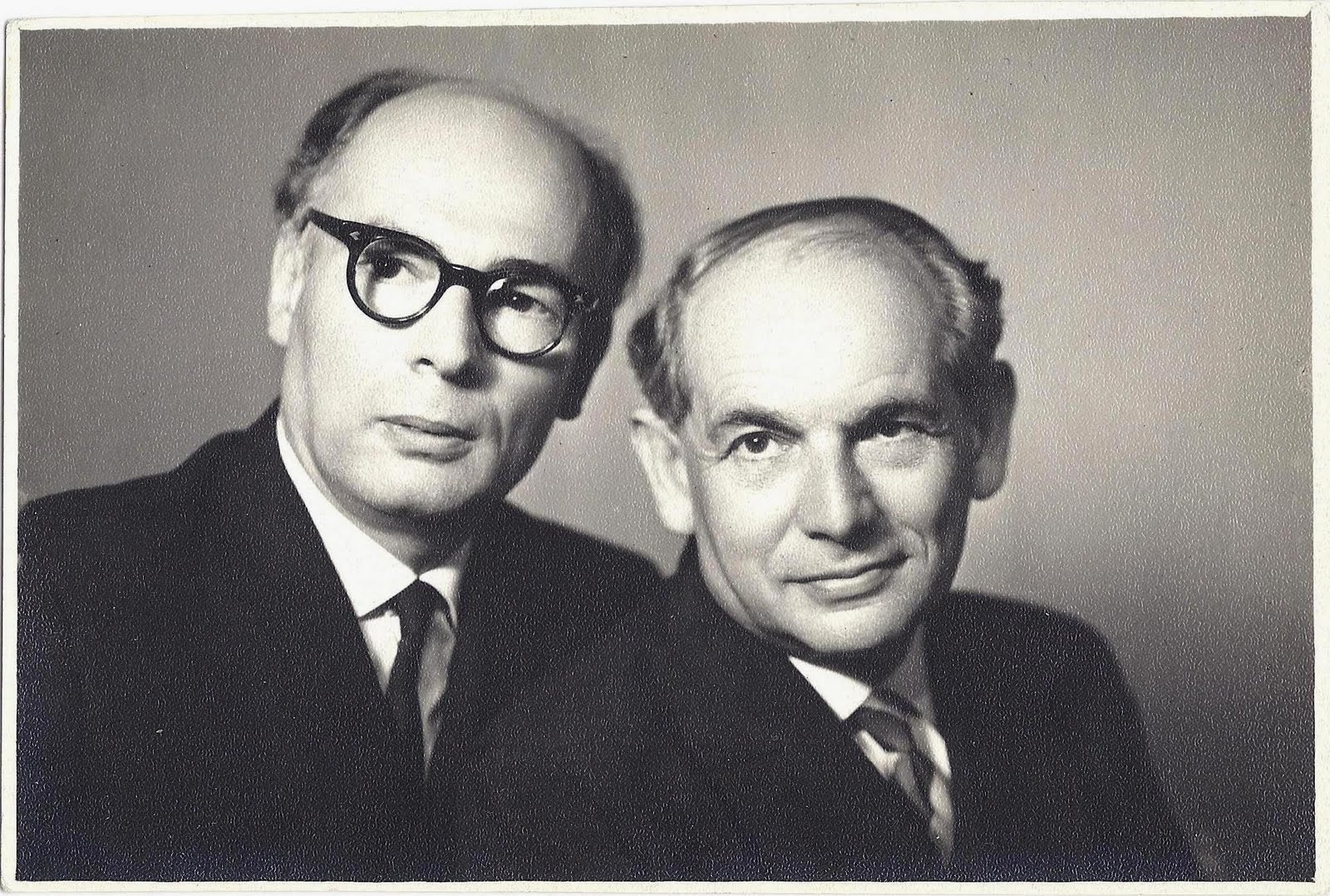
ואחרון חביב, הבונוס הקטן שצוין לעיל, וגם הוא קצת קשור לבחירות, אם כי די בעקיפין. בזמנו, כשהעליתי את סדרת האנונימים שלי, זו היתה אחת התמונות שחשבתי לכלול שם (אבל אז קצת נמאס לי והפסקתי את הסדרה). שני גברים, בתמונת שחור-לבן לא רעה:

And lastly, the little bonus I mentioned, which is also kinda election-related, although a bit less directly. Back when I was doing my anonym series, this was one of the photos I was going to use (but then I got a bit tired of doing the series and stopped it). Just two guys, in a rather nice black and white photo:


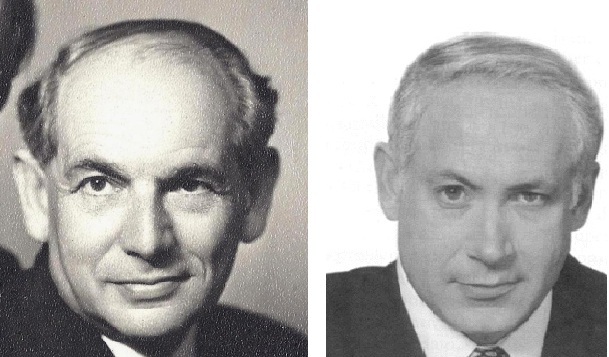
אין לי שום מידע עליהם - אין שמות, אין ארץ, אין תאריך. אבל משהו בתמונה הזו נראה לי קצת מוכר, וגרם לי לחשוב על פוליטיקאים. אולי הממושקף בצד שמאל הזכיר לי את בגין? המשקפיים שלו קצת דומים, אבל זה רחב מדי, ולא מספיק. זה לא זה. העניין הציק לי במשך זמן מה, עד שבסוף עליתי על זה:

Can't really know anything about them - no names, no nationalities, no date. But something about this photo seemed sorta familiar, and made me keep thinking about politicians. I couldn't figure it out, at first. Was the bespectacled guy on the left reminding me of Begin? Well, the glasses are sorta similar, but that's too wide, and really not enough. Can't be it. It was bugging me for a while, until finally I figured it out:


נכון? נכון?! זה ממש אותו פרצוף!
אני מקווה שזה משעשע אתכם כפי שזה משעשע אותי.
ובזאת נשלם ספיישל הבחירות הקטן שלי. עד הפעם הבאה (מתי שלא תהיה) - תישארו אופטימיים, אופטימיות זה חשוב.

Right? Right?! Practically the same face!
Hope you're as amused by that as I am.
And this concludes my little election special. Till next time (whenever that ends up being) - stay optimistic, optimism is important.

Wednesday, June 6, 2012

Out of principle - מתוך פרינציפ

ונפתח בשתי הודעות מנהלתיות:
א. לבלוג יש עכשיו גם עמוד פייסבוק. אז מי שמעדיף להתעדכן בפייסבוק - בבקשה. ולא אכחיש שקצת צומי (בדמות לייק, שייר וחבריהם) תעשה לי טוב על הלב. [הערה: חשבתי לעשות איזה וידג'ט כזה עם קישור רשמי-למראה לפייסבוק, אבל לא הצלחתי למצוא איך עושים את זה בלי מה שנראה לי כמו המון ווג'ערא'ס. אם אתם מכירים דרך קלה ופשוטה לארגן את העניין, אשמח לשמוע. עד אז, פשוט הוספתי עוד קישור לרשימת הקישורים.]
ב. כפי שכבר עדכנתי בעמוד הנ"ל, הוספתי לאחרונה כמה פרטי מידע מגניבים למדי לרשומה 'האדונית מסקערניעוויץ', אותם תוכלו למצוא כאן.
ועכשיו, גלויה! האח!

To start, two administrative announcements:
1. The blog now has a Facebook page. So those who prefer to get their updates that way - go ahead. Also, I will not deny that a certain amount of gratuitous attention (in the form of likes, shares, and all that stuff) will be rather nice. [Note: I thought of making one of those official-looking Facebook button side widget things, but couldn't find a way to do it without what looks like a lot of hassle. If you find a quick and simple way, let me know. Until then, it's just another link on my link list.]
2. As has already been updated in the aforementioned page, I recently added a few pretty cool details to the post 'The Lady from Skierniewice', which you can find here.
And now, a postcard! Hurrah!

אני לא בטוחה אם שמתי לב לראשונה לגלויה הזו בגלל התמונה או בגלל מה שכתוב בה, אבל התמונה באמת נחמדה. די יוצאת דופן - לא רואים כ"כ הרבה גלויות שמציגות אמצעי תחבורה יומיומיים.

I'm not sure if I first noticed it because of the picture or the writing, but the picture is nice. Sort of unusual - you don't see that many postcards depicting mundane means of transportation.

צד קדמי:
Front:


הכתובית בתחתית התמונה (Rorschach-Heiden Bergbahn: מסילת הרכבת ההררית רורשאך-היידן, וזה גם שם של חברת רכבות ישנה, כפי שאפשר לראות בראשי התיבות RHB על קרון הרכבת עצמו - אפשר לקרוא קצת על החברה באנגלית כאן, או, למי שקורא גרמנית, אפשר לקרוא ערך הרבה יותר מפורט כאן) מביאה אותנו היישר אל הפינה הצפון-מזרחית של שווייץ, על שפת ימת קונסטנץ, היא ה-Bodensee (ר' מפה למטה). נראה כמו מקום חביב למדי, ובכלל, נראה לי שמתאים לחזור להרים הקרירים של שווייץ עכשיו כשבחוץ נהיה כבר קיץ וחם.

The caption at the bottom (Rorschach-Heiden Bergbahn: the Rorschach-Heiden mountain railway, and also the name of an old railway company, as seen in the initials RHB on the actual train car - you can read about it here, or, if you read German, there seems to be a much more detailed entry here) places us right in the northeastern corner of Switzerland, on the shore of Lake Constance, or Bodensee (see map below). Seems like a rather lovely place, and it kinda feels right to return to the cool mountains of Switzerland now that it is getting hot and summery out again.


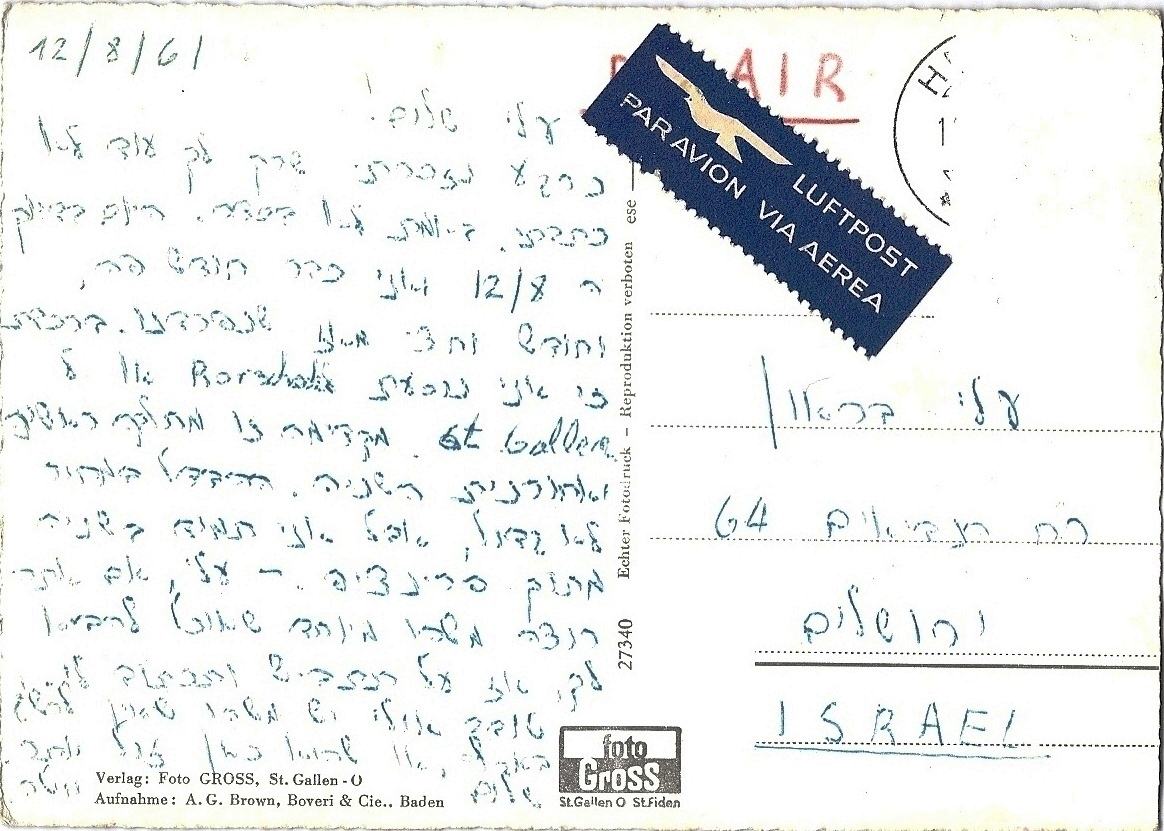
אבל כמו שקורה לעתים קרובות, החלק החביב עליי הוא מה שכתוב בצד האחורי. חוששתני שהסריקה לא יצאה משהו, אבל כרגיל צירפתי תעתיק ותרגום מתחת.

But as is often the case, my favourite part is on the back. The scan isn't great, I'm afraid, but as usual I got the transcription and translation right below.

צד אחורי:
Back:


12/8/61
עלי שלום!
כרגע נזכרתי שרק לך עוד לא כתבתי. באמת לא בסדר. היום בדיוק ה 12/8 ואני כבר חודש פה, וחודש וחצי מאז שנפרדנו. ברכבת זו אני נוסעת לRorschach או ל St Gallen. מקדימה זו מחלקה ראשונה ואחורנית השניה. ההבדל במחיר לא גדול, אבל אני תמיד בשניה מתוך פרינציפ. - עלי, אם אתה רוצה משהו מיוחד שאוכל להביא לך, אז על [כך במקור!] תתביש ותכתוב לי, טוב? אולי יש משהו שאין להשיג בארץ, או שהוא כאן זול יותר.
שלום, ויטה[?]

12/8/61
Hello, Eli!
I just remembered now that you are the only one I have not written yet. How dreadful of me. Today is exactly 12/8 [for any American readers: that means August 12, not December 8] and I am already here a month, and it's been a month and a half since we said goodbye. This is the train that I take to Rorschach or to St Gallen. At the front is the first class, at the back the second. The price difference isn't very big, but I am always in the second, out of principle. - Eli, if you want anything special that I can bring you, then dont [sic!] be shy and write me, alright? Perhaps there is something that can't be found back home, or that is cheaper here.
Goodbye, Vita[?]

ניסיתי לחפש את עלי בראון, אבל לא מצאתי שום דבר שנראה כמו זיהוי מוחלט של הבנאדם. יהיה קשה עוד יותר לחפש את הכותבת, כי אני אפילו לא בטוחה שאני מצליחה לקרוא את השם שלה כמו שצריך. בכל אופן, זה לא ממש משנה; העיקר כאן הוא הסיפור, מה שנאמר כאן, ואיך הוא נאמר. ותכל'ס, נכון שזה מגניב? יש כאן איזה טון דיבור שעולה מהכתיבה די בבירור - אפשר ממש לדמיין אותה, לא? יש פה משהו חמור-סבר כזה, שגורם לי לחשוב על אישה קצת מבוגרת, קצת דודתית או מורתית, מאלה שתמיד יודעות מה הן רוצות ולמה, שיש להן סיבות ספציפיות ותכניות מסודרות (קצת מזכיר לי את האמא מ'להתראות לנין', ואם לא ראיתם את הסרט הזה כדאי שתראו כי הוא נהדר). מה היא עושה בשווייץ, לתקופה של לפחות חודש, ואולי יותר? ועוד בתחילת שנות ה-60, כשנסיעות לחו"ל לא היו עניין נפוץ במיוחד פה בארץ? האם היא נסעה לאיזה בית הבראה, או אולי ללימודים (יש אוניברסיטה בסנט גאלן)? בכל אופן, אני משערת שהיא נהנתה שם, ושגם אם היא בסך הכל היתה שם בחופשה נינוחה, היא בכל זאת הלכה לכל מקום בקצב נמרץ, תמיד עם מטרה ברורה לפניה, כי היא פשוט היתה בנאדם כזה.

I tried looking for Eli Brown/Braun/Bar-On, but didn't come up with anything that feels like it might definitely be the guy. Would be even harder to search for the writer, since I'm not even sure I'm reading her name right. Anyway, this doesn't really matter; it all about the story, all about what is being told, and how. And really, isn't it neat? There's a certain tone of voice that comes so clearly through the writing - you can just imagine her, can't you? (At least, I tried to capture in the translation what she sounded like to me.) There's a sort of severity about it that makes me think of a somewhat older woman, a little like a teacher, the kind who always knows what she wants and why, the kind who has specific reasons and orderly plans (it sort of makes me think about the mother from Goodbye Lenin, which you should see if you haven't because it's a lovely film). What is she doing in Switzerland, for at least a month, and possibly longer? And back in the early 60s, when trips abroad weren't very common around here? Is she there for her health, or maybe for study (there's a university in St. Gallen)? Anyway, I'm assuming she enjoyed herself, and that even if she was there on a leisurely vacation, she walked briskly everywhere, always with a clear purpose, just because that's the sort of person she is.

אבל כמובן, זה רק הדמיון שלי - זה רק מה שאני רואה, כשאני מסתכלת על הגלויה. אנשים אחרים אולי יראו דברים אחרים. אם יש לכם סיפורים משלכם, אתם מוזמנים לחלוק.

But of course, that's just my imagination - just what I see, when I look at this card. Other people might see other things. If you have your own stories, go ahead and share them.


עדכון (12 באוקטובר 2012): תגובה אנונימית אחת מצאה לי את עלי בראון מהגלויה - ואני ממש שמחה על זה, כי זה סיפור נפלא. הנה הקישור שקיבלתי שם, ואתם יכולים פשוט ללכת ולקרוא, אבלאם לא בא לכם, התקציר הוא כזה: בבית שבכתובת הזו, ברחוב הנביאים 64, התגוררה רחל המשוררת אחרי שנאלצה לעזוב את קיבוץ דגניה בגלל השחפת שלה. את השיר הלירי העצוב-אך-אופטימי והיפהפה שלה 'עץ אגס' - אחד השירים העבריים האהובים עליי (בקישור אפשר לקרוא גם את התרגום האנגלי החיוור שלו) - היא כתבה שם, על עץ האגס שגדל בחצר מחוץ לחלונה.
אז מה לכל זה ולעלי בראון, מלבד הכתובת המשותפת? ובכן, אחרי שרחל עברה לתל אביב, אבא של עלי, וולפגנג בראון (אני די בטוחה שהוא מופיע בעוד כמה גלויות שהעליתי פעם; אבדוק את העניין אחר כך) התגורר בבית במשך הרבה שנים. למעשה, הוא מת שם ב-2009, בגיל 94. הוא היה מאוד קשור לסיפור של רחל, וכשעץ האגס שהונצח בשיר מת לפני כמה שנים, הוא ובנו עלי נטעו עץ אגס חדש במקומו. מקסים, לא?

Update (Oct 12 2012): Some anonymous in the comments found me the Eli Braun from the postcard - and I'm so glad s/he did, because it's a  wonderful story. The link there is to an article in Hebrew (and I suppose most of the story will speak more to the Hebrew-speakers, but it's still wonderful), but the gist of it is that the house at this address, 64 HaNevi'im Street, was for a while the home of one of the most famous Hebrew women poets, Rachel. She moved there from the kibbutz after she was diagnosed with tuberculosis and was no longer allowed to work with children (a work she loved, by all accounts). Yes, she basically fulfilled the stereotype of the frail, lonely poet dying from consumption. But she wrote beautiful poetry. During the time she spent in Jerusalem she also wrote one of my favourite poems, the lyrical, sad-yet-optimistic Pear Tree (alas, so much is lost in this translation - you'll just have to trust me that in the original Hebrew it's just beautiful), about an actual pear tree growing in the courtyard, outside her window.
But while all this introduction was probably necessary for my non-Hebrew readers, at this point you are probably asking yourselves what it all has to do with Eli Braun, except for that address. Well, after Rachel moved to Tel Aviv, Eli's father, Wolfgang Braun (who I'm pretty sure appeared in some previous postcards I had here; I'll look it up later) lived in that house for many years. In fact, he died there in 2009, at the age of 94. He cared a lot about the story of Rachel, and when the pear tree immortalised in the poem died some years ago, he and Eli planted a new pear tree in its place. Isn't that sweet?
Thank you, Anonymous!

והנה המקום עכשיו - או לפחות, פיסת הגינה שאפשר לראות כשמסתכלים מהרחוב:

And here's the place now - or at least, the bit of the garden you can see from the street:

Thursday, May 24, 2012

Be Prepared - היה נכון

It's not like I'm going to make a new tag just for 'I found this inside a book' or something, but, well, I found this inside a book. Was just reading some Agatha Christie novel I picked up in a use book store, and this piece of paper was inside.

זה לא שאני הולכת ליצור תגית חדשה רק לנושא 'מצאתי את זה בתוך ספר' או משהו כזה, אבל, נו, מצאתי את זה בתוך ספר. סתם קראתי לי איזה בלש של אגתה כריסטי שמצאתי בחנות ספרים משומשים, וחתיכת הנייר הזו היתה בפנים.

Of course, I got really excited about it, because it's so neat to me to think that it's just been sitting in a book since the early 60s (when it was probably used as a temporary bookmark by someone who just picked up the first piece of paper lying around, because he knew better than to leave the book open page-side down, because you do not do that to a book, dammit, but I'm getting carried away), with the book changing hands who knows how many times, until it ended up on my shelf. And I left it in the book, because someday in the future that book will move on again, and so will this thing. It might be used as a bookmark again; it might be noticed, and enjoyed, and maybe even treasured; it might be thrown away. For now, it's here, in the permanent temporary collection that is the internet. Have a look.

וכמובן שזה ממש הלהיב אותי, כי זה ממש מגניב בעיניי שדבר כזה פשוט ישב בתוך הספר מאז אי-אז בתחילת שנות ה-60 (כשמישהו בטח השתמש בו כסימניה זמנית, כי הוא היה מספיק חכם כדי לא להשאיר את הספר פתוח עם הדפים למטה, כי לא עושים דבר כזה לספר, לעזאזל, אבל אני נסחפת), ובינתיים הספר החליף ידיים מי יודע כמה פעמים, עד שבסופו של דבר מצא את עצמו על המדף שלי. ואני השארתי את הנייר בספר, כי מתישהו בעתיד הספר ימשיך את המסע שלו, והנייר ביחד איתו. אולי שוב ישתמשו בו כסימניה; אולי ישימו לב אליו, ויהנו ממנו, ואפילו ישמרו אותו; אולי יזרקו אותו לפח. בינתיים, הנה הוא כאן, באוסף הקבוע והזמני של האינטרנט. בואו תראו.

Front:
צד קדמי:


Okay, so it's a smiling Israeli kid (he actually looks kinda Aryan, but you can tell he's Israeli because if the tembel hat), with a... medal? First prize ribbon? Flower? What is that thing? Also, he appears to be signalling a semaphore P (or, assuming it's in Hebrew, a semaphore samekh). Or perhaps trying to say 'Halt! Look over there!' or 'He went that way!'. It's an odd piece of clip-art, and that enough would have been a reason to love this thing, even without what's on the back.

אוקי, אז זה ילד ישראלי מחייך (יש לו דווקא מראה די ארי, אבל רואים שהוא ישראלי, הוא חובש כובע טמבל), עם... מדליה? דבר כחול כזה [כמעט כתבתי 'סרט כחול', כי באנגלית זה ribbon. אבוי.] של מקום ראשון כמו בתחרויות עוגות אמריקאיות? פרח? מה זה הדבר הזה? אה, והוא כנראה גם מאותת P בסמאפור (או, בהנחה שהוא מאותת בעברית, ס בסמאפור). או שאולי הוא מנסה לומר 'עצור! תסתכל הצידה!' או 'הוא הלך לשם!'. זו פיסת קליפ-ארט מוזרה למדי, ורק היא כשלעצמה היתה יכולה להיות סיבה מצוינת לאהוב את הפתקה הזו, אפילו בלי מה שכתוב מאחורה.

Back:
צד אחורי:


לכב' דיירי הבית מס' __12__ ברח' __הגדוד העברי__

        מועדים לשמחה

בביקור שערכנו בביתכם מצאנו, כי
[א.] החצר אינה מוחזקת במצב תקין
[ב.] אין גינה מטופחת
ג. פחי אשפה אינם מכוסים
[ד.] השטח מסביב לפחי האשפה אינו נקי
ה. חדר המדרגות מוזנח

אנו בטוחים, כי תדאגו לבריאותכם וכי אתם מעונינים בסדר ובנקיון ולא תחכו שיבואו מפקחי העיריה ויטילו עליכם קנסות-ברירה בהתאם לחוק.
                                     צופי ירושלים

ירושלים, חול המועד סוכות תשכ"ג
For the residents of house no. __12__ on __HaGdud HaIvri__ St.

        Happy Holidays

On a visit to your house we have found, that
[a.] The yard is not properly maintained
[b.] No well-kept garden
c. Trash bins are not covered
[d.] The area around the trash bins is not clean
e. Stairwell is dilapidated

We are certain, that you will take care of your health and that you are interested in order and cleanliness and will not wait for the municipal inspectors to come and issue a fine or alternative penalty as required by law.
                                                  Jerusalem Scouts

Jerusalem, Chol HaMoed Sukkot, 1962

But the back, oh, it's marvellous. I think my favourite part is the phrasing in that last, underlined sentence, which kinda makes me think of a protection racket ('Now you're a nice guy, yaknow. We're sure you're a reasonable man, and you'll... take care of business, before some folks come around to give you trouble'). I'm sure they didn't mean it, because after all, they're just Scouts [Note to non-Israeli readers: the Israel Scouts are not divided into Boy/Girl Scouts, but it's basically sorta the same thing. I think. I wasn't in the Scouts]. They wanted to keep the neighbourhood pretty, so they patrolled the streets and left people notes, to let them know that - if I'm correct in reading the combination of circling and striking there - their yard is not properly maintained and the area around their trash bins isn't clean. With a nice picture of a smiling boy in a tembel hat. But still, there's something so disturbingly passive-aggressive about it.

אבל אוי, הצד האחורי פשוט מופלא. אני חושבת שהחלק שהכי מוצא חן בעיניי הוא הניסוח של המשפט האחרון, המודגש בקו, שקצת מזכיר לי פרוטקשן ('אתה דווקא נחמד, אתה. אנחנו בטוחים שאתה בן אדם הגיוני ושאתה... תטפל בעניינים, לפני שיבואו אנשים שיעשו לך בעיות'). אני בטוחה שלא זו היתה הכוונה, כי בכל זאת, סה"כ צופים. הם רצו לשמור על פני השכונה, אז הם סיירו ברחובות והשאירו לאנשים פתקים אינפורמטיביים כדי להודיע להם ש--אם הבנתי נכון את השילוב של הקפה בעיגול ומחיקה בקו שיש שם--החצר שלהם אינה מוחזקת במצב תקין והשטח מסביב לפחי האשפה שלהם אינו נקי. עם ציור חביב של ילד מחייך בכובע טמבל. אבל בכל זאת, יש בזה משהו כ"כ מטריד, פאסיבי-אגרסיבי כזה.

Well, it was a different time. To be honest, I can't imagine the Scouts nowadays walking around the streets and telling people they need to clean up. You can see it as a loss of community spirit and that feeling that we're all a part of society and have to pull together to make it work; or perhaps you can see it as higher awareness of people's right to privacy and to not have self-appointed committees telling them if their house is nice enough. Any way you choose to look at it, it definitely marks a different era.

טוב, זו היתה תקופה אחרת. למען האמת, אני לא יכולה לדמיין את הצופים כיום מסתובבים ברחובות ואומרים לאנשים לנקות את החצר. אפשר לראות בזה אובדן של הערבות ההדדית, של התחושה הזו שכולנו חלק מהחברה ואנחנו צריכים לעבוד ביחד כדי שהיא תצליח; או שאולי אפשר לראות בזה מודעות גבוהה יותר לזכותם של אנשים לפרטיות, ולזכות שלא יבואו כל מיני ועדות-מטעם-עצמן ויחליטו להם אם הבית שלהם נראה מספיק מטופח. איך שלא בוחרים להסתכל על זה, בהחלט מדובר כאן על סימן של עידן שחלף.

Now, how about taking a look at the place? I'm pretty sure this is the first post where I get to use Google Street View in Israel, and look, you can see the actual building this note has been talking about!

ועכשיו, בואו נסתכל על הבית. אני די בטוחה שזו הרשומה הראשונה שבה יוצא לי להשתמש ב-Google Street View בישראל, ותראו, אפשר לראות ממש את הבניין שמצוין בפתקה!


Actually, it's probably not the same building - looks a bit too new, to me, although I'm not a very good judge of that. I have no idea what it all looked like back in 1962. Perhaps a little less well-kept. It's a pretty nice place to live nowadays, anyway.

טוב, בעצם זה בטח לא ממש אותו הבניין - הוא נראה לי קצת חדש מדי, אם כי אני לא מבינה בזה יותר מדי. אין לי מושג איך האזור נראה בכלל בתשכ"ג. אולי קצת פחות מטופח. בכל אופן, כיום זה אזור שדי נחמד לגור בו.

Well, that's all for today. Next post, a return to postcards? Yeah, I think so. Been a while since I did a postcard.

וזהו להיום. ברשומה הבאה חוזרים לגלויות? נראה לי שכן. מזמן לא העליתי גלויות.

Thursday, February 2, 2012

Beth Alpha - בית אלפא

בזמן שעבר מאז הרשומה הקודמת הייתי עסוקה בעיקר בענייני הגשת תזה, ולכן היה לי ברור לגמרי שכשאביא את עצמי לחזור לכתוב כאן, הגלויה שאציג תהיה גלויה אחת מסוימת שנחרטה לי בזכרון בזכות המשפט 'היום סוף סוף מסרתי את העבודה'. חשבתי שזה מתאים.

In the time since I wrote the last post I was mostly working on things relating to my thesis, so it was absolutely clear to me that when I bring myself to write here again, the postcard I will be showing will be the one specific card that remained in my memory thanks to the sentence 'Today I finally turned in that paper'. It felt fitting.

ובכן, הריהי לפניכם. התמונה שעל הגלויה היא מקטע קטן מהפסיפס של בית הכנסת בבית אלפא, ומתואר בה ארון קודש שלצידיו מנורות, ציפורים ואריות. כמו בשאר חלקי הפסיפס, הציורים הם פשוט... נו, אין מלה אחרת: הם חמודים נורא. יש בעולם (ובארץ) פסיפסים משוכללים יותר, ריאליסטיים יותר - אבל אני אוהבת את הפסיפס הזה דווקא מפני שהוא מזכיר קצת ציורי ילדים. הוא מקסים בעיניי (ויש לו כמובן חשיבות הסטורית וכו', אבל על זה אתם יכולים לקרוא אצל אנשים שמבינים יותר ממני).

Well, here it is. The picture on the front is a small part of the mosaic floor of the Beth Alpha synagogue, and it shows a Torah Shrine surrounded by menorahs, birds and lions. Like in the other parts of this mosaic, the pictures are just... well, there's no other way to say it: they are simply adorable. Elsewhere in the world (and here in Israel) there are fancier, more realistic mosaic works - but I like this one exactly because it looks a little like children's drawings. I think it's lovely (and of course it has historical significance and so on, but about that you can go read what people who know more than me wrote).

צד קדמי:
Front:

בכל אופן, הסיבה שרציתי את הגלויה הזו היא, כרגיל, בעיקר בגלל הצד האחורי. אפילו לפני שקראתי את הכל, אהבתי מאוד את צורת הכתיבה: כתב קטן וצפוף שמתפתל מסביב-סביב לגלויה, מנצל כל פיסת מקום להכניס עוד כמה מלים. גם אני כותבת כך (ויעידו כל מי שאי פעם ניסו לשאול ממני סיכומי שיעור), ואפילו רק בזכות זה כבר הרגשתי חיבור עם הכותבת. כשקראתי, אהבתי גם את הנימה שלה באופן כללי (איזה סטודנט לא מכיר את ההרגשה שאפשר להספיק הכל אם רק לא היה צריך להשחיל את שעות השינה האלה באמצע?), נימה אופטימית ופעלתנית מאוד. הרגשתי שאני יכולה כמעט לדמיין אותה, מתרוצצת בסמטאות העיר העתיקה, מטפסת במדרגות של כנסיית הגואל הגרמנית הלותרנית, נשארת ליד השולחן עד מאוחר כדי לגמור רק עוד משהו אחד... והיא מצאה חן בעיניי.

Anyway, the reason I wanted this card is, as usual, mainly because of what's on the back. Even before I read the whole thing, I loved the way it was written: in tiny crowded handwriting, crawling all around the card, using every little bit of space to squeeze in a few more words. I write like this, too (as anyone who ever tried to borrow class notes from me could testify), and even just this got me to feel a connection with the writer. When I read it, I also liked her tone in general (what student is not familiar with the feeling that you can do everything if only you didn't need to find room for sleep in the middle of it?), a very optimistic and bustling sort of tone. I felt I could almost imagine her, running around the alleys of the Old City, climbing the stairs of the German Lutheran Church of the Redeemer, staying up late at her desk to finish up just one more thing... and I liked her.

צד אחורי:

Back:


ירושלים, 30.6.68
שלום אמא, ואבא אם גם אתה בגרמניה זה טוב, לפחות בענין קריאת הגלויה.
היום סוף סוף מסרתי את העבודה. אני מקווה שלמרות המהירות שבה היא נעשתה, היא בסדר.
בסוף כבר לא יכולתי להסתכל על הביצורים למיניהם.
היום זה יום התארגנות וממחר רק יונית[?].
איך היה בחתונה, אני ממש מתה מסקרנות לשמוע. למרות המירוץ הגדול הספקתי בשבת להיות בעיר העתיקה על המגדל המרובע של הכנסיה הלותרנית - ממש יופי מפה חיה. כמו כן הייתי אצל איזה סוחר עתיקות עם נגב ורנטה ובדיוק הגיעו כל הפלחים עם הסחורה שלהם, מטבעות, חרסים כדים, חרבות עתיקות. היה ממש מרתק לראות איך המסחר הזה נעשה. ההספק שלי לאחרונה ממש מדהים אותי, אמנם אני ישנה מעט אבל בינתיים זה הולך. נקוה שיחזיק מעמד לפחות עד ה19.
ד"ש מברטה ומרוזלאר[?].
ביום רביעי טלי נוסעת לצרפת - כֵף.
ירשתי סלַיד פרוז'קטור, אם תמצאו שקופיות מענינות - אפשר יהיה לסדר ערב שקופיות בבית.
אני מקוה שתצליחו לקרוא.
שלכם, רות.
ד"ש לאולגה ושות'
Jerusalem, 30.6.68
Hello mum, and dad if you're in Germany as well that's good, at least as far as reading the postcard is concerned.
Today I finally turned in that paper. I hope that in spite of being done so quickly, it's okay.
Around the end I just couldn't look anymore at all sorts of fortifications.
Today is one day for getting organised, and starting tomorrow just Greek[?].
How was the wedding, I'm just dying of curiosity to hear about it. Despite the great race, I managed on Saturday to be in the Old City on that square tower of the Lutheran church - it's just lovely, a living map. In addition, I went to an antique seller with Negev and Renata just when all the local farmers came in with their wares, coins, pottery, jugs, ancient swords, it was just fascinating to see how this trade is being done. My capacity lately is simply astonishing me. It's true I don't sleep much, but in the meanwhile it's going fine. Let's hope it'll last at least until the 19th.
Berta and Roselaar[?] say hello.
On Wednesday Talli is going to France - fun.
I inherited a slide projector, if you find any interesting slides we could arrange a slide-show night at home.
I hope you can read this.
Yours, Ruth.
Say hello to Olga and co.

אבל עכשיו מגיע הקטע המגניב באמת. כשהתחלתי לכתוב את הרשומה, החלטתי לנסות לחפש את הכותבת. לרוב החיפושים האלה לא מעלים הרבה מידע (המקרה הזה היה די יוצא מן הכלל); לכל היותר, אני מוצאת איפשהו אזכור של מישהו עם שם דומה, אבל אין לי שום דרך לדעת אם זה אכן מי שבגלויה או לא. אז התחלתי את החיפושים בלי הרבה ציפיות. משום מה חיפשתי בהתחלה את השם באנגלית, Ruth Jacoby, ומצאתי כל מיני נשים מעניינות בשם זה (אחת דיפלומטית בכירה ב-OECD, למשל, ועוד אחת שעוסקת בחינוך), אבל הן לא נראו מתאימות. ואז חיפשתי בעברית, 'רות יעקבי', ומצאתי כמה ספרים שמישהי בשם זה כתבה בנושאים שקשורים לארכיאולוגיה ויודאיקה, וזה כבר התחיל לצלצל לי יותר טוב.

But now comes the really cool part. When I started writing this post, I decided to try and find the writer. Usually, these searches don't turn up a lot of information (this is a notable exception); at the most, I might find somewhere a mention of somebody with a similar name, but have no way of knowing if it's the person from the postcard or not. So I started searching with fairly low expectations. For some reason I started by looking for the name in English, and found a number of interesting women named Ruth Jacoby (one of them is some high-level diplomat at the OECD, for instance, and another works in education), but they didn't seem right. Then I looked for the name in Hebrew, and found a few books that someone of the same name wrote that were about subjects related to archaeology and Judaica, and that started sounding better already.

אחד הספרים האלה (בעצם, חוברת עזר לשיעור על הארכיאולוגיה של ירושלים) יצא באוניברסיטה העברית, וחשבתי לעצמי שהיי, אולי נבדוק ב'חיפוש אנשים' באתר האוניברסיטה ונראה אם היא מופיעה שם, ואם כן - אם יש לה כתובת דוא"ל. ולשמחתי, אכן מצאתי את הכתובת!
במקביל חיפשתי אותה גם בקטלוג הספריה, ושם הופיעה שנת הלידה 1942 - כלומר, היא היתה בת 26 כשהגלויה נכתבה - וגם זה התאים, אז כבר ממש הסתקרנתי. לא ידעתי אם היא עדיין מלמדת, וכמה סביר שהיא תענה לדוא"ל, אבל בסופו של דבר החלטתי לאזור אומץ ולנסות לכתוב.

One of these books (more of a textbook really, for a class about the archaeology of Jerusalem) was published by the Hebrew University, and I figured hey, let's try and check the Hebrew U staff directory, see if she's listed, and if so, whether she has an email address. And to my great joy, I did find an address!
At the same time, I also looked her up in the library catalogue, where her birth year was given as 1942 - meaning she was 26 when this card was written - and that fit as well, so I really got curious. I didn't know if she's still teaching, and how likely she would be to answer an email, but eventually I decided to muster the courage to try and drop her a note.

היא ענתה די בזריזות, ואישרה שאכן זו גלויה ששלחה להוריה, והוסיפה: 'נדמה לי שהתמונה היא מאוסף הגלויות הישן של המכון לארכיאולוגיה שחפר בזמנו בבית אלפא'. נחמד לדעת - לא חשבתי בכלל שזה פרט בסיפור, בעצם לא חשבתי הרבה על התמונה באופן כללי, ואני אוהבת שבחירת הגלויה גם היא קשורה, ולו בעקיפין, ללימודים שמוזכרים בחטף בטקסט. מכיוון שלא רציתי לפגוע בפרטיות שלה ביקשתי גם אישור מצידה לפרסם את הרשומה, ואחרי שתיארתי בקווים כלליים את מה שאני מתכוונת לכתוב היא הסכימה ברצון. בכל זאת, לא רציתי לתחקר אותה על פרטים נוספים (כמו השמות האחרים שמופיעים בגלויה), כי יש גבול כמה אפשר לנג'ס לבנאדם על גלויה שנכתבה לפני יותר מארבעים שנה. אני פשוט שמחה שהיא החזירה לי תשובה וחלקה איתי את פיסת ההיסטוריה הזו.

She replied pretty fast, confirming that this was, indeed, a postcard she sent to her parents, and added: 'I think the picture is from the old postcard collection of the Institute of Archaeology, that did some digging in Beth Alpha at the time'. And that's nice to know - I didn't think it's a part of the story, I actually didn't think all that much about the picture at all, and I like that the choice of postcard is also related, even if it's in a round-about sort of way, to the studies that are briefly mentioned in the text. Since I didn't want to be invading her privacy I asked for her approval to post this, and after I described the general outline of what I wanted to say she graciously agreed. Still, I didn't want to ask her about any further details (such as the other names mentioned in the card), because there's a limit to how much you can bug someone about a postcard written over forty years ago. I'm just very happy that she wrote me back and shared this bit of history with me.

וזהו. סיפור קטן על סטודנטית עסוקה אחת, שכותבת להורים שלה באמצע תקופת בחינות והגשות ומנסה לדחוס כמה שיותר חוויות לתוך גלויה אחת קטנה, לפני ארבעים-ומשהו שנה. ועל סטודנטית אחרת שמצאה את הגלויה, ועל ההזדהות שאפשר להרגיש גם מעבר למרחק השנים. ועל צירופי מקרים קטנים כמו זה שבזכותו הצלחתי למצוא את ד"ר יעקבי וליצור איתה קשר.
זה בדיוק מה שאני אוהבת בגלויות האלה. זו בדיוק הסיבה שאני כותבת כאן בבלוג.

And that's it. A little story about one busy student, who writes her parents in the middle of an exam period and paper deadlines, trying to squeeze as much as she can into one little postcard, forty-something years ago. And about another student who found the postcard, and about the way you can identify with someone even from the distance of years. And about little coincidences like the one that helped me find Dr. Jacoby and contact her.
That's just what I like about these postcards. That's just why I'm writing in this blog.

Thursday, August 18, 2011

Tel Aviv - תל אביב

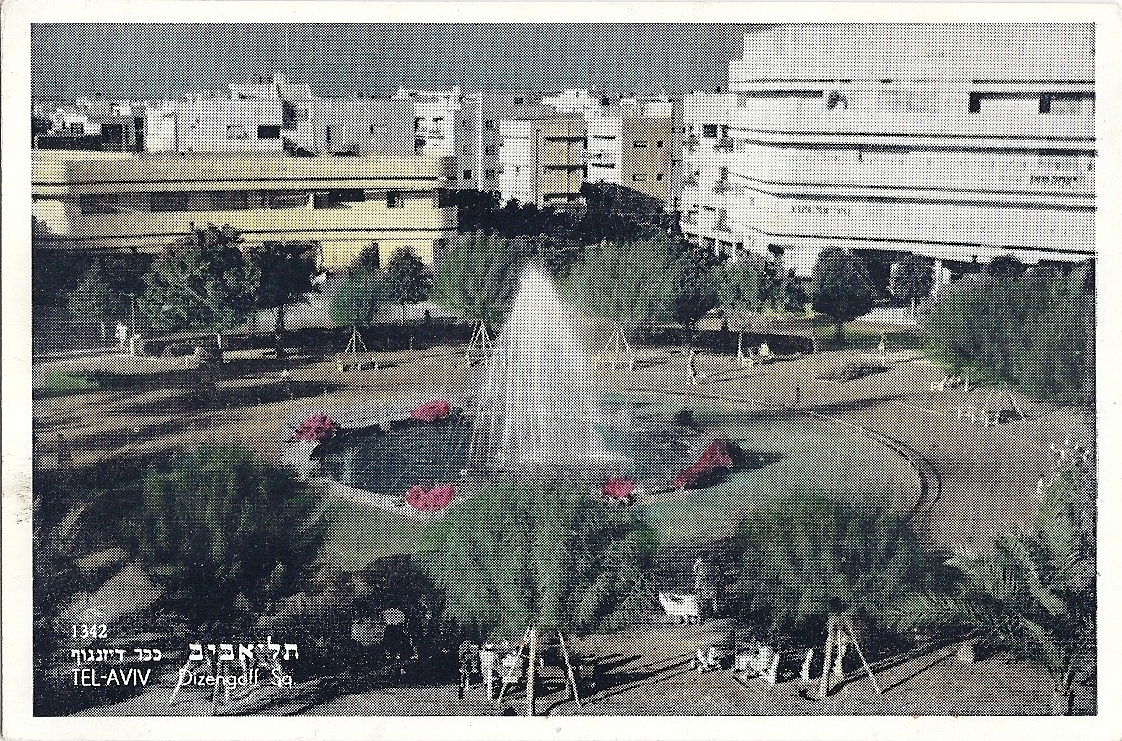
דברים מעניינים קורים עכשיו בתל אביב. לא רק בתל אביב כמובן, אבל המחאה הנוכחית לצדק חברתי התחילה שם, והמרכז עדיין שם. וזה די מגניב. כך שעל אף ירושלמיותי הגאה, החלטתי להקדיש רשומה אחת לתל אביב... טוב, וגם ממילא יש לי גלויה מתאימה (אולי לא של שדרות רוטשילד, שם יושב המאהל המרכזי, אבל כיכר דיזנגוף זה קרוב, נכון? בערך, לפחות? אוף, אין לי מושג).

There are interesting things happening in Tel Aviv at the moment. Not just in Tel Aviv, of course, but the recent social-justice protest started there, and is still centred there, and it's pretty cool. So despite being a proud Jerusalemian, I decided to dedicate one post to Tel Aviv... well, that, and I had a fitting postcard anyway (It might not feature Rothschild Boulevard, where the main tent city is located, but Dizengoff Square is nearby, right? At least sorta? Dang, I have no idea).

זו עוד אחת מהגלויות נטולות הטקסט, שבחרתי פשוט מפני שמשהו בהן מצא חן בעיניי. כאן מדובר היה בשני דברים בעיקר - הראשון הוא התמונה עצמה, עם כיכר דיזנגוף הישנה, ועם הצביעה ביד שנוספה על רקע שחור לבן, שנראית חביבה בהחלט.

This is another one of those blank postcards, that I picked up simply because I liked something about them. Here it was mainly two things - first was just the picture, with the old Dizengoff Square, and with the hand-colouring on top of the black-and-white, which is pretty neat-looking.

צד קדמי:
Front:


הדבר השני שסקרן אותי קצת בגלויה הוא בצד האחורי. פה ושם שמתי לב לגלויות ישנות - אלה תמיד גלויות ישנות - שבהן לכל אחד משני החצאים של הצד האחורי יש כותרת כדי להבהיר שכאן הכתובת וכאן המסר (או, במקרה של הגלויה הזו, ה'איגרת', מלה קצת ארכאית ומקסימה). זה סקרן אותי מפני שלמרות שהגלויות הן כאמור ישנות, הן בכל זאת נדפסו בתקופה שבה גלויות היו בסך הכל דבר נפוץ, וממש ממש לא חידוש (שאלתי את האינטרנט, ואנשים התחילו לשלוח גלויות כבר במחצית השנייה של המאה ה-19). אז למה צריך את הכותרות? זה לא אמור להיות עניין די ברור מאליו?
[מצד שני, לא כ"כ מזמן ראיתי בסטטיסטיקה שמישהו הגיע לבלוג בעקבות חיפוש של הצירוף 'איך לכתוב גלויה', אז לכו תדעו...]

And the second thing that made me curious about this postcard was on the back. Here and there I've noticed some old postcards - it's always old postcards - where each half of the back side has a title to make it clear that here you write the address and here the message (or, in the case of this postcard, the 'correspondence'; the Hebrew term has even more of a lovely archaic ring to it, being roughly the equivalent of the word 'epistle'). It made me curious because while the postcards are, as I said, old, they were still printed at a time when postcards were a pretty common thing, and really not a novelty at all (I asked the internet, and people have been sending postcards since the second half of the 19th century). So what are the titles for? Shouldn't this be fairly obvious?
[Then again, not long ago I saw on my statistics that someone got to the blog through searching 'how to write a postcard', so go figure...]

צד אחורי:
Back:


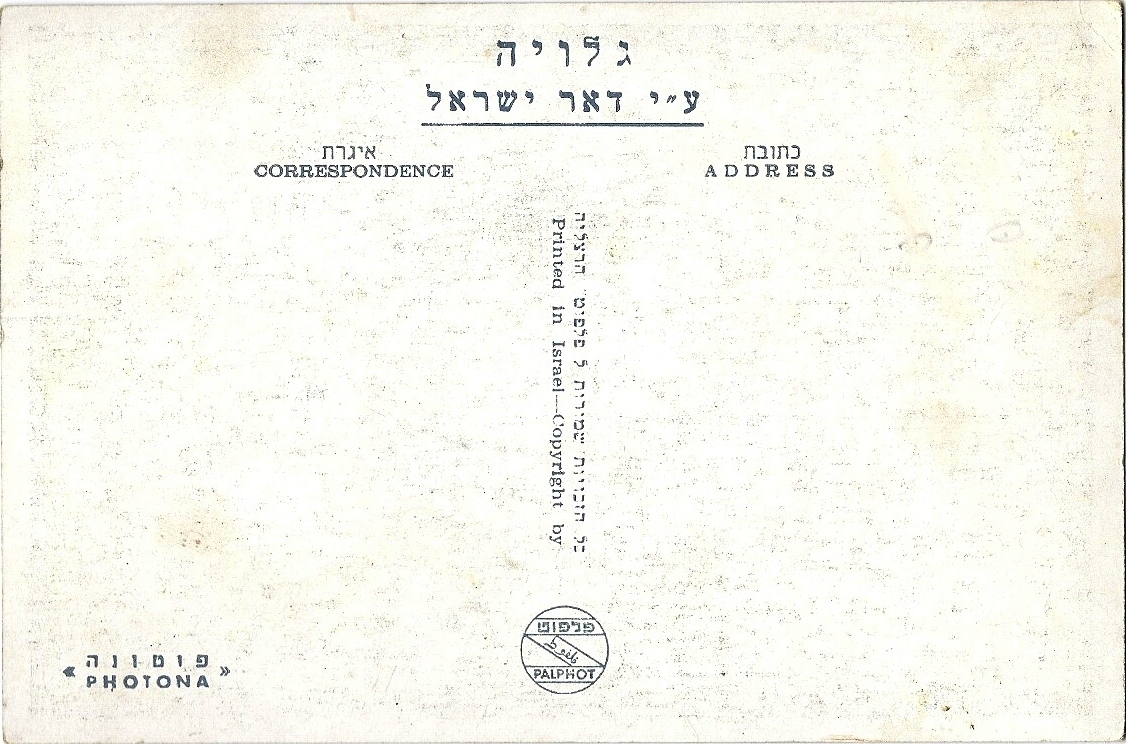
אין לי תשובה, למען האמת. זה סתם משהו שסקרן אותי. קונבנציה של אותה תקופה, יש להניח.

I have no answer for this, actually. It's just something I got curious about. A convention of the time, I suppose.

כשניסיתי לראות אם אני יכולה לתארך איכשהו את הגלויה, או לפחות את התמונה, נתקלתי בסופו של דבר בהודעה הזו בפורום אספנים בתפוז (כדאי אגב להציץ גם בהודעות אחרות בשרשור, יש שם תמונות נהדרות של תל אביב הישנה). כמו שאפשר לראות, הגלויה שמוצגת שם היא בעצם בדיוק אותה גלויה כמו שלי, כולל הכתובית בצד שמאל למטה, והמספר הסידורי שמופיע בה; עם זאת, כותב ההודעה מציין שהיצרן הוא 'פלפוט פלשתינה', ואצלי מדובר כבר על 'דאר ישראל', כך שיש כנראה הבדל בשנים.


While trying to see if I can somehow date this postcard, or at least the photo, I eventually ran into a post on a local collectors forum (Hebrew link, but you might still want to check out the posts on this thread for some lovely pictures of old Tel Aviv). As you can see, the postcard shown there is basically the same one as mine, down to the caption on the lower left side, and the serial number on it; however, the guy who wrote the post mentioned that the publisher was 'Palphot Palestine', and in my card it says 'Israel Post', so there seems to be a difference in the time period.

בכל אופן, החלטתי לפנות לאותו כותב, הדי אור, ולהתייעץ איתו. לשמחתי, מדובר לא רק באדם ידען להפליא בכל הנוגע לפריטי אספנות (בעיקר כאלה שקשורים לא"י של פעם), אלא שהוא גם שמח לעזור ולחלוק את הידע הזה. להלן התשובה הראשונה ששלח לי בעניין:

Anyway, I decided to turn to that person, Hadi Orr, and consult him about this. I was happy to find out that he is not only very knowledgeable about collectors' items (especially those related to old-time Israel), but he was also very happy to help and share his knowledge. Here's the first answer he sent me:
חברת פלפוט הוקמה באמצע שנות השלושים - אני חושב 1934 - והיתה בתחרות עם מספר חברות בארץ ישראל שהדפיסו גלויות
פלפוט גם יצרה ספרים לוחות שנה ועוד. מבחינה טכנולוגית למרות שהמתחרים עברו למכונות הדפסה צבע היא המשיכה עד סוף שנות החמישים להדפיס בשחור לבן ובחלק מהמקרים להכניס על הגלויות שחור לבן מה שנקרא לצבוע ביד
לא יודע בדיוק איך טכניקה הזו נעשתה אבל יש הרבה גלויות שכאלו ולטעמי הם יפיפיות
הגלויה הזו צריכה להיות מתחילת שנות החמישים עד אמצע שנות החמישים

Palphot [publication] company was established in the mid-30s - 1934, I think - and was in competition with a number of other companies in Israel that printed postcards.
Palphot also made books, calendars, and other things. Technologically, although their competitors moved to colour printing, they kept printing in black and white until the late 50s, and in some cases added on the black and white postcards what's called hand-colouring.
I don't know how exactly this technique was done, but there are plenty of postcards like that, and I think they're beautiful.
This postcard should be from the early- to mid-50s.
וגם אילו עצר כאן - דיינו. אבל הוא לא עצר כאן, ושלח לי עוד מידע בהמשך:

Even if he had stopped there, that would have been enough. But he hadn't, and sent more more information later on:
הסתכלתי בעיון על הגלויה שלך
ואני חושב שאני יודע איך עשו את הצביעה ביד
לקחו את בסיס הגלויה השחורה
ובאזור מסויים על נייר נפרד - כמו ניר פרגמנט אבל בטח זה היה פילם או צלולוייד - צבעו צבע אחד נניח ירוק את העצים ולקחו בסיס אחר ועליה צבעו צהוב שיכסה את הבית וכו
וכן היתה הדפסה שחור שזה הבסיס ואחרי חלק קטן של הירוק ואחרי זה חלק קטן של הצהוב
כלומר עשו הפרדת צבעים ידנית

I looked at your postcard carefully
and I think I know how they did the hand-colouring.
They took the black base of the postcard
and in a certain area on a separate piece of paper - like wax paper, but it was probably film or celluloid - they coloured in with one colour, say green for the trees, and then they took another base and on that coloured in yellow for the house and so on.
So there was a black print as the base, and then a small part with green and then a small part with yellow
So they did a manual colour separation.
ועוד:

And more:
בעיון מדוקדק נראה כי הצילום נראה שנות הארבעים ועל הבסיס שלו הדפיסו שוב באותם גלופות בשנות החמישים
וזה רק בהתלבטות ביני לבין עצמי
קשה להגיד

After careful perusal it appears that the photograph appears to be from the 40s and and on the base of that they printed again with the same moulds in the 50s.
This is just me debating with myself.
It's hard to say.

תודה מקרב לב למר הדי אור על שחלק את כל המידע הזה! אפשר לראות עוד דוגמאות מתוך האוספים שלו כאן, ואני חייבת לציין שלמרות שלי אישית אין את המוח המסודר שצריך כדי להיות אספן של ממש - אני סתם אוהבת דברים ישנים - אני באמת אסירת תודה על כך שיש אנשים כמוהו, שעוזרים לשמר פריטים היסטוריים מהזן בר-החלוף. כל החפצים היומיומיים הקטנים האלה אולי לא נכנסים לספרי ההיסטוריה, אבל הם כל כך חשובים, בעיניי, מפני שבזכותם אפשר לבנות את תמונת היומיום של התקופה, ולזכור איך נראו החיים האמיתיים של רוב האנשים.

Many thanks to Mr. Hadi Orr for sharing all this information! You can see some examples from his collections here (Hebrew, but lots of pictures), and I must say that while I don't have the kind of orderly mind that it takes to actually be a collector - I just like old stuff - I am very grateful that people like him that help preserve historical ephemera. Those little everyday items might not make it into the history books, but they are so important, I think, because through them you can build the picture of the everyday of an era, and to remember how real life looked like for most people.

והנה עוד משהו מגניב לסיום - סרטון קצר של תל אביב מסביבות שנות ה-40 (בצבע!), קצת מטושטש פה ושם ובכל זאת די מופלא. מכיוון שאני נורא ירושלמית, אני לא יכולה לזהות את כל המקומות שמופיעים שם, אבל אני מקווה שמישהו מבין קוראיי היושבים בלחות של השפלה יוכל לזהות אותם ולהנות.

And here's something cool to finish with - a short video of Tel Aviv from sometime around the 40s (in colour!), a bit blurry now and then but pretty great nonetheless. Being the Jerusalemite that I am, I don't know Tel Aviv very well, so can't recognise all the places seen there, but I'm hoping that some of my readers living over in that humid coastal plain will be able to recognise them, and enjoy it.

Wednesday, July 27, 2011

In Memory of Flight 402 - לזכר טיסה 402

I want to do something a little different, today. In this post, there are - as always - some fragments of a bigger story, but it this case, there isn't so much guessing about what the story is, because it is one that comes from my own family. It is the story of my grandfather, Sydney Chalmers, who was born in South Africa in 1921, served in the RAF in WWII, came to Israel as a volunteer shortly afterwards, met my future grandma in 1950, had my dad, and died on July 27th 1955, when the El Al plane on which he was the flight engineer was shot down over Bulgaria.
Nowadays he's buried in a mass grave with the rest of the victims in the Kiryat Shaul cemetery near Tel Aviv. We used to visit there every year; we don't, anymore.

קצת אחרת, היום. הרשומה הזו כוללת - כמו תמיד - כמה רסיסים מתוך סיפור גדול יותר, אבל הפעם אין כ"כ ניחושים על מה אולי היה הסיפור הזה, מפני שהוא מגיע מהמשפחה שלי. זה הסיפור של סבי, סידני צ'למרס, שנולד בדרום אפריקה, שירת בחיל האוויר הבריטי במלה"ע השנייה, הגיע לישראל עם המח"ל לא הרבה זמן אחר כך, פגש את מי שתהיה סבתא שלי ב-1950, הוליד את אבא שלי, ומת ב-27 ביולי 1955, כשמטוס אל-על שעליו שירת כמהנדס טיסה יורט מעל בולגריה.
כיום הוא קבור בקבר אחים עם שאר הנספים בבית הקברות קריית שאול שליד תל אביב. פעם היינו מבקרים שם כל שנה; עכשיו כבר לא.

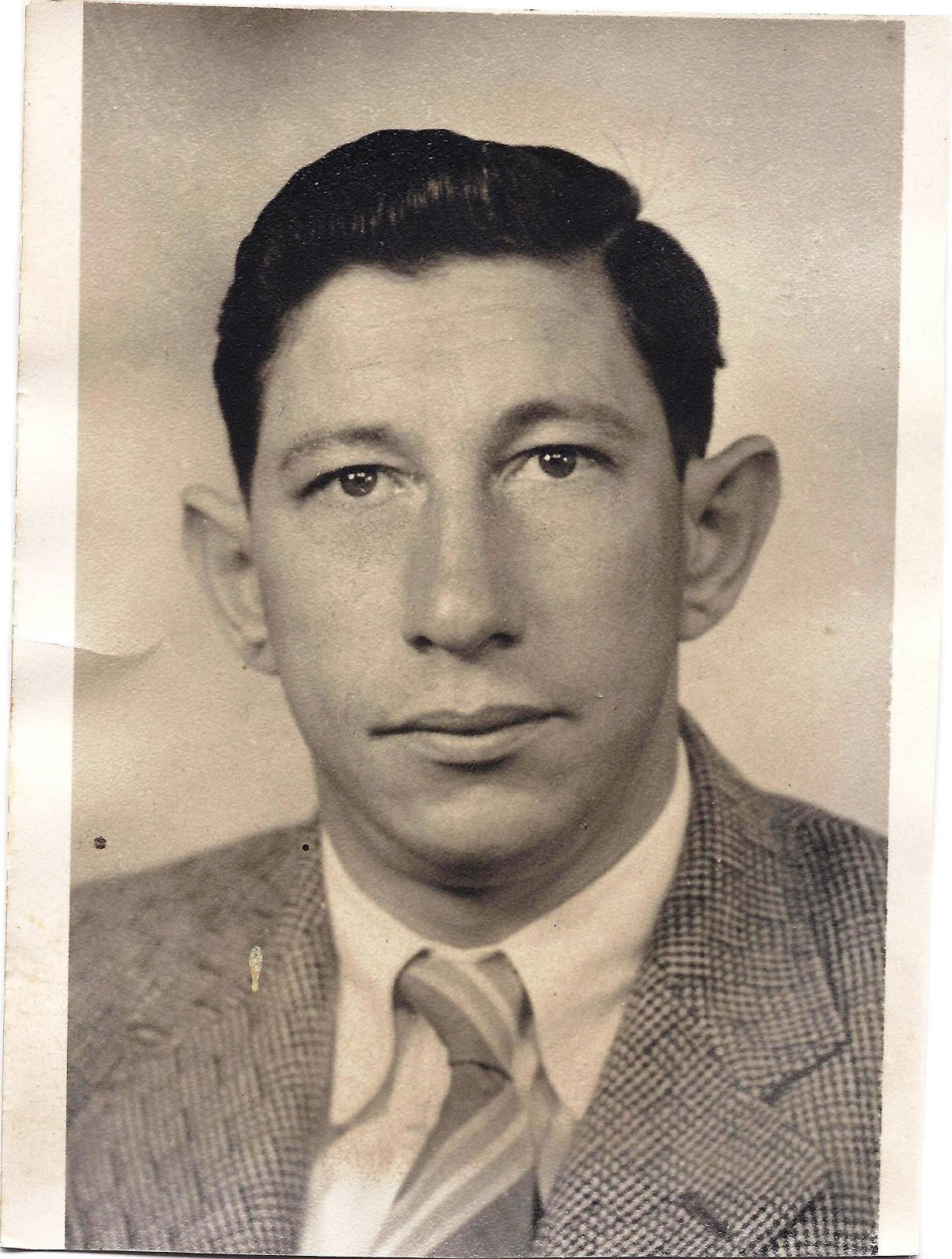
Anyway, we have a few remnants of grandpa Sydney, at home - mostly the regular things, like old photographs (a few videos, even). My dad looks a lot like him. Just... older, now. Natural, of course, but still feels strange.

בכל אופן, יש לנו כמה דברים של סבא סידני בבית - בעיקר דברים רגילים, כמו תמונות ישנות (אפילו כמה סרטים). אבא שלי ממש דומה לו. רק... כבר יותר מבוגר. מה שטבעי כמובן, אבל עדיין מרגיש קצת משונה.

Sydney Chalmers - 1921-1955 - סידני צ'למרס

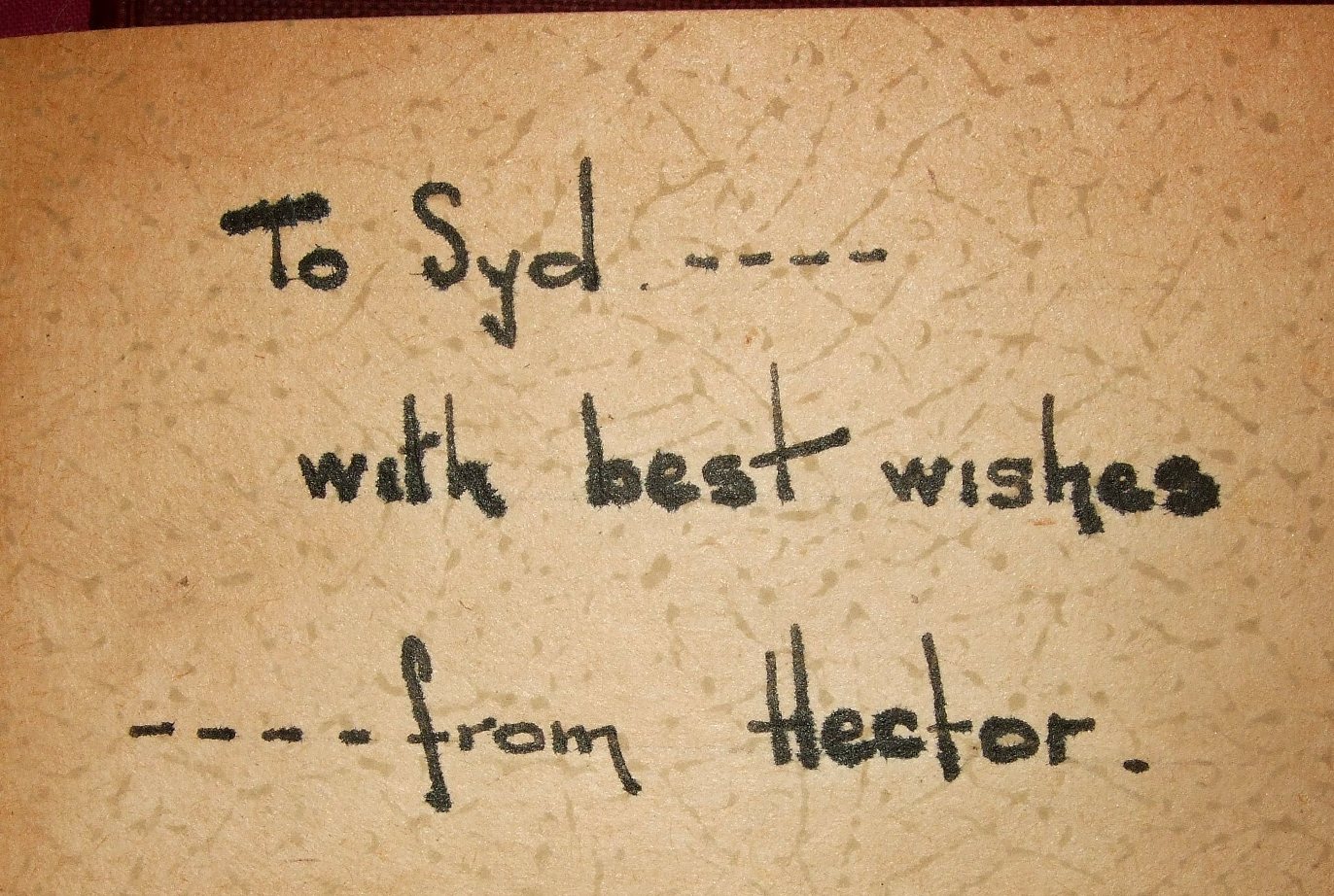
And then - getting to the heart of this post - we also have a few books with inscriptions written to him by friends. I don't know who these friends were; I guess I could ask my dad, or one of dad's older cousins who might remember a bit about them, but it doesn't really matter. I just like the window these books open to the life of the grandfather I never knew.

ויש לנו - וכאן אנחנו מגיעים אל לב הרשומה הזו - גם כמה ספרים עם הקדשות שכתבו לו חברים. אני לא יודעת מי היו החברים האלה; אני מניחה שאני יכולה לשאול את אבא שלי, או את אחד מבני הדודים היותר מבוגרים שלו, שעשויים אולי לזכור משהו לגביהם, אבל זה לא באמת משנה. אני פשוט אוהבת את החלון שהספרים האלה פותחים לחייו של הסבא שלא הכרתי.

[I would like to apologise in advance about the pictures below being even more crooked than usual - I took pictures with my camera because I didn't want to put the poor old books through the scanner.]

[אגב, אני רוצה להתנצל מראש על זה שהתמונות שלהלן עקומות אפילו יותר מבד"כ - צילמתי אותן עם המצלמה שלי כי לא רציתי להעביר את הספרים המסכנים בסורק.]

First, there are two books from a friend named Hector:

קודם כל, יש לנו שני ספרים מידיד בשם הקטור:

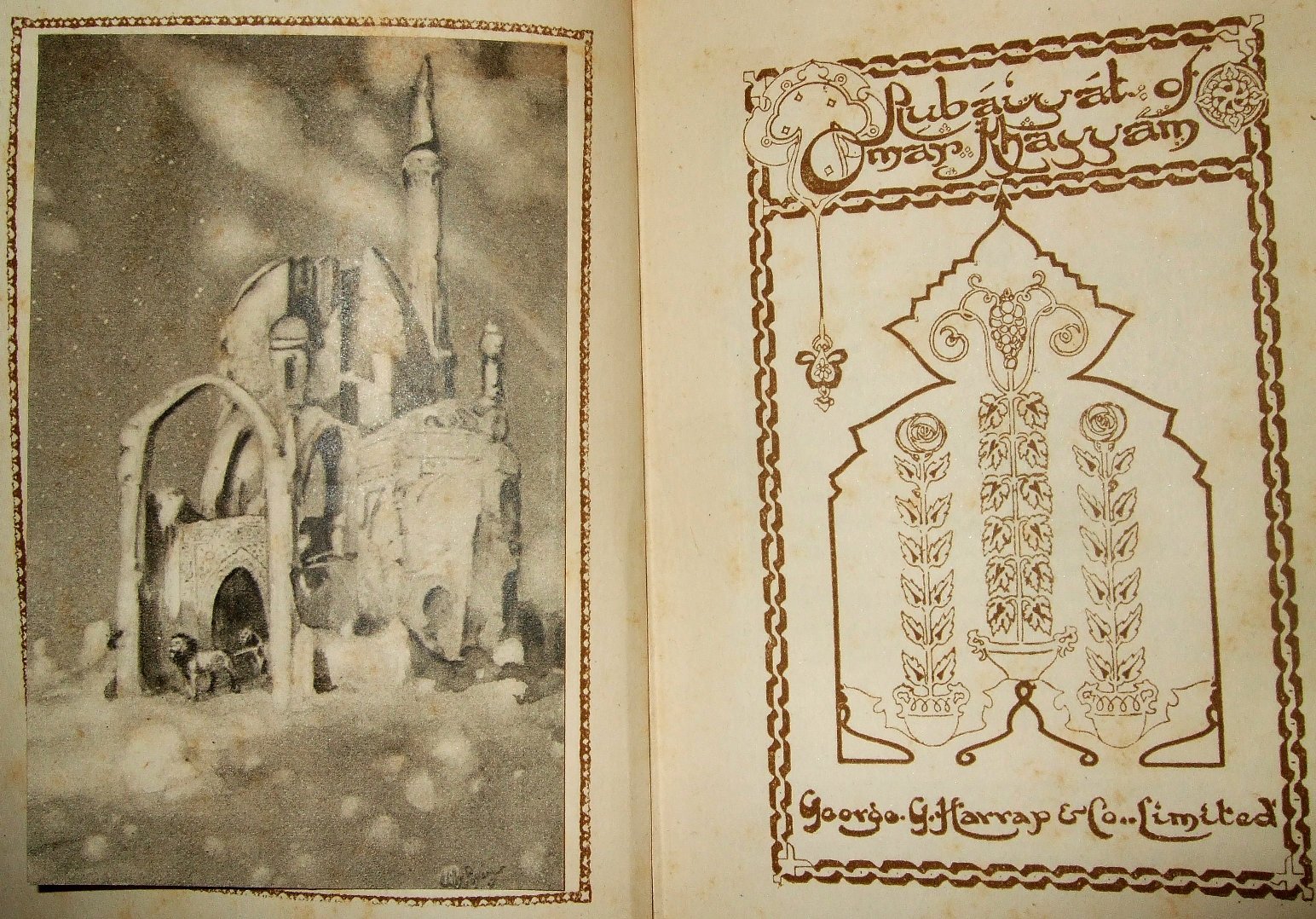
(1)


This is from this book:
מתוך הספר הזה:


A small book of the Rubaiyat of Omar Khayyam, in Fitzgerald's famous translation. That's a very nice title page, by the way.

קובץ קטן של ה'מרובעים' של עומָר ח'יאם, בתרגום המפורסם של פיצג'רלד. דף הכותרת חביב בהחלט, דרך אגב.

(2)


This is from this book:
מתוך הספר הזה:


Gibran's The Prophet, also with a nice title page.
Pretty fascinating, all in all - says something either about this Hector guy, or about Sydney, or about both. I have no idea what Grandpa Sydney's taste in books was like; I have no idea if Hector bought these two for him because he himself appreciated them and wanted his friend to read them as well, or because he knew that Sydney was interested in this sort of thing, or what.

'הנביא' של ג'בראן, גם הוא עם דף כותרת חביב.
זה די מרתק בסך הכל - אני חושבת שזה אומר משהו או על ההקטור הזה, או על סידני, או אולי על שניהם. אין לי מושג מה היה הטעם של סבא סידני בספרים; אין לי מושג אם הקטור קנה לו את שני הספרים האלה כי הוא עצמו העריך אותם, ורצה להכיר אותם לחבר, או מפני שהוא ידע שזה תחום שעניין את סידני, או מה.

But with all due respect to Gibran, Khayyam and Fitzgerald, and to their literary works, this is what I personally consider the best of the three, for several reasons:

אבל עם כל הכבוד לג'בראן, ח'יאם ופיצג'רלד וליצירותיהם הספרותיות, הנה הספר שאני אישית חושבת לטוב שבחבורה, מכמה סיבות:


First of all, because it was a birthday present for him, on the same year that he died. By the way, he was 34, Penny. Not that it matters now, so many years after that birthday, so many years after his death.

קודם כל, כי הוא קיבל אותו כמתנת יום הולדת, באותה שנה שבה נהרג. דרך אגב, פני, הוא היה בן 34. לא שזה משנה עכשיו, כל כך הרבה שנים אחרי יום ההולדת ההוא, כל כך הרבה שנים אחרי שמת.

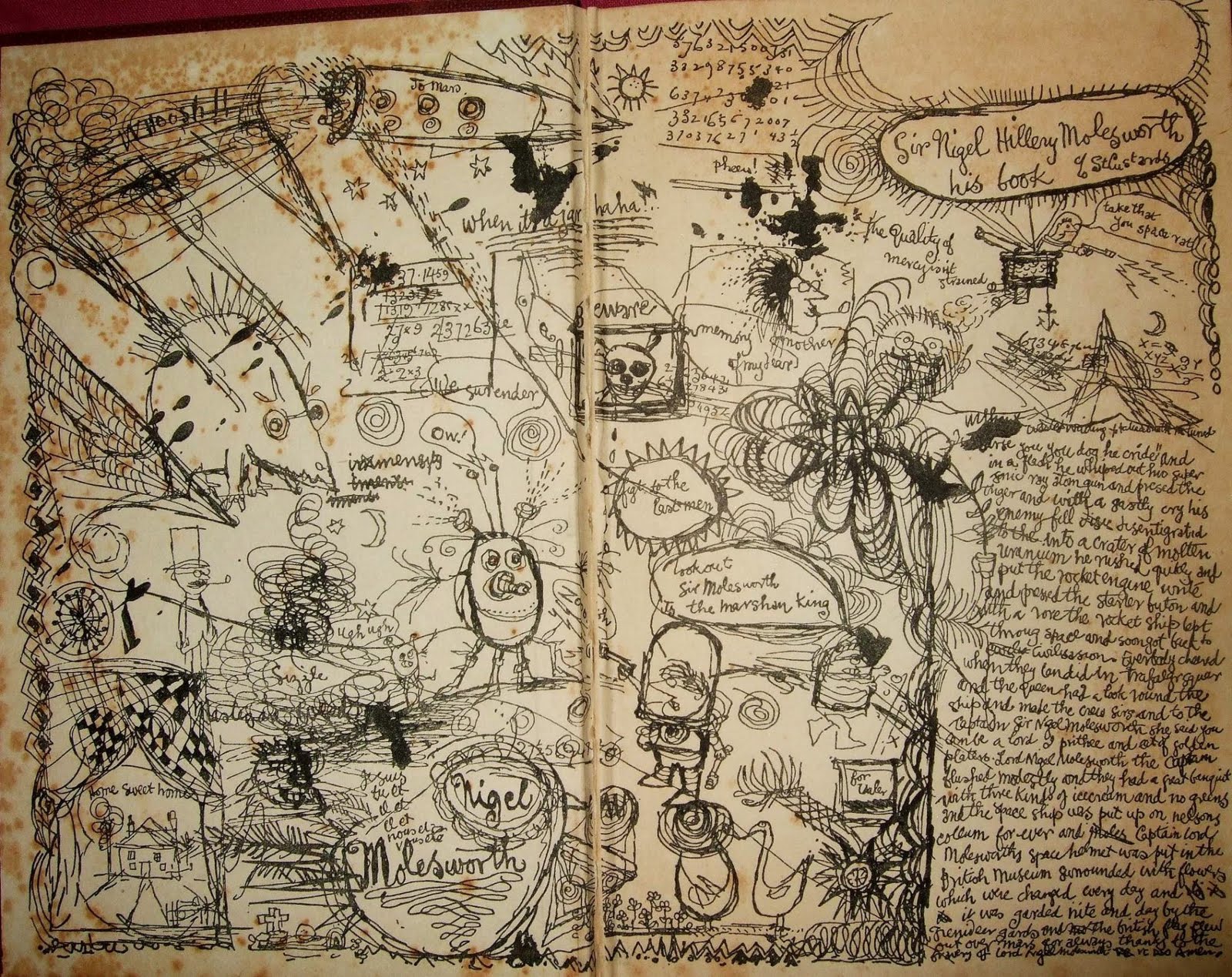
And in a bit of a mood whiplash, the second reason why this is my favourite is because of the book it's on - a book that I decided to read solely because of this dedication, and was thus happily introduced to one of the funniest things I ever read:

ובשינוי חד של האווירה, הסיבה השנייה שבגללה הספר הזה הוא האהוב עליי משלושתם היא בעצם הספר עצמו - ספר שהחלטתי לקרוא אך ורק בזכות ההקדשה, ולשמחתי כך למדתי להכיר את אחד הדברים הכי מצחיקים שקראתי אי פעם:

(Click to enlarge - קליק להגדלה)

No wait, sorry, this is just the inside cover, right before the title page. But it does give you a bit of an idea of the awesome mayhem to come. Here's the title page:

רגע, סליחה, זו רק הכריכה הפנימית, ממש לפני עמוד הכותרת. אבל זה בהחלט נותן רמז מסוים על הבלגן המופלא שבדרך. הנה עמוד הכותרת:


Molesworth!
Most people reading this will have no idea what this is. Neither did I. I only looked it up (first on h2g2 - my go-to source of knowledge at the time, and still a wonderful one by the way - and only recently on Wikipedia as well) after I read and loved it. I think maybe the best way to explain Molesworth to modern readers is to ask you to imagine what if Calvin, from Calvin and Hobbes, was a British boarding-schoolboy in the 1950s. Minus the tiger unfortunately, but with a best friend - sorry, 'grate frend' - named Peason, and an annoying little brother nicknamed Molesworth 2, instead. Got it? Good. Now imagine he wrote a book.
It has the sort of atrocious spelling that some people like to blame on the internet; it has a great disdain to all things school-related, with horror stories of every class from Latin (yes, they still studied Latin in school back then) to English to cricket; it has wonderful flights of fancy, especially about spaceships and aliens; and, at least from my subjective perspective, it is incredibly, roaringly funny.

מולסוורת'!
רוב האנשים שקוראים את הרשומה הזו ככל הנראה לא יידעו במי מדובר. גם אני לא ידעתי. חיפשתי את הספר, (בהתחלה באתר h2g2 - שהיה מקור הידע הראשון שאליו פניתי בזמנו, והוא בעצם עדיין מקור נהדר - ורק לאחרונה גם בוויקיפדיה) רק אחרי שקראתי ואהבתי אותו. אני חושבת שאולי הדרך הטובה ביותר להסביר מהו מולסוורת' לקוראים מודרניים היא לבקש מכם לדמיין מה אם קלווין, מהקומיקס 'קלווין והובס', היה ילד בריטי בפנימיה בשנות החמישים. מינוס הטיגריס, למרבה הצער, אבל במקום זה עם חבר טוב - סליחה, 'חוור נֶמן' - בשם פיסון, ואח קטן ומעצבן המכונה מולסוורת' 2. יש? יופי. עכשיו תדמיינו שהוא כתב ספר.
יש שם כתיב מזעזע, מהסוג שאנשים אוהבים להשליך על 'דור האינטרנט'; יש שם בוז גדול לכל מה שקשור לבית הספר, עם סיפורי אימה על כל שיעור, מלטינית (כן, אז עוד למדו לטינית בבי"ס) דרך אנגלית ועד קריקט; יש שם מסעות על כנפי הדמיון, בעיקר על חלליות וחייזרים; ויש שם הומור מלוא הדלי, שאותי אישית פשוט הצחיק עד דמעות.

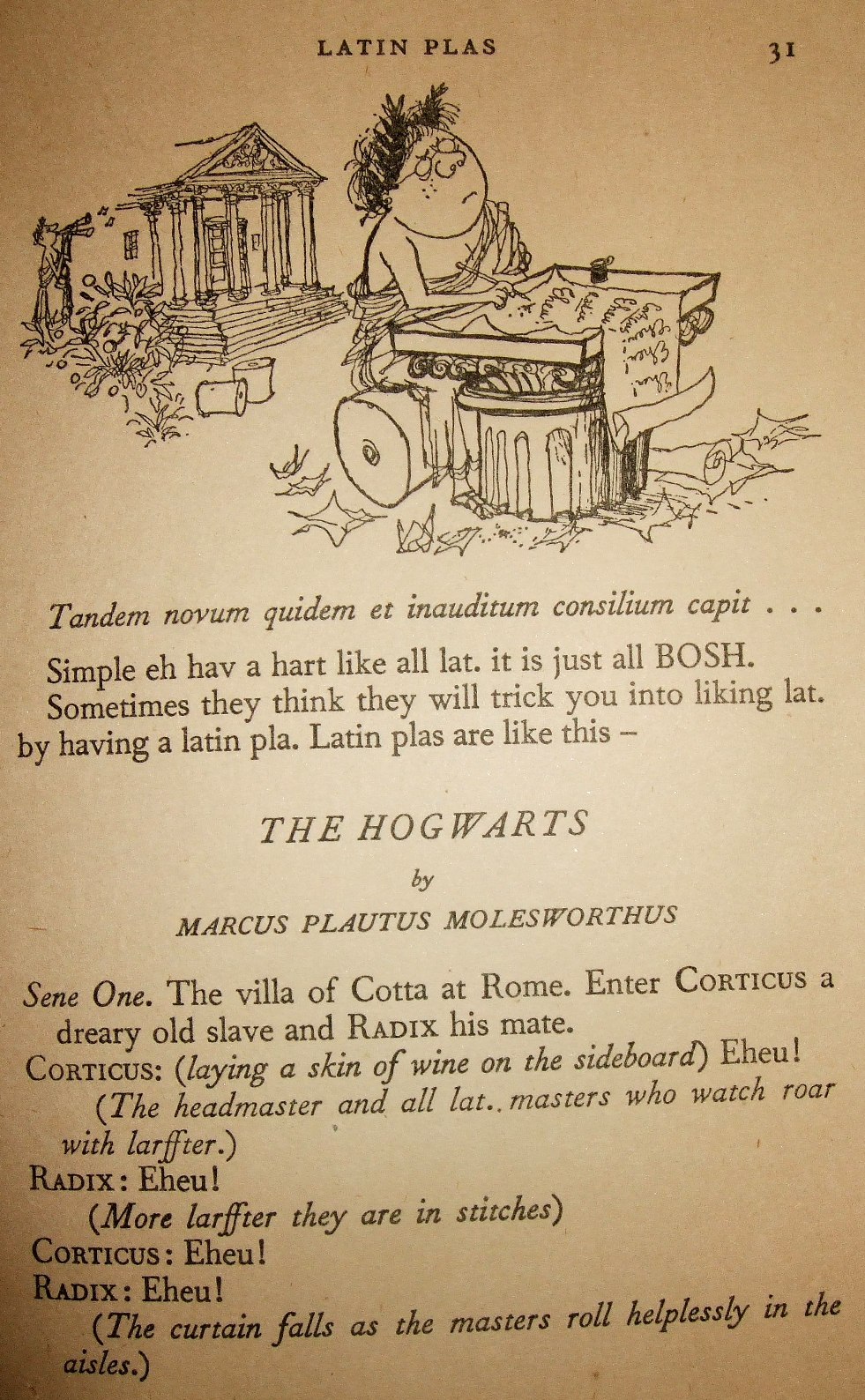
Here's one example of the text, which I would like to dedicate to everyone who saw 'British boarding-school' and thought of Harry Potter (and/or to anyone who happens to be studying Latin):
הנה דוגמית קטנה מהטקסט, שמוקדשת לכל מי שראה 'פנימיה בריטית' וישר חשב על הארי פוטר (ו/או לכל מי שבמקרה לומד לטינית):


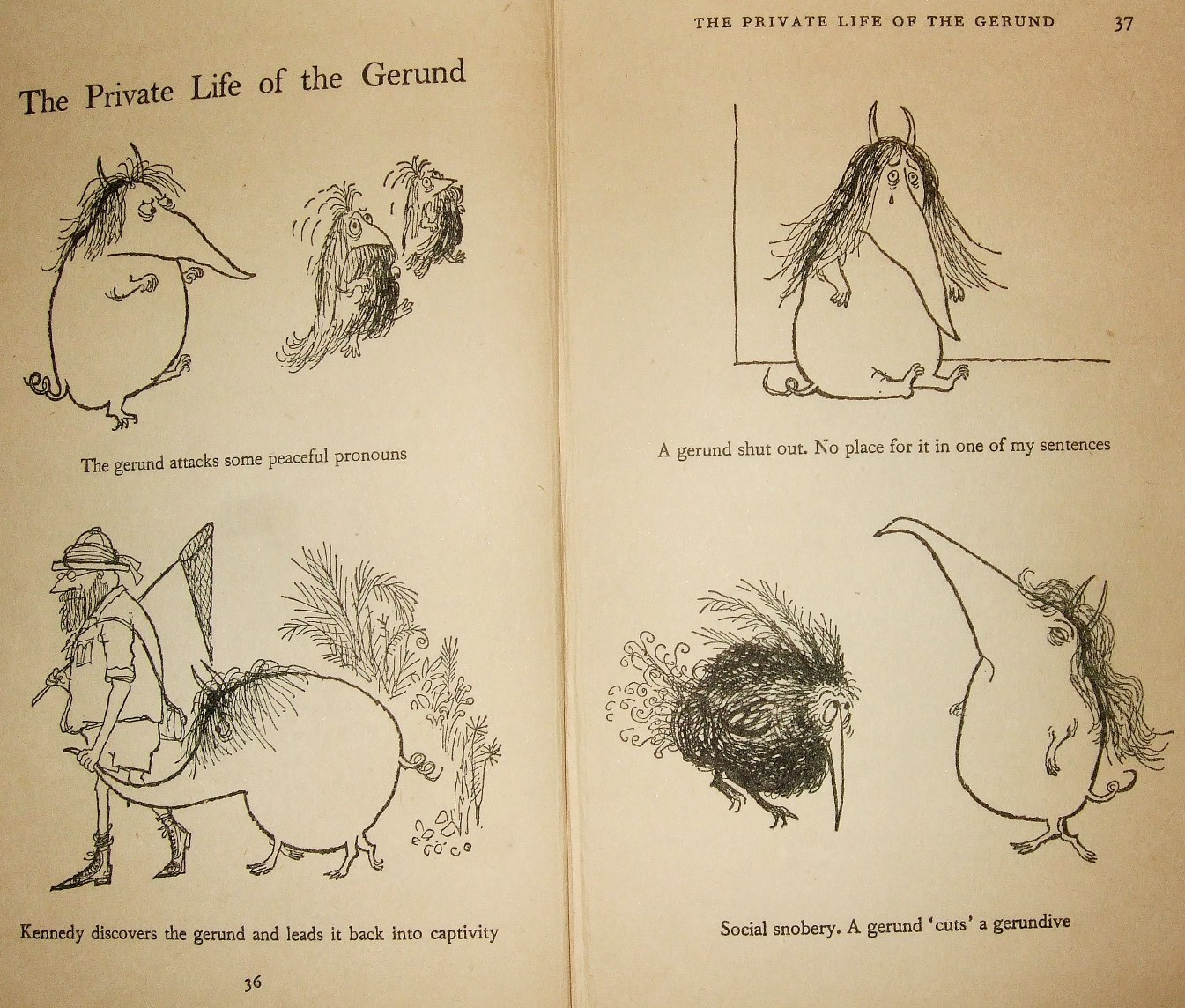
And one more example - this time more specifically of the illustration style (by the inimitable Ronald Searle, who also made the more famous British boarding-school series St. Trinian's, and did some work for the New Yorker), but also showing (again) how generally awesome this book is. And I dedicate this one to all my linguist friends:

ועוד דוגמית אחת - הפעם באופן יותר ספציפי כדוגמא לסגנון האיור (של רונלד סירל היחיד במינו, שגם יצר את סדרת הפנימיה-הבריטית הידועה קצת יותר 'סיינט טריניאן', וגם אייר בניו יורקר פה ושם), אבל גם כדי להראות (שוב) כמה שהספר הזה מעולה באופן כללי. מוקדש לידידיי הבלשנים:

"But what is a gerund, sir?"

It's wonderful (I am seriously restraining the urge to just scan or photo all of it, page after page).
I wonder if Grandpa Sydney liked it. I wonder if he even got to read it, or if maybe he put it aside for another time, which never came. Yeah, the mood whiplash again. I guess it's odd, going from talking about death to gushing about how hilarious this book is, and then right back to death, but what can you do? Life is full of odd contradictions like that.
Personally, even though I never met my grandfather, I'm happy to remember him this way - not just in pictures, not just in the occasional stories, but in these little things like the books his friends gave him. I'm happy that he introduced me, even in such a round-about way, to a book I enjoyed so much. And I'm happy to share this with all of you.

הוא נהדר (אני אשכרה מרסנת את עצמי שלא פשוט לסרוק או לצלם את כולו, עמוד אחר עמוד).
אני תוהה אם סבא סידני אהב אותו. אני תוהה אם בכלל יצא לו לקרוא אותו, או שאולי שם אותו בצד להזדמנות אחרת, שאף פעם לא הגיעה. כן, שוב שינוי חד באווירה. אני מניחה שזה קצת מוזר, לקפוץ ככה מאזכורי מוות להשתפכות על כמה שהספר הזה מבדר, ואז בחזרה למוות. אבל מה לעשות? בחיים יש המון סתירות מוזרות שכאלה.
אישית, אפילו שמעולם לא פגשתי את סבי, אני שמחה לזכור אותו כך - לא רק בתמונות, לא רק בסיפורים פה ושם, אלא גם בדברים הקטנים האלה, כמו הספרים שקיבל מידידיו. אני שמחה שהוא הכיר לי, ולו בצורה עקיפה שכזו, ספר שכל כך נהניתי ממנו. ואני שמחה לחלוק את זה עם כולכם.

Next time, back to the regular stuff. And by the way, if any Polish-speakers are reading this, I would love to talk to you for some help with a planned future post.

בפעם הבאה, בחזרה לשגרה. ודרך אגב, אם יש לי קוראים שיודעים פולנית, אשמח לדבר איתכם, אני צריכה קצת עזרה עם רשומה עתידית.


Felt like I need to do a quick update, having just found out that Ronald Searle - who illustrated the Molesworth books - passed away recently (30.12.2011), at age 91. Seems he was not just a wonderful illustrator but also led quite an interesting life. RIP, Mr. Searle.

הרגשתי צורך לעדכן בזריזות, כי גיליתי עכשיו שרונלד סירל - שאייר את ספרי מולסוורת' - נפטר לאחרונה (30.12.2011), בן 91. נראה שלא רק שהוא היה מאייר נהדר, גם היו לו חיים די מעניינים. יהא זכרו ברוך.
Saturday, May 28, 2011

Two Updates - שני עדכונים

While I'm working on a new post, I have two quick (and also pretty neat) updates about things culminating from some connections I ended up making through posts on this blog.

בזמן שאני עובדת על רשומה חדשה, יש לי שני עדכונים קצרים (וגם די מגניבים) על דברים שצמחו מתוך קשרים שיצרתי דרך רשומות בבלוג.

(1) One of my favourite cards is the one shown in the post 'The Lady from Skierniewice'. And I really like the story that I started to discover as I was researching what seemed, at first, like a tiny insignificant detail - the photographer's stamp. Some time after I posted it I was contacted by Waldemar Bronicz, a Polish photographer and amateur historian who has a website with a lot of old photographs and his attempts to trace their origins and such. He was writing about Lipman Karp at the time, and ran across my post, and contacted me looking for information on the family. While I could not help very much (except referring him to Yad vaShem), he used what little details I could give him for his own research, and ended up with a rather interesting article published in Głos Skierniewic i Okolicy (Voice of Skierniewice and Vicinity), #16 21.04.2011 - there is an English version online here. Yeah, I guess the translation isn't perfect (wish I could read it in the original Polish), and yeah, he kinda got my name wrong, but the story is fascinating. After some more correspondence I ended up looking at Varda Gilboa (originally: Rojza Karp)'s 'Pages of Testimony' again, and noticing some details I skipped before, which again, he's been able to research from his side - like the Karps' address in Skierniewice, in 1 Pamiencka St., which I could not find on a map both because I had no idea how to spell it (it's written in Hebrew transliteration on the forms) and also, as Mr. Bronicz explained after his own research, because the street name has been changed to Mszczonowska. Maybe in the future we could find out even more fragments of this story. I definitely hope so.
Update on the update (June 4 2012): I found out some more details about Varda Gilboa, and added them to the original post - you can read it all here.

(1) אחת הגלויות האהובות עלי היא זו שמופיעה ברשומה 'האדונית מסקערניעוויץ'. ואני גם מאוד אוהבת את הסיפור שהתחלתי לגלות כשחקרתי סביב מה שנראה בתחילה כמו פרט קטן וחסר-משמעות - החותמת של הצלם. זמן מה אחרי שפרסמתי את הרשומה יצר איתי קשר מר ואלדמאר ברוניץ' מפולין, צלם והסטוריון חובב עם אתר אינטרנט שמכיל הרבה תצלומים ישנים וגם את הנסיונות שלו לעקוב אחר המקור שלהם וכו'. הוא כתב באותו הזמן על ליפמן קארפ, ויתר איתי קשר בחיפוש אחר מידע על המשפחה. אמנם לא יכלתי לעזור לו הרבה (מלבד להפנות אותו ליד ושם), אבל הוא השתמש בפרטים המועטים שיכלתי לספק לו כדי לערוך מחקר משלו, ובסופו של דבר כתב מאמר מעניין למדי שפורסם ב-Głos Skierniewic i Okolicy (קול סקירנייוויצה והסביבה) #16, 21.04.2011 - יש גרסא אנגלית כאן. נכון, התרגום לא מדהים (הלוואי ויכלתי לקרוא את זה במקור הפולני), ונכון, השם שלי קצת התפקשש, אבל הסיפור עצמו מרתק. אחרי שהתכתבנו עוד קצת הסתכלתי שוב על 'דפי העדות' של ורדה גלבוע (במקור: רוזה קארפ) והבחנתי בכמה פרטים שלפני כן דילגתי עליהם, ושמר ברוניץ' יכול היה לחקור מהצד שלו - למשל הכתובת של משפחת קארפ ברחוב פאמיינצקה 1, שלא הצלחתי למצוא במפה גם כי לא ידעתי איך לכתוב את השם (שנכתב בטופס בתעתיק עברי) וגם כפי, כפי שהסביר לי מר ברוניץ' אחרי המחקר שעשה, כי שם הרחוב השתנה לרח' משצ'ונובסקה. אולי בעתיד נוכל אפילו למצוא עוד רסיסים של הסיפור הזה. אני בהחלט מקווה שנמצא.
עדכון לעדכון (4.6.2012): מצאתי עוד כמה פרטים על ורדה גלבוע, והוספתי אותם לרשומה המקורית - אפשר לקרוא את הכל כאן.

(2) You might remember that in one of my recent posts, 'A Night Without Morals', I got a lot of wonderful information about Emil Remde, and the Remde's St Pauli club, after contacting his grandson, Manuel Biedermann. Well, Mr. Biedermann recently contacted me again to tell me about a pretty great project - as part of the upcoming 125th anniversary of the Kurfürstendamm (or, as native Berliners apparently call it, Ku'damm) he will help organise a 'waiter derby', which was a tradition started by Emil Remde in the 50s (there is a good history on the website I linked to). Looks very fun. He also asked me to send him the Remde's St Pauli card, for an exhibition about Emil Remde - which I gladly did - and, as if all this on its own was not cool enough, he told me that the first prize trophy for the derby (update: I was confused; it's actually a special lifetime achievement trophy - see below) will be in the shape of the dancer from that card! So awesome.
Are there any readers here from Berlin? If so, will you be going to this event? And if so, could you send me pictures? I would love that (update: Don't think any of my few readers went to the event, but here's a report from someone who did).

(2) אולי אתם זוכרים שבאחת הרשומות האחרונות שלי, 'לילה ללא מוסר', קיבלתי יופי של מידע על אמיל רמדה, ועל מועדון Remde's St Pauli, אחרי שיצרתי קשר עם הנכד שלו, מנואל בידרמן. ובכן, לא מזמן מר בידרמן יצר איתי שוב קשר כדי לספר לי על פרויקט נהדר - כחלק מהחגיגות הממשמשות ובאות לציון 125 שנה לרחוב Kurfürstendamm (או, כפי שמסתבר שברלינאים אסלים קוראים לו, קו'דאם) הוא עוזר לארגן 'מרוץ מלצרים', שהיה מסורת שאמיל רמדה התחיל בשנות החמישים (באתר שאליו קישרתי יש הסטוריה טובה). נראה ממש כיף. הוא גם ביקש שאשלח לו את הכרטיס מ-Remde's St Pauli, לצורך תערוכה על אמיל רמדה - מה שכמובן עשיתי ברצון - וכאילו שכל זה לא מספיק מגניב, הוא סיפר לי שגביע הפרס הראשון של המרוץ (עדכון: התבלבלתי, זה בעצם גביע לפרס על מפעל חיים - ר' למטה) מעוצב לפי ציור הרקדנית שעל הכרטיס! שווה.
יש כאן במקרה קוראים מברלין? אם כן, האם אתם מתכוונים ללכת לאירוע הזה? ואם כן, תוכלו לשלוח לי תמונות? אני ממש אשמח (עדכון: אני לא חושבת שמישהו מבין קוראיי המעטים הלך לאירוע הזה, אבל הנה דיווח של מישהו שכן הלך).

Another Update! Got another email from Mr. Biedermann, to let me know the card got there alright, and he attached some pictures of the trophy. It's looking great! And, as I have corrected above, it's a lifetime achievement award for someone named Heinz Zellermeyer. Looking him up, this seems like a good option - although if he was Head of the Hotel and Catering Guild back in 1949, he must be quite old now. Good time for a lifetime achievement award, I guess. Anyway, very cool. Check it out:

עוד עדכון! קיבלתי עוד אימייל ממר בידרמן, שהודיע לי שהכרטיס הגיע אליו בשלום, והוא גם צירף תמונות של הגביע. נראה מצוין! וגם, כפי שכבר תיקנתי למעלה, זה פרס על מפעל חיים למישהו בשם היינץ צלרמאיר. חיפשתי אותו, ומצאתי את זה, ונראה שזו אפשרות מוצלחת - למרות שאם הוא היה ראש גילדת המלונאים והמסעדנים כבר ב-1949, הוא בטח כבר די זקן. נו, זמן טוב לפרס על מפעל חיים. בכל אופן, זה בהחלט מגניב. 'סתכלו:


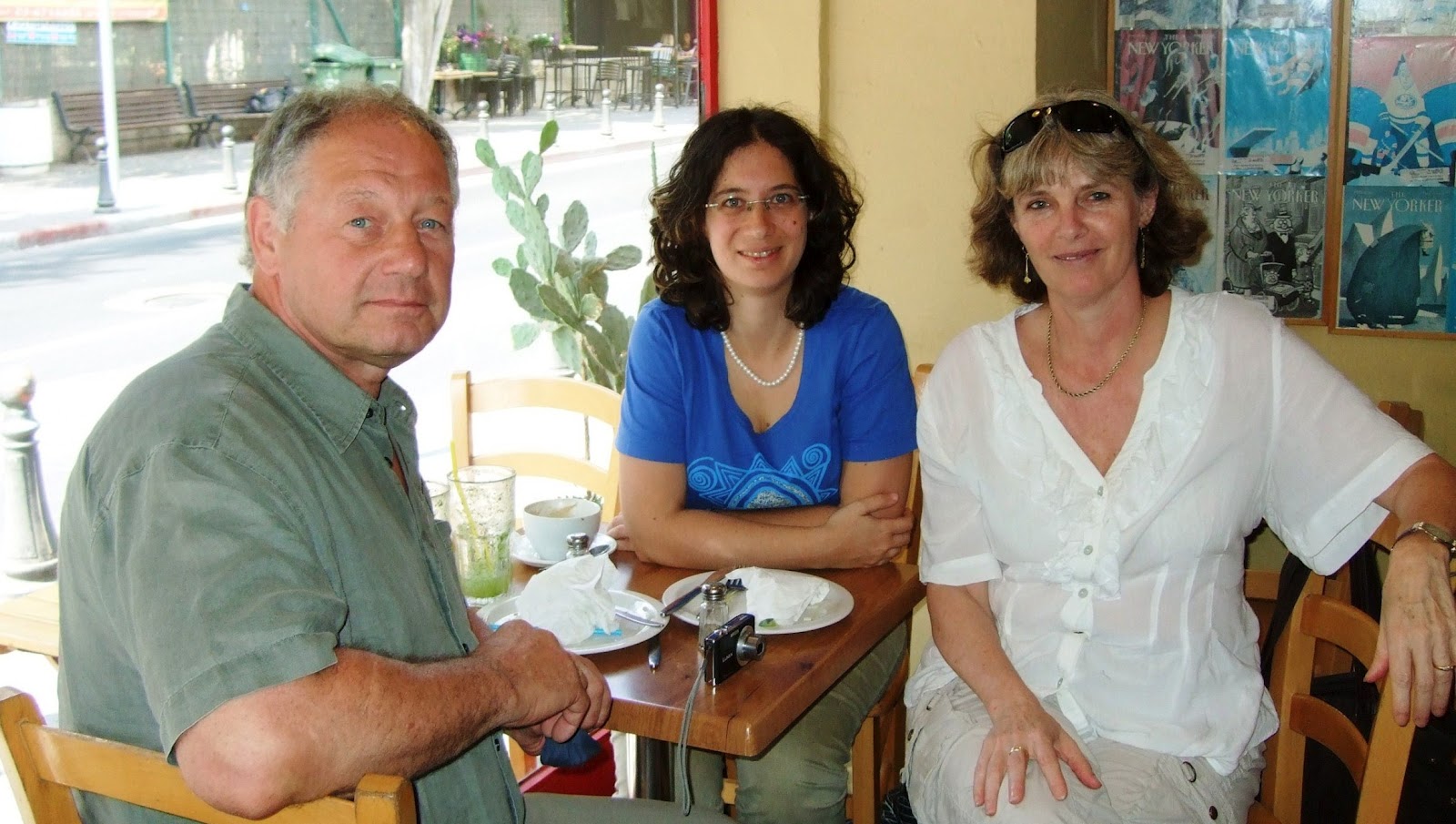
Update of the update (2/9/2012): Some time ago, Mr. Manuel Biedermann wrote me to let me know that he will be visiting some relatives in Israel, and will be happy to meet me and return the card I sent him. So I met him and his Israeli host Susi (who is related to Charlotte Remde) at a nice café in the German Colony (how fitting!), and while he actually forgot the card back home, that wasn't really what was important; it was still a form of closure, and it was just great to think that this sort of connection could come out of a piece of paper that I picked up at a book store one time. Here are the three of us:

עדכון לעדכון (2/9/2012): לפני זמן מה, מר מנואל בידרמן כתב לי ומסר שהוא עומד לבקר כמה קרובי משפחה בישראל, ושישמח לפגוש אותי ולהחזיר את הגלויה ששלחתי אליו. אז פגשתי אותו ואת המארחת שלו, סוזי (שהיא קרובת משפחה של שרלוטה רמדה) בבית קפה חביב במושבה הגרמנית (כמה הולם!), ואמנם הוא בסוף שכח את הגלויה בבית, זה לא היה באמת חשוב; עדיין הייתה שם סגירת מעגל כלשהי, ופשוט נהדר לחשוב איך שקשרים שכאלה יכולים לצמוח בעקבות חתיכת נייר שמצאתי פעם בחנות ספרים. הנה שלושתנו: