Hello readers! - !שלום, קוראים

What is this? Read the introduction - מה זה הדבר הזה? הסבר בהקדמה
Showing posts with label 1940s. Show all posts

Sunday, July 27, 2014

Sydney's Photos, pt. 1 - התמונות של סידני, חלק א

We'll get back to straightforward escapism soon, but first, something a little different.

נחזור לאסקפיזם של ממש בקרוב, אבל קודם כל, משהו קצת שונה.

Some years ago, I decided to make a post about some things that used to belong to my grandfather, Sydney Chalmers, who died on 27.7.1955 in an El Al flight shot down over Bulgaria. In the time since I occasionally thought to continue with this - for a while I was slightly obsessed about finding details about his military service in the RAF (or maybe SAAF? I'm not 100% sure even about that) in WWII, which unit he served in and so on - but it got complicated, and I couldn't find any answers, and eventually I gave up.

לפני כמה שנים, החלטתי להעלות רשומה על כמה דברים שהיו שייכים לסבא שלי, סידני צ'למרס, שמת ב-27.7.1955 בטיסת אל-על שיורטה מעל בולגריה. בזמן שחלף מאז חשבתי מדי פעם אולי להמשיך את העניין - לזמן מה גם הייתה לי אובססיה מסוימת למצוא פרטים על השירות שלו בחיל האוויר הבריטי (או הדרום אפריקאי? אפילו לגבי זה אני לא בטוחה ב-100%) במלחמת העולם השנייה, באיזו יחידה שירת וכו' - אבל הסתבכתי עם זה, ולא קיבלתי תשובות, ובסוף ויתרתי.

Still, at my parents' place we have, in boxes containing a mess of family pictures from various times, a whole load of photos that grandpa Sydney took around the time of his military service, and they're rather interesting, so on the anniversary of his death I thought I could share some of them. Like in the previous post about him, it's sort of a way to get to know this grandfather that I never knew, through little details. The places he visited, the things he took photos of, the things he wrote on the back of the photos, they're all little fragments of his life back then, and it fascinates me to see all this. And since we really have quite a lot of photos, and I don't want to make one post that is too image-heavy, I'll make a series of them over the next days (or however long it takes me), and this, as you can glean from the title, is the first one.
(And if by any chance somebody reading this knows about these things better than I do, and can figure out how to recognise the specific unit, or any other information, or databases that might be helpful for my searches - because just looking online didn't work out that well so far - I'd love to hear about it. Thanks.)

ובכל זאת, יש לנו בבית של ההורים, בקופסאות מבולגנות עם המון תמונות משפחתיות מכל הזמנים, גם לא מעט תמונות שסבא סידני צילם בסביבות השירות הצבאי שלו, והן מעניינות מאוד, אז חשבתי שלרגל יום השנה לפטירתו אחלוק כאן כמה מהן. כמו ברשומה הקודמת שכתבתי עליו, זו מין דרך להתוודע לסבא הזה, שמעולם לא הכרתי, באמצעות פרטים קטנים. המקומות שבהם ביקר, הדברים שצילם, הדברים שכתב על התמונות, אלה רסיסים קטנים מתוך החיים שלו אז, ומרתק אותי לראות את כל זה. ומכיוון שיש די הרבה תמונות, ואני לא רוצה להעמיס את הכל על רשומה אחת, אעלה סדרת רשומות לאורך הימים הקרובים (או כמה זמן שייצא), וכפי שניתן להסיק מהכותרת זוהי הראשונה שבהן.
(ואם במקרה קורא כאן מישהו שמבין בעניינים כאלה יותר ממני ויודע איך לזהות את היחידה הספציפית, או כל מידע אחר, או יודע על מאגרי מידע שיוכלו לעזור לי בחיפושים - כי סתם בחיפוש באינטרנט לא ממש הצליח לי עד כה - אשמח לשמוע, תודה.)

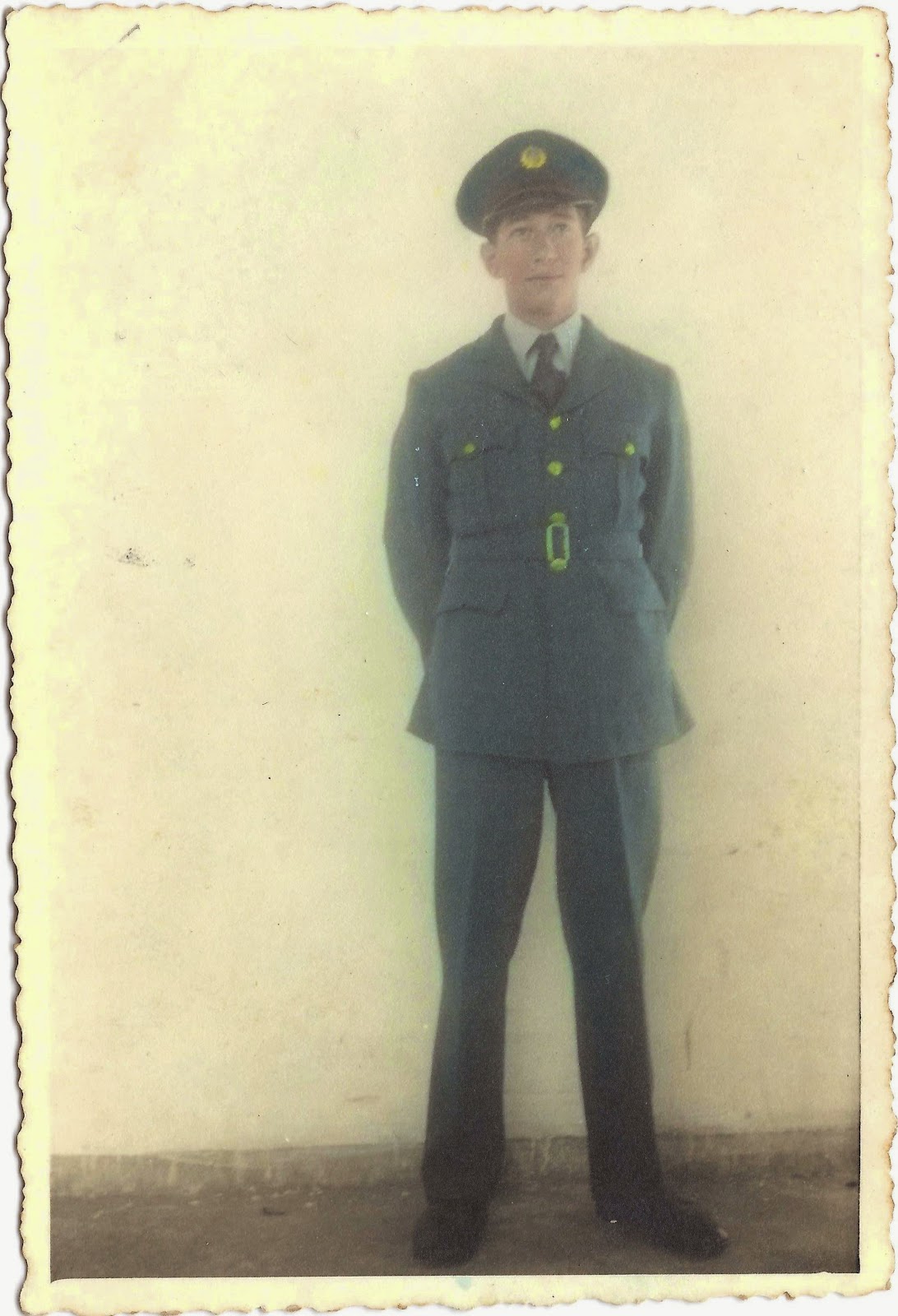
Let us begin with a colorised photo of the young flight engineer Sydney Chalmers, in a handsome blue uniform, looking optimistic. Hello, Syd!

נפתח בתמונה צבועה-ביד של מהנדס הטיסה סידני צ'למרס הצעיר, במדים כחולים ונאים ומבט אופטימי. שלום, סיד!

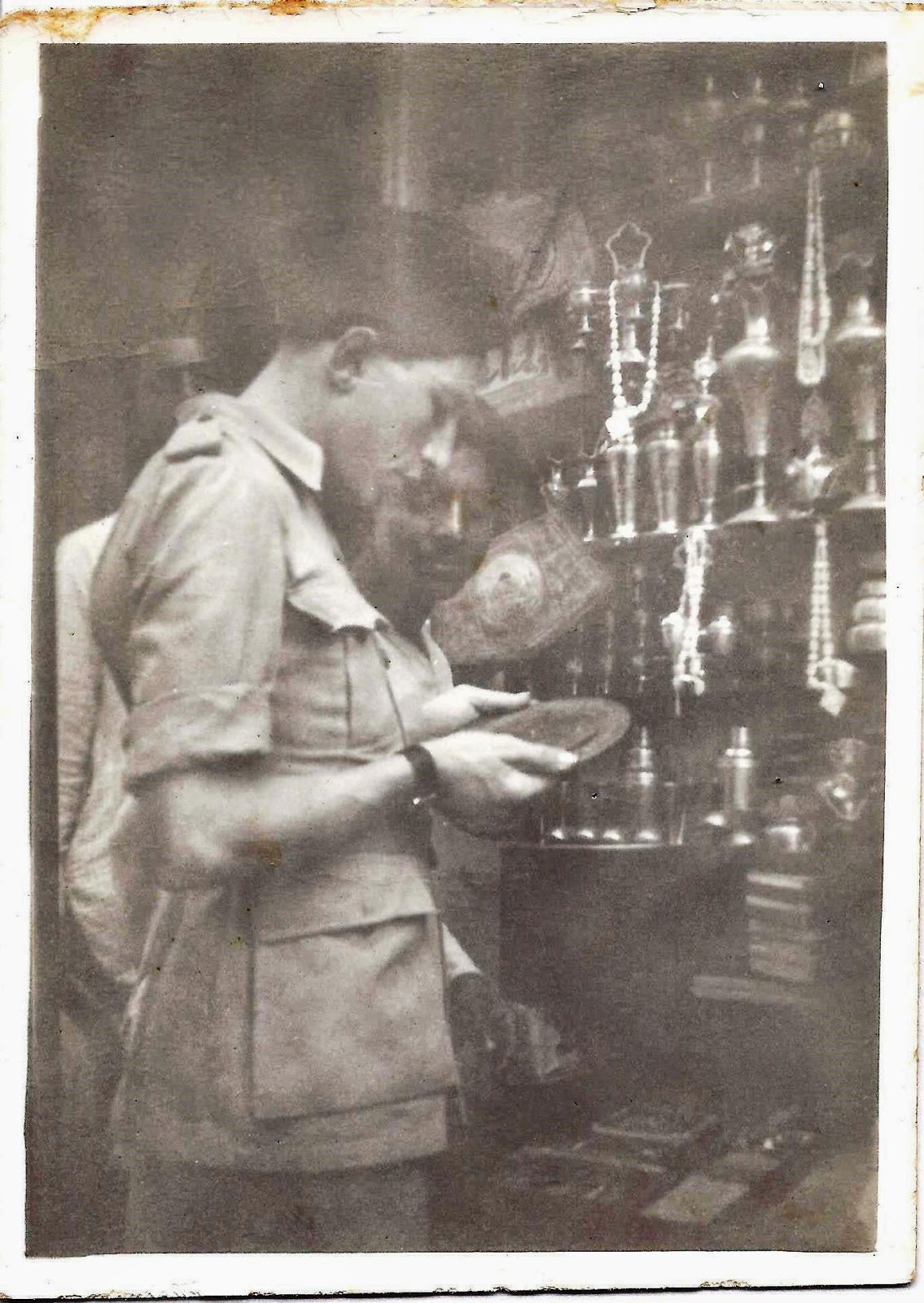
I also have a number of other photos of his in uniform, doing touristy things around India, such as buying souvenirs:

ויש גם כמה תמונות אחרות שלו במדים, עושה כל מיני דברים שתיירים עושים בהודו, כמו קניית מזכרות:

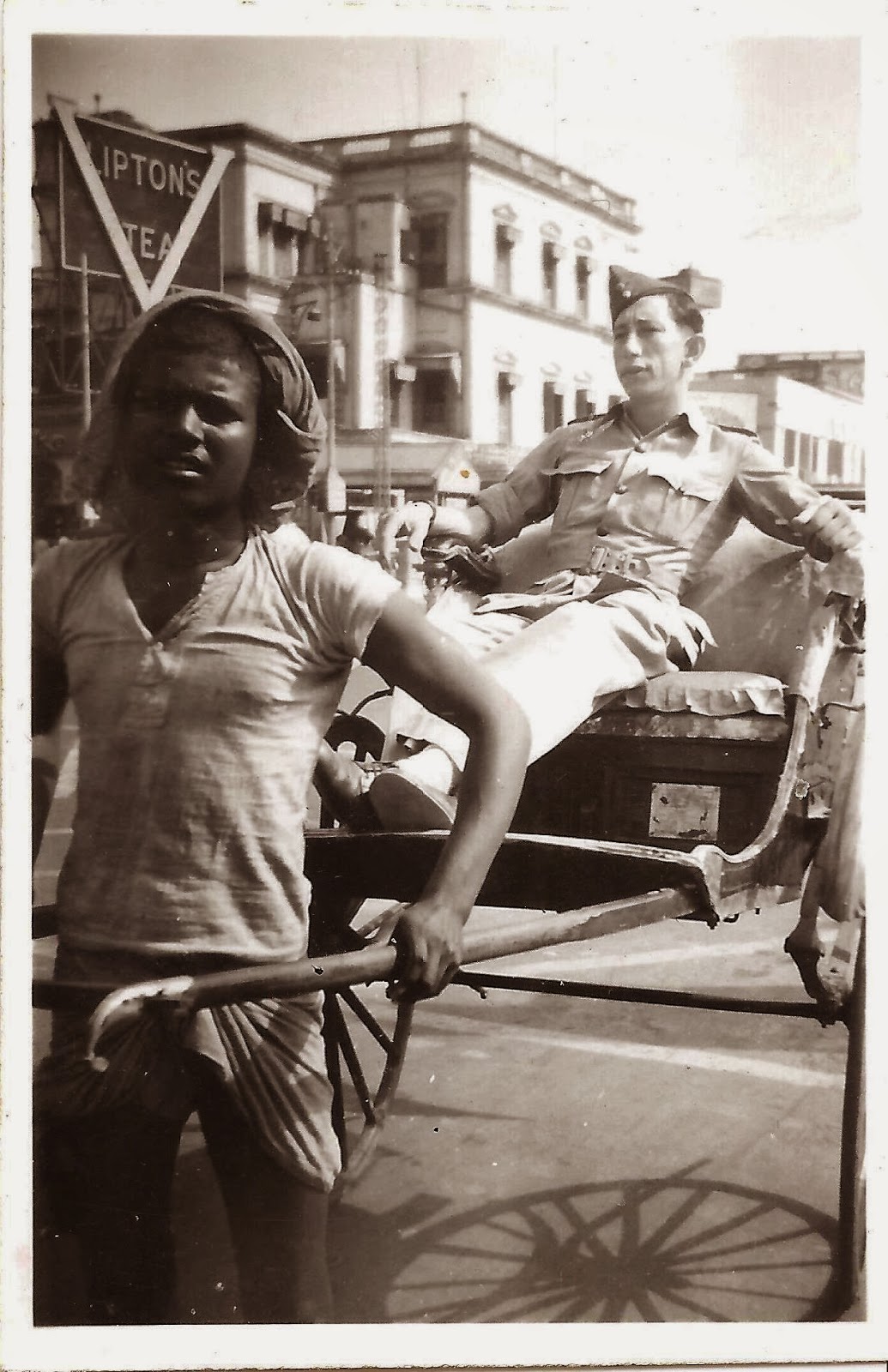
Riding a rickshaw (the writing on the back, which I didn't include here, says 'Calcutta' - the correct form of the name today is of course Kolkata - but I can't pinpoint the location):

נסיעה בריקשה (הכיתוב באחורי התמונה, שלא כללתי כאן, הוא 'כלכותה' - כיום הצורה הנכונה של השם היא כמובן קולקטה - אבל אני לא יכולה לזהות מיקום מדויק יותר):

Trying some local street food:

התנסות באוכל רחוב מקומי:
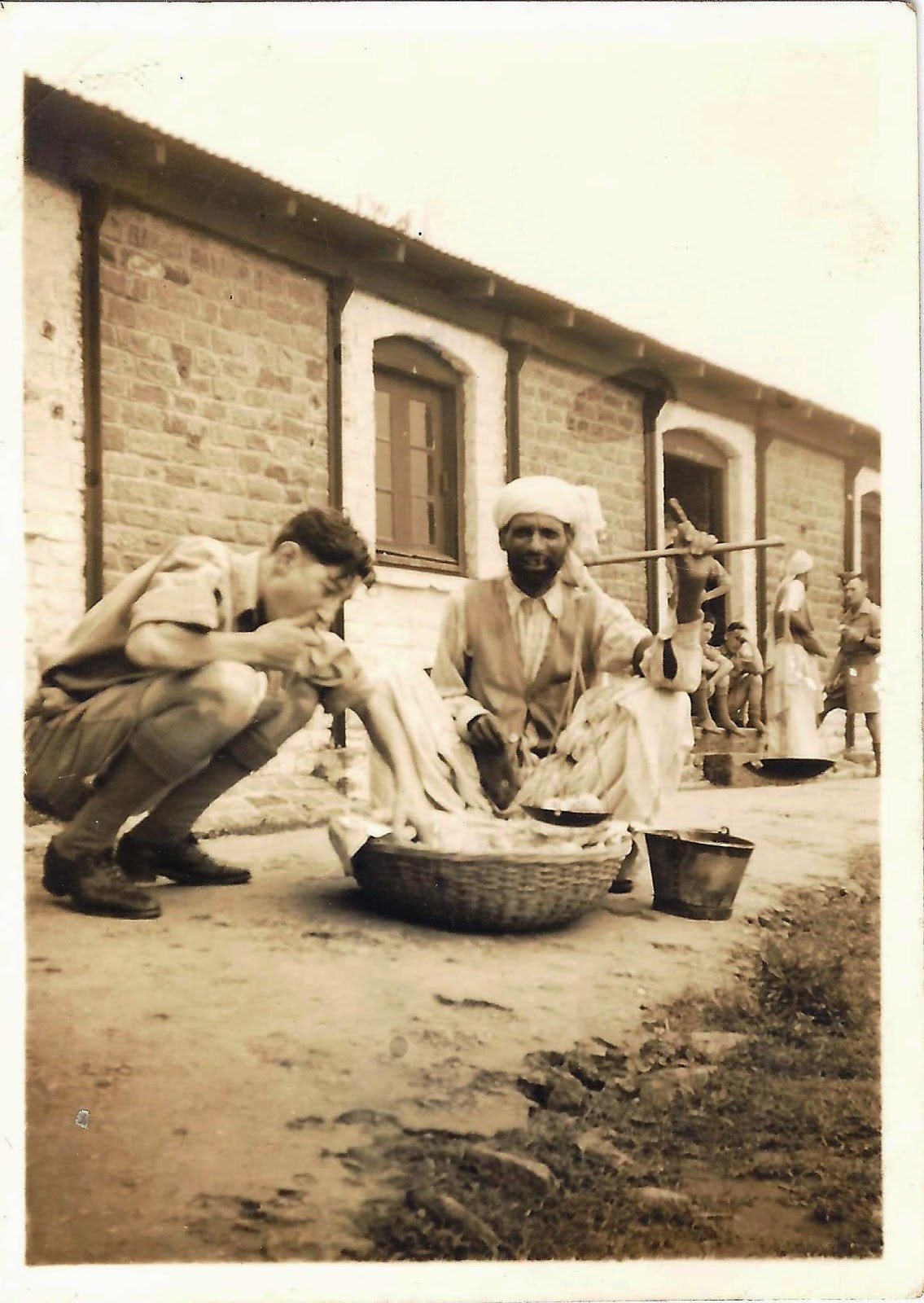

Tasting fruit fresh from seller
טעימת פירות טריים ישר מהמוכר

Horse-riding - although I suspect that might not have been a touristy thing as much as just a way to get places:

רכיבה על סוסים - אם כי אני חושבת שאולי זה לא היה כ"כ קטע של תיירים, אלא פשוט דרך להגיע ממקום למקום:


Taken at Dorothy's seat. I rode the horse up the hill-side for about 2000[?] ft. but had to walk down as it was too steep for the horse

צולם באוכף של דורותי. רכבתי על הסוסה כ-2000[?] רגל [600 מ'] במעלה הגבעה, אבל הייתי צריך לרדת ברגל כי זה היה תלול מדי בשביל הסוסה
[סליחה על ההנחה ש'דורותי' היא סוסה, אבל זה נשמע הגיוני מההקשר.]

And also fooling around with some local dress (improvised from a sheet? it has an improvised look about it), in a picture that really makes me think about my dad and his silliness:

וגם משתטה, עם לבוש מקומי (מאולתר מסדין? הוא נראה די מאולתר), בתמונה שממש מזכירה לי את אבא שלי עם האופי השטותניקי שלו:


But it wasn't all fun and games and playing tourist - after all, the reason he was in Asia in the first place was because of his military service, because of the War. I have some photos of his and his unit-mates, next to the airplanes they worked on:

אבל אי אפשר רק להשתטות ולתייר - בכל זאת, הסיבה שהוא היה באסיה בכלל היתה השירות הצבאי שלו, בגלל המלחמה. יש  לי כמה תמונות שלו עם חברים ליחידה, ליד המטוסים שעליהם עבדו:
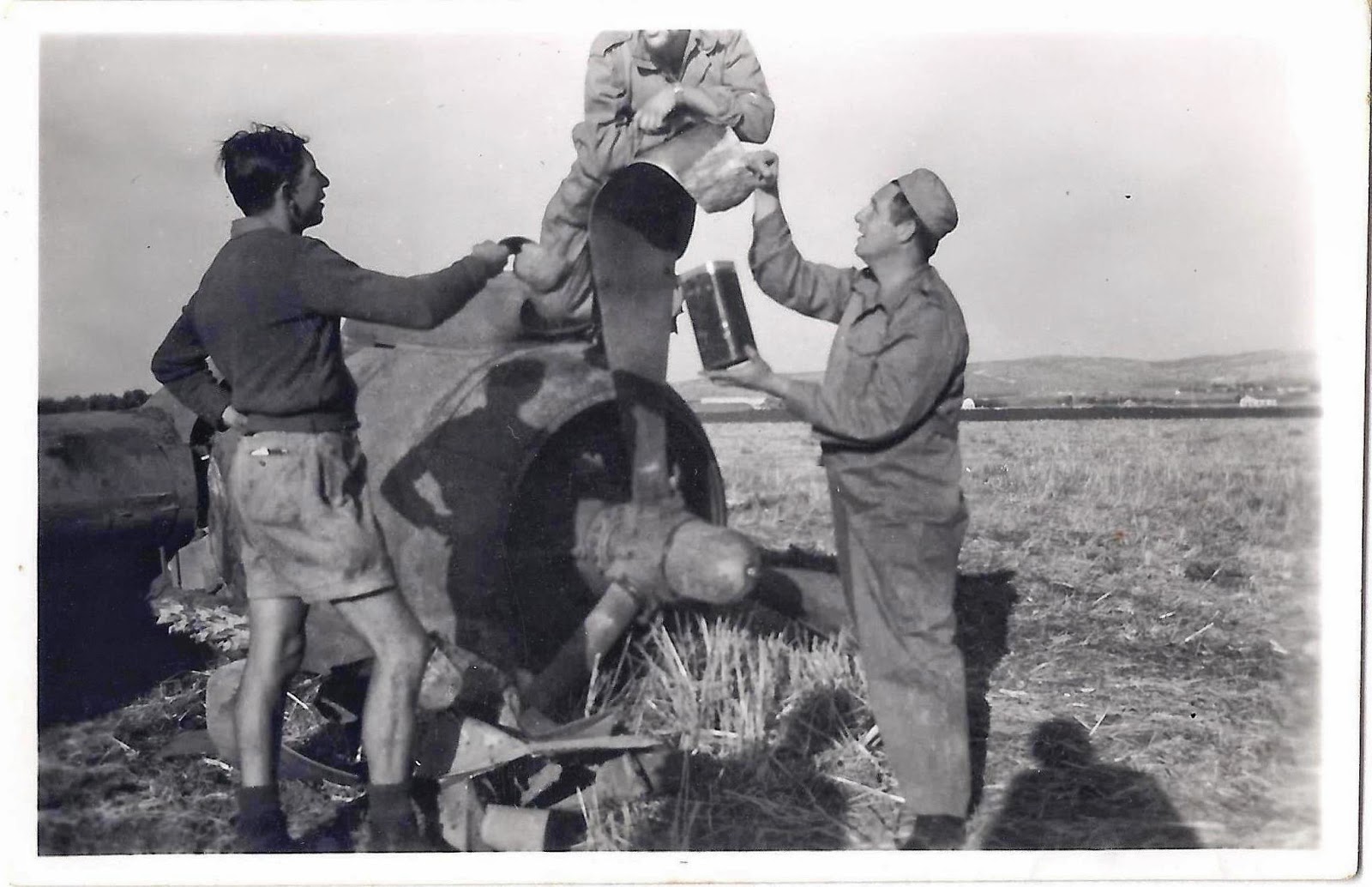
(I don't really understand what they're doing with the propeller here, can someone explain?)
(אני לא מבינה מה בדיוק הם עושים כאן עם הפרופלור, מישהו יכול להסביר?)


And also some pictures of airplanes, mostly Avro Ansons (to be precise, the model is Avro 652A Anson - which, from what I've seen, was also used by Israel in the Independence War in '48 [they call it 625A there, but that's probably a mistake], so there's some chance these photos are actually from that time, when grandpa Sydney came to Israel with Mahal and joined the IAF, also as a flight engineer... it's all a bit confusing), some of them on the ground:

וגם תמונות של המטוסים עצמם, בעיקר מדגם אוורו אנסון (או ליתר דיוק, אוורו 652A אנסון - שלפי מה שראיתי שימש גם את ישראל במלחמת העצמאות, כך שיש סיכוי מסוים שהתמונות הן בכלל מהתקופה ההיא, כשסבא סידני הגיע לישראל עם מח"ל והצטרף לחיל האוויר, גם כן כמהנדס טיסה... זה עניין קצת מבלבל), חלקם על הקרקע:

I think that's probably him next to the plane, but hard to see.
נראה לי שזה בטח הוא, ליד המטוס, אבל קשה לראות.
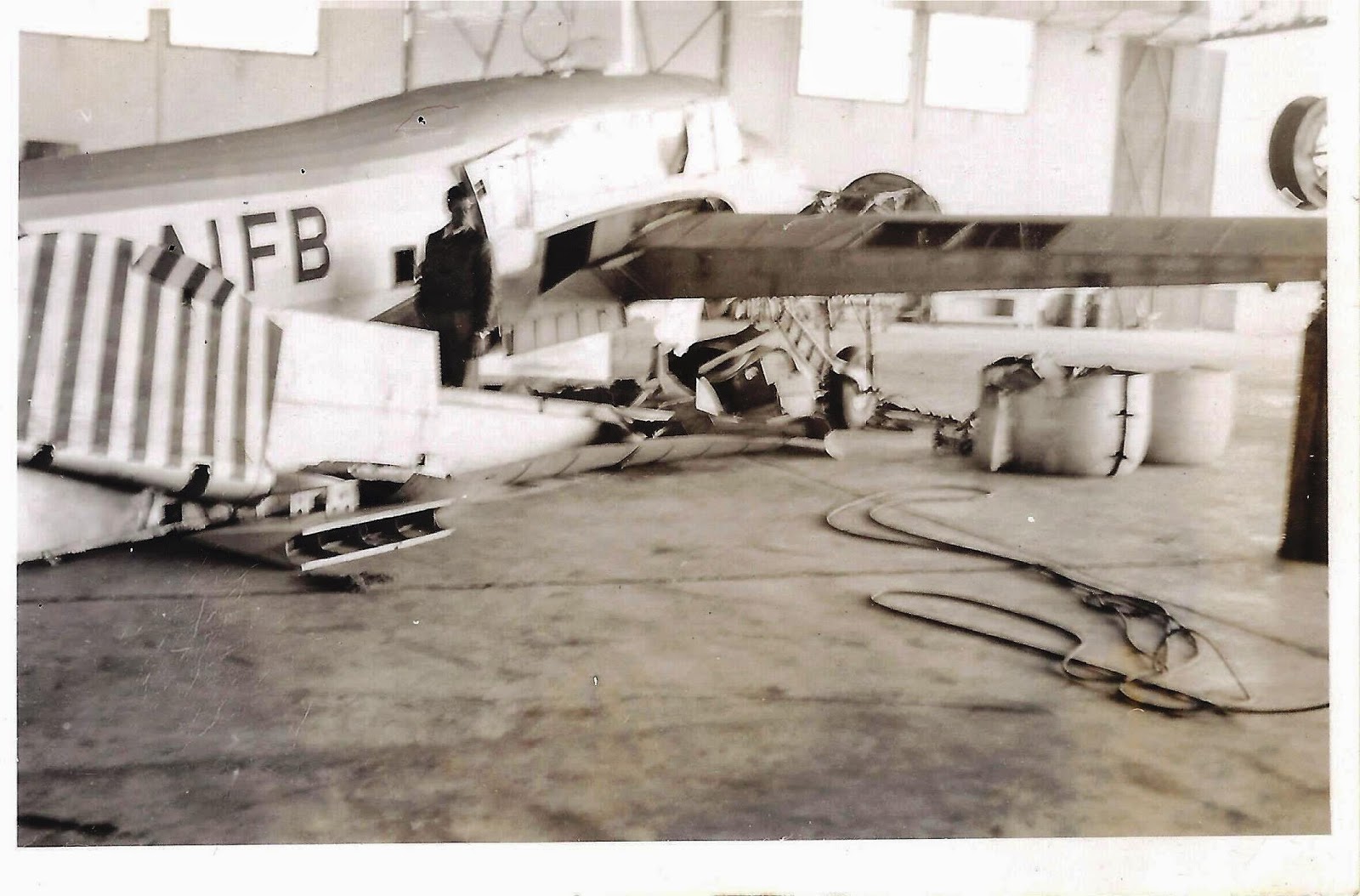
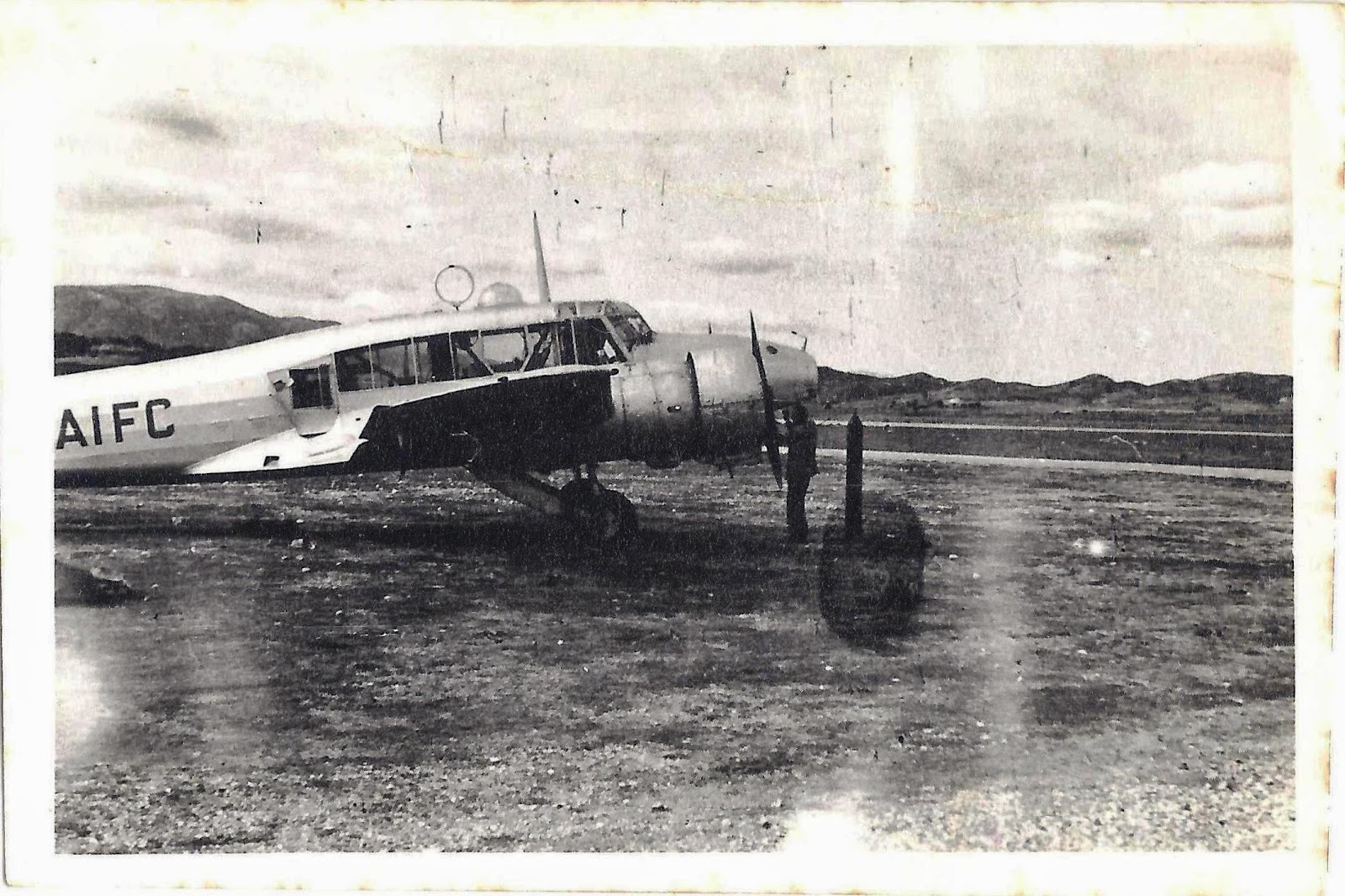


This one's definitely an RAF airplane, though - a De Havilland Mosquito, to be precise.
אבל כאן זה בטוח מטוס של ה-RAF - דה הבילנד מוסקיטו, ליתר דיוק.

And some pictures were taken in the air (again, I can't be 100% sure from when they actually are, it's hard to see details on the planes):

ויש גם תמונות שצולמו בזמן טיסה (שוב, אני לא בטוחה ב-100% ממתי הן בדיוק, קשה לראות פרטים על המטוסים):


Definitely not RAF, but what symbol is it? A star or a star-of-David? If it's the latter, this should be an IAF airplane, and thus clearly not from WWII. Can anyone help?
בוודאי לא RAF, אבל איזה סמל זה בדיוק? כוכב או מגן דוד? אם זה מגן דוד, זה מן הסתם מטוס של חה"א הישראלי, ולפיכך בטח לא ממלה"ע השנייה. מישהו יכול לעזור לי עם זה?

And back to the mates - a cute series of photos shows grandpa Sydney and some anonymous friend of his, just doing stuff (including sleeping) around the camp:

ובחזרה לחבר'ה - סדרת תמונות חמודה אחת מציגה את סבא סידני ועוד איזה חבר אלמוני שלו, סתם עושים כל מיני דברים (כולל שינה) במחנה:


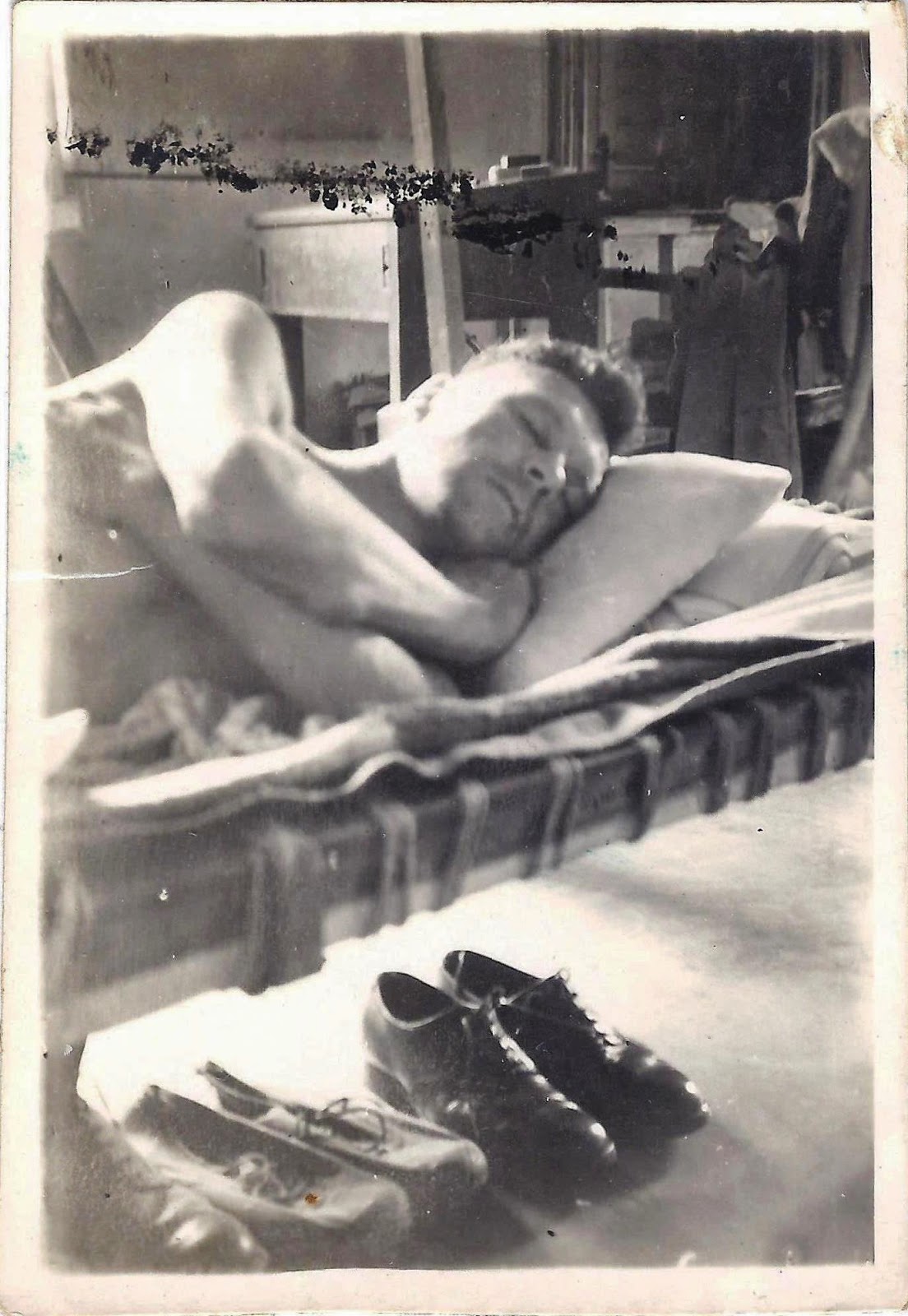

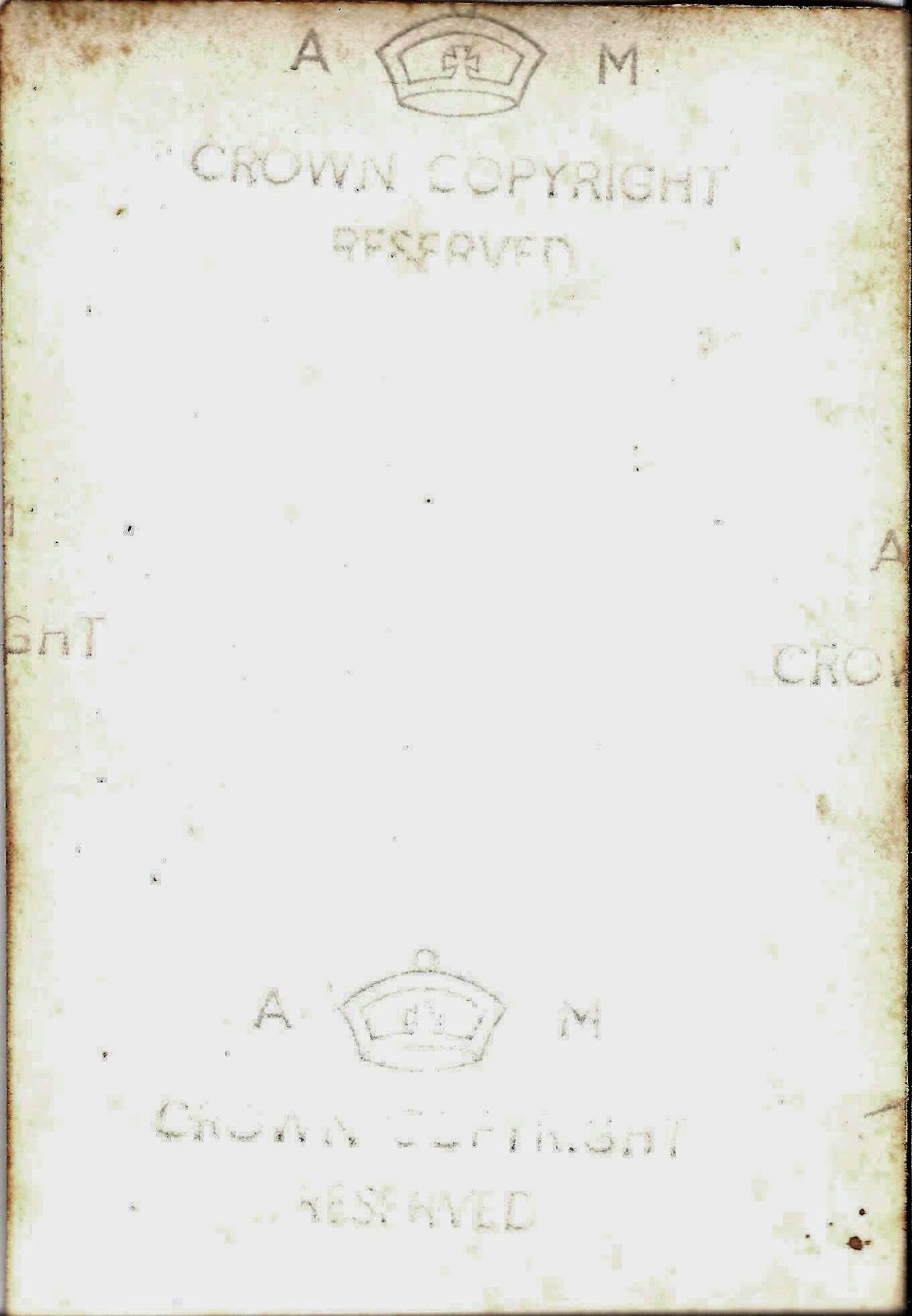
I mean, I'm not sure if it's actually a series of photos, I'm just guessing, because they're all stamped on the back with the official copyright mark of the British Air Ministry (which was a thing that existed back then). Since these are the only photos with this mark, I'm guessing that maybe there was some official photographer passing through the area, and my grandfather later purchased the photos where he and the anonymous friend appeared.

כלומר, אני לא בטוחה שזו אכן סדרת תמונות, אני רק מנחשת, כי כולן מסומנות באותה חותמת, בצד האחורי - חותמת זכויות יוצרים רשמית של משרד האוויר הבריטי (שאז עוד התקיים כישות עצמאית). מכיוון שאלה התמונות היחידות שנושאות את החותמת הזו, אני מניחה שאולי עבר באזור צלם רשמי כלשהו, וסבא שלי רכש ממנו אחר כך את התמונות שבהן הוא והחבר האלמוני הופיעו.

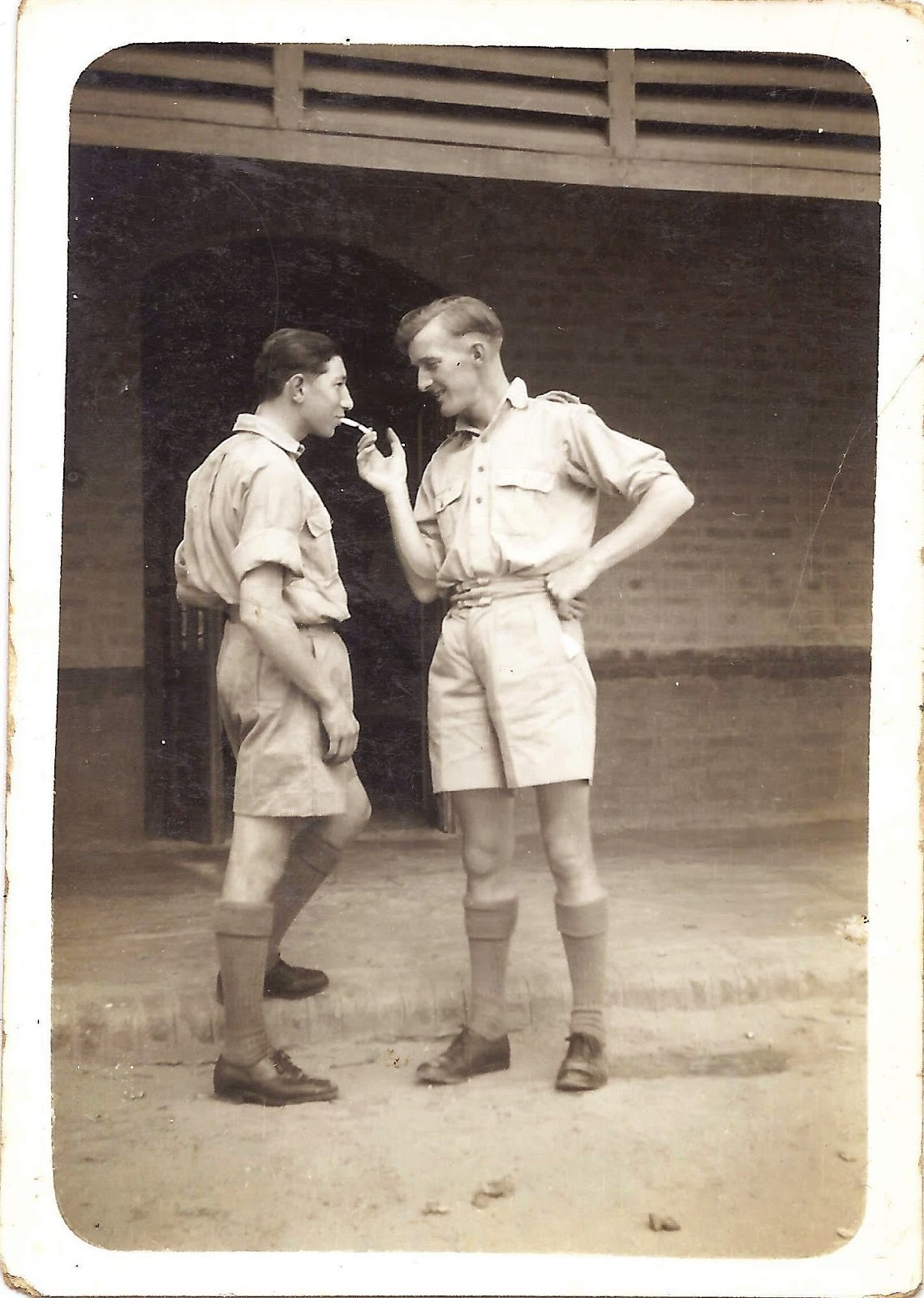
And here's another cute photo with one of his mates This one's also relatively important, because it's one of the only photos that give me some sort of a time frame - on the back it says 'April 1942 at Risal-Pur'. This gives me a bit of a lead, since the unit that was deployed in Risalpur during the War was RAF Squadron no. 31, but without any further details this is still not much more than a guess.

והנה עוד תמונה חמודה עם אחד החבר'ה שלו. זו גם תמונה חשובה יחסית, כי היא אחת היחידות שנותנות לי איזושהי מסגרת זמן - בצד האחורי כתוב 'אפריל 1942, בריסאל-פור'. זה נותן לי שביב של קצה חוט, כי היחידה שהייתה מוצבת בריסאלפור במהלך המלחמה היא טייסת 31 של חיל האוויר המלכותי, אבל בלי פרטים נוספים זה עדיין רק ברמת הניחוש.


And something else that's confusing to me - the following photo, which includes some kind of unit insignia with an elephant. It's not very clear on the scan, even though I tried making a clearer close-up, but the scroll at the bottom also seems to say 'G [or perhaps B, or 6] Batt., N.M.C.' - I'm not sure what kind of battalion it is, and whose, or even what N.M.C. stands for (possibly Navy and Marine Corps?), and I tried searching but found no battalion with an elephant symbol, so yeah, no idea what this is about.

ועוד משהו שמבלבל אותי - התמונה הבאה, שכוללת סמל יחידה כלשהו עם פיל. לא רואים כ"כ טוב בסריקה, למרות שניסיתי לארגן תקריב ברור קצת יותר, אבל על המגילה למטרה כתוב G Batt., N.M.C [יכול להיות שזה לא G אלא B או 6] - אני לא בטוחה גדוד של מי ושל מה, או אפילו מה זה בדיוק N.M.C (אולי ר"ת של Navy and Marine Corps, חיל הים והנחתים?), וניסיתי לחפש ולא מצאתי גדוד שהסמל שלו הוא פיל, אז כן, אין לי מושג מה הסיפור.

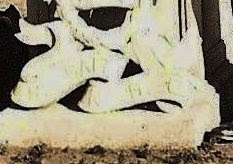

And the writing on the back only adds to my confusion:

והכיתוב בצד האחורי רק מוסיף לבלבול שלי:

The Two Italian Prisoners and one of our officers
שני השבויים האיטלקים ואחד הקצינים שלנו

Italian prisoners? What? Were there even Italian troops at the Asian front? Or maybe this photo isn't even from Asia, and was taken somewhere else? I tried searching, but got kinda lost. I really can't figure any of it out.

שבויים איטלקים? מה? היו בכלל איטלקים שנלחמו בגזרת אסיה? או שאולי התמונה הזו היא כבר בכלל לא מאסיה אלא מאיפשהו אחר? ניסיתי לחפש, אבל די הלכתי לאיבוד. אני פשוט לא מבינה כאן כלום.

And on that confused note (seriously, if anyone can help solve this, I'd be grateful), that's it for now. The next post will have a bunch of photos from various places around the Indian subcontinent and Asia in general, so if that's your thing, stay tuned for the next installment!

ובנימה מבולבלת זו (באמת, אם מישהו יכול לעזור לי לפתור את העניין הזה, אהיה אסירת תודה), זהו לבינתיים. הרשומה הבאה תכלול המון תמונות מכל מיני מקומות סביב תת-היבשת ההודית, ואסיה באופן כללי, אז אם אתם בקטע, חכו לפרק הבא!


Update, 27.7.2015: I've neglected this blog for a year (because, well, because it happened that way) but today it is the anniversary again, and in fact it is the 60th anniversary of Grandpa Sydney's death, so it feels right to at least update this post with all the helpful information I got from people last year.

First, from the comments: Inbal added the information that (a) the star on the airplane in that last flying picture is definitely a star-of-david, so this is from his IAF service rather than from WWII; and more importantly (b) that the NMC were the Native Military Corps, a segregated corps of South African blacks, which served in various non-combatant roles during the War (you can read a little more about them here, and this article seems interesting as well, although I only skimmed it). And since the Italians were involved in some battles in East Africa, it seems likely this is at least the general area we're talking about. Very cool! Thanks, Inbal!

עדכון, 27.7.2015: הזנחתי את הבלוג בשנה האחרונה (כי, נו, ככה יצא), אבל הנה הגענו שוב ליום השנה, ולמעשה היום עברו שישים שנה בדיוק למוות של סבא סידני, אז חשבתי שכדאי לפחות לעדכן כאן ולהוסיף את כל המידע המועיל שקיבלתי מאנשים בזמנו.

אל"ף: רדו נא לתגובות, לקרוא את מה שהוסיפה ענבל, במיוחד לגבי ה-NMC, ה-Native Military Corps של צבא דרום אפריקה (אפשר גם לקרוא עליהם עוד כאן, וגם במאמר הזה שרק רפרפתי עליו אבל הוא נראה מרתק); ומכיוון שהאיטלקים היו מעורבים בכמה קרבות במזרח אפריקה, זה נותן לנו לפחות מושג כללי לגבי האזור המדובר. ממש מגניב! תודה, ענבל!

Second, from Facebook: my friend Uri turned out to be a font of knowledge regarding WWII airplanes. Regarding the group picture, he first identified the plane as a Mosquito, and then added: "The skin of both engine nacelles is dismantled, which is the way to access engines for maintenance. The plane is on crutches but engines and weapons are still mounted so it's probably undergoing second-tier maintenance of some kind. There are 12 men on the photograph; they are dressed sloppily; one of them is a corporal. I assume therefore that they belong to a maintenance detail of some sort and are not crew (Mosquito crews consisted of two officers, a pilot and a navigator, who would be unlikely to be photographed with sloppily dressed enlisted men)."
Regarding the propeller picture, he said: "It looks like it's an engine from a crashed plane - the propeller appears to be bent beyond repair. The engine is radial. It is smaller than Wasps of the B17 and it does not have cowling like the engines of the Mosquito. It also has an air inlet above the engine. It is consistent with the Bristol Beaufighter, which was fairly ubiquitous, but I'm not sure."
Thanks, Uri!
[I couldn't find any WWII airplane named or nicknamed 'Wasp' - although it's a bit hard to search since the WASP were also the Women's Airforce Service Pilots - but later got a correction from my BF Dan that it was actually a type of (radial) engine, the Pratt & Whitney Wasp, so that makes more sense. Also, here are the B-17 (nicknamed The Flying Fortress) and the Bristol Beaufighter.]

בי"ת: בפייסבוק, ידידי אורי שפע ידע על מטוסי מלה"ע השנייה. לגבי התמונה הקבוצתית, הוא קודם כל זיהה את המטוס כמוסקיטו, ואז הוסיף: "המעטפת של שני קני המנוע מפורקת; כך היו מגיעים למנועים לצורך תחזוקה. המטוס מוחזק עם תמוכות אבל המנועים והנשק עדיין מורכבים עליו, אז נראה שהוא במהלך איזושהי תחזוקה בדרג ב'. יש בתמונה 12 איש; הלבוש שלהם מרושל; אחד מהם הוא בדרגת קורפורל [רב"ט]. לפיכך, אני מניח שהם שייכים ליחידת תחזוקה כלשהי ולא לצוות המטוס (צוותי המוסקיטו כללו שני קצינים, הטייס והנווט, ולא סביר שהם יהיו מוכנים להצטלם עם חוגרים בלבוש מרושל)."
לגבי התמונה עם הפרופלור, הוא כתב: "נראה שמדובר על מנוע של מטוס שהתרסק - הפרופלור נראה מעוקם באופן חסר תקנה. המנוע הוא רדיאלי. הוא קטן יותר מהוואספ של ה-B17, ואין לו כיסוי מנוע כמו של מטוסי מוסקיטו. יש גם פתח לכניסת אוויר מעל המנוע. הפרטים האלה מתאימים לבריסטול בופייטר, שהיה אז בכל מקום בערך, אבל אני לא בטוח."
תודה, אורי!
[לא הצלחתי למצוא מטוס ממלה"ע השנייה שנקרא או כונה 'וואספ' - אם כי קצת קשה לחפש מפני ש-WASP הם גם ראשי התיבות של ה-Women's Airforce Service Pilots, טייסות שירות חיל האוויר - אבל הבנזוג תיקן אותי אח"כ שהכוונה הייתה למעשה למנוע (רדיאלי) מדגם וואספ של חברת פראט & וויטני, אז זה יותר הגיוני. וחוץ מזה, הנה ה-B-17 (שכונה 'המבצר המעופף') והבריסטול בופייטר.]

And third, from email: Yuval talked about the IAF Avro Anson planes (which are described here [Hebrew link], including the two seen in the pictures I have, the G-AIFB and the G-AIFC):
"There's an Avro Anson plane that got to Israel in pieces (in 1949) and was assembled (by the Aero Club or maybe by the air force). You can see the plane being assembled, in silver paint in an airfield (I think Ramat David) and in IAF paint (twice, in low flight over a field, and over the sea, I think near Haifa).
There's an Avro Anson that "crashed" during landing - that's why it's sitting on the ground, with a bent propeller. I wonder who's the engineer that responsible for that."
[This is about the plane that Uri identified as (probably) a Beaufighter; Yuval doesn't insist about his own idea, and I of course have no way to judge which one is right, so as far as I'm concerned both are possible options.]

He also mentioned that Wikipedia tells about an attempt to smuggle some Avro Anson planes from the UK to Israel during the Independence War [the English Wikipedia entry doesn't have those details, but you can read about it here], one of which was forced into emergency landing near Milan, which caused him to come up with an interesting idea:
"Another theory about the crashed plane - all the places that talk about the failed smuggling of the planes only mention the pilots. But there were 11 crew members in 4 planes that arrived in Greece. Which means they also had flight engineers (that makes sense, they were flying tincans over a long distance.
Idea - the fifth plane, that had an emergency landing **in a tilled field near Milan** was flown by Arnold Ilowite and some engineer. It was fixed within 10 days and flown to the Urbe airfield near Rome.
Who was the engineer, was it Syd? And is it a photo of them with the plane after the emergency landing?"

Although later on, after looking at the picture attached below (in the Hebrew part), the conclusion was that it is not the same airplane, or at least not the same crash landing.
Anyway, this is all very cool and enlightening. Thanks, Yuval!

וגימ"ל: באימייל, יובל דיבר על מטוסי אוורו אנסון של חיל האוויר (שמתוארים כאן, וביניהם אפשר למצוא את השניים שמופיעים בתמונות אצלי, G-AIFB ו-G-AIFC):
"יש שם מטוס אוורו אנסן של חיל האויר שהגיע בחלקים לישראל (שנה 1949) והורכב (ע"י קלוב התעופה או אולי כבר חיל האויר). רואים את המטוס בהרכבה, בצבע כסף בשדה תעופה (רמת דוד לדעתי) ובצבעי חיל האויר הישראלי (פעמיים, בטיסה נמוכה מעל שדה ומעל הים סביבות חיפה לדעתי).
יש שם מטוס אוורו אנסן ש"התרסק" בנחיתה - לכן הוא יושב על הרצפה והמדחפים עקומים. מעניין מי היה המהנדס שאחראי לזה."
[זה אותו המטוס שאורי זיהה כבופייטר (כנראה); יובל לא מתעקש על הזיהוי שלו, ולי אין שום דרך לשפוט מי צודק כמובן, אז שתי האופציות תלויות ועומדות מבחינתי.]

הוא גם ציין שבוויקיפדיה מתואר נסיון הברחה של כמה מטוסי אוורו אנסון מאנגליה לישראל במלחמת העצמאות, שבה אחד מהם נאלץ לנחות נחיתת אונס ליד מילאנו, מה שהוביל אותו להעלות רעיון מעניין:
"תאוריה נוספת בקשר למטוס המרוסק - בכל המקומות שמדברים על ההברחה הכושלת של המטוסים מצויינים רק הטייסים. אבל 11 אנשי צוות ב-4 מטוסים הגיעו ליוון. משמע- היו איתם מהנדסי טיסה (הגיוני, הם הטיסו גרוטאות למרחק רב).
רעיון- את המטוס החמישי שנחת נחיתת אונס **בשדה חרוש ליד מילאנו** הטיס ארנולד אילווייט ועוד מהנדס כלשהו. הוא שופץ תוך 10 ימים והוטס לשדה התעופה אורבה ליד רומא.
מי המהנדס האם זה סיד? והאם זו התמונה שלהם עם המטוס אחרי נחיתת אונס?"
אם כי בהמשך, ולאחר שמצא את התמונה שלהלן, המסקנה הייתה שכנראה שלא מדובר על אותו המטוס, או לכל הפחות לא על אותה ההתרסקות:

בכל אופן, כל זה מגניב ומחכים מאוד. תודה, יובל!


It is so awesome to have such knowledgeable friends, and I'm sorry I didn't get around to updating all this stuff sooner.

And what about the other posts I promised, with the rest of Grandpa Sydney's photos? I hope to get around to that later in the summer. We shall see...

כ"כ מעולה שיש לי חברים שיודעים כל כך הרבה, ואני מצטערת שלא יצא לי לעדכן עם כל הדברים האלה קודם.

ומה לגבי הפוסטים האחרים שהבטחתי, עם כל שאר התמונות של סבא סידני? אני מקווה להגיע אליהם מתישהו בהמשך הקיץ. נחיה ונראה...

Saturday, March 10, 2012

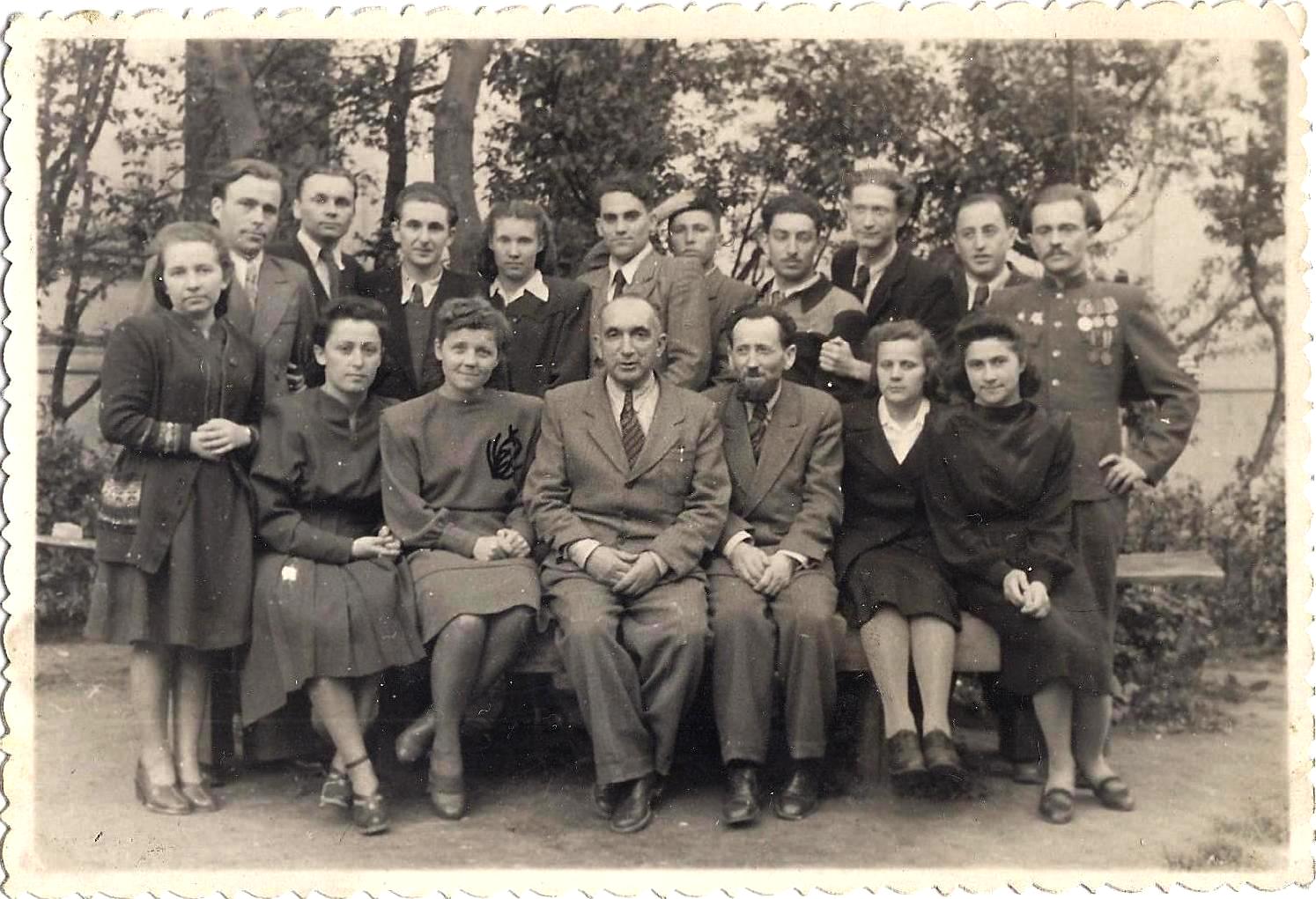
Class photo - תמונת מחזור

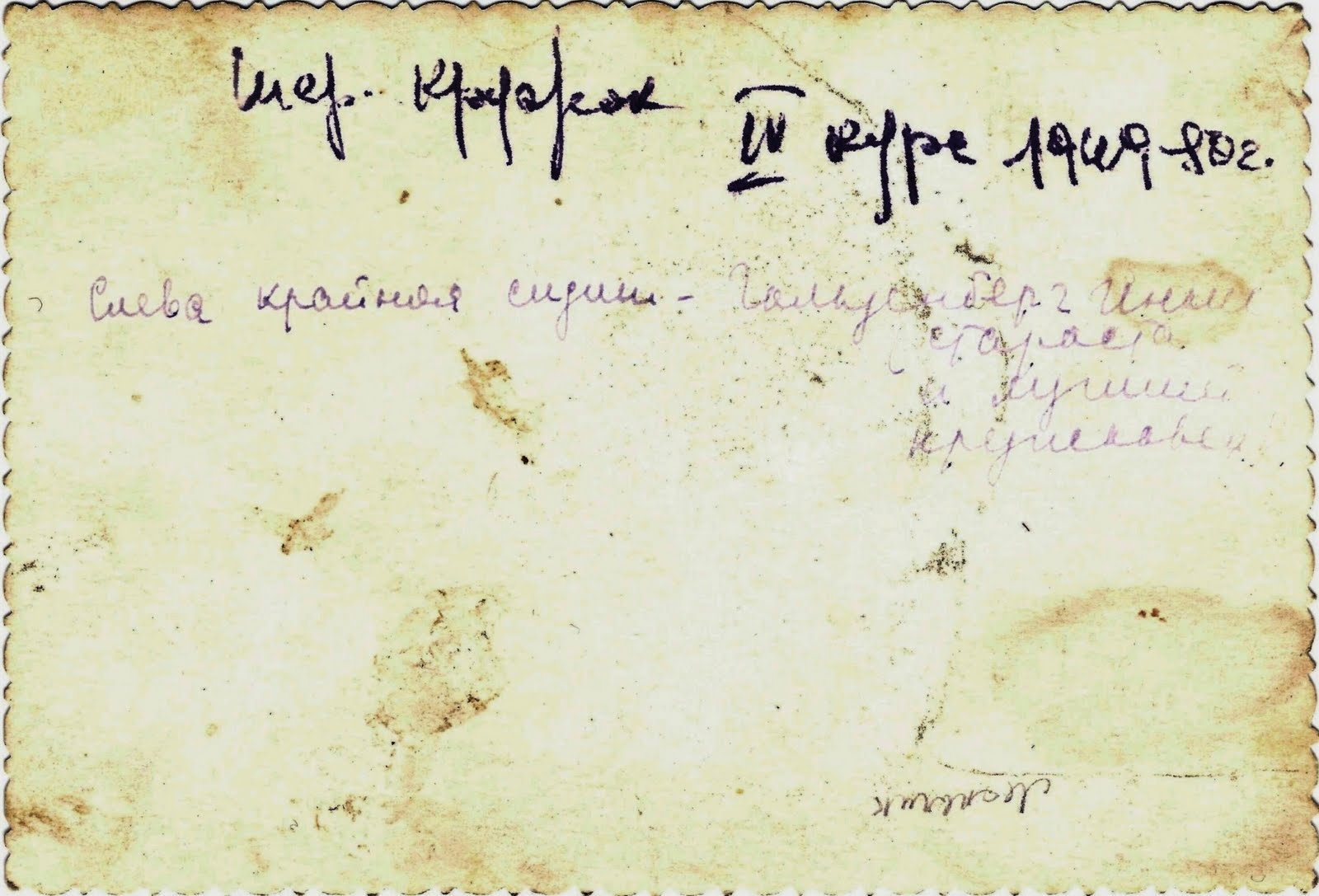
Continuing the series of anonyms - although for the time being I'm focusing on pictures that include some kind of message, so at least there's some information. In this specific picture, the only thing I can read is the year (I think the language is Russian, but I'm not sure even of that)... well, it's better than nothing.

המשך סדרת האלמונים - אם כי בינתיים אני מתמקדת בתמונות עם כיתוב, כך שיש לפחות קצת מידע. בתמונה הזו ספציפית, הדבר היחיד שאני יכולה לקרוא הוא השנה (אני חושבת שהשפה היא רוסית, אבל אפילו בזה אני לא בטוחה)... נו, גם זה משהו.

Anyway, one of the reasons I like this picture is simply because there are a lot of people in it, and like with every group picture, each person is a little world. Since I can't read what's on the back, I don't know what the context was, but my (wild) guess is that this is a class photo from a teachers college or something of the sort. That's just what came to mind when I looked at them.

בכל אופן, את התמונה הזו אני אוהבת בין השאר פשוט מפני שיש בה הרבה אנשים, וכמו בכל תמונה קבוצתית, כל אחד הוא עולם ומלואו. מכיוון שאני לא יכולה לקרוא את הכיתוב בצד האחורי, אני לא יודעת מה ההקשר, אבל הניחוש (הפרוע) שלי הוא שזו תמונת מחזור מסמינר למורים או משהו כזה. זה פשוט מה שקפץ לי לראש כשהסתכלתי עליהם.

Front:
צד קדמי:
(As always, click to enlarge - כרגיל, קליק להגדלה)

I definitely recommend clicking-to-enlarge, because it's pretty cool to have a closer look at all the different people and their different expressions. Look at how smug the military guy on the right is; I don't know if it's because of all these medals or because he has a really good moustache going (that fourth-from-right guy with the two-tone sweater definitely looks jealous of it). Also smug: the guy on the far left, who seems to be thinking 'yup, I'm handsome' - or maybe he's just constipated, hard to tell. And I like how optimistic and sweet the girl sitting to the left of the old guy in the middle (the professor? the principal?) seems, especially since all the other ladies in the picture look really jaded - especially the short broad-faced one sitting to the right of Trotsky's dad there (another professor? assistant principal?), who looks like she's pretty much used to being shoved to the back by other people. Although the girl on the far left has a good case of 'Ugh, I cannot believe we're doing this' and the one girl in the back row has a nice 'I hate you all, burn in hell' face going on, so it's quite a competition there. There also seem to be two cases of 'Wait, we're taking a picture? Why didn't anyone tell me?' in the back row: lanky guy, third from the right, who appears to have just butted in a moment ago, and that young-looking dude in the middle still fixing his hair.
So many things to look at. I could go on, but I think this'll do. You can share your favourite interpretations in the comments, if you want to.

אני באמת ממליצה להגדיל את התמונה, כי ממש מגניב לחקור מקרוב את כל האנשים השונים וההבעות שלהם. תראו כמה הבחור הצבאי בקצה הימני נראה זחוח; אני לא יודעת אם זה בגלל כל המדליות שיש לו, או מפני שהשפם שלו ממש מוצלח (הבחור הרביעי-מימין עם הסוודר בשני צבעים בהחלט נראה כאילו הוא מקנא בשפם הזה). עוד זחיחות: הבחור בקצה השמאלי, שנראה כאילו הוא חושב 'כן כן, אני חתיך' - אם כי אולי הוא סתם סובל מעצירות, קשה לדעת. אני גם אוהבת עד כמה הבחורה שיושבת משמאל לאיש המבוגר באמצע (פרופסור? מנהל?) נראית אופטימית ומתוקה, בייחוד מפני שכל שאר הבנות בתמונה נראות ממש מבואסות - במיוחד הנמוכה עם הפרצוף הרחב שיושבת מימין לאבא של טרוצקי (עוד פרופסור? סגן המנהל?), שנראית כאילו היא די רגילה לזה שאנשים אחרים דוחפים אותה אחורה. עם זאת, הבחורה בקצה השמאלי של השורה כנראה די סובלת מאיזה 'אוף, אני לא מאמינה שאנחנו עושים את זה', ולבחורה היחידה בשורה האחורית יש חתיכת פרצוף 'אני שונאת את כולכם, תמותו', אז זו בהחלט תחרות עזה. ויש גם שני מקרי 'רגע, אנחנו מצטלמים? למה אף אחד לא אמר לי?' בשורה האחורית: הגרום השלישי מימין נראה כאילו הוא בדיוק השתחל לשורה לפני רגע, והבחור הצעיר-למראה באמצע שעדיין מסדר את השיער.
יש כ"כ הרבה דברים שאפשר להסתכל עליהם. אני יכולה להמשיך ולהמשיך, אבל נראה לי שמספיק. אתם יכולים לחלוק את הפרשנויות החביבות עליכם בתגובות, אם מתחשק לכם.

Anyway, let's have a look at the writing on the back, even though like I said before, I can't understand much of it, except for the year, and a Roman numeral which is either a III or a IV (probably IV, but hard to tell from the writing).

בכל אופן, בואו נציץ בכיתוב מאחור, למרות שכמו שאמרתי קודם אני לא מבינה הרבה ממנו, מלבד השנה וספרה רומית שהיא או III או IV (כנראה IV, אבל קשה לי להחליט עם הכתב הזה).

Back:
צד אחורי:

Like I said above, I think it's Russian, but it's pretty hard for me to read any of it, so I might be completely on the wrong track here. Anyone can maybe help me figure it out?

כאמור לעיל, נדמה לי שזו רוסית, אבל די קשה לי לקרוא את הכתב, אז יכול להיות שאני ממש לא בכיוון הנכון. מישהו יכול אולי לעזור לי להבין מה כתוב פה?

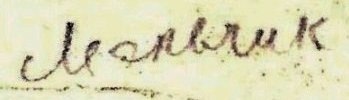
Anyway, it's interesting that there seem to be three separate parts here: the top looks like a sort of title, telling us (well, telling the people who can read it...) what is up with these people in general. You know, like 'Trotsky's Dad's Teachers College, group IV, class of 1949' or something like that. Then below that you have what looks like a more personal message, in a slightly different hand. And at the bottom, upside-down, there's one more word (maybe a name?) - here it is in close up, so you won't have to turn your screens upside down:

בכל אופן, מעניין לראות שיש כאן כנראה שלושה חלקים נפרדים: השורה העליונה נראית כמו מעין כותרת, שמספרת לנו (טוב, מספרת לאנשים שיכולים לקרוא אותה...) מה הסיפור של האנשים האלה באופן כללי. נו, אתם יודעים, נגיד 'הסמינר למורים של אבאשלטרוטסקי, קבוצה IV, מחזור 1949' או משהו כזה. ואז מתחתיה יש משהו שנראה כמו מסר יותר אישי, בכתב קצת אחר. ולמטה, הפוך, יש עוד מלה אחת (אולי שֵׁם?) - הנה היא מקרוב, כדי שלא תצטרכו לסובב את המסך:


And I wonder whether these were really all written by different people, or maybe just at different times (with different pens), and what it's saying. And as usual, I wonder who these people are, and what they were thinking when this picture was taken, and what happened to them afterwards. And as usual, I guess I'll never know.

ואני תוהה אם כל אלה אכן נכתבו בידי אנשים שונים, או אולי רק בזמנים שונים (ועם עט שונה), ומה כתוב שם. וכרגיל, אני תוהה מי היו האנשים האלה, ומה הם חשבו כשהתמונה צולמה, ומה קרה להם אחר כך. וכרגיל, כנראה שאף פעם לא אדע.


Update (March 17): Hooray! One of my little band of readers found someone who translated most of the message from Russian. Hebrew readers can just check the comments, but here's a translation of the translation:
[???] class [note: this indicates something like a sewing or drama class, rather than an academic course], third year [of university], 1949-50.
Sitting on the left - Goldenberg Inna, class administrator and the best [???].
[upside-down at the bottom:] Boy

עדכון (ה-17 במארס): הידד! אחת מקוראיי הספורים מצאה מישהו שתרגם(/ה) מרוסית את רוב הכיתוב. אם תגללו טיפה למטה תראו את התרגום בתגובה הראשונה - לא נראה לי שיש טעם להעתיק אותו לכאן.

So, some mystery cleared, some not so much. That 'boy' thing is really rather odd, since I can't think of a circumstance where anyone would write that on the back of a photo. As for Inna Goldenberg, I tried some searches, but predictably didn't come up with much, and nothing that I did find could be positively linked to the woman in the picture. The closest I got was a mention of the name as a silver medalist (of what?) in 1957 in a Talinn gymnasium. I needed to view the site through Google Translate, so it's been a bit hard to figure out much about it, but they have a pretty neat 'photo album' section, so I tried looking through the 1947-1960 pictures. Doesn't look like it's the place from 'my' picture. Probably a different Inna Goldenberg, I guess.

אז חלק מהמסתורין הוברר, וחלק לא כל כך. החלק עם 'ילד' די מוזר לי, כי אני לא יכולה לחשוב על סיטואציה שבה מישהו יכתוב משהו כזה בצד האחורי של תמונה. בכל הנוגע לאינה גולדנברג, ניסיתי לחפש קצת, אבל כצפוי די העליתי חרס בידי, וגם את מה שכן מצאתי אי אפשר לקשור באופן ברור לאשה בתמונה. התוצאה הכי קרובה היתה אזכור של השם כאחת הזוכות במדליית כסף (על מה?) ב-1957 בגימנזיון בטאלין. נאלצתי לקרוא את האתר דרך גוגל תרגום, אז היה לי די קשה להבין הרבה על המקום, אבל יש להם 'אלבום תמונות' די מגניב, אז ניסיתי לדפדף בתמונות של 1947-1960. לא נראה לי שזה המקום שבתמונה 'שלי'. נראה לי שזו בטח איזו אינה גולדנברג אחרת.

This was fun, though. And I like knowing even a little bit more about the picture. Thanks, Hannah!

אבל זה היה כיף. ונחמד לי לדעת אפילו רק קצת יותר על התמונה. תודה, חנה!

Thursday, February 9, 2012

The Mysterious Maria - מריה המסתורית

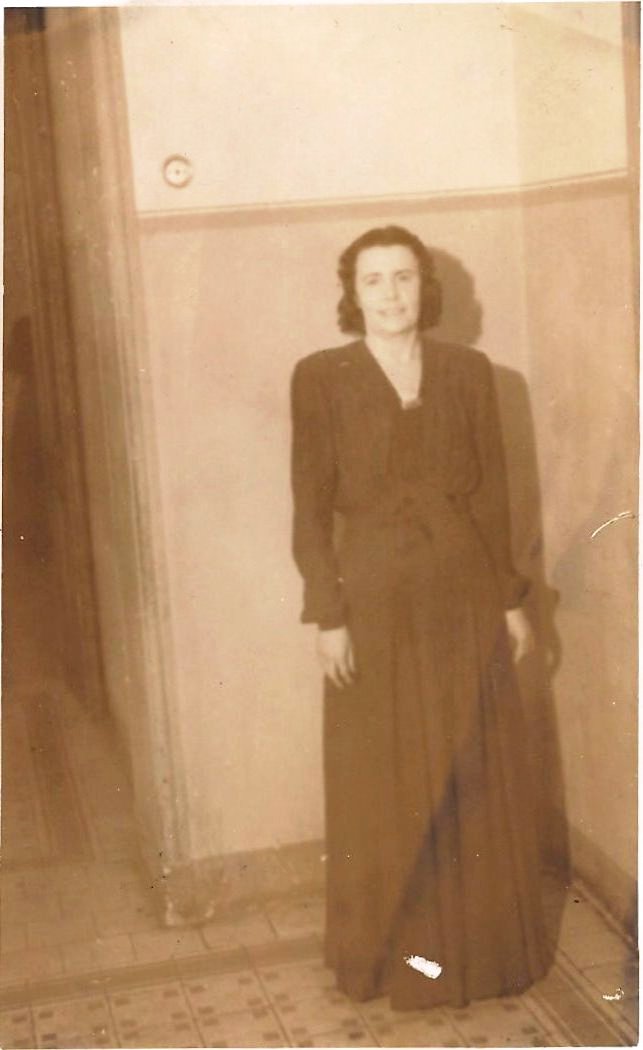
When I just decided to start this blog, this was the first picture I scanned. I bought it quite a long time ago, and I've always really loved it.

כשרק החלטתי להתחיל את הבלוג הזה, זו היתה התמונה הראשונה שסרקתי. קניתי אותה די מזמן, ותמיד אהבתי אותה במיוחד.

There isn't much I can say about it, actually; there isn't much I can know. It's one of many pictures of anonymous people that I bought because something about them just clicked with me - sometimes with a few words on the back but often not even that - and I think that over the next few posts I'll be sharing these anonyms, in a way closer to what I envisioned when I started the blog: minimal explanations, mostly giving the stage to the pictures themselves.
Speaking of which, here's the picture.

אני לא יכולה לספר עליה הרבה, למען האמת; אני לא יכולה לדעת עליה הרבה. זו אחת מכמה תמונות של אנשים אלמונים שקניתי כי פשוט התחברתי אליהן בגלל פרט כזה או אחר - לפעמים עם כמה מלים בצד האחורי אבל לרוב אפילו זה לא - ונראה לי שלאורך הרשומות הקרובות אחלוק את האלמונים האלה, באופן שקרוב יחסית למה שחשבתי לעצמי כשהתחלתי את הבלוג: הסברים מינימליים, שישאירו את רוב הבמה לתמונות עצמן.
ואפרופו, הנה התמונה.

Front:
צד קדמי:


It's not a very good picture - it's blurry and faded, and the flash was a bit too drastic, and whoever took it apparently couldn't keep the camera straight - but in many other ways, it's wonderful. Mainly thanks to that woman. There's something almost regal about her posture. She's not young, and I can't say she's beautiful, but she has such a strong face. She doesn't look very happy, too, although that might just be a picture taken just at the wrong moment. Her dress is simple and severe, but looks well-fitted. And there's one piece of jewelry, which I think is a necklace but might be a sort of brooch or pin. It all combines to someone who feels like she must have had an impressive presence. She absolutely fascinates me.

זו לא תמונה טובה במיוחד - היא מטושטשת ודהויה, והפלאש היה קצת דרסטי מדי, ומי שצילם אותה ככל הנראה לא הצליח להחזיק את המצלמה ישר - אבל בכל מיני צורות אחרות היא פשוט נפלאה. בעיקר בזכות האשה הזו. יש משהו כמעט מלכותי בעמידה שלה. היא לא צעירה, ואני לא יכולה לומר שהיא יפה, אבל הפנים שלה כל כך חזקים. היא גם לא נראית שמחה במיוחד, למרות שאולי זו סתם תוצאה של צילום ברגע הלא-נכון. השמלה שלה פשוטה וחמורת-סבר, אבל נראית באיכות טובה. ויש גם תכשיט אחד, נדמה לי שזו מחרוזת אבל אולי זו איזושהי סיכה. כל הדברים האלה משתלבים לדמות שנדמית כמו מישהי עם אישיות מרשימה. היא ממש מרתקת אותי.

I think the picture was taken here in Israel, mostly because of the floor tiles and the general style of (what you can see of) the walls; it reminds me of the rich old Arabic houses in Jerusalem. That might just be a bias, or course - there might be similar styles elsewhere. I don't know. I also kinda get the feeling that the house is mostly empty, although it's very hard to tell from just one corner and a bit of corridor (by the way, is that another person standing back there, in the shadows, or is it a coat on a coat hanger? I can't tell). Maybe because it seems odd to take a picture just standing in the corner of a room, not sitting on a chair or leaning on a table or something, so it gives me the feeling that maybe there wasn't anything else there.

אני חושבת שהתמונה צולמה כאן בישראל, בעיקר בגלל המרצפות והסגנון הכללי של (מה שאפשר לראות מ-) הקירות; זה מזכיר לי את בתי-העשירים הערביים הישנים בירושלים. אולי זו סתם הטיה שלי, כמובן - יכולים להיות בתים דומים גם במקום אחר. אני לא יודעת. גם איכשהו יש לי הרגשה שהבית די ריק, אם כי מאוד קשה לדעת משהו כזה מתוך פינה אחת וקצת מסדרון (אגב, האם יש דמות של אדם נוסף בצללים שם מאחור, או שזה סתם מעיל על מתלה מעילים? קשה לי להחליט). אולי מפני שנראה לי קצת מוזר להצטלם ככה סתם בפינת החדר, לא בישיבה על כיסא או תוך הישענות על שולחן או משהו, אז מתקבלת הרגשה שאולי פשוט לא היה שם שום דבר.

Which gives me the mental picture of an immigrant. Someone who just moved to Israel, who doesn't have much with her, who maybe doesn't have much at all, but still carries herself with pride. Where did she come from, and when? Well, there's a partial answer for that, on the back. This was taken in 1946, and the message appears to be in Polish, from the little I managed to research.

ומכאן צומחת תמונה מנטלית של מהגרת. מישהי שרק עלתה לישראל, שאין לה הרבה, ואולי אין לה שום דבר בכלל, אבל עדיין יש בה גאווה. מאיפה היא באה, ומתי? יש רק תשובה חלקית לעניין הזה, בצד האחורי. התמונה צולמה ב-1946, והמסר שעליה נכתב כנראה בפולנית, לפי המעט שהצלחתי לחקור.

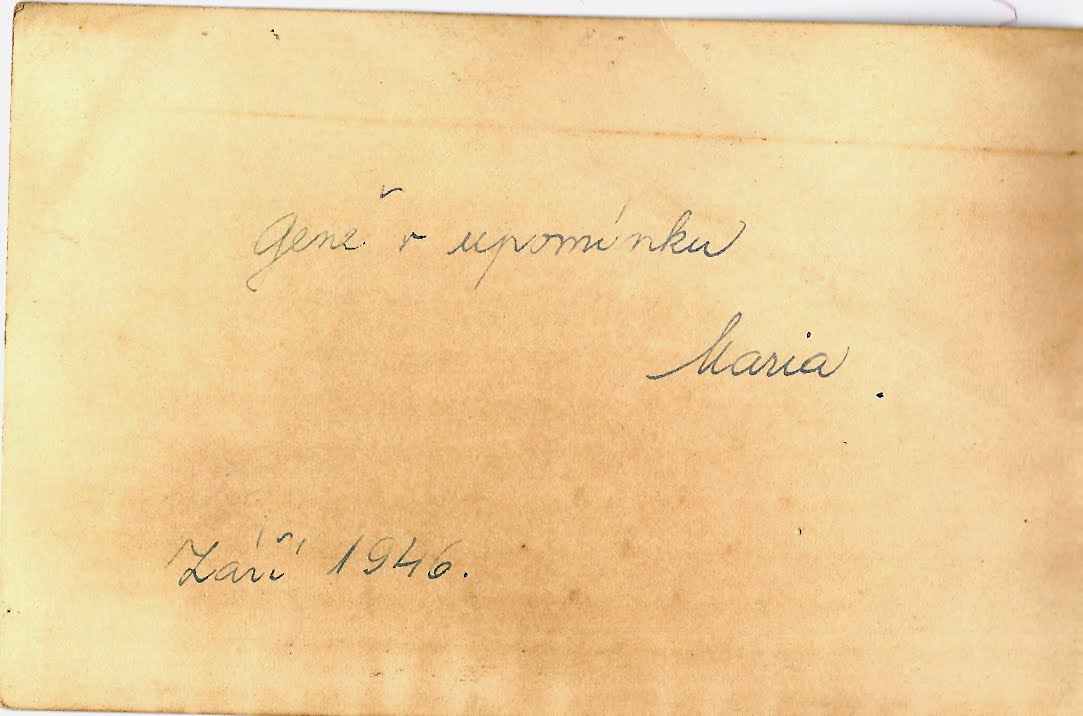
Back:
צד אחורי:


If anyone who happens to land on this post can read Polish, and can let me know what this says, I will be very grateful. At the moment, all I could find out is that 'upominku' (assuming I'm reading this right) apparently has something to do with gifts. Possibly. So really, all I have is the date, and the name Maria.
Is Maria the woman in the picture, or perhaps a friend? I don't know. Is the word before '1946' the name of the month or of a place? I don't know. I would really love to find out.

אם מישהו שמזדמן במקרה לרשומה הזו קורא פולנית, ויכול לומר לי מה כתוב שם, אהיה אסירת תודה. כרגע, כל מה שהצלחתי למצוא הוא שהמלה upominku (בהנחה שאני בכלל קוראת אותה נכון) נראית כאילו היא קשורה איכשהו למתנות. אולי. אז בעצם כל מה שיש לי זה תאריך, והשם מריה.
האם מריה היא האשה בתמונה, או אולי חברה שלה? אני לא יודעת. האם המלה שלפני '1946' היא שם החודש, או שם של מקום? אני לא יודעת. הייתי ממש שמחה לגלות את התשובות.

At the moment, all I have is what I can imagine. I imagine a woman, not very young, but not old either - maybe just a bit old-fashioned. I imagine that she came to Israel from Poland in 1946. This would mean that she has been in Poland during the war, and probably went through some pretty hard times, which would explain why she doesn't look happy. I imagine she doesn't have much, but she's proud and composed, and determined to start anew, because dammit, this is what you do. You pull through and you go on. I imagine that maybe she wasn't an easy person to deal with, but you have to respect her. I respect her, anyway, just going by this one picture.

כרגע, יש לי רק מה שאני יכולה לדמיין. אני מדמיינת אשה, לא צעירה במיוחד אבל גם לא זקנה - ואולי רק טיפה מיושנת. אני מדמיינת שהיא באה לישראל מפולין ב-1946. זאת אומרת שהיא היתה בפולין בזמן המלחמה, ומן הסתם עברה חוויות קשות למדי, מה שמסביר למה היא לא נראית שמחה. אני מדמיינת שאין לה הרבה, אבל היא שלווה וגאה, והיא נחושה בדעתה להתחיל מחדש, כי זה מה שצריך לעשות, לעזאזל. צריך להחזיק מעמד ולהמשיך הלאה. אני מדמיינת שאולי היא היתה בנאדם שדי קשה להסתדר איתו, אבל מישהי שצריך לכבד. אני מכבדת אותה, בכל אופן, רק בגלל התמונה הזו.

I don't know if any of these assumptions are even close to the truth, and I will probably never know. She's probably dead, by now; this, at least, is a fairly logical assumption. I hope she had a good life.

אני לא יודעת אם ההשערות האלה אפילו מתקרבות לאמת, וסביר להניח שאף פעם לא אדע. היא בטח כבר מתה, עכשיו; מכל ההשערות שלי, זו לפחות די הגיונית. אני מקווה שהיו לה חיים טובים.


Update, 15 Feb: A friend of a friend looked at the card and says it's not Polish, and has no idea what language this actually is. So the story I imagined is somewhat less likely, I suppose. But I still like this mystery woman, all the same.
Once again, if anyone can read this, I would appreciate your help in translating the message.

עדכון, 15 בפברואר: חברה של חבר הסתכלה על הכתוב ואמרה שזו לא פולנית, ושאין לה מושג באיזו שפה מדובר בכלל. אז אני מניחה שהסיפור שדמיינתי לי הוא עוד פחות סביר. אבל אני עדיין אוהבת את אשת המסתורין הזו באותה מידה.
ושוב, אם מישהו יכול לקרוא את מה שכתוב שם, אשמח לעזרתך בתרגום המסר.


Update, May 4 2013: A few weeks ago, an anonymous commenter mentioned that the language written on the photo might be Czech (you can scroll down to see the comment, but it's in Hebrew). Fortunately, among my acquaintances from the Translators and Editors Forum is the wonderful Pe'er Friedmann, who translates from Czech to Hebrew, and when I asked him he was happy to help and answered that indeed, "Geně v upomínku, Maria, Září 1946" is Czech for "To Genya, in memory / Maria / Spetember 1946". Lovely! Many thanks to Pe'er, and also to the anonymous commenter.

 עדכון, 4 במאי 2013: לפני כמה שבועות תגובה אלמונית העלתה את האפשרות שהשפה שבכיתוב היא בכלל צ'כית (אתם יכולים לגלול למטה ולראות). לשמחתי, בין מכריי מפורום תרגום ועריכה מצוי גם פאר פרידמן הנהדר, שמתרגם מצ'כית לעברית, וכששאלתי אותו עזר בשמחה וענה שאכן, "Geně v upomínku, Maria, Září 1946" פירושו בצ'כית
"לגניָה, למזכרת / מריה / ספטמבר 1946". איזה יופי! תודה רבה לפאר, וגם למגיב/ה האלמוני/ת.

Thursday, August 18, 2011

Tel Aviv - תל אביב

דברים מעניינים קורים עכשיו בתל אביב. לא רק בתל אביב כמובן, אבל המחאה הנוכחית לצדק חברתי התחילה שם, והמרכז עדיין שם. וזה די מגניב. כך שעל אף ירושלמיותי הגאה, החלטתי להקדיש רשומה אחת לתל אביב... טוב, וגם ממילא יש לי גלויה מתאימה (אולי לא של שדרות רוטשילד, שם יושב המאהל המרכזי, אבל כיכר דיזנגוף זה קרוב, נכון? בערך, לפחות? אוף, אין לי מושג).

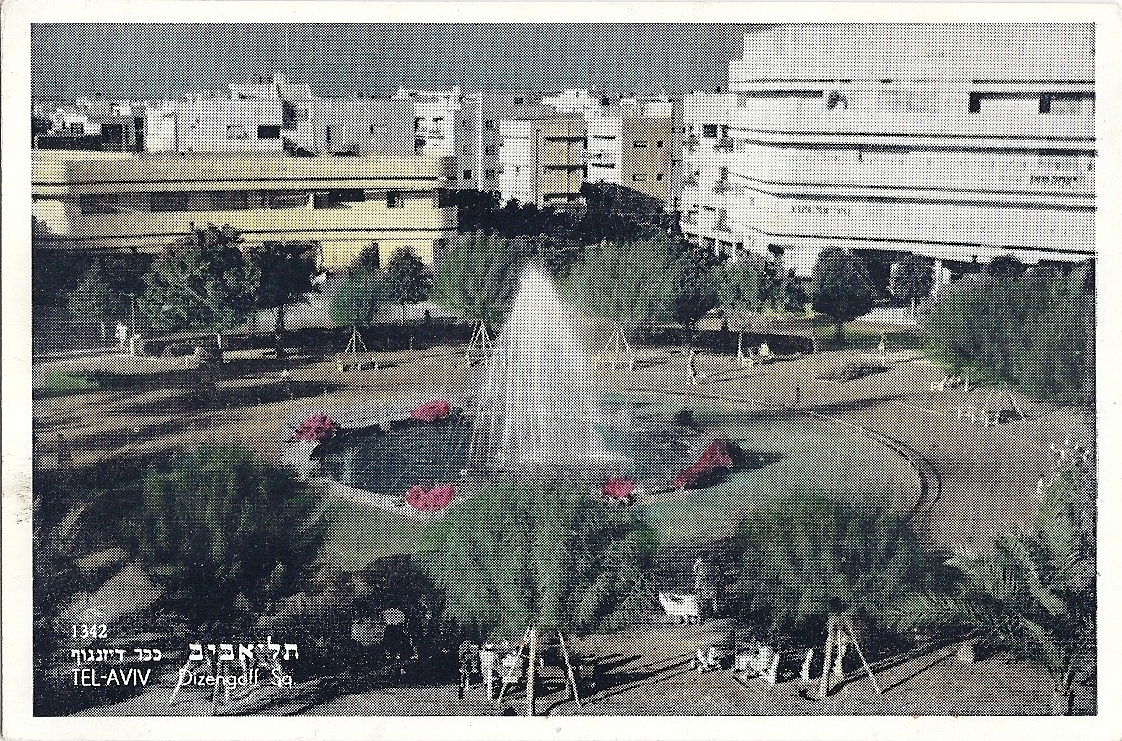
There are interesting things happening in Tel Aviv at the moment. Not just in Tel Aviv, of course, but the recent social-justice protest started there, and is still centred there, and it's pretty cool. So despite being a proud Jerusalemian, I decided to dedicate one post to Tel Aviv... well, that, and I had a fitting postcard anyway (It might not feature Rothschild Boulevard, where the main tent city is located, but Dizengoff Square is nearby, right? At least sorta? Dang, I have no idea).

זו עוד אחת מהגלויות נטולות הטקסט, שבחרתי פשוט מפני שמשהו בהן מצא חן בעיניי. כאן מדובר היה בשני דברים בעיקר - הראשון הוא התמונה עצמה, עם כיכר דיזנגוף הישנה, ועם הצביעה ביד שנוספה על רקע שחור לבן, שנראית חביבה בהחלט.

This is another one of those blank postcards, that I picked up simply because I liked something about them. Here it was mainly two things - first was just the picture, with the old Dizengoff Square, and with the hand-colouring on top of the black-and-white, which is pretty neat-looking.

צד קדמי:
Front:


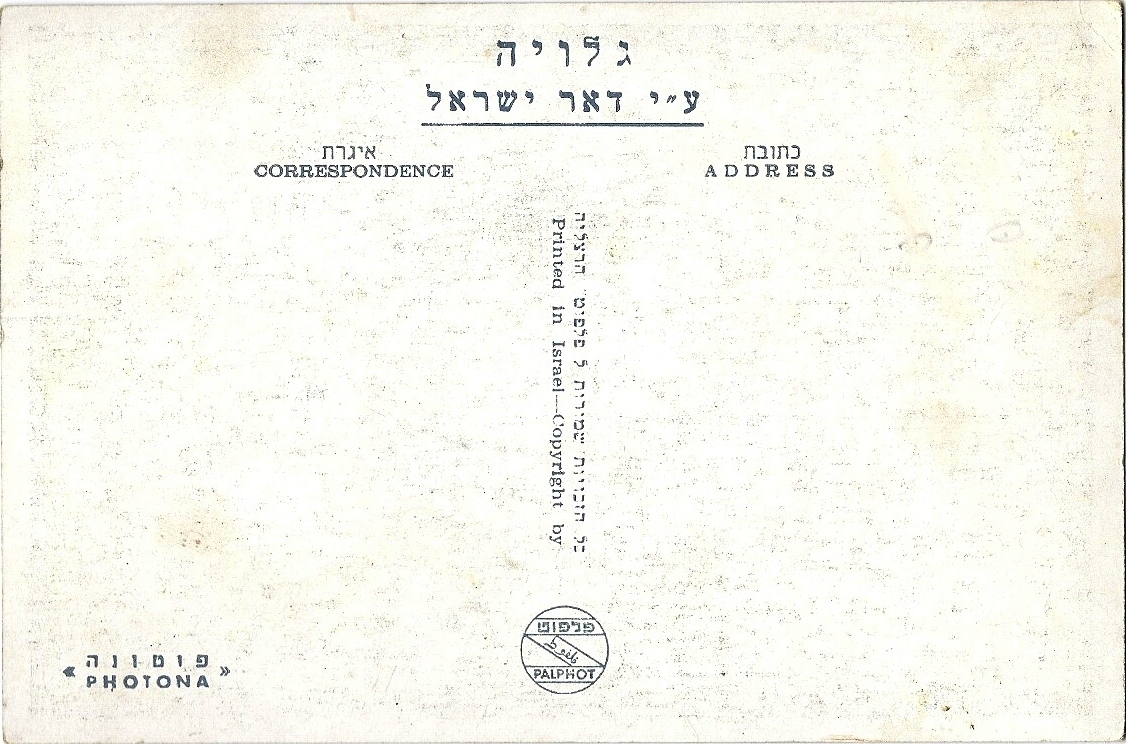
הדבר השני שסקרן אותי קצת בגלויה הוא בצד האחורי. פה ושם שמתי לב לגלויות ישנות - אלה תמיד גלויות ישנות - שבהן לכל אחד משני החצאים של הצד האחורי יש כותרת כדי להבהיר שכאן הכתובת וכאן המסר (או, במקרה של הגלויה הזו, ה'איגרת', מלה קצת ארכאית ומקסימה). זה סקרן אותי מפני שלמרות שהגלויות הן כאמור ישנות, הן בכל זאת נדפסו בתקופה שבה גלויות היו בסך הכל דבר נפוץ, וממש ממש לא חידוש (שאלתי את האינטרנט, ואנשים התחילו לשלוח גלויות כבר במחצית השנייה של המאה ה-19). אז למה צריך את הכותרות? זה לא אמור להיות עניין די ברור מאליו?
[מצד שני, לא כ"כ מזמן ראיתי בסטטיסטיקה שמישהו הגיע לבלוג בעקבות חיפוש של הצירוף 'איך לכתוב גלויה', אז לכו תדעו...]

And the second thing that made me curious about this postcard was on the back. Here and there I've noticed some old postcards - it's always old postcards - where each half of the back side has a title to make it clear that here you write the address and here the message (or, in the case of this postcard, the 'correspondence'; the Hebrew term has even more of a lovely archaic ring to it, being roughly the equivalent of the word 'epistle'). It made me curious because while the postcards are, as I said, old, they were still printed at a time when postcards were a pretty common thing, and really not a novelty at all (I asked the internet, and people have been sending postcards since the second half of the 19th century). So what are the titles for? Shouldn't this be fairly obvious?
[Then again, not long ago I saw on my statistics that someone got to the blog through searching 'how to write a postcard', so go figure...]

צד אחורי:
Back:


אין לי תשובה, למען האמת. זה סתם משהו שסקרן אותי. קונבנציה של אותה תקופה, יש להניח.

I have no answer for this, actually. It's just something I got curious about. A convention of the time, I suppose.

כשניסיתי לראות אם אני יכולה לתארך איכשהו את הגלויה, או לפחות את התמונה, נתקלתי בסופו של דבר בהודעה הזו בפורום אספנים בתפוז (כדאי אגב להציץ גם בהודעות אחרות בשרשור, יש שם תמונות נהדרות של תל אביב הישנה). כמו שאפשר לראות, הגלויה שמוצגת שם היא בעצם בדיוק אותה גלויה כמו שלי, כולל הכתובית בצד שמאל למטה, והמספר הסידורי שמופיע בה; עם זאת, כותב ההודעה מציין שהיצרן הוא 'פלפוט פלשתינה', ואצלי מדובר כבר על 'דאר ישראל', כך שיש כנראה הבדל בשנים.


While trying to see if I can somehow date this postcard, or at least the photo, I eventually ran into a post on a local collectors forum (Hebrew link, but you might still want to check out the posts on this thread for some lovely pictures of old Tel Aviv). As you can see, the postcard shown there is basically the same one as mine, down to the caption on the lower left side, and the serial number on it; however, the guy who wrote the post mentioned that the publisher was 'Palphot Palestine', and in my card it says 'Israel Post', so there seems to be a difference in the time period.

בכל אופן, החלטתי לפנות לאותו כותב, הדי אור, ולהתייעץ איתו. לשמחתי, מדובר לא רק באדם ידען להפליא בכל הנוגע לפריטי אספנות (בעיקר כאלה שקשורים לא"י של פעם), אלא שהוא גם שמח לעזור ולחלוק את הידע הזה. להלן התשובה הראשונה ששלח לי בעניין:

Anyway, I decided to turn to that person, Hadi Orr, and consult him about this. I was happy to find out that he is not only very knowledgeable about collectors' items (especially those related to old-time Israel), but he was also very happy to help and share his knowledge. Here's the first answer he sent me:
חברת פלפוט הוקמה באמצע שנות השלושים - אני חושב 1934 - והיתה בתחרות עם מספר חברות בארץ ישראל שהדפיסו גלויות
פלפוט גם יצרה ספרים לוחות שנה ועוד. מבחינה טכנולוגית למרות שהמתחרים עברו למכונות הדפסה צבע היא המשיכה עד סוף שנות החמישים להדפיס בשחור לבן ובחלק מהמקרים להכניס על הגלויות שחור לבן מה שנקרא לצבוע ביד
לא יודע בדיוק איך טכניקה הזו נעשתה אבל יש הרבה גלויות שכאלו ולטעמי הם יפיפיות
הגלויה הזו צריכה להיות מתחילת שנות החמישים עד אמצע שנות החמישים

Palphot [publication] company was established in the mid-30s - 1934, I think - and was in competition with a number of other companies in Israel that printed postcards.
Palphot also made books, calendars, and other things. Technologically, although their competitors moved to colour printing, they kept printing in black and white until the late 50s, and in some cases added on the black and white postcards what's called hand-colouring.
I don't know how exactly this technique was done, but there are plenty of postcards like that, and I think they're beautiful.
This postcard should be from the early- to mid-50s.
וגם אילו עצר כאן - דיינו. אבל הוא לא עצר כאן, ושלח לי עוד מידע בהמשך:

Even if he had stopped there, that would have been enough. But he hadn't, and sent more more information later on:
הסתכלתי בעיון על הגלויה שלך
ואני חושב שאני יודע איך עשו את הצביעה ביד
לקחו את בסיס הגלויה השחורה
ובאזור מסויים על נייר נפרד - כמו ניר פרגמנט אבל בטח זה היה פילם או צלולוייד - צבעו צבע אחד נניח ירוק את העצים ולקחו בסיס אחר ועליה צבעו צהוב שיכסה את הבית וכו
וכן היתה הדפסה שחור שזה הבסיס ואחרי חלק קטן של הירוק ואחרי זה חלק קטן של הצהוב
כלומר עשו הפרדת צבעים ידנית

I looked at your postcard carefully
and I think I know how they did the hand-colouring.
They took the black base of the postcard
and in a certain area on a separate piece of paper - like wax paper, but it was probably film or celluloid - they coloured in with one colour, say green for the trees, and then they took another base and on that coloured in yellow for the house and so on.
So there was a black print as the base, and then a small part with green and then a small part with yellow
So they did a manual colour separation.
ועוד:

And more:
בעיון מדוקדק נראה כי הצילום נראה שנות הארבעים ועל הבסיס שלו הדפיסו שוב באותם גלופות בשנות החמישים
וזה רק בהתלבטות ביני לבין עצמי
קשה להגיד

After careful perusal it appears that the photograph appears to be from the 40s and and on the base of that they printed again with the same moulds in the 50s.
This is just me debating with myself.
It's hard to say.

תודה מקרב לב למר הדי אור על שחלק את כל המידע הזה! אפשר לראות עוד דוגמאות מתוך האוספים שלו כאן, ואני חייבת לציין שלמרות שלי אישית אין את המוח המסודר שצריך כדי להיות אספן של ממש - אני סתם אוהבת דברים ישנים - אני באמת אסירת תודה על כך שיש אנשים כמוהו, שעוזרים לשמר פריטים היסטוריים מהזן בר-החלוף. כל החפצים היומיומיים הקטנים האלה אולי לא נכנסים לספרי ההיסטוריה, אבל הם כל כך חשובים, בעיניי, מפני שבזכותם אפשר לבנות את תמונת היומיום של התקופה, ולזכור איך נראו החיים האמיתיים של רוב האנשים.

Many thanks to Mr. Hadi Orr for sharing all this information! You can see some examples from his collections here (Hebrew, but lots of pictures), and I must say that while I don't have the kind of orderly mind that it takes to actually be a collector - I just like old stuff - I am very grateful that people like him that help preserve historical ephemera. Those little everyday items might not make it into the history books, but they are so important, I think, because through them you can build the picture of the everyday of an era, and to remember how real life looked like for most people.

והנה עוד משהו מגניב לסיום - סרטון קצר של תל אביב מסביבות שנות ה-40 (בצבע!), קצת מטושטש פה ושם ובכל זאת די מופלא. מכיוון שאני נורא ירושלמית, אני לא יכולה לזהות את כל המקומות שמופיעים שם, אבל אני מקווה שמישהו מבין קוראיי היושבים בלחות של השפלה יוכל לזהות אותם ולהנות.

And here's something cool to finish with - a short video of Tel Aviv from sometime around the 40s (in colour!), a bit blurry now and then but pretty great nonetheless. Being the Jerusalemite that I am, I don't know Tel Aviv very well, so can't recognise all the places seen there, but I'm hoping that some of my readers living over in that humid coastal plain will be able to recognise them, and enjoy it.