ונפתח בשתי הודעות מנהלתיות:
א. לבלוג יש עכשיו גם עמוד פייסבוק. אז מי שמעדיף להתעדכן בפייסבוק - בבקשה. ולא אכחיש שקצת צומי (בדמות לייק, שייר וחבריהם) תעשה לי טוב על הלב. [הערה: חשבתי לעשות איזה וידג'ט כזה עם קישור רשמי-למראה לפייסבוק, אבל לא הצלחתי למצוא איך עושים את זה בלי מה שנראה לי כמו המון ווג'ערא'ס. אם אתם מכירים דרך קלה ופשוטה לארגן את העניין, אשמח לשמוע. עד אז, פשוט הוספתי עוד קישור לרשימת הקישורים.]
ב. כפי שכבר עדכנתי בעמוד הנ"ל, הוספתי לאחרונה כמה פרטי מידע מגניבים למדי לרשומה 'האדונית מסקערניעוויץ', אותם תוכלו למצוא כאן.
ועכשיו, גלויה! האח!
א. לבלוג יש עכשיו גם עמוד פייסבוק. אז מי שמעדיף להתעדכן בפייסבוק - בבקשה. ולא אכחיש שקצת צומי (בדמות לייק, שייר וחבריהם) תעשה לי טוב על הלב. [הערה: חשבתי לעשות איזה וידג'ט כזה עם קישור רשמי-למראה לפייסבוק, אבל לא הצלחתי למצוא איך עושים את זה בלי מה שנראה לי כמו המון ווג'ערא'ס. אם אתם מכירים דרך קלה ופשוטה לארגן את העניין, אשמח לשמוע. עד אז, פשוט הוספתי עוד קישור לרשימת הקישורים.]
ב. כפי שכבר עדכנתי בעמוד הנ"ל, הוספתי לאחרונה כמה פרטי מידע מגניבים למדי לרשומה 'האדונית מסקערניעוויץ', אותם תוכלו למצוא כאן.
ועכשיו, גלויה! האח!
To start, two administrative announcements:
1. The blog now has a Facebook page. So those who prefer to get their updates that way - go ahead. Also, I will not deny that a certain amount of gratuitous attention (in the form of likes, shares, and all that stuff) will be rather nice. [Note: I thought of making one of those official-looking Facebook button side widget things, but couldn't find a way to do it without what looks like a lot of hassle. If you find a quick and simple way, let me know. Until then, it's just another link on my link list.]
2. As has already been updated in the aforementioned page, I recently added a few pretty cool details to the post 'The Lady from Skierniewice', which you can find here.
And now, a postcard! Hurrah!
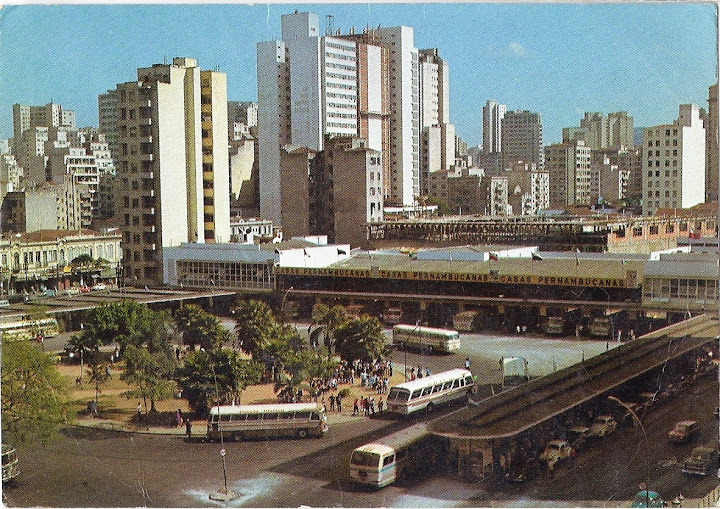
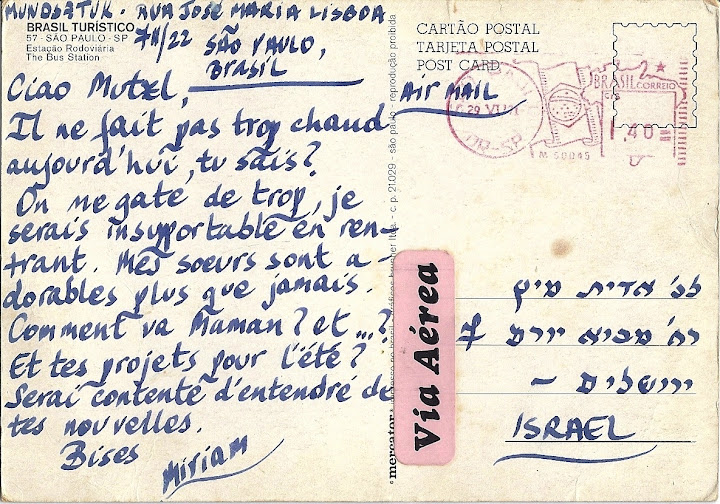
אני לא בטוחה אם שמתי לב לראשונה לגלויה הזו בגלל התמונה או בגלל מה שכתוב בה, אבל התמונה באמת נחמדה. די יוצאת דופן - לא רואים כ"כ הרבה גלויות שמציגות אמצעי תחבורה יומיומיים.
I'm not sure if I first noticed it because of the picture or the writing, but the picture is nice. Sort of unusual - you don't see that many postcards depicting mundane means of transportation.
צד קדמי:
Front:
הכתובית בתחתית התמונה (Rorschach-Heiden Bergbahn: מסילת הרכבת ההררית רורשאך-היידן, וזה גם שם של חברת רכבות ישנה, כפי שאפשר לראות בראשי התיבות RHB על קרון הרכבת עצמו - אפשר לקרוא קצת על החברה באנגלית כאן, או, למי שקורא גרמנית, אפשר לקרוא ערך הרבה יותר מפורט כאן) מביאה אותנו היישר אל הפינה הצפון-מזרחית של שווייץ, על שפת ימת קונסטנץ, היא ה-Bodensee (ר' מפה למטה). נראה כמו מקום חביב למדי, ובכלל, נראה לי שמתאים לחזור להרים הקרירים של שווייץ עכשיו כשבחוץ נהיה כבר קיץ וחם.
The caption at the bottom (Rorschach-Heiden Bergbahn: the Rorschach-Heiden mountain railway, and also the name of an old railway company, as seen in the initials RHB on the actual train car - you can read about it here, or, if you read German, there seems to be a much more detailed entry here) places us right in the northeastern corner of Switzerland, on the shore of Lake Constance, or Bodensee (see map below). Seems like a rather lovely place, and it kinda feels right to return to the cool mountains of Switzerland now that it is getting hot and summery out again.
אבל כמו שקורה לעתים קרובות, החלק החביב עליי הוא מה שכתוב בצד האחורי. חוששתני שהסריקה לא יצאה משהו, אבל כרגיל צירפתי תעתיק ותרגום מתחת.
But as is often the case, my favourite part is on the back. The scan isn't great, I'm afraid, but as usual I got the transcription and translation right below.
צד אחורי:
Back: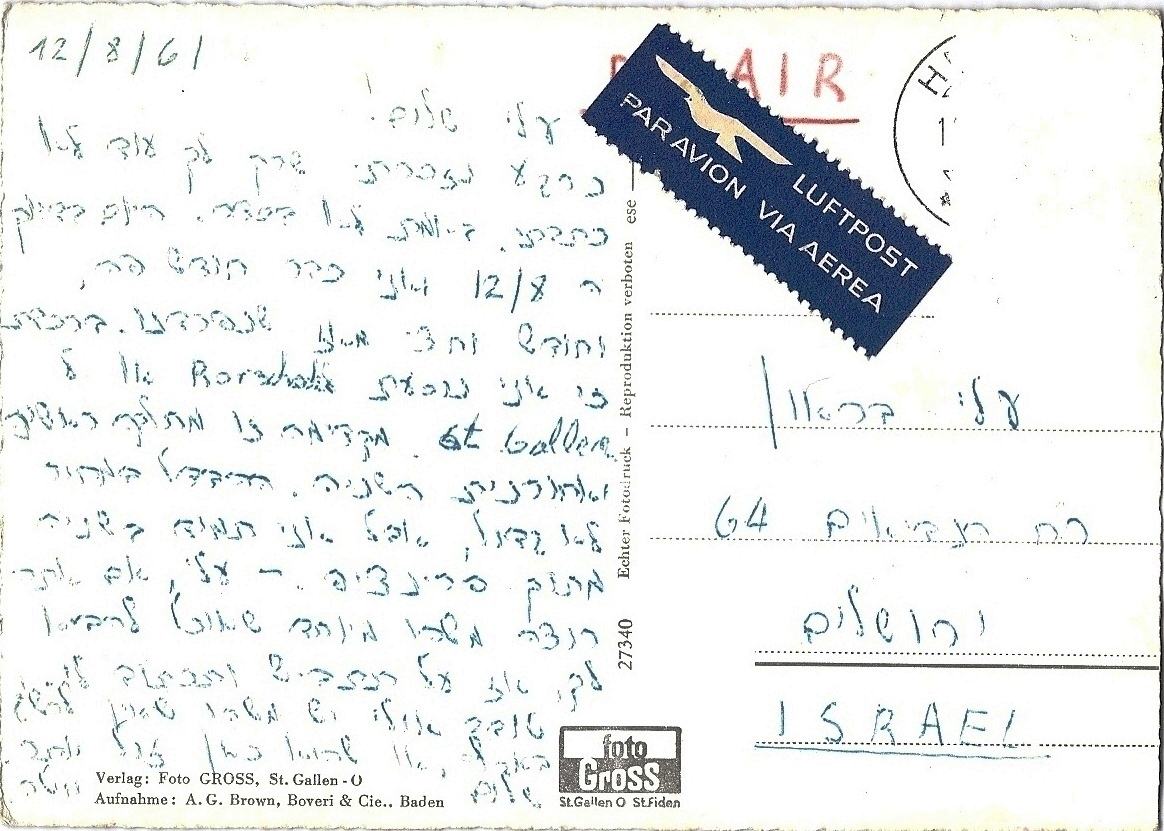
12/8/61
עלי שלום!
כרגע נזכרתי שרק לך עוד לא כתבתי. באמת לא בסדר. היום בדיוק ה 12/8 ואני כבר חודש פה, וחודש וחצי מאז שנפרדנו. ברכבת זו אני נוסעת לRorschach או ל St Gallen. מקדימה זו מחלקה ראשונה ואחורנית השניה. ההבדל במחיר לא גדול, אבל אני תמיד בשניה מתוך פרינציפ. - עלי, אם אתה רוצה משהו מיוחד שאוכל להביא לך, אז על [כך במקור!] תתביש ותכתוב לי, טוב? אולי יש משהו שאין להשיג בארץ, או שהוא כאן זול יותר.
שלום, ויטה[?]
12/8/61
Hello, Eli!
I just remembered now that you are the only one I have not written yet. How dreadful of me. Today is exactly 12/8 [for any American readers: that means August 12, not December 8] and I am already here a month, and it's been a month and a half since we said goodbye. This is the train that I take to Rorschach or to St Gallen. At the front is the first class, at the back the second. The price difference isn't very big, but I am always in the second, out of principle. - Eli, if you want anything special that I can bring you, then dont [sic!] be shy and write me, alright? Perhaps there is something that can't be found back home, or that is cheaper here.
Goodbye, Vita[?]
ניסיתי לחפש את עלי בראון, אבל לא מצאתי שום דבר שנראה כמו זיהוי מוחלט של הבנאדם. יהיה קשה עוד יותר לחפש את הכותבת, כי אני אפילו לא בטוחה שאני מצליחה לקרוא את השם שלה כמו שצריך. בכל אופן, זה לא ממש משנה; העיקר כאן הוא הסיפור, מה שנאמר כאן, ואיך הוא נאמר. ותכל'ס, נכון שזה מגניב? יש כאן איזה טון דיבור שעולה מהכתיבה די בבירור - אפשר ממש לדמיין אותה, לא? יש פה משהו חמור-סבר כזה, שגורם לי לחשוב על אישה קצת מבוגרת, קצת דודתית או מורתית, מאלה שתמיד יודעות מה הן רוצות ולמה, שיש להן סיבות ספציפיות ותכניות מסודרות (קצת מזכיר לי את האמא מ'להתראות לנין', ואם לא ראיתם את הסרט הזה כדאי שתראו כי הוא נהדר). מה היא עושה בשווייץ, לתקופה של לפחות חודש, ואולי יותר? ועוד בתחילת שנות ה-60, כשנסיעות לחו"ל לא היו עניין נפוץ במיוחד פה בארץ? האם היא נסעה לאיזה בית הבראה, או אולי ללימודים (יש אוניברסיטה בסנט גאלן)? בכל אופן, אני משערת שהיא נהנתה שם, ושגם אם היא בסך הכל היתה שם בחופשה נינוחה, היא בכל זאת הלכה לכל מקום בקצב נמרץ, תמיד עם מטרה ברורה לפניה, כי היא פשוט היתה בנאדם כזה.
I tried looking for Eli Brown/Braun/Bar-On, but didn't come up with anything that feels like it might definitely be the guy. Would be even harder to search for the writer, since I'm not even sure I'm reading her name right. Anyway, this doesn't really matter; it all about the story, all about what is being told, and how. And really, isn't it neat? There's a certain tone of voice that comes so clearly through the writing - you can just imagine her, can't you? (At least, I tried to capture in the translation what she sounded like to me.) There's a sort of severity about it that makes me think of a somewhat older woman, a little like a teacher, the kind who always knows what she wants and why, the kind who has specific reasons and orderly plans (it sort of makes me think about the mother from Goodbye Lenin, which you should see if you haven't because it's a lovely film). What is she doing in Switzerland, for at least a month, and possibly longer? And back in the early 60s, when trips abroad weren't very common around here? Is she there for her health, or maybe for study (there's a university in St. Gallen)? Anyway, I'm assuming she enjoyed herself, and that even if she was there on a leisurely vacation, she walked briskly everywhere, always with a clear purpose, just because that's the sort of person she is.
אבל כמובן, זה רק הדמיון שלי - זה רק מה שאני רואה, כשאני מסתכלת על הגלויה. אנשים אחרים אולי יראו דברים אחרים. אם יש לכם סיפורים משלכם, אתם מוזמנים לחלוק.
But of course, that's just my imagination - just what I see, when I look at this card. Other people might see other things. If you have your own stories, go ahead and share them.
עדכון (12 באוקטובר 2012): תגובה אנונימית אחת מצאה לי את עלי בראון מהגלויה - ואני ממש שמחה על זה, כי זה סיפור נפלא. הנה הקישור שקיבלתי שם, ואתם יכולים פשוט ללכת ולקרוא, אבלאם לא בא לכם, התקציר הוא כזה: בבית שבכתובת הזו, ברחוב הנביאים 64, התגוררה רחל המשוררת אחרי שנאלצה לעזוב את קיבוץ דגניה בגלל השחפת שלה. את השיר הלירי העצוב-אך-אופטימי והיפהפה שלה 'עץ אגס' - אחד השירים העבריים האהובים עליי (בקישור אפשר לקרוא גם את התרגום האנגלי החיוור שלו) - היא כתבה שם, על עץ האגס שגדל בחצר מחוץ לחלונה.
אז מה לכל זה ולעלי בראון, מלבד הכתובת המשותפת? ובכן, אחרי שרחל עברה לתל אביב, אבא של עלי, וולפגנג בראון (אני די בטוחה שהוא מופיע בעוד כמה גלויות שהעליתי פעם; אבדוק את העניין אחר כך) התגורר בבית במשך הרבה שנים. למעשה, הוא מת שם ב-2009, בגיל 94. הוא היה מאוד קשור לסיפור של רחל, וכשעץ האגס שהונצח בשיר מת לפני כמה שנים, הוא ובנו עלי נטעו עץ אגס חדש במקומו. מקסים, לא?
אז מה לכל זה ולעלי בראון, מלבד הכתובת המשותפת? ובכן, אחרי שרחל עברה לתל אביב, אבא של עלי, וולפגנג בראון (אני די בטוחה שהוא מופיע בעוד כמה גלויות שהעליתי פעם; אבדוק את העניין אחר כך) התגורר בבית במשך הרבה שנים. למעשה, הוא מת שם ב-2009, בגיל 94. הוא היה מאוד קשור לסיפור של רחל, וכשעץ האגס שהונצח בשיר מת לפני כמה שנים, הוא ובנו עלי נטעו עץ אגס חדש במקומו. מקסים, לא?
Update (Oct 12 2012): Some anonymous in the comments found me the Eli Braun from the postcard - and I'm so glad s/he did, because it's a wonderful story. The link there is to an article in Hebrew (and I suppose most of the story will speak more to the Hebrew-speakers, but it's still wonderful), but the gist of it is that the house at this address, 64 HaNevi'im Street, was for a while the home of one of the most famous Hebrew women poets, Rachel. She moved there from the kibbutz after she was diagnosed with tuberculosis and was no longer allowed to work with children (a work she loved, by all accounts). Yes, she basically fulfilled the stereotype of the frail, lonely poet dying from consumption. But she wrote beautiful poetry. During the time she spent in Jerusalem she also wrote one of my favourite poems, the lyrical, sad-yet-optimistic Pear Tree (alas, so much is lost in this translation - you'll just have to trust me that in the original Hebrew it's just beautiful), about an actual pear tree growing in the courtyard, outside her window.
But while all this introduction was probably necessary for my non-Hebrew readers, at this point you are probably asking yourselves what it all has to do with Eli Braun, except for that address. Well, after Rachel moved to Tel Aviv, Eli's father, Wolfgang Braun (who I'm pretty sure appeared in some previous postcards I had here; I'll look it up later) lived in that house for many years. In fact, he died there in 2009, at the age of 94. He cared a lot about the story of Rachel, and when the pear tree immortalised in the poem died some years ago, he and Eli planted a new pear tree in its place. Isn't that sweet?
Thank you, Anonymous!
והנה המקום עכשיו - או לפחות, פיסת הגינה שאפשר לראות כשמסתכלים מהרחוב:
And here's the place now - or at least, the bit of the garden you can see from the street: