Hello readers! - !שלום, קוראים

What is this? Read the introduction - מה זה הדבר הזה? הסבר בהקדמה

Tuesday, April 3, 2012

A very Russian couple - צמד רוסי מאוד

ברשומה הקודמת, קוראת מועילה אחת השיגה לי תרגום של הטקסט ברוסית בצד האחורי של התמונה, וזה היה מעולה (שוב תודה לך!). אז חשבתי לעצמי ששווה להמשיך בכיוון הזה כל עוד אני בשוונג - אז הנה עוד כמה אנשים רוסים, עם עוד כיתוב ברוסית.

Last time, a helpful reader got a translation of the Russian text on the back of the photo for me, which is awesome (thanks again!). So I figure, let's keep to the same theme while I'm on a roll - here's some more Russian folks, with some more Russian writing.

ואני מקווה שזה לא יישמע מתנשא או משהו, אבל האנשים הרוסים הספציפיים האלה ממש חמודים בעיניי. נו, תסתכלו עליהם:

And I hope this will not sound patronising or something, but I find these specific Russian folks absolutely adorable. Just look at them:

צד קדמי:

Front:


הם כמעט נראית כמו בובות קטנות, כמו המיניאטורות האלה של 'אומות העולם'. היא בפרצוף עגול וחיוך קפוץ ועם הידונית הצמרירית הנפלאה הזו (וכמה נפלאה המלה 'ידונית', אגב!), הוא במעיל וכובע שנראים רק טיפה גדולים מדי - ושניהם בנעליים שנראות כבדות, פרקטיות, סובייטיות כאלה - ואיך שהם עומדים יחד ברצינות, והרקע המטַּשטש ללבן בצורה כמעט-אמנותית-אבל-בעיקר-קצת-תמוהה... הכל כל כך מושלם. הם פשוט נראים כל כך רוסים.

They almost look like little dolls, like one of those 'nations of the world' miniatures. She with her prim round face and that lovely woolly muff, he in an overcoat and hat that seem just a little bit too big for him - and both of them with what looks like heavy, practical, Soviet shoes - and the way they're standing together so seriously, and the almost-artistic-but-mostly-kinda-awkward way the background has been blurred into white... it's all so perfect. They just look so Russian.

עמדתי לומר שהם נראים כמו סבא וסבתא רוסים, אבל זה בסך הכל די הגיוני שהם אכן סבא וסבתא של מישהו. בהנחה (היחסית סבירה) שהיו להם ילדים, לפחות. ככה זה עובד.

I was gonna say that they look like somebody's Russian grandparents, but it's only reasonable that they actually are. If we assume they had kids (which is fairly likely), anyway. That's how these things work.

צד אחורי:
Back:


גם כאן, נדמה לי שזו רוסית אבל קשה לי להבחין; וגם כאן, הדבר היחיד שאני יכולה לקרוא הוא התאריך: 24-12-55 (עם 12 בספרות רומיות, כמו שאתם רואים, אבל זה מתבלגן לי בכתיבה מימין לשמאל) - ערב חג המולד של 1955. טוב, בעצם אין לי מושג אם זה אותו דבר בחג המולד של הכנסיה הרוסית-אורתודוקסית, וצריך להתמודד עם את כל הסיפור הזה של לוח שנה יוליאני או גרגוריאני, ואתם יודעים מה, נראה לי שזה די גדול עליי (ניסיתי לחפש, אבל אני לא בטוחה שבכלל חיפשתי את מה שצריך), ובעצם אם חושבים על זה יש סיכוי סביר שבני הזוג האלה הם יהודים ואין להם שום קשר לחג המולד, אז בואו נשכח מכל הבלגן הזה, כן? בכל זאת, בקושי אפריל עכשיו. אם כן, התמונה הזו - או לפחות הטקסט מאחורה - היא מה-24 בדצמבר, 1955, וזה כל מה שאני יודעת עד כה.

Once again, I think it's Russian, but can't really tell; and once again, the only thing I can read here is the date: 24 XII 55 - Christmas eve of 1955. Well, I actually have no idea if that's the same for Russian Orthodox Christmas, and there's the whole Julian vs. Gregorian calendar to figure out, and you know what, I'm a bit over my head here (I did try looking it up, but I'm not even sure I'm looking for the right thing), and come to think of it this couple may well be Jews who have nothing to do with Christmas, so let's forget about the whole mess, eh? We're barely in April, after all. So, this picture - or at least the text on the back - is from December 24th, 1955, and that's all I know so far.

אני מקווה לקבל עזרה גם לגבי הטקסט הזה, ואני מקווה שהיא תעזור לפתור חלק קטן מהתעלומה. הרשומות הבאות יכללו תמונות אלמוניות באמת, בלי כיתוב או שום דבר כזה. עד אז, פסח שמח לחוגגים את הפסח, ויום הי-תראו-עדכנתי-את-הבלוג שמח לכל השאר.

Hopefully, I will get some help with this text, too, and that will help solving a little bit of the mystery. The next few posts will have some truly anonymous pictures, with no writing or anything. Until then, happy Passover to those celebrating it, and happy oh-hey-new-blog-update day to anyone else.


עדכון: קצת יותר מאוחר ממה שהתכוונתי, אבל הי, זה בכל זאת עדכון. תראו, כתוב ברשימת התגיות.
בכל אופן, קורא נחמד אחד עזר לי עם הרוסית בצד האחורי של התמונה, וסיפק תרגום בתגובות, אשר תרגומו לעברית (אויש, תרגום-של-תרגום... אבל מה לעשות?) הוא כדלהלן:
אוסקר ולידה היקרים,
באהבה מתמרה ואוֹרֶדָה [השם הזה לא מוכר לי - סורדין]
22/12/55 - קורסק
הוא לא ענה על השאלה שלי, אם אכן כתוב שם 22 ולא 24 כמו שנראה לי, אבל זה בסדר. התגובה השלישית שלו גם מוסיפה עוד מידע - קודם כל, הוא נתן קישור למיקום של קורסק:

Update: A bit later than I intended, but hey, it's still an update. Says so right on the tag list.
Anyway, a kind reader helped me out with the Russian on the back of the photo, and you can see his translation if you scroll down to the comments (he did not answer my question regarding whether it actually says 22 and not 24 like it seems to me, but that's okay). His third comment also adds some extra information - first of all, by pointing out where Kursk is:


וחוץ מזה, הוא גם סיפר דברים מעניינים על חג המולד בברית המועצות, שאותם אני לא צריכה לתרגם לעברית אז אתם יכולים פשוט לגלול למטה ולקרוא אותם בעצמכם.
תודה, סורדין!

And also by telling me interesting things about Christmas in the USSR, as follows:
In Soviet Russia (rimshot!) there was a general ban on Christmas, and it was not celebrated. What was more common are New Year celebrations, on December 31st. Funnily enough, there is also the "Old New Year", which is celebrated on the night between January 13th and 14th.
Thanks, SurDin!

Saturday, March 10, 2012

Class photo - תמונת מחזור

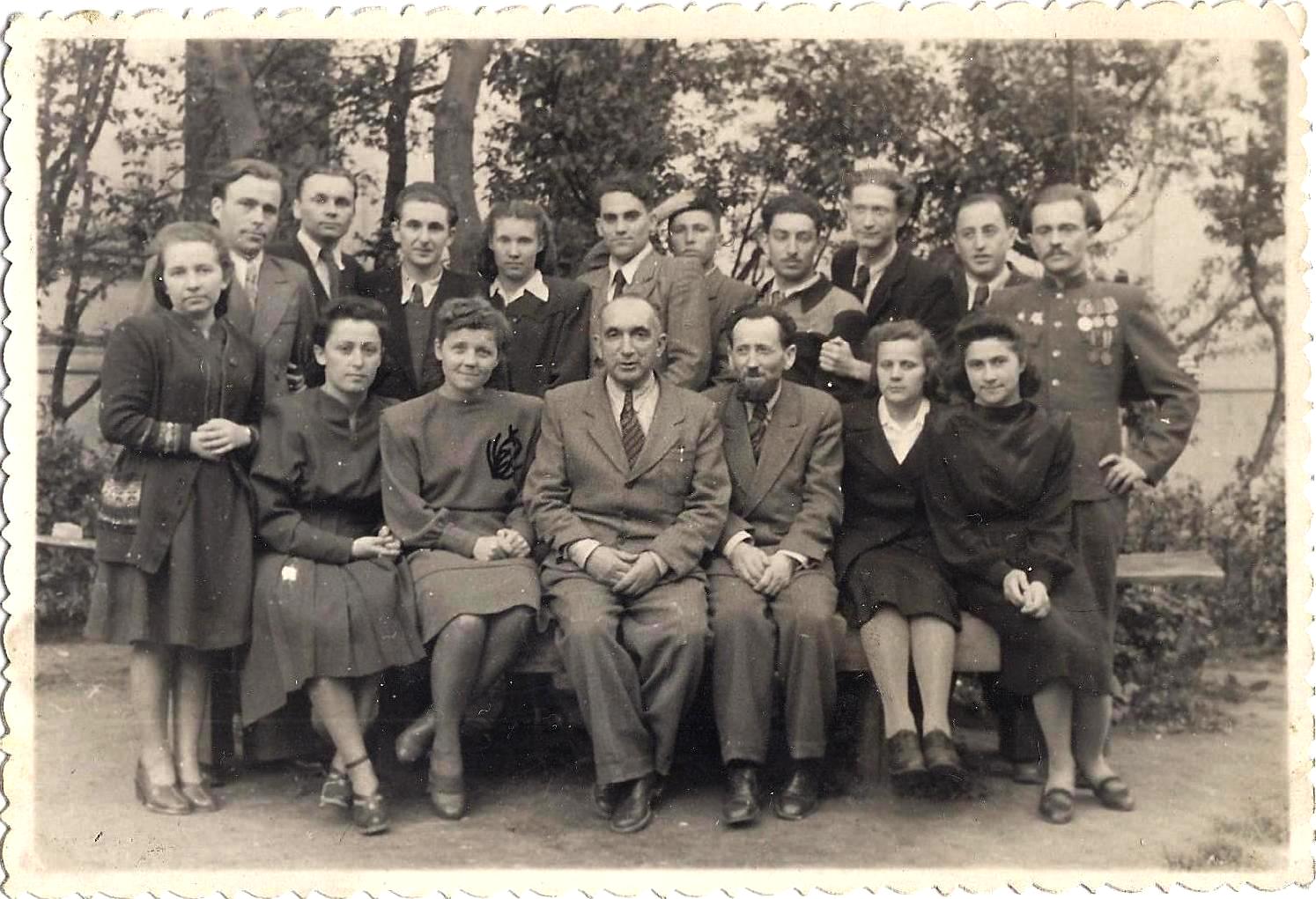
Continuing the series of anonyms - although for the time being I'm focusing on pictures that include some kind of message, so at least there's some information. In this specific picture, the only thing I can read is the year (I think the language is Russian, but I'm not sure even of that)... well, it's better than nothing.

המשך סדרת האלמונים - אם כי בינתיים אני מתמקדת בתמונות עם כיתוב, כך שיש לפחות קצת מידע. בתמונה הזו ספציפית, הדבר היחיד שאני יכולה לקרוא הוא השנה (אני חושבת שהשפה היא רוסית, אבל אפילו בזה אני לא בטוחה)... נו, גם זה משהו.

Anyway, one of the reasons I like this picture is simply because there are a lot of people in it, and like with every group picture, each person is a little world. Since I can't read what's on the back, I don't know what the context was, but my (wild) guess is that this is a class photo from a teachers college or something of the sort. That's just what came to mind when I looked at them.

בכל אופן, את התמונה הזו אני אוהבת בין השאר פשוט מפני שיש בה הרבה אנשים, וכמו בכל תמונה קבוצתית, כל אחד הוא עולם ומלואו. מכיוון שאני לא יכולה לקרוא את הכיתוב בצד האחורי, אני לא יודעת מה ההקשר, אבל הניחוש (הפרוע) שלי הוא שזו תמונת מחזור מסמינר למורים או משהו כזה. זה פשוט מה שקפץ לי לראש כשהסתכלתי עליהם.

Front:
צד קדמי:
(As always, click to enlarge - כרגיל, קליק להגדלה)

I definitely recommend clicking-to-enlarge, because it's pretty cool to have a closer look at all the different people and their different expressions. Look at how smug the military guy on the right is; I don't know if it's because of all these medals or because he has a really good moustache going (that fourth-from-right guy with the two-tone sweater definitely looks jealous of it). Also smug: the guy on the far left, who seems to be thinking 'yup, I'm handsome' - or maybe he's just constipated, hard to tell. And I like how optimistic and sweet the girl sitting to the left of the old guy in the middle (the professor? the principal?) seems, especially since all the other ladies in the picture look really jaded - especially the short broad-faced one sitting to the right of Trotsky's dad there (another professor? assistant principal?), who looks like she's pretty much used to being shoved to the back by other people. Although the girl on the far left has a good case of 'Ugh, I cannot believe we're doing this' and the one girl in the back row has a nice 'I hate you all, burn in hell' face going on, so it's quite a competition there. There also seem to be two cases of 'Wait, we're taking a picture? Why didn't anyone tell me?' in the back row: lanky guy, third from the right, who appears to have just butted in a moment ago, and that young-looking dude in the middle still fixing his hair.
So many things to look at. I could go on, but I think this'll do. You can share your favourite interpretations in the comments, if you want to.

אני באמת ממליצה להגדיל את התמונה, כי ממש מגניב לחקור מקרוב את כל האנשים השונים וההבעות שלהם. תראו כמה הבחור הצבאי בקצה הימני נראה זחוח; אני לא יודעת אם זה בגלל כל המדליות שיש לו, או מפני שהשפם שלו ממש מוצלח (הבחור הרביעי-מימין עם הסוודר בשני צבעים בהחלט נראה כאילו הוא מקנא בשפם הזה). עוד זחיחות: הבחור בקצה השמאלי, שנראה כאילו הוא חושב 'כן כן, אני חתיך' - אם כי אולי הוא סתם סובל מעצירות, קשה לדעת. אני גם אוהבת עד כמה הבחורה שיושבת משמאל לאיש המבוגר באמצע (פרופסור? מנהל?) נראית אופטימית ומתוקה, בייחוד מפני שכל שאר הבנות בתמונה נראות ממש מבואסות - במיוחד הנמוכה עם הפרצוף הרחב שיושבת מימין לאבא של טרוצקי (עוד פרופסור? סגן המנהל?), שנראית כאילו היא די רגילה לזה שאנשים אחרים דוחפים אותה אחורה. עם זאת, הבחורה בקצה השמאלי של השורה כנראה די סובלת מאיזה 'אוף, אני לא מאמינה שאנחנו עושים את זה', ולבחורה היחידה בשורה האחורית יש חתיכת פרצוף 'אני שונאת את כולכם, תמותו', אז זו בהחלט תחרות עזה. ויש גם שני מקרי 'רגע, אנחנו מצטלמים? למה אף אחד לא אמר לי?' בשורה האחורית: הגרום השלישי מימין נראה כאילו הוא בדיוק השתחל לשורה לפני רגע, והבחור הצעיר-למראה באמצע שעדיין מסדר את השיער.
יש כ"כ הרבה דברים שאפשר להסתכל עליהם. אני יכולה להמשיך ולהמשיך, אבל נראה לי שמספיק. אתם יכולים לחלוק את הפרשנויות החביבות עליכם בתגובות, אם מתחשק לכם.

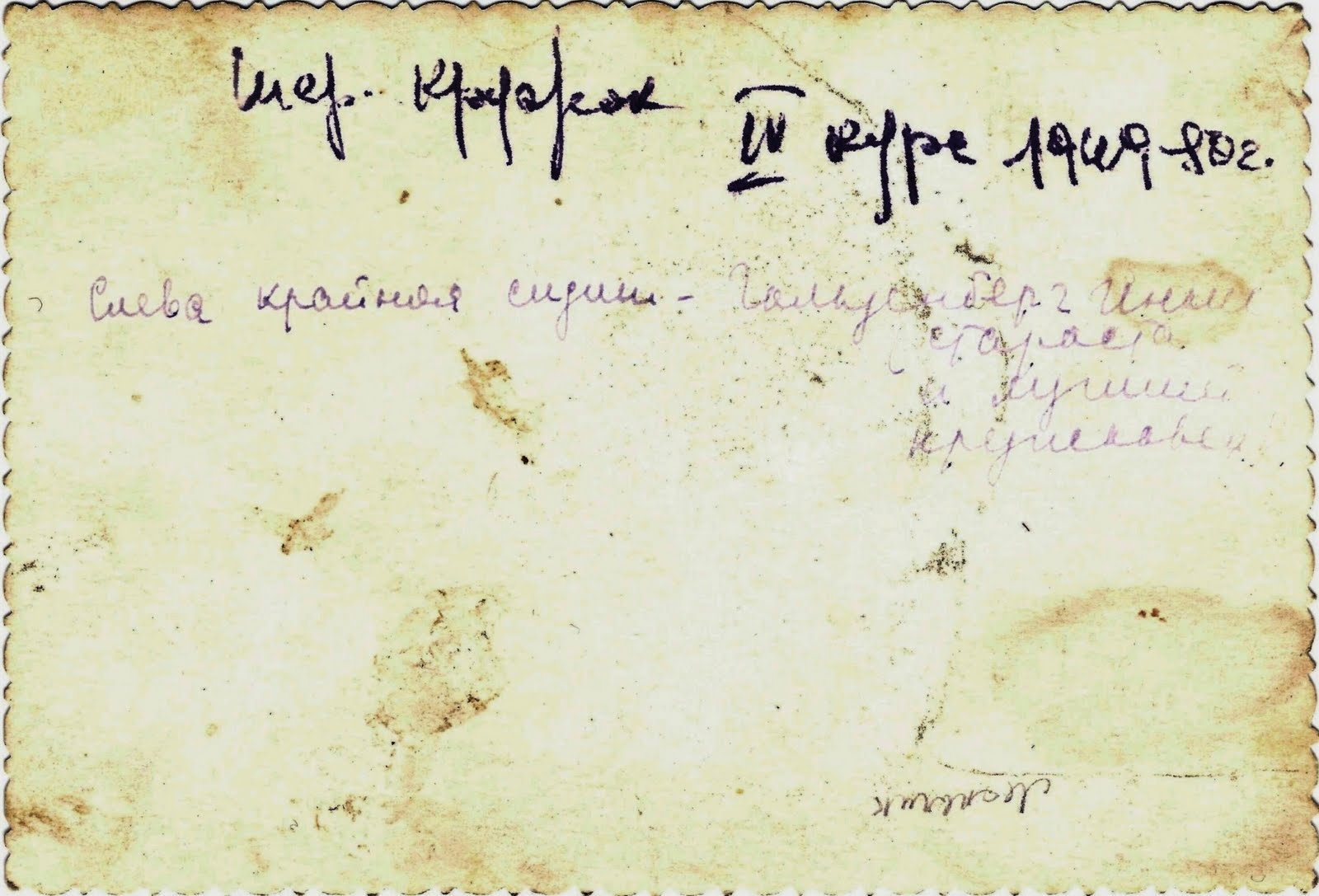
Anyway, let's have a look at the writing on the back, even though like I said before, I can't understand much of it, except for the year, and a Roman numeral which is either a III or a IV (probably IV, but hard to tell from the writing).

בכל אופן, בואו נציץ בכיתוב מאחור, למרות שכמו שאמרתי קודם אני לא מבינה הרבה ממנו, מלבד השנה וספרה רומית שהיא או III או IV (כנראה IV, אבל קשה לי להחליט עם הכתב הזה).

Back:
צד אחורי:

Like I said above, I think it's Russian, but it's pretty hard for me to read any of it, so I might be completely on the wrong track here. Anyone can maybe help me figure it out?

כאמור לעיל, נדמה לי שזו רוסית, אבל די קשה לי לקרוא את הכתב, אז יכול להיות שאני ממש לא בכיוון הנכון. מישהו יכול אולי לעזור לי להבין מה כתוב פה?

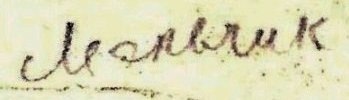
Anyway, it's interesting that there seem to be three separate parts here: the top looks like a sort of title, telling us (well, telling the people who can read it...) what is up with these people in general. You know, like 'Trotsky's Dad's Teachers College, group IV, class of 1949' or something like that. Then below that you have what looks like a more personal message, in a slightly different hand. And at the bottom, upside-down, there's one more word (maybe a name?) - here it is in close up, so you won't have to turn your screens upside down:

בכל אופן, מעניין לראות שיש כאן כנראה שלושה חלקים נפרדים: השורה העליונה נראית כמו מעין כותרת, שמספרת לנו (טוב, מספרת לאנשים שיכולים לקרוא אותה...) מה הסיפור של האנשים האלה באופן כללי. נו, אתם יודעים, נגיד 'הסמינר למורים של אבאשלטרוטסקי, קבוצה IV, מחזור 1949' או משהו כזה. ואז מתחתיה יש משהו שנראה כמו מסר יותר אישי, בכתב קצת אחר. ולמטה, הפוך, יש עוד מלה אחת (אולי שֵׁם?) - הנה היא מקרוב, כדי שלא תצטרכו לסובב את המסך:


And I wonder whether these were really all written by different people, or maybe just at different times (with different pens), and what it's saying. And as usual, I wonder who these people are, and what they were thinking when this picture was taken, and what happened to them afterwards. And as usual, I guess I'll never know.

ואני תוהה אם כל אלה אכן נכתבו בידי אנשים שונים, או אולי רק בזמנים שונים (ועם עט שונה), ומה כתוב שם. וכרגיל, אני תוהה מי היו האנשים האלה, ומה הם חשבו כשהתמונה צולמה, ומה קרה להם אחר כך. וכרגיל, כנראה שאף פעם לא אדע.


Update (March 17): Hooray! One of my little band of readers found someone who translated most of the message from Russian. Hebrew readers can just check the comments, but here's a translation of the translation:
[???] class [note: this indicates something like a sewing or drama class, rather than an academic course], third year [of university], 1949-50.
Sitting on the left - Goldenberg Inna, class administrator and the best [???].
[upside-down at the bottom:] Boy

עדכון (ה-17 במארס): הידד! אחת מקוראיי הספורים מצאה מישהו שתרגם(/ה) מרוסית את רוב הכיתוב. אם תגללו טיפה למטה תראו את התרגום בתגובה הראשונה - לא נראה לי שיש טעם להעתיק אותו לכאן.

So, some mystery cleared, some not so much. That 'boy' thing is really rather odd, since I can't think of a circumstance where anyone would write that on the back of a photo. As for Inna Goldenberg, I tried some searches, but predictably didn't come up with much, and nothing that I did find could be positively linked to the woman in the picture. The closest I got was a mention of the name as a silver medalist (of what?) in 1957 in a Talinn gymnasium. I needed to view the site through Google Translate, so it's been a bit hard to figure out much about it, but they have a pretty neat 'photo album' section, so I tried looking through the 1947-1960 pictures. Doesn't look like it's the place from 'my' picture. Probably a different Inna Goldenberg, I guess.

אז חלק מהמסתורין הוברר, וחלק לא כל כך. החלק עם 'ילד' די מוזר לי, כי אני לא יכולה לחשוב על סיטואציה שבה מישהו יכתוב משהו כזה בצד האחורי של תמונה. בכל הנוגע לאינה גולדנברג, ניסיתי לחפש קצת, אבל כצפוי די העליתי חרס בידי, וגם את מה שכן מצאתי אי אפשר לקשור באופן ברור לאשה בתמונה. התוצאה הכי קרובה היתה אזכור של השם כאחת הזוכות במדליית כסף (על מה?) ב-1957 בגימנזיון בטאלין. נאלצתי לקרוא את האתר דרך גוגל תרגום, אז היה לי די קשה להבין הרבה על המקום, אבל יש להם 'אלבום תמונות' די מגניב, אז ניסיתי לדפדף בתמונות של 1947-1960. לא נראה לי שזה המקום שבתמונה 'שלי'. נראה לי שזו בטח איזו אינה גולדנברג אחרת.

This was fun, though. And I like knowing even a little bit more about the picture. Thanks, Hannah!

אבל זה היה כיף. ונחמד לי לדעת אפילו רק קצת יותר על התמונה. תודה, חנה!

Sunday, February 26, 2012

Friendship remains - הידידות נשמרת

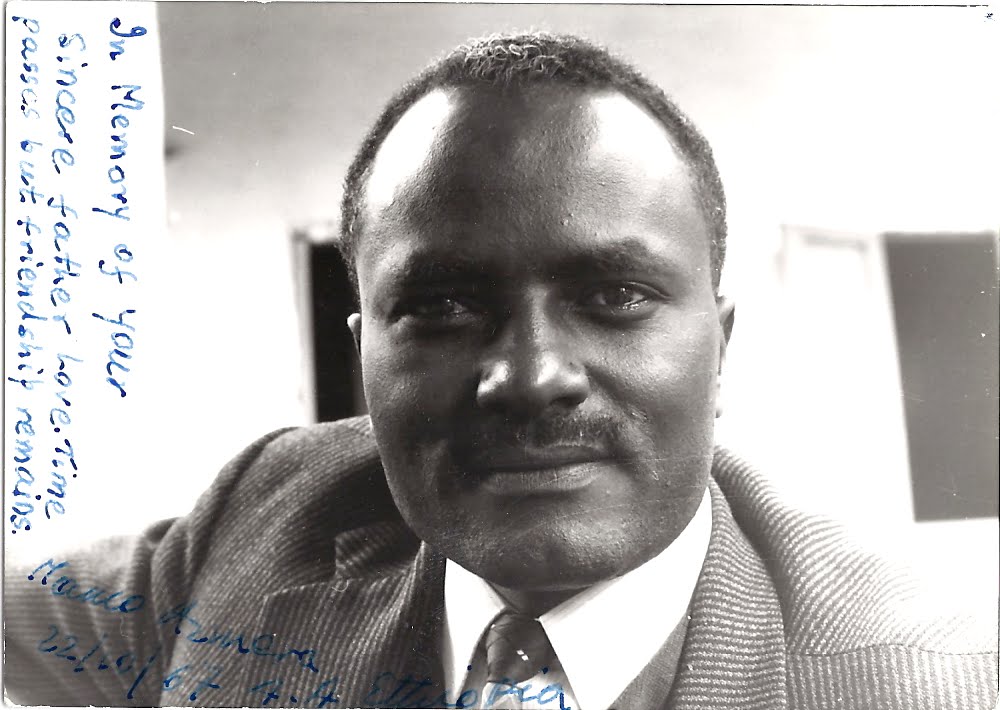
גם התמונה הזו שכבה אצלי כבר די הרבה זמן. מכיוון שאני עושה עכשיו מין סדרה של אלמונים, החלטתי שזמנו הגיע. הוא מוצא חן בעיניי... טוב, מן הסתם אני אומרת דברים כאלה די הרבה, כי בסך הכל, כשאני בוחרת את הגלויות או התמונות מתוך הערמה הגדולה בחנות הספרים המשומשים, בסופו של דבר זה תמיד מפני שמשהו בהן דיבר אליי - הן תמיד מוצאות חן בעיניי. בכל זאת, אני אוהבת כל אחת בצורה קצת אחרת, מסיבות קצת אחרות.

This is another photo that I had lying around for a long time now. Since I'm doing this series of anonymous people now, figured his time has come. I like him... I guess I end up saying this a lot, because after all, when I pick these postcards or photos from the big pile in the used book store, it's always because something in them speaks to me - it's always because I like them. Still, I like each one a little differently, for slightly different reasons.

והאיש הזה פשוט נראה ממש נחמד. הוא נראה רציני וידידותי וישר . אני לא יודעת אם הוא באמת היה משהו מכל אלה, אבל הפרצוף שלו פשוט נראה ממש נחמד, והוא מוצא חן בעיניי. הוא גם השאיר מסר מקסים.

This man, well, he just looks really nice. He looks serious and friendly and candid. I don't know if he really was any of these things, but he just has a really nice face, and I like him. He left a lovely message, too.


In Memory of your Sincere father Love. Time passes but friendship remains.
Mamo Azmera
22/10/67 A.A Ethiopia


לזכר אהבת-האב הכנה שלך. הזמן חולף אך הידידות נשמרת.
מאמו אזמרה
22/10/67 א.א אתיופיה

בהתחלה לא הייתי בטוחה אם כתוב שם 4.4 או A.A; ואז הסתכלתי על זה שוב, ופתאום קלטתי ש-אה, כן, זה בטח קיצור של אדיס אבבה, והרגשתי קצת אהבלה שלא קלטתי את זה קודם. גם לקח לי זמן עד שהצלחתי לקרוא כמו שצריך את השם שלו, כי כל הזמן ראיתי שם 'מאוקו', ולא הצלחתי להבין אם זה שם אמיתי או לא (העובדה שזה כנראה שם משפחה צרפתי, ושיש שתי עיירות בצרפת בשם Haut-Mauco ו-Bas-Mauco, וגם העובדה שיש איזה Mauco אחד שהוא שם של חברה ניגרית לעיצוב אתרים - כל זה לא ממש עזר לי להבין). בסופו של דבר מצאתי רשימה טובה של שמות אתיופיים נפוצים, ועברתי עליה, ונתקלתי בשם 'מאמו', והיה לי קליק בראש. ובכן, מאמו אזמרה. גוגל לא ממש מצא אף אחד, חוץ מאיזה אזמרה מאמו, קרוב משפחה של איש אריתראי מת בקנדה (תאורטית יכול להיות שזה הוא, אני משערת, אבל אני בספק אם כך הדבר), אבל גם לא ממש ציפיתי ליותר מדי.

For a while, I wasn't sure whether it said 4.4 or A.A; then I looked at it again, and suddenly realised that oh, of course, it must stand for Addis Ababa, and felt a bit silly for not realising it earlier. Also took me a while to read the man's name correctly, since I kept seeing it as 'Mauco', and couldn't figure out if that's a real name or not (the fact that apparently it's a French surname, and there are two French towns called Haut-Mauco and Bas-Mauco, as well as one Mauco which is some Nigerian web design company, didn't help). Eventually I found a good list of common Ethiopian names and went through it, and ran into 'Mamo', and it clicked. So, Mamo Azmera. Google didn't come up with anyone, except an Azmera Mamo, some family member of a dead Eritrean man in Canada (theoretically might be him, I suppose, but I doubt it), but I wasn't expecting much.

אבל נו, זו סדרה של אלמונים, בסופו של דבר. רק מפני שבמקרה יש לאיש הזה שם זה לא אומר שאני יכולה למצוא מידע עליו. הוא לא נעשה פחות אלמוני כהוא זה. וכמובן, אין לי מושג מי האיש שקיבל את התמונה הזו, עם ההקדשה המקסימה. אין לי מושג מה הוא עשה בשביל מר אזמרה, שזיכה אותו בהכרת התודה הזו. אין לי מושג אם הידידות אכן נשמרה, כשהזמן חלף.

Well, this is the series of anonyms, after all. Just because this man happens to be supplied with a name doesn't mean I can find out anything about him. It doesn't make him any less anonymous. And of course, I have no idea who is the person that was given this picture, with the lovely dedication. No idea what he did for Mr. Azmera to receive such gratitude. No idea if the friendship did indeed remain, when time passed.

אני מקווה שכן. הוא נראה איש כל כך נחמד.

I hope so. He seems like such a nice man.

Thursday, February 9, 2012

The Mysterious Maria - מריה המסתורית

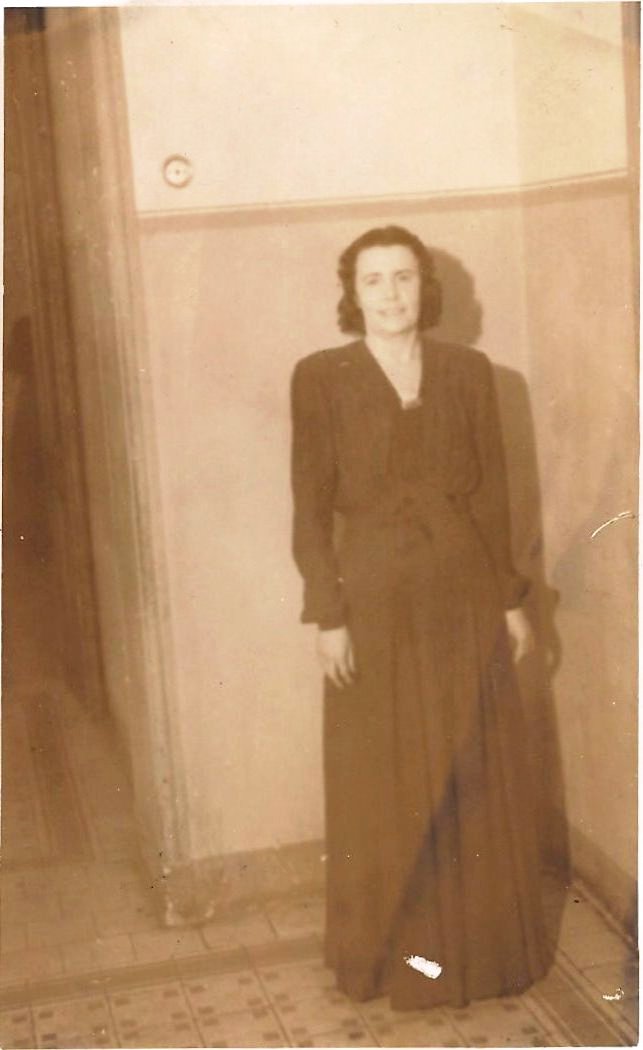
When I just decided to start this blog, this was the first picture I scanned. I bought it quite a long time ago, and I've always really loved it.

כשרק החלטתי להתחיל את הבלוג הזה, זו היתה התמונה הראשונה שסרקתי. קניתי אותה די מזמן, ותמיד אהבתי אותה במיוחד.

There isn't much I can say about it, actually; there isn't much I can know. It's one of many pictures of anonymous people that I bought because something about them just clicked with me - sometimes with a few words on the back but often not even that - and I think that over the next few posts I'll be sharing these anonyms, in a way closer to what I envisioned when I started the blog: minimal explanations, mostly giving the stage to the pictures themselves.
Speaking of which, here's the picture.

אני לא יכולה לספר עליה הרבה, למען האמת; אני לא יכולה לדעת עליה הרבה. זו אחת מכמה תמונות של אנשים אלמונים שקניתי כי פשוט התחברתי אליהן בגלל פרט כזה או אחר - לפעמים עם כמה מלים בצד האחורי אבל לרוב אפילו זה לא - ונראה לי שלאורך הרשומות הקרובות אחלוק את האלמונים האלה, באופן שקרוב יחסית למה שחשבתי לעצמי כשהתחלתי את הבלוג: הסברים מינימליים, שישאירו את רוב הבמה לתמונות עצמן.
ואפרופו, הנה התמונה.

Front:
צד קדמי:


It's not a very good picture - it's blurry and faded, and the flash was a bit too drastic, and whoever took it apparently couldn't keep the camera straight - but in many other ways, it's wonderful. Mainly thanks to that woman. There's something almost regal about her posture. She's not young, and I can't say she's beautiful, but she has such a strong face. She doesn't look very happy, too, although that might just be a picture taken just at the wrong moment. Her dress is simple and severe, but looks well-fitted. And there's one piece of jewelry, which I think is a necklace but might be a sort of brooch or pin. It all combines to someone who feels like she must have had an impressive presence. She absolutely fascinates me.

זו לא תמונה טובה במיוחד - היא מטושטשת ודהויה, והפלאש היה קצת דרסטי מדי, ומי שצילם אותה ככל הנראה לא הצליח להחזיק את המצלמה ישר - אבל בכל מיני צורות אחרות היא פשוט נפלאה. בעיקר בזכות האשה הזו. יש משהו כמעט מלכותי בעמידה שלה. היא לא צעירה, ואני לא יכולה לומר שהיא יפה, אבל הפנים שלה כל כך חזקים. היא גם לא נראית שמחה במיוחד, למרות שאולי זו סתם תוצאה של צילום ברגע הלא-נכון. השמלה שלה פשוטה וחמורת-סבר, אבל נראית באיכות טובה. ויש גם תכשיט אחד, נדמה לי שזו מחרוזת אבל אולי זו איזושהי סיכה. כל הדברים האלה משתלבים לדמות שנדמית כמו מישהי עם אישיות מרשימה. היא ממש מרתקת אותי.

I think the picture was taken here in Israel, mostly because of the floor tiles and the general style of (what you can see of) the walls; it reminds me of the rich old Arabic houses in Jerusalem. That might just be a bias, or course - there might be similar styles elsewhere. I don't know. I also kinda get the feeling that the house is mostly empty, although it's very hard to tell from just one corner and a bit of corridor (by the way, is that another person standing back there, in the shadows, or is it a coat on a coat hanger? I can't tell). Maybe because it seems odd to take a picture just standing in the corner of a room, not sitting on a chair or leaning on a table or something, so it gives me the feeling that maybe there wasn't anything else there.

אני חושבת שהתמונה צולמה כאן בישראל, בעיקר בגלל המרצפות והסגנון הכללי של (מה שאפשר לראות מ-) הקירות; זה מזכיר לי את בתי-העשירים הערביים הישנים בירושלים. אולי זו סתם הטיה שלי, כמובן - יכולים להיות בתים דומים גם במקום אחר. אני לא יודעת. גם איכשהו יש לי הרגשה שהבית די ריק, אם כי מאוד קשה לדעת משהו כזה מתוך פינה אחת וקצת מסדרון (אגב, האם יש דמות של אדם נוסף בצללים שם מאחור, או שזה סתם מעיל על מתלה מעילים? קשה לי להחליט). אולי מפני שנראה לי קצת מוזר להצטלם ככה סתם בפינת החדר, לא בישיבה על כיסא או תוך הישענות על שולחן או משהו, אז מתקבלת הרגשה שאולי פשוט לא היה שם שום דבר.

Which gives me the mental picture of an immigrant. Someone who just moved to Israel, who doesn't have much with her, who maybe doesn't have much at all, but still carries herself with pride. Where did she come from, and when? Well, there's a partial answer for that, on the back. This was taken in 1946, and the message appears to be in Polish, from the little I managed to research.

ומכאן צומחת תמונה מנטלית של מהגרת. מישהי שרק עלתה לישראל, שאין לה הרבה, ואולי אין לה שום דבר בכלל, אבל עדיין יש בה גאווה. מאיפה היא באה, ומתי? יש רק תשובה חלקית לעניין הזה, בצד האחורי. התמונה צולמה ב-1946, והמסר שעליה נכתב כנראה בפולנית, לפי המעט שהצלחתי לחקור.

Back:
צד אחורי:


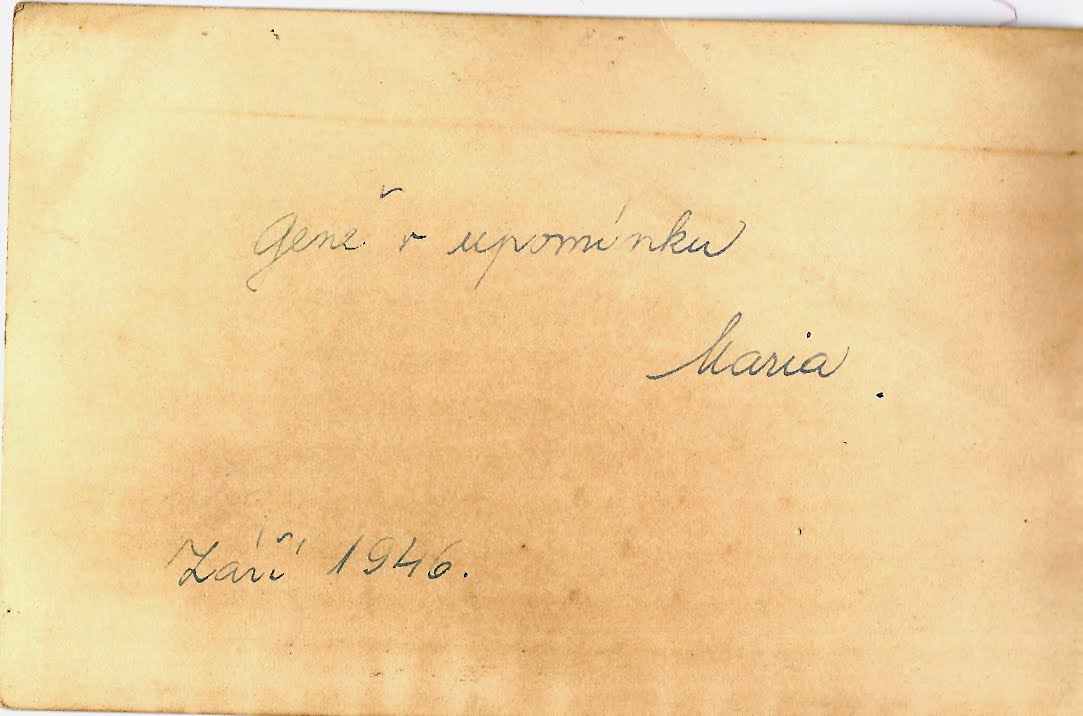
If anyone who happens to land on this post can read Polish, and can let me know what this says, I will be very grateful. At the moment, all I could find out is that 'upominku' (assuming I'm reading this right) apparently has something to do with gifts. Possibly. So really, all I have is the date, and the name Maria.
Is Maria the woman in the picture, or perhaps a friend? I don't know. Is the word before '1946' the name of the month or of a place? I don't know. I would really love to find out.

אם מישהו שמזדמן במקרה לרשומה הזו קורא פולנית, ויכול לומר לי מה כתוב שם, אהיה אסירת תודה. כרגע, כל מה שהצלחתי למצוא הוא שהמלה upominku (בהנחה שאני בכלל קוראת אותה נכון) נראית כאילו היא קשורה איכשהו למתנות. אולי. אז בעצם כל מה שיש לי זה תאריך, והשם מריה.
האם מריה היא האשה בתמונה, או אולי חברה שלה? אני לא יודעת. האם המלה שלפני '1946' היא שם החודש, או שם של מקום? אני לא יודעת. הייתי ממש שמחה לגלות את התשובות.

At the moment, all I have is what I can imagine. I imagine a woman, not very young, but not old either - maybe just a bit old-fashioned. I imagine that she came to Israel from Poland in 1946. This would mean that she has been in Poland during the war, and probably went through some pretty hard times, which would explain why she doesn't look happy. I imagine she doesn't have much, but she's proud and composed, and determined to start anew, because dammit, this is what you do. You pull through and you go on. I imagine that maybe she wasn't an easy person to deal with, but you have to respect her. I respect her, anyway, just going by this one picture.

כרגע, יש לי רק מה שאני יכולה לדמיין. אני מדמיינת אשה, לא צעירה במיוחד אבל גם לא זקנה - ואולי רק טיפה מיושנת. אני מדמיינת שהיא באה לישראל מפולין ב-1946. זאת אומרת שהיא היתה בפולין בזמן המלחמה, ומן הסתם עברה חוויות קשות למדי, מה שמסביר למה היא לא נראית שמחה. אני מדמיינת שאין לה הרבה, אבל היא שלווה וגאה, והיא נחושה בדעתה להתחיל מחדש, כי זה מה שצריך לעשות, לעזאזל. צריך להחזיק מעמד ולהמשיך הלאה. אני מדמיינת שאולי היא היתה בנאדם שדי קשה להסתדר איתו, אבל מישהי שצריך לכבד. אני מכבדת אותה, בכל אופן, רק בגלל התמונה הזו.

I don't know if any of these assumptions are even close to the truth, and I will probably never know. She's probably dead, by now; this, at least, is a fairly logical assumption. I hope she had a good life.

אני לא יודעת אם ההשערות האלה אפילו מתקרבות לאמת, וסביר להניח שאף פעם לא אדע. היא בטח כבר מתה, עכשיו; מכל ההשערות שלי, זו לפחות די הגיונית. אני מקווה שהיו לה חיים טובים.


Update, 15 Feb: A friend of a friend looked at the card and says it's not Polish, and has no idea what language this actually is. So the story I imagined is somewhat less likely, I suppose. But I still like this mystery woman, all the same.
Once again, if anyone can read this, I would appreciate your help in translating the message.

עדכון, 15 בפברואר: חברה של חבר הסתכלה על הכתוב ואמרה שזו לא פולנית, ושאין לה מושג באיזו שפה מדובר בכלל. אז אני מניחה שהסיפור שדמיינתי לי הוא עוד פחות סביר. אבל אני עדיין אוהבת את אשת המסתורין הזו באותה מידה.
ושוב, אם מישהו יכול לקרוא את מה שכתוב שם, אשמח לעזרתך בתרגום המסר.


Update, May 4 2013: A few weeks ago, an anonymous commenter mentioned that the language written on the photo might be Czech (you can scroll down to see the comment, but it's in Hebrew). Fortunately, among my acquaintances from the Translators and Editors Forum is the wonderful Pe'er Friedmann, who translates from Czech to Hebrew, and when I asked him he was happy to help and answered that indeed, "Geně v upomínku, Maria, Září 1946" is Czech for "To Genya, in memory / Maria / Spetember 1946". Lovely! Many thanks to Pe'er, and also to the anonymous commenter.

 עדכון, 4 במאי 2013: לפני כמה שבועות תגובה אלמונית העלתה את האפשרות שהשפה שבכיתוב היא בכלל צ'כית (אתם יכולים לגלול למטה ולראות). לשמחתי, בין מכריי מפורום תרגום ועריכה מצוי גם פאר פרידמן הנהדר, שמתרגם מצ'כית לעברית, וכששאלתי אותו עזר בשמחה וענה שאכן, "Geně v upomínku, Maria, Září 1946" פירושו בצ'כית
"לגניָה, למזכרת / מריה / ספטמבר 1946". איזה יופי! תודה רבה לפאר, וגם למגיב/ה האלמוני/ת.

Thursday, February 2, 2012

Beth Alpha - בית אלפא

בזמן שעבר מאז הרשומה הקודמת הייתי עסוקה בעיקר בענייני הגשת תזה, ולכן היה לי ברור לגמרי שכשאביא את עצמי לחזור לכתוב כאן, הגלויה שאציג תהיה גלויה אחת מסוימת שנחרטה לי בזכרון בזכות המשפט 'היום סוף סוף מסרתי את העבודה'. חשבתי שזה מתאים.

In the time since I wrote the last post I was mostly working on things relating to my thesis, so it was absolutely clear to me that when I bring myself to write here again, the postcard I will be showing will be the one specific card that remained in my memory thanks to the sentence 'Today I finally turned in that paper'. It felt fitting.

ובכן, הריהי לפניכם. התמונה שעל הגלויה היא מקטע קטן מהפסיפס של בית הכנסת בבית אלפא, ומתואר בה ארון קודש שלצידיו מנורות, ציפורים ואריות. כמו בשאר חלקי הפסיפס, הציורים הם פשוט... נו, אין מלה אחרת: הם חמודים נורא. יש בעולם (ובארץ) פסיפסים משוכללים יותר, ריאליסטיים יותר - אבל אני אוהבת את הפסיפס הזה דווקא מפני שהוא מזכיר קצת ציורי ילדים. הוא מקסים בעיניי (ויש לו כמובן חשיבות הסטורית וכו', אבל על זה אתם יכולים לקרוא אצל אנשים שמבינים יותר ממני).

Well, here it is. The picture on the front is a small part of the mosaic floor of the Beth Alpha synagogue, and it shows a Torah Shrine surrounded by menorahs, birds and lions. Like in the other parts of this mosaic, the pictures are just... well, there's no other way to say it: they are simply adorable. Elsewhere in the world (and here in Israel) there are fancier, more realistic mosaic works - but I like this one exactly because it looks a little like children's drawings. I think it's lovely (and of course it has historical significance and so on, but about that you can go read what people who know more than me wrote).

צד קדמי:
Front:

בכל אופן, הסיבה שרציתי את הגלויה הזו היא, כרגיל, בעיקר בגלל הצד האחורי. אפילו לפני שקראתי את הכל, אהבתי מאוד את צורת הכתיבה: כתב קטן וצפוף שמתפתל מסביב-סביב לגלויה, מנצל כל פיסת מקום להכניס עוד כמה מלים. גם אני כותבת כך (ויעידו כל מי שאי פעם ניסו לשאול ממני סיכומי שיעור), ואפילו רק בזכות זה כבר הרגשתי חיבור עם הכותבת. כשקראתי, אהבתי גם את הנימה שלה באופן כללי (איזה סטודנט לא מכיר את ההרגשה שאפשר להספיק הכל אם רק לא היה צריך להשחיל את שעות השינה האלה באמצע?), נימה אופטימית ופעלתנית מאוד. הרגשתי שאני יכולה כמעט לדמיין אותה, מתרוצצת בסמטאות העיר העתיקה, מטפסת במדרגות של כנסיית הגואל הגרמנית הלותרנית, נשארת ליד השולחן עד מאוחר כדי לגמור רק עוד משהו אחד... והיא מצאה חן בעיניי.

Anyway, the reason I wanted this card is, as usual, mainly because of what's on the back. Even before I read the whole thing, I loved the way it was written: in tiny crowded handwriting, crawling all around the card, using every little bit of space to squeeze in a few more words. I write like this, too (as anyone who ever tried to borrow class notes from me could testify), and even just this got me to feel a connection with the writer. When I read it, I also liked her tone in general (what student is not familiar with the feeling that you can do everything if only you didn't need to find room for sleep in the middle of it?), a very optimistic and bustling sort of tone. I felt I could almost imagine her, running around the alleys of the Old City, climbing the stairs of the German Lutheran Church of the Redeemer, staying up late at her desk to finish up just one more thing... and I liked her.

צד אחורי:

Back:


ירושלים, 30.6.68
שלום אמא, ואבא אם גם אתה בגרמניה זה טוב, לפחות בענין קריאת הגלויה.
היום סוף סוף מסרתי את העבודה. אני מקווה שלמרות המהירות שבה היא נעשתה, היא בסדר.
בסוף כבר לא יכולתי להסתכל על הביצורים למיניהם.
היום זה יום התארגנות וממחר רק יונית[?].
איך היה בחתונה, אני ממש מתה מסקרנות לשמוע. למרות המירוץ הגדול הספקתי בשבת להיות בעיר העתיקה על המגדל המרובע של הכנסיה הלותרנית - ממש יופי מפה חיה. כמו כן הייתי אצל איזה סוחר עתיקות עם נגב ורנטה ובדיוק הגיעו כל הפלחים עם הסחורה שלהם, מטבעות, חרסים כדים, חרבות עתיקות. היה ממש מרתק לראות איך המסחר הזה נעשה. ההספק שלי לאחרונה ממש מדהים אותי, אמנם אני ישנה מעט אבל בינתיים זה הולך. נקוה שיחזיק מעמד לפחות עד ה19.
ד"ש מברטה ומרוזלאר[?].
ביום רביעי טלי נוסעת לצרפת - כֵף.
ירשתי סלַיד פרוז'קטור, אם תמצאו שקופיות מענינות - אפשר יהיה לסדר ערב שקופיות בבית.
אני מקוה שתצליחו לקרוא.
שלכם, רות.
ד"ש לאולגה ושות'
Jerusalem, 30.6.68
Hello mum, and dad if you're in Germany as well that's good, at least as far as reading the postcard is concerned.
Today I finally turned in that paper. I hope that in spite of being done so quickly, it's okay.
Around the end I just couldn't look anymore at all sorts of fortifications.
Today is one day for getting organised, and starting tomorrow just Greek[?].
How was the wedding, I'm just dying of curiosity to hear about it. Despite the great race, I managed on Saturday to be in the Old City on that square tower of the Lutheran church - it's just lovely, a living map. In addition, I went to an antique seller with Negev and Renata just when all the local farmers came in with their wares, coins, pottery, jugs, ancient swords, it was just fascinating to see how this trade is being done. My capacity lately is simply astonishing me. It's true I don't sleep much, but in the meanwhile it's going fine. Let's hope it'll last at least until the 19th.
Berta and Roselaar[?] say hello.
On Wednesday Talli is going to France - fun.
I inherited a slide projector, if you find any interesting slides we could arrange a slide-show night at home.
I hope you can read this.
Yours, Ruth.
Say hello to Olga and co.

אבל עכשיו מגיע הקטע המגניב באמת. כשהתחלתי לכתוב את הרשומה, החלטתי לנסות לחפש את הכותבת. לרוב החיפושים האלה לא מעלים הרבה מידע (המקרה הזה היה די יוצא מן הכלל); לכל היותר, אני מוצאת איפשהו אזכור של מישהו עם שם דומה, אבל אין לי שום דרך לדעת אם זה אכן מי שבגלויה או לא. אז התחלתי את החיפושים בלי הרבה ציפיות. משום מה חיפשתי בהתחלה את השם באנגלית, Ruth Jacoby, ומצאתי כל מיני נשים מעניינות בשם זה (אחת דיפלומטית בכירה ב-OECD, למשל, ועוד אחת שעוסקת בחינוך), אבל הן לא נראו מתאימות. ואז חיפשתי בעברית, 'רות יעקבי', ומצאתי כמה ספרים שמישהי בשם זה כתבה בנושאים שקשורים לארכיאולוגיה ויודאיקה, וזה כבר התחיל לצלצל לי יותר טוב.

But now comes the really cool part. When I started writing this post, I decided to try and find the writer. Usually, these searches don't turn up a lot of information (this is a notable exception); at the most, I might find somewhere a mention of somebody with a similar name, but have no way of knowing if it's the person from the postcard or not. So I started searching with fairly low expectations. For some reason I started by looking for the name in English, and found a number of interesting women named Ruth Jacoby (one of them is some high-level diplomat at the OECD, for instance, and another works in education), but they didn't seem right. Then I looked for the name in Hebrew, and found a few books that someone of the same name wrote that were about subjects related to archaeology and Judaica, and that started sounding better already.

אחד הספרים האלה (בעצם, חוברת עזר לשיעור על הארכיאולוגיה של ירושלים) יצא באוניברסיטה העברית, וחשבתי לעצמי שהיי, אולי נבדוק ב'חיפוש אנשים' באתר האוניברסיטה ונראה אם היא מופיעה שם, ואם כן - אם יש לה כתובת דוא"ל. ולשמחתי, אכן מצאתי את הכתובת!
במקביל חיפשתי אותה גם בקטלוג הספריה, ושם הופיעה שנת הלידה 1942 - כלומר, היא היתה בת 26 כשהגלויה נכתבה - וגם זה התאים, אז כבר ממש הסתקרנתי. לא ידעתי אם היא עדיין מלמדת, וכמה סביר שהיא תענה לדוא"ל, אבל בסופו של דבר החלטתי לאזור אומץ ולנסות לכתוב.

One of these books (more of a textbook really, for a class about the archaeology of Jerusalem) was published by the Hebrew University, and I figured hey, let's try and check the Hebrew U staff directory, see if she's listed, and if so, whether she has an email address. And to my great joy, I did find an address!
At the same time, I also looked her up in the library catalogue, where her birth year was given as 1942 - meaning she was 26 when this card was written - and that fit as well, so I really got curious. I didn't know if she's still teaching, and how likely she would be to answer an email, but eventually I decided to muster the courage to try and drop her a note.

היא ענתה די בזריזות, ואישרה שאכן זו גלויה ששלחה להוריה, והוסיפה: 'נדמה לי שהתמונה היא מאוסף הגלויות הישן של המכון לארכיאולוגיה שחפר בזמנו בבית אלפא'. נחמד לדעת - לא חשבתי בכלל שזה פרט בסיפור, בעצם לא חשבתי הרבה על התמונה באופן כללי, ואני אוהבת שבחירת הגלויה גם היא קשורה, ולו בעקיפין, ללימודים שמוזכרים בחטף בטקסט. מכיוון שלא רציתי לפגוע בפרטיות שלה ביקשתי גם אישור מצידה לפרסם את הרשומה, ואחרי שתיארתי בקווים כלליים את מה שאני מתכוונת לכתוב היא הסכימה ברצון. בכל זאת, לא רציתי לתחקר אותה על פרטים נוספים (כמו השמות האחרים שמופיעים בגלויה), כי יש גבול כמה אפשר לנג'ס לבנאדם על גלויה שנכתבה לפני יותר מארבעים שנה. אני פשוט שמחה שהיא החזירה לי תשובה וחלקה איתי את פיסת ההיסטוריה הזו.

She replied pretty fast, confirming that this was, indeed, a postcard she sent to her parents, and added: 'I think the picture is from the old postcard collection of the Institute of Archaeology, that did some digging in Beth Alpha at the time'. And that's nice to know - I didn't think it's a part of the story, I actually didn't think all that much about the picture at all, and I like that the choice of postcard is also related, even if it's in a round-about sort of way, to the studies that are briefly mentioned in the text. Since I didn't want to be invading her privacy I asked for her approval to post this, and after I described the general outline of what I wanted to say she graciously agreed. Still, I didn't want to ask her about any further details (such as the other names mentioned in the card), because there's a limit to how much you can bug someone about a postcard written over forty years ago. I'm just very happy that she wrote me back and shared this bit of history with me.

וזהו. סיפור קטן על סטודנטית עסוקה אחת, שכותבת להורים שלה באמצע תקופת בחינות והגשות ומנסה לדחוס כמה שיותר חוויות לתוך גלויה אחת קטנה, לפני ארבעים-ומשהו שנה. ועל סטודנטית אחרת שמצאה את הגלויה, ועל ההזדהות שאפשר להרגיש גם מעבר למרחק השנים. ועל צירופי מקרים קטנים כמו זה שבזכותו הצלחתי למצוא את ד"ר יעקבי וליצור איתה קשר.
זה בדיוק מה שאני אוהבת בגלויות האלה. זו בדיוק הסיבה שאני כותבת כאן בבלוג.

And that's it. A little story about one busy student, who writes her parents in the middle of an exam period and paper deadlines, trying to squeeze as much as she can into one little postcard, forty-something years ago. And about another student who found the postcard, and about the way you can identify with someone even from the distance of years. And about little coincidences like the one that helped me find Dr. Jacoby and contact her.
That's just what I like about these postcards. That's just why I'm writing in this blog.

Tuesday, September 13, 2011

Fantastic! - !פנטסטי

Another short one. I actually bought a load of new old stuff in recent weeks (that darn Book Gallery put boxes of cards and photos outside, for 2 NIS each, and with a nice chair and parasol so I could just sit there and look at them and come up with more and more that I really must have), and at some point I'll probably do a longer post full of pictures of people I know nothing about. But right now, a short post is all I can muster.

שוב בקצרה. למען האמת, קניתי המון דברים ישנים חדשים בשבועות האחרונים (הגלריה לספרות הארורה הזו שמה כמה ארגזים בחוץ עם גלויות ותמונות ב-2 ש"ח החתיכה, ויש גם כסא נחמד, ושמשיה, אז אפשר לשבת שם ולהביט בהן ולמצוא עוד ועוד שאני פשוט חייבת לקנות), ומתישהו כנראה שאכתוב רשומה ארוכה יותר מלאה בתמונות של אנשים שאני לא מכירה בכלל. אבל כרגע יש לי כוח רק לרשומה קצרה.

And this card really is quite wonderful, and fully deserves its own post. And as with the best postcards, it is a twofold wonderfulness - there is an absolutely stunning photo on the front, and a neat message on the back. With the photo, there is only so much I can put in words, so have a look below and you can see for yourself why I love it so much.

והגלויה הזו היא באמת נפלאה, ולגמרי מגיעה לה רשומה מיוחדת. כמו בכל הגלויות הטובות באמת, זו נפלאוּת כפולה - בצד הקדמי יש תמונה מדהימה לחלוטין, ובצד האחורי מסר חביב. לגבי התמונה, קשה לי להביע את הכל במלים, אז פשוט תסתכלו למטה ותראו בעצמכם למה אני אוהבת אותה כ"כ.

Front:
צד קדמי:


Anyone who happened to spend some time in Istanbul (not Constantinople [I just had to update when I saw that I missed such a good reference]) - like my parents, for instance - will recognise right away the famous 'Blue Mosque', or Sultan Ahmed Mosque. A lovely building, but a lovelier picture, here.
That kind of dramatic contrast is why I tend to love black-and-white photos (and often wax lyrical about them), but in this card, I feel the colour makes it even more striking - everything works so well together, especially those blues and yellows, but also the light and the dark, the sharp, piercing minarets with the scraggly trees and round domes and the small white full moon above. Even without a message on the back, I probably would have considered buying this card just because this photo is so beautiful.
But there's a message on the back, as well, and that really sealed the deal.

מי שיצא לו להיות באיסטנבול (לא קונסטנטינופול [הייתי חייבת לעדכן כשהבנתי שפספסתי רפרנס מוצלח שכזה]) - כמו ההורים שלי, למשל - יזהה מייד את  'המסגד הכחול', הוא מסגד הסולטאן אהמט, המפורסם. בניין יפה, אבל התמונה שכאן יפה עוד יותר.
הניגודיות הדרמטית הזו היא הסיבה שאני בד"כ מאוד אוהבת תמונות בשחור-לבן (ולעתים קרובות מתפייטת על אודותן), אבל בגלויה הזו, אני חושבת שהצבע הופך אותה יותר מרשימה אפילו - הכל עובד כל כך יפה יחד, במיוחד הגוונים הכחולים והצהובים האלה, אבל גם האור והחושך, צריחי המסגד החדים והנישאים מול העצים הפרועים והכיפות העגלוליות והירח המלא הקטן והלבן שמעל. אפילו בלי המסר בצד האחורי, נראה לי שהייתי שוקלת לקנות את הגלויה הזו רק מפני שהתמונה פשוט יפהפיה.
אבל יש גם מסר בצד האחורי, וזה הפיל את הפור.

Back:
צד אחורי:


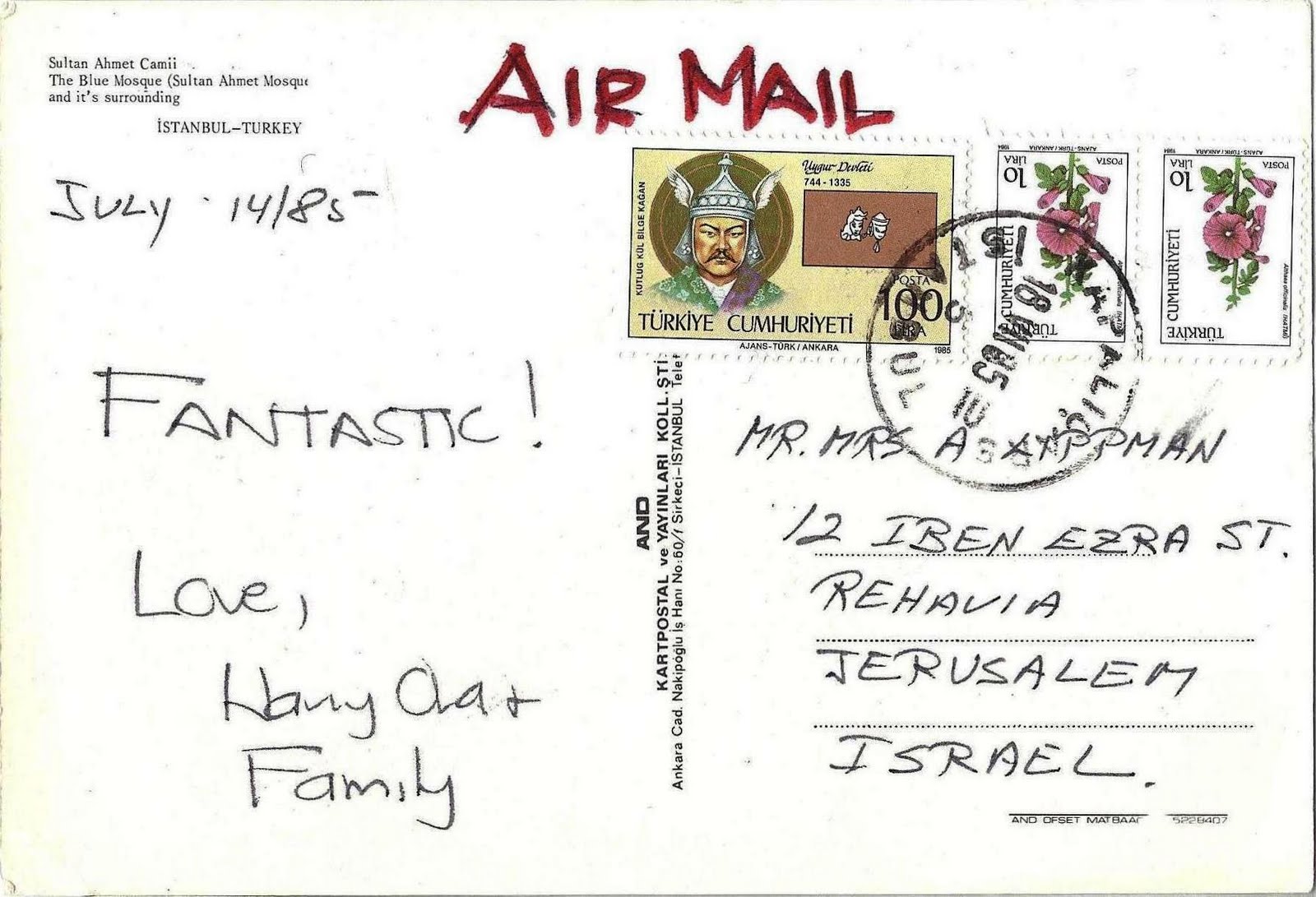
Not really a point in supplying a transcript for a one-word message, is there?
'Fantastic!' - no, wait, 'Fantastic!' in capital letters - with the enthusiasm just spilling out of the every word, from the date to the address. It's a contagious sort of enthusiasm; I really can't look at it without smiling. They were obviously having a really good time.
Also, pretty cool stamps, especially that mustachioed warrior guy. I tried looking him up, but since it's all written in Turkish, on the stamp, I'm not sure I found the right person. Anyway, he seems like someone you wouldn't want to mess with.

אין ממש סיבה לכתוב תעתיק-ותרגום של מסר בן מלה אחת, נכון?
'פנטסטי!' - ובאנגלית הכל גם באותיות רישיות - עם התלהבות שפשוט נשפכת מכל מלה, מהתאריך עד הכתובת. זו התלהבות מדַּבקת שכזו; אני פשוט לא יכולה להסתכל על זה בלי לחייך. ברור לחלוטין שהם ממש נהנו שם.
וגם הבולים די מגניבים, במיוחד הלוחם המשופם הזה. ניסיתי לחפש אותו, אבל מכיוון שכל הבול כתוב בתורכית אני לא בטוחה שמצאתי את האדם הנכון. בכל אופן, הוא נראה כמו מישהו שלא כדאי להתעסק איתו.

Speaking of the address, I looked it up in the phone book, and there's actually an Aaron Lippman still listed at 12 Ibn Ezra St., which is cool. Also, it's quite a lovely house (pretty soon we'll have Google Street View over here as well, and it'll be easier to do this).

אגב הכתובת, חיפשתי באתר של בזק ורשום אצלם איזה אהרון ליפמן שעדיין גר ברח' אבן עזרא 12, שזה מגניב. זה גם בית די יפה (עוד מעט יהיה לנו Google Street View גם בארץ ויהיה קל יותר לעשות את הקישורים האלה).

But really, the stamps and address and such are minor details. It's that one-word message, accompanied by the picture, that makes this card as great as it is for me. It's, well... fantastic.

Fantastic!

אבל תכל'ס, הבולים והכתובת וכו' הם פרטים שוליים לגמרי. זו ההודעה החד-מילתית הזו, והתמונה שמתלווה אליה, שגורמים לגלויה הזו להיות נפלאה כ"כ בעיניי. היא, נו... פנטסטית.

פנטסטי!

Thursday, August 18, 2011

Tel Aviv - תל אביב

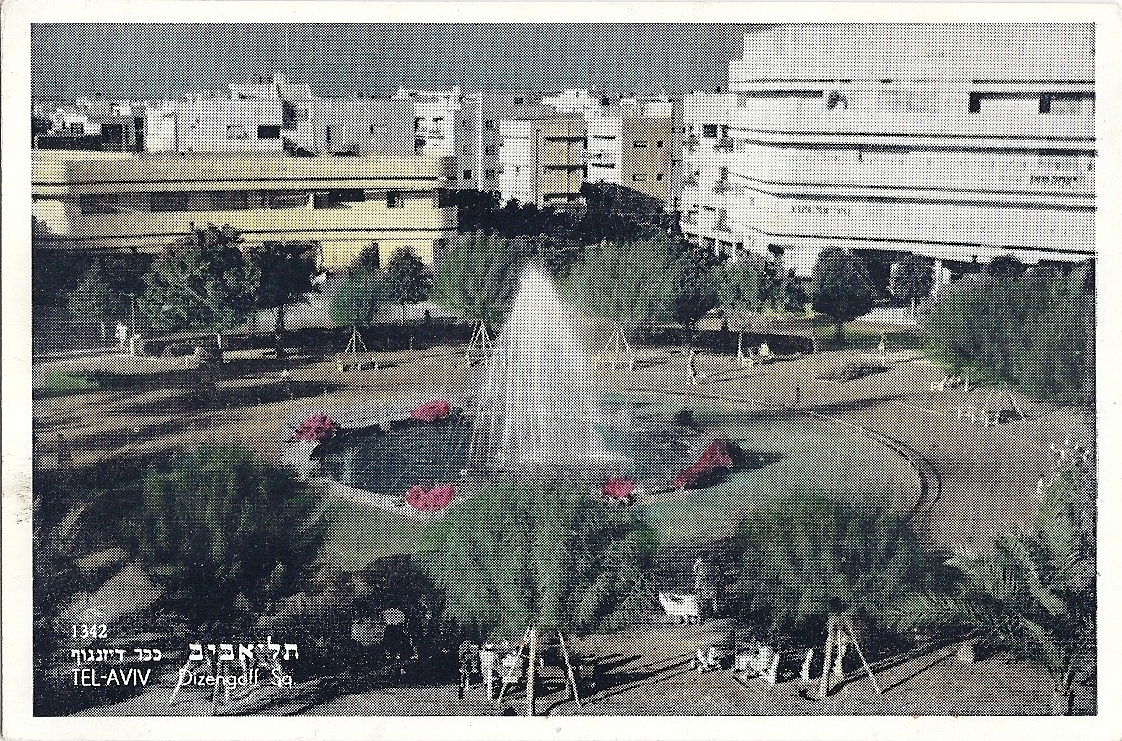
דברים מעניינים קורים עכשיו בתל אביב. לא רק בתל אביב כמובן, אבל המחאה הנוכחית לצדק חברתי התחילה שם, והמרכז עדיין שם. וזה די מגניב. כך שעל אף ירושלמיותי הגאה, החלטתי להקדיש רשומה אחת לתל אביב... טוב, וגם ממילא יש לי גלויה מתאימה (אולי לא של שדרות רוטשילד, שם יושב המאהל המרכזי, אבל כיכר דיזנגוף זה קרוב, נכון? בערך, לפחות? אוף, אין לי מושג).

There are interesting things happening in Tel Aviv at the moment. Not just in Tel Aviv, of course, but the recent social-justice protest started there, and is still centred there, and it's pretty cool. So despite being a proud Jerusalemian, I decided to dedicate one post to Tel Aviv... well, that, and I had a fitting postcard anyway (It might not feature Rothschild Boulevard, where the main tent city is located, but Dizengoff Square is nearby, right? At least sorta? Dang, I have no idea).

זו עוד אחת מהגלויות נטולות הטקסט, שבחרתי פשוט מפני שמשהו בהן מצא חן בעיניי. כאן מדובר היה בשני דברים בעיקר - הראשון הוא התמונה עצמה, עם כיכר דיזנגוף הישנה, ועם הצביעה ביד שנוספה על רקע שחור לבן, שנראית חביבה בהחלט.

This is another one of those blank postcards, that I picked up simply because I liked something about them. Here it was mainly two things - first was just the picture, with the old Dizengoff Square, and with the hand-colouring on top of the black-and-white, which is pretty neat-looking.

צד קדמי:
Front:


הדבר השני שסקרן אותי קצת בגלויה הוא בצד האחורי. פה ושם שמתי לב לגלויות ישנות - אלה תמיד גלויות ישנות - שבהן לכל אחד משני החצאים של הצד האחורי יש כותרת כדי להבהיר שכאן הכתובת וכאן המסר (או, במקרה של הגלויה הזו, ה'איגרת', מלה קצת ארכאית ומקסימה). זה סקרן אותי מפני שלמרות שהגלויות הן כאמור ישנות, הן בכל זאת נדפסו בתקופה שבה גלויות היו בסך הכל דבר נפוץ, וממש ממש לא חידוש (שאלתי את האינטרנט, ואנשים התחילו לשלוח גלויות כבר במחצית השנייה של המאה ה-19). אז למה צריך את הכותרות? זה לא אמור להיות עניין די ברור מאליו?
[מצד שני, לא כ"כ מזמן ראיתי בסטטיסטיקה שמישהו הגיע לבלוג בעקבות חיפוש של הצירוף 'איך לכתוב גלויה', אז לכו תדעו...]

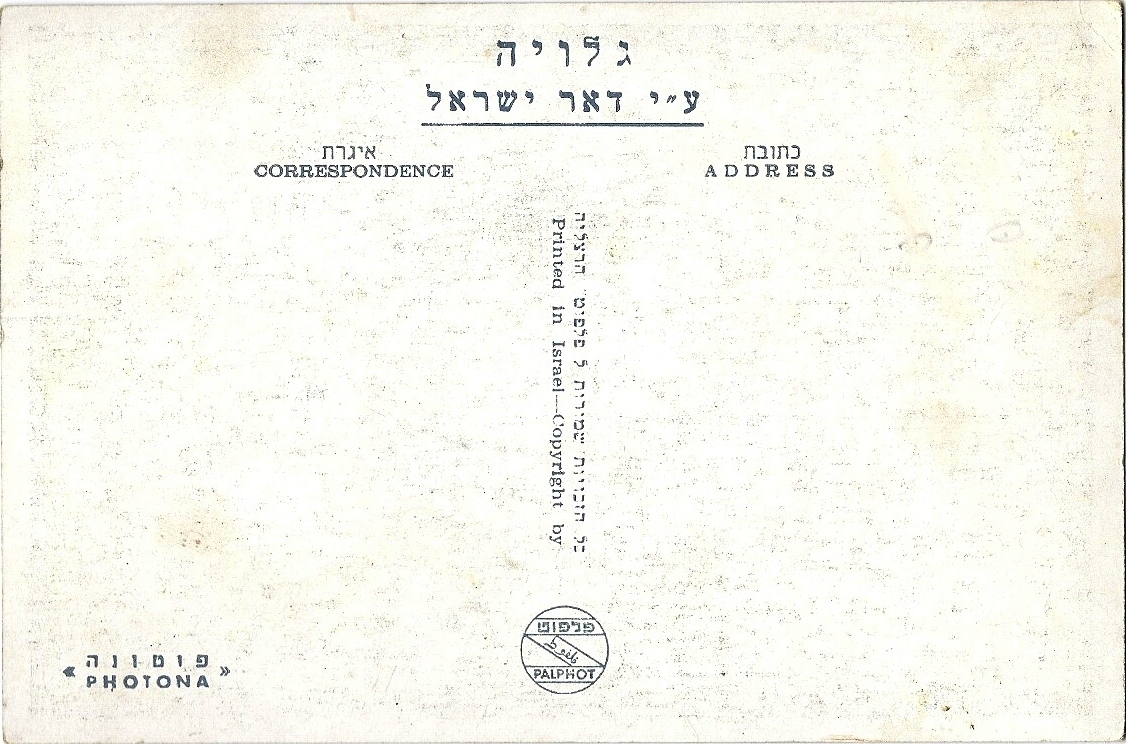
And the second thing that made me curious about this postcard was on the back. Here and there I've noticed some old postcards - it's always old postcards - where each half of the back side has a title to make it clear that here you write the address and here the message (or, in the case of this postcard, the 'correspondence'; the Hebrew term has even more of a lovely archaic ring to it, being roughly the equivalent of the word 'epistle'). It made me curious because while the postcards are, as I said, old, they were still printed at a time when postcards were a pretty common thing, and really not a novelty at all (I asked the internet, and people have been sending postcards since the second half of the 19th century). So what are the titles for? Shouldn't this be fairly obvious?
[Then again, not long ago I saw on my statistics that someone got to the blog through searching 'how to write a postcard', so go figure...]

צד אחורי:
Back:


אין לי תשובה, למען האמת. זה סתם משהו שסקרן אותי. קונבנציה של אותה תקופה, יש להניח.

I have no answer for this, actually. It's just something I got curious about. A convention of the time, I suppose.

כשניסיתי לראות אם אני יכולה לתארך איכשהו את הגלויה, או לפחות את התמונה, נתקלתי בסופו של דבר בהודעה הזו בפורום אספנים בתפוז (כדאי אגב להציץ גם בהודעות אחרות בשרשור, יש שם תמונות נהדרות של תל אביב הישנה). כמו שאפשר לראות, הגלויה שמוצגת שם היא בעצם בדיוק אותה גלויה כמו שלי, כולל הכתובית בצד שמאל למטה, והמספר הסידורי שמופיע בה; עם זאת, כותב ההודעה מציין שהיצרן הוא 'פלפוט פלשתינה', ואצלי מדובר כבר על 'דאר ישראל', כך שיש כנראה הבדל בשנים.


While trying to see if I can somehow date this postcard, or at least the photo, I eventually ran into a post on a local collectors forum (Hebrew link, but you might still want to check out the posts on this thread for some lovely pictures of old Tel Aviv). As you can see, the postcard shown there is basically the same one as mine, down to the caption on the lower left side, and the serial number on it; however, the guy who wrote the post mentioned that the publisher was 'Palphot Palestine', and in my card it says 'Israel Post', so there seems to be a difference in the time period.

בכל אופן, החלטתי לפנות לאותו כותב, הדי אור, ולהתייעץ איתו. לשמחתי, מדובר לא רק באדם ידען להפליא בכל הנוגע לפריטי אספנות (בעיקר כאלה שקשורים לא"י של פעם), אלא שהוא גם שמח לעזור ולחלוק את הידע הזה. להלן התשובה הראשונה ששלח לי בעניין:

Anyway, I decided to turn to that person, Hadi Orr, and consult him about this. I was happy to find out that he is not only very knowledgeable about collectors' items (especially those related to old-time Israel), but he was also very happy to help and share his knowledge. Here's the first answer he sent me:
חברת פלפוט הוקמה באמצע שנות השלושים - אני חושב 1934 - והיתה בתחרות עם מספר חברות בארץ ישראל שהדפיסו גלויות
פלפוט גם יצרה ספרים לוחות שנה ועוד. מבחינה טכנולוגית למרות שהמתחרים עברו למכונות הדפסה צבע היא המשיכה עד סוף שנות החמישים להדפיס בשחור לבן ובחלק מהמקרים להכניס על הגלויות שחור לבן מה שנקרא לצבוע ביד
לא יודע בדיוק איך טכניקה הזו נעשתה אבל יש הרבה גלויות שכאלו ולטעמי הם יפיפיות
הגלויה הזו צריכה להיות מתחילת שנות החמישים עד אמצע שנות החמישים

Palphot [publication] company was established in the mid-30s - 1934, I think - and was in competition with a number of other companies in Israel that printed postcards.
Palphot also made books, calendars, and other things. Technologically, although their competitors moved to colour printing, they kept printing in black and white until the late 50s, and in some cases added on the black and white postcards what's called hand-colouring.
I don't know how exactly this technique was done, but there are plenty of postcards like that, and I think they're beautiful.
This postcard should be from the early- to mid-50s.
וגם אילו עצר כאן - דיינו. אבל הוא לא עצר כאן, ושלח לי עוד מידע בהמשך:

Even if he had stopped there, that would have been enough. But he hadn't, and sent more more information later on:
הסתכלתי בעיון על הגלויה שלך
ואני חושב שאני יודע איך עשו את הצביעה ביד
לקחו את בסיס הגלויה השחורה
ובאזור מסויים על נייר נפרד - כמו ניר פרגמנט אבל בטח זה היה פילם או צלולוייד - צבעו צבע אחד נניח ירוק את העצים ולקחו בסיס אחר ועליה צבעו צהוב שיכסה את הבית וכו
וכן היתה הדפסה שחור שזה הבסיס ואחרי חלק קטן של הירוק ואחרי זה חלק קטן של הצהוב
כלומר עשו הפרדת צבעים ידנית

I looked at your postcard carefully
and I think I know how they did the hand-colouring.
They took the black base of the postcard
and in a certain area on a separate piece of paper - like wax paper, but it was probably film or celluloid - they coloured in with one colour, say green for the trees, and then they took another base and on that coloured in yellow for the house and so on.
So there was a black print as the base, and then a small part with green and then a small part with yellow
So they did a manual colour separation.
ועוד:

And more:
בעיון מדוקדק נראה כי הצילום נראה שנות הארבעים ועל הבסיס שלו הדפיסו שוב באותם גלופות בשנות החמישים
וזה רק בהתלבטות ביני לבין עצמי
קשה להגיד

After careful perusal it appears that the photograph appears to be from the 40s and and on the base of that they printed again with the same moulds in the 50s.
This is just me debating with myself.
It's hard to say.

תודה מקרב לב למר הדי אור על שחלק את כל המידע הזה! אפשר לראות עוד דוגמאות מתוך האוספים שלו כאן, ואני חייבת לציין שלמרות שלי אישית אין את המוח המסודר שצריך כדי להיות אספן של ממש - אני סתם אוהבת דברים ישנים - אני באמת אסירת תודה על כך שיש אנשים כמוהו, שעוזרים לשמר פריטים היסטוריים מהזן בר-החלוף. כל החפצים היומיומיים הקטנים האלה אולי לא נכנסים לספרי ההיסטוריה, אבל הם כל כך חשובים, בעיניי, מפני שבזכותם אפשר לבנות את תמונת היומיום של התקופה, ולזכור איך נראו החיים האמיתיים של רוב האנשים.

Many thanks to Mr. Hadi Orr for sharing all this information! You can see some examples from his collections here (Hebrew, but lots of pictures), and I must say that while I don't have the kind of orderly mind that it takes to actually be a collector - I just like old stuff - I am very grateful that people like him that help preserve historical ephemera. Those little everyday items might not make it into the history books, but they are so important, I think, because through them you can build the picture of the everyday of an era, and to remember how real life looked like for most people.

והנה עוד משהו מגניב לסיום - סרטון קצר של תל אביב מסביבות שנות ה-40 (בצבע!), קצת מטושטש פה ושם ובכל זאת די מופלא. מכיוון שאני נורא ירושלמית, אני לא יכולה לזהות את כל המקומות שמופיעים שם, אבל אני מקווה שמישהו מבין קוראיי היושבים בלחות של השפלה יוכל לזהות אותם ולהנות.

And here's something cool to finish with - a short video of Tel Aviv from sometime around the 40s (in colour!), a bit blurry now and then but pretty great nonetheless. Being the Jerusalemite that I am, I don't know Tel Aviv very well, so can't recognise all the places seen there, but I'm hoping that some of my readers living over in that humid coastal plain will be able to recognise them, and enjoy it.